
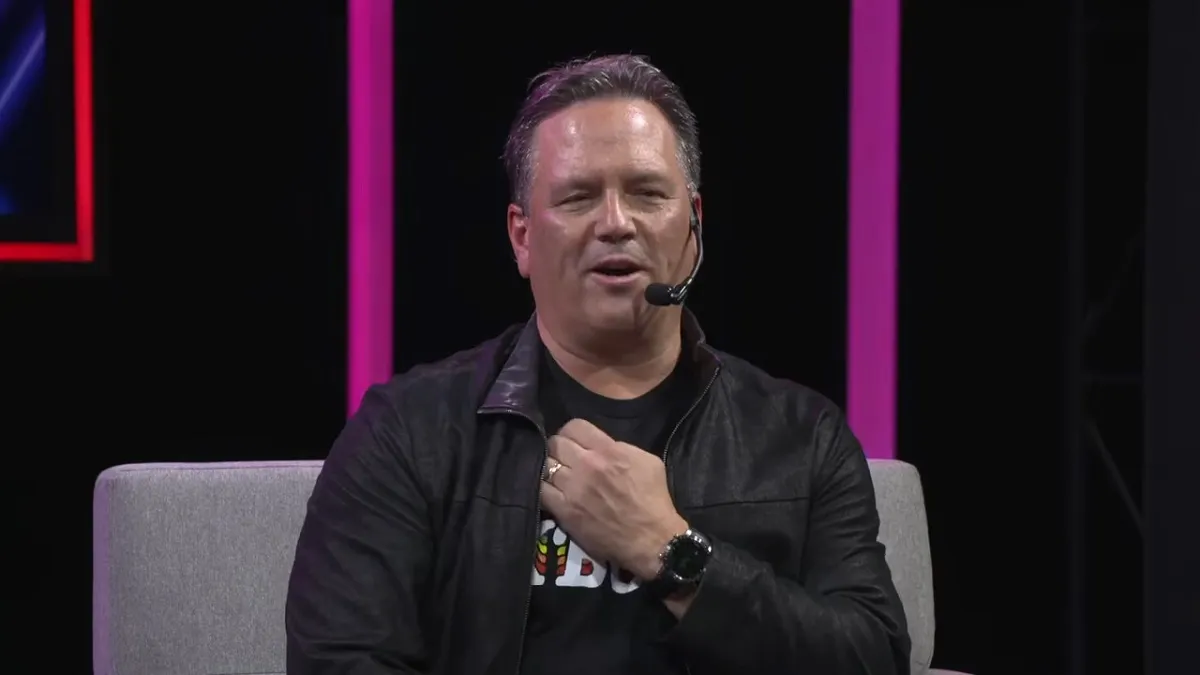
In a significant leadership transition that will undoubtedly reshape the future of gaming, Phil Spencer is set to conclude his tenure as the chief executive of Xbox. After dedicating 25 years to the platform and more than a decade at its helm, Spencer will officially step down on February 23rd. His successor will be Asha Sharma, currently the president of Microsoft’s CoreAI division, who joined the tech giant in 2024. This pivotal change was reportedly confirmed to IGN by anonymous sources, with official public announcements pending clearance.
A New Era Dawns for Xbox
Spencer’s departure from the top leadership role at Xbox marks the end of an era. During his leadership, Xbox experienced significant growth and strategic shifts, including the acquisition of major studios and the expansion of its subscription services like Xbox Game Pass. His commitment to fostering a more inclusive and player-centric gaming environment has been a hallmark of his leadership. The transition is designed to ensure continuity and stability, with Spencer remaining in an advisory capacity to Asha Sharma until at least the summer to facilitate a smooth handover.
Asha Sharma’s appointment as CEO of Microsoft Gaming signifies a strategic move by the company, leveraging her expertise in artificial intelligence to potentially steer the gaming division into new frontiers. Alongside this, Matt Booty, the current chief of Xbox Game Studios, will be promoted to Chief Content Officer (CCO). In this new role, Booty will work closely with Sharma, focusing on the creative and content development aspects of Microsoft’s gaming portfolio.
Spencer Reflects on His Tenure and the Transition
In an internal email shared with Microsoft employees, Phil Spencer revealed that he had been contemplating retirement for some time and had discussed his intentions with Microsoft CEO Satya Nadella. "From that moment, we aligned on approaching this transition with intention, ensuring stability, and strengthening the foundation we’ve built," Spencer stated in his internal communication. He expressed strong confidence in Asha Sharma’s ability to lead Xbox forward, citing their recent collaboration.
"Working with her over the past several months has given me tremendous confidence," Spencer elaborated. "She brings genuine curiosity, clarity, and a deep commitment to understanding players, creators, and the decisions that shape our future. We know this is an important moment for our fans, partners, and team, and we’re committed to getting it right." He further reiterated his commitment to supporting Sharma through the transition period, offering his guidance until the summer months.
Spencer’s journey with Microsoft began in 1988, and his leadership of Xbox commenced in 2014, a period that saw the launch of the Xbox One and the subsequent strategic pivots that have defined the platform in recent years. His leadership was instrumental in navigating the competitive landscape of the console wars and expanding Xbox’s reach beyond hardware.
Asha Sharma Outlines Her Vision for Xbox
Asha Sharma, in her own internal message to Microsoft staff, has articulated a clear vision for the future of Xbox. Her primary focus, she stated, is to understand and preserve what makes Xbox successful while also identifying areas for improvement. She emphasized three core commitments that will guide her leadership: "great games," the "return of Xbox," and a forward-thinking approach to innovation.
The Primacy of Great Games
Sharma unequivocally declared that "great games" are the bedrock of Xbox. "Everything begins here. We must have great games beloved by players before we do anything. Unforgettable characters, stories that make us feel, innovative game play, and creative excellence," she stated. Her plan involves empowering studios, investing in established franchises, and supporting bold new ideas. This commitment suggests a continued focus on delivering high-quality, engaging gaming experiences that resonate with a broad audience. Sharma also indicated a willingness to explore new categories and markets where Xbox can offer genuine value, always prioritizing player interests.
Reinvigorating the Xbox Brand
The second pillar of Sharma’s vision is the "return of Xbox." This signifies a renewed dedication to the core Xbox community, including the loyal players who have supported the brand for decades and the developers who create the expansive worlds and experiences within the Xbox ecosystem. She specifically mentioned a recommitment to the console as the foundational element of Xbox, recognizing its role in connecting with players and developers. This focus on the console’s significance suggests that while Xbox will embrace broader strategies, the hardware will remain a central and cherished part of its identity.
A Future Grounded in Innovation, Not Exploitation
Perhaps the most striking aspect of Sharma’s communication is her stance on the future of gaming, particularly concerning monetization and artificial intelligence. She explicitly rejected the notion of treating franchises as "static IP to milk and monetize." Instead, her vision centers on "building a shared platform and tools that empower developers and players to create and share their own stories."
Sharma further clarified her position on the evolving technological landscape: "As monetization and AI evolve and influence this future, we will not chase short-term efficiency or flood our ecosystem with soulless AI slop. Games are and always will be art, crafted by humans, and created with the most innovative technology provided by us." These words carry significant weight, especially given her background as a leader in Microsoft’s AI division. They suggest a deliberate and principled approach to integrating new technologies, ensuring that they enhance, rather than detract from, the artistic and human elements of game development.
Background and Context of the Leadership Shift
Phil Spencer’s tenure at Xbox has been marked by several key strategic decisions that have significantly influenced the industry. Under his leadership, Xbox Game Pass was launched in 2017, revolutionizing the way players access games through a subscription model. This service has since become a cornerstone of Xbox’s strategy, offering a vast library of titles, including all first-party games on day one. The acquisition of major studios such as Bethesda Softworks in 2020 for $7.5 billion and Activision Blizzard in 2023 for nearly $69 billion are testament to Spencer’s ambition to bolster Xbox’s content offerings and expand its market reach.
The timing of this leadership change comes at a critical juncture for the gaming industry, which is increasingly shaped by evolving technologies like artificial intelligence, cloud gaming, and the metaverse. Microsoft’s strategic investment in AI, spearheaded by Sharma’s previous role, suggests a strong intent to leverage these advancements to innovate within the gaming sector.
Asha Sharma’s professional background prior to joining Microsoft’s CoreAI division includes significant leadership roles at Meta, where she served as Vice President of Product and Engineering, and at Intercart, where she held a Chief Operating Officer position. This diverse experience in product development, engineering, and operational leadership is expected to provide a unique perspective as she takes the helm of Microsoft Gaming.
Industry Reactions and Implications
While official statements from external parties are yet to be widely disseminated, the news of Phil Spencer’s departure and Asha Sharma’s ascension is likely to elicit a range of reactions from industry analysts, developers, and the gaming community. Spencer has been a widely respected figure, known for his transparency and dedication to the player base. His advisory role suggests a continued, albeit indirect, influence on Xbox’s strategic direction.
Sharma’s emphasis on "great games" and her nuanced stance on AI integration are particularly noteworthy. For developers, her commitment to empowering studios and backing bold ideas could signal a period of increased creative freedom and investment. However, the potential integration of AI into game development, even with her cautious approach, will undoubtedly be a subject of intense discussion and scrutiny.
The promotion of Matt Booty to CCO is also a significant development. His extensive experience leading Xbox Game Studios positions him to play a crucial role in shaping the content pipeline and ensuring the quality and diversity of games under the Xbox umbrella. The collaboration between Sharma and Booty will be key to executing Xbox’s content strategy.
Analyzing the Strategic Direction
The appointment of Asha Sharma, an AI executive, as the new head of Microsoft Gaming is a clear indicator of the company’s strategic priorities. Microsoft has made substantial investments in AI research and development, and this move suggests a desire to integrate AI more deeply into the gaming experience, from development tools to player engagement and potentially new forms of interactive entertainment. Her assertion that Xbox will not "chase short-term efficiency or flood our ecosystem with soulless AI slop" indicates a balanced approach, aiming to harness AI’s potential without compromising the artistic integrity of games.
The renewed focus on the "return of Xbox" and the console’s importance is a strategic signal to long-time fans and developers. In an era where subscription services and cloud gaming are gaining prominence, reaffirming the console’s central role could be a move to solidify Xbox’s identity and appeal to its core audience. This approach might also be seen as a counterpoint to the increasingly platform-agnostic nature of gaming, emphasizing the unique experience that a dedicated console can offer.
Phil Spencer’s legacy at Xbox is undeniable. He oversaw the platform’s transformation from a hardware-centric console manufacturer to a multifaceted gaming ecosystem encompassing services, cloud gaming, and a vast portfolio of studios. His leadership navigated Xbox through periods of intense competition and technological evolution, laying the groundwork for future innovation. Asha Sharma inherits a robust and influential platform, and her leadership will be pivotal in shaping the next chapter of Xbox’s storied history. The coming months will reveal the full extent of her strategic direction and how the industry will adapt to this significant leadership transition.