
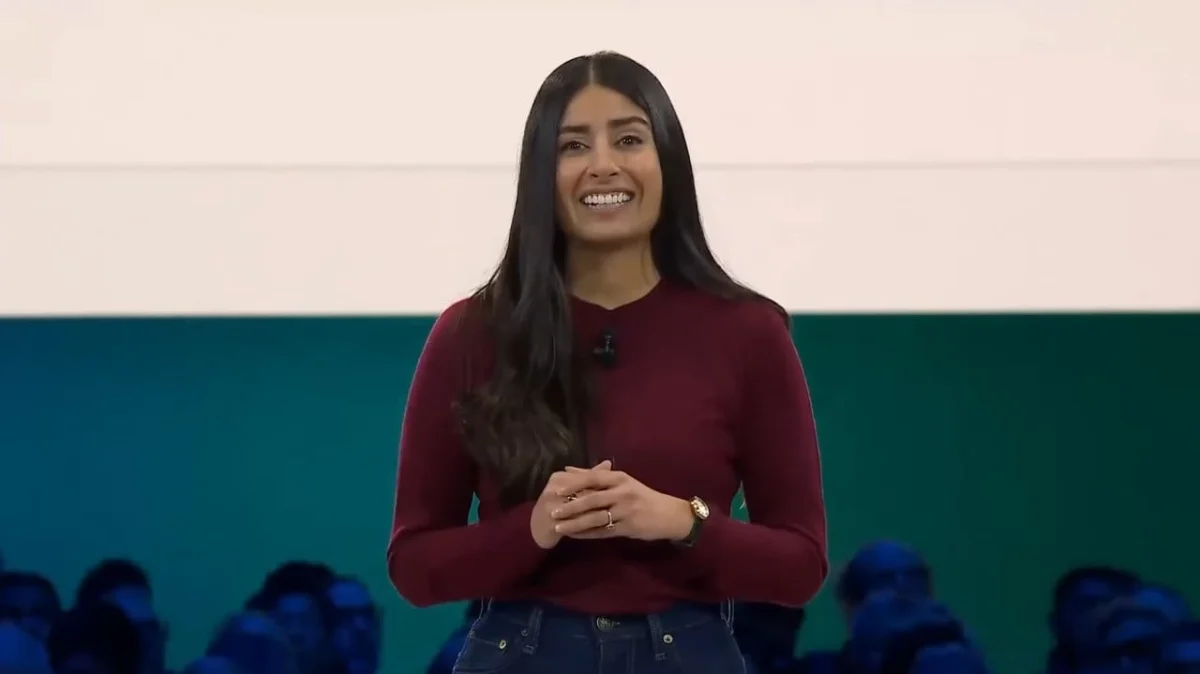
According to a report by The Information, citing individuals familiar with Sharma’s discussions, the new Xbox chief has been actively investigating methods to make Game Pass, and even future console iterations, more "enticing." A central component of these explorations is the potential introduction of new, lower-priced tiers for Xbox Game Pass. This strategic pivot aligns with broader industry trends in subscription services, where diversified pricing models often serve to attract different segments of the market, from budget-conscious consumers to those seeking premium, all-inclusive packages.
The New Leadership and Strategic Imperatives at Xbox
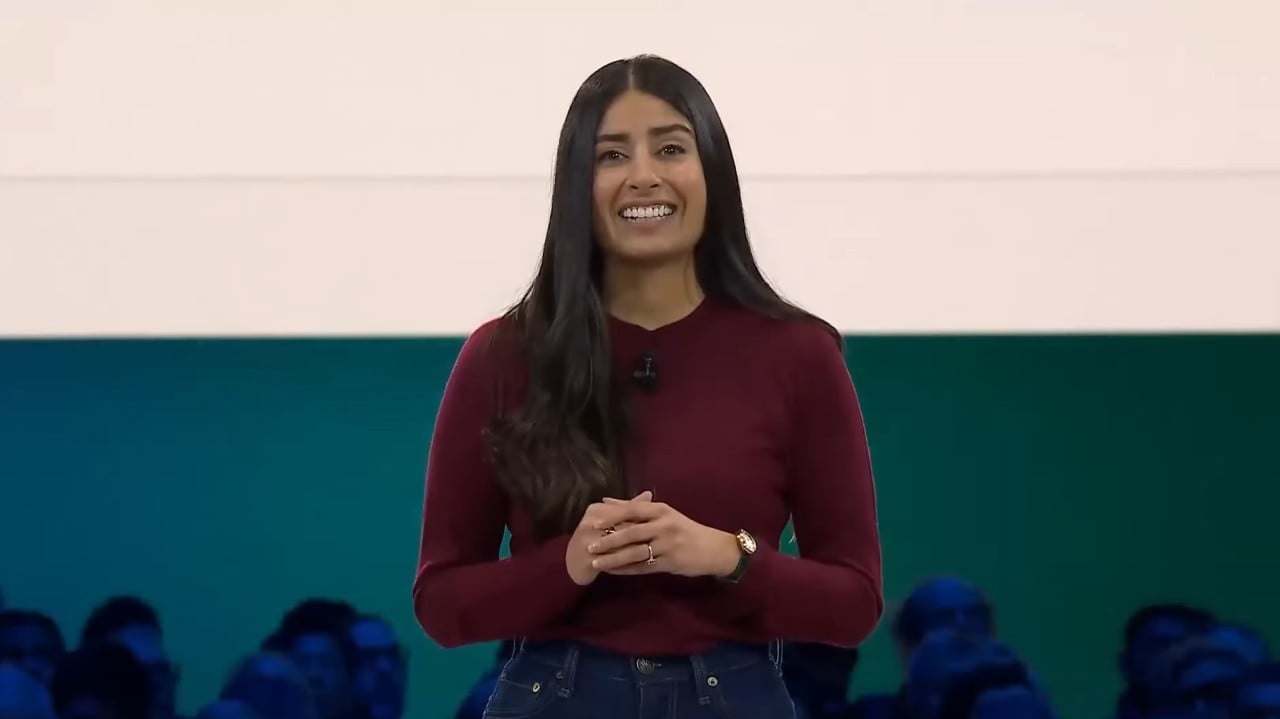
Asha Sharma’s appointment as Xbox boss marks a significant transition within Microsoft’s gaming division. Her background, reportedly encompassing a focus on operational efficiency and market expansion, positions her to critically assess existing strategies and identify new avenues for growth. Taking the reins in what has been described as a "busy old month," Sharma’s immediate focus on Game Pass pricing underscores the service’s centrality to Xbox’s ecosystem and future trajectory.
Xbox Game Pass has been a cornerstone of Microsoft’s gaming strategy since its launch in June 2017. Offering a rotating library of games for a monthly fee, it has often been lauded as the "Netflix of gaming." However, like many successful subscription models, it faces the ongoing challenge of maintaining growth, retaining subscribers, and expanding its reach in an increasingly competitive digital entertainment landscape. The current standard pricing, which has seen incremental increases over time, may present a barrier to entry for certain demographics, prompting a re-evaluation under Sharma’s leadership.
Game Pass Pricing Revamp: A Deeper Dive into Potential Tiers
The notion of lower-priced Game Pass tiers is not entirely new; whispers and speculative reports have long circulated about various possibilities, including the introduction of an ad-supported model. While The Information‘s report does not explicitly mention advertisements, the concept of a "lower-priced tier" naturally brings such possibilities to the forefront of industry analysis. An ad-supported tier, mirroring successful models adopted by streaming giants like Netflix and Disney+, could significantly reduce the cost of entry, potentially drawing in millions of new subscribers who might otherwise be deterred by current pricing.
Such a model would likely involve displaying advertisements before, during, or after game sessions, or within the Game Pass interface itself. The operational complexities would be substantial, requiring careful integration to avoid disrupting the user experience while generating sufficient revenue to offset the reduced subscription fee. Alternatively, lower-priced tiers could involve other forms of segmentation, such as offering access to a more limited library of games, delaying access to new first-party titles, or restricting certain features like cloud streaming or multiplayer benefits. The strategic goal remains consistent: to expand the funnel of potential subscribers by making the service more accessible across various income brackets and engagement levels.
The current Game Pass Ultimate tier, which bundles Game Pass for Console, PC Game Pass, Xbox Live Gold (now Game Pass Core), and EA Play, alongside cloud gaming, typically costs around $16.99/£12.99/€14.99 per month. A more basic tier, potentially priced significantly lower (e.g., $5-$10), could dramatically alter the market dynamics, particularly in emerging markets where discretionary income for premium subscriptions is lower. This aligns with Microsoft’s broader vision of making Xbox gaming available to "billions of players," regardless of their chosen device or financial capacity.
A Strategic Alliance with Netflix: Unpacking the Partnership Potential
Perhaps one of the most intriguing aspects of the report is the revelation of discussions between Asha Sharma and Netflix co-CEO Greg Peters regarding a potential partnership. Peters reportedly confirmed meeting with Sharma and having "kicked around ideas" about future subscription bundles. While he stressed that "no solid plans" are currently in place and he "wouldn’t eliminate any possibilities," the acknowledgement from such a high-ranking Netflix executive lends significant weight to the exploratory nature of these talks.
Peters’ commentary on the discussions provides further insight: "You would have to do it in a way that works for the consumer and works for both companies, and frankly, I think Microsoft’s still trying to figure out how to make the Game Pass bundle work for Microsoft. But what I like about Asha’s thinking is, it’s all about, how do we do more? And it’s already been exciting to watch." This statement highlights both the complexity of such an endeavor and the shared ambition for innovation.
A partnership between Xbox Game Pass and Netflix could manifest in several ways:
- Bundled Subscriptions: The most straightforward approach would be to offer a combined subscription package at a reduced price compared to subscribing to both services individually. This strategy, common in the telecommunications and streaming industries, enhances value for consumers and provides both companies with a powerful cross-promotional tool.
- Content Integration: While less likely to be a primary focus initially, deeper integration could see Netflix-produced content (e.g., animated series based on Xbox IPs, or interactive shows) promoted within the Xbox ecosystem, and vice versa. Netflix already offers a growing library of mobile games within its existing subscription, hinting at its interest in the gaming space.
- Cross-Platform Promotion: Joint marketing campaigns could leverage each other’s massive user bases. Netflix could promote Game Pass to its vast subscriber count, while Xbox could feature Netflix content prominently on its dashboards.
- Cloud Gaming Synergy: Both companies are heavily invested in cloud infrastructure. While distinct, there could be long-term synergistic opportunities related to streaming technology or server optimization, though this is highly speculative.
The strategic rationale for both parties is compelling. For Xbox, a Netflix partnership offers immediate access to hundreds of millions of subscribers globally, a demographic that may not yet be fully tapped by traditional console gaming. For Netflix, it provides an opportunity to deepen its entertainment offerings, potentially attracting new subscribers interested in a comprehensive media and gaming bundle, further solidifying its position in the competitive streaming market. It also offers a potential avenue to expand its gaming footprint beyond its current mobile-focused efforts.
Chronology and Context: The Evolution of Xbox Game Pass
Since its inception in June 2017, Xbox Game Pass has undergone significant evolution. Initially offering a library of Xbox One and Xbox 360 titles, it quickly expanded to include PC games, first-party titles on day one of release, and ultimately, cloud streaming. Key milestones include:
- June 2017: Xbox Game Pass launches.
- January 2018: Microsoft announces all new first-party Xbox exclusives will launch on Game Pass on day one.
- June 2019: PC Game Pass (originally Xbox Game Pass for PC) is introduced.
- September 2020: Xbox Game Pass Ultimate, bundling console, PC, EA Play, and cloud gaming (then Project xCloud), is launched, becoming the flagship tier.
- September 2023: Xbox Live Gold is rebranded to Xbox Game Pass Core, integrating some Game Pass benefits.
Throughout this period, Game Pass pricing has seen adjustments, generally trending upwards to reflect the increased value and expanded offerings. For instance, the standard console Game Pass subscription increased from $9.99 to $10.99 in July 2023, and Game Pass Ultimate from $14.99 to $16.99. This history of price increases makes the current exploration of lower-priced tiers a notable shift in strategic thinking, likely driven by the imperative to sustain subscriber growth and market penetration in an increasingly saturated subscription economy.
Microsoft’s broader strategy under CEO Satya Nadella and Xbox head Phil Spencer has been to transform Xbox from a console-centric business into an "Xbox Everywhere" platform, encompassing cloud gaming, PC, and mobile. Game Pass is central to this vision, acting as the primary gateway to content across these diverse platforms. Expanding its accessibility through varied pricing models and strategic partnerships would be a logical extension of this long-term strategy.

Market Dynamics and Competitive Landscape
The global gaming market is a highly competitive arena, with subscription services becoming a critical battleground. Sony’s PlayStation Plus, while structured differently, offers tiers like Essential, Extra, and Premium, providing a direct competitive benchmark. Nintendo’s Switch Online also operates on a subscription model, albeit with a focus on online multiplayer and classic game libraries. Beyond direct gaming rivals, the broader entertainment subscription market, dominated by giants like Netflix, Disney+, and Amazon Prime Video, influences consumer expectations regarding value, content breadth, and pricing flexibility.
Xbox Game Pass currently boasts over 34 million subscribers as of February 2024, a significant figure but one that still represents a fraction of the total gaming population and Microsoft’s ultimate ambition. To reach the "billions" target, strategies must evolve beyond catering primarily to core console owners. Lower-priced tiers and innovative bundles could unlock vast new segments, including casual gamers, mobile-first users, and consumers in regions with different economic realities.
The subscription economy itself is maturing. While initial growth rates were meteoric, many services are now encountering plateaus, necessitating new approaches to customer acquisition and retention. Diversifying pricing, offering bundles, and exploring new partnerships are common tactics in this environment. Netflix’s own journey with ad-supported tiers, launched in November 2022, serves as a successful precedent for how established subscription services can adapt to attract cost-sensitive customers without significantly eroding their premium offerings. The ad-supported tier quickly gained traction, demonstrating a clear market demand for more affordable access to content.
Challenges and Considerations for Implementation
While the strategic rationale for these changes is strong, implementing them comes with inherent challenges.
- Cannibalization: A primary concern with introducing lower-priced tiers is the potential for existing, higher-paying subscribers to downgrade, thereby reducing average revenue per user (ARPU). Careful tier differentiation and value proposition management would be crucial to minimize this effect.
- Perception of Value: Any new tier must be perceived as offering genuine value, even if it comes with limitations. Communicating these differences clearly to consumers will be vital to avoid confusion or backlash.
- Technical Implementation: Integrating new pricing models, especially an ad-supported one, requires significant technical infrastructure development, from ad serving platforms to user data management and privacy compliance.
- Partner Integration: A Netflix partnership, while promising, would involve complex negotiations, technical integration between two massive companies, and alignment on marketing and revenue sharing models. Both companies have distinct corporate cultures and strategic priorities that would need to be harmonized.
- Market Response: Competitors will undoubtedly react to any significant shifts in Xbox’s strategy, potentially leading to a renewed arms race in subscription offerings and pricing.
It is important to reiterate that these discussions, as reported, are in their exploratory phases. Asha Sharma, being relatively new to the Microsoft Gaming CEO role, is undertaking a comprehensive review, and such "considerations" are part of the due diligence required for a leader in her position. Not all ideas explored will necessarily translate into concrete plans, especially given the historical tendency for Game Pass prices to increase rather than decrease. However, the sheer fact that these options are being actively discussed at the highest levels of Xbox and with a major external partner like Netflix signals a profound strategic re-evaluation.
Future Outlook and Implications
The potential for lower-priced Game Pass tiers and a Netflix partnership points towards a future where Xbox aims for even broader market penetration and deeper integration into the wider digital entertainment ecosystem. Such moves would represent a significant strategic evolution, potentially redefining how consumers access and pay for gaming content.
For consumers, these changes could mean more flexible and affordable options for engaging with Xbox’s extensive library of games. For Microsoft, it could unlock new revenue streams, expand its subscriber base significantly, and solidify its position as a dominant force in both gaming and broader digital services. The gaming industry watches keenly as Asha Sharma charts the course for Xbox, with the promise of more accessible and interconnected entertainment experiences on the horizon. The coming months will likely reveal whether these exploratory discussions translate into concrete announcements that reshape the landscape of gaming subscriptions.