

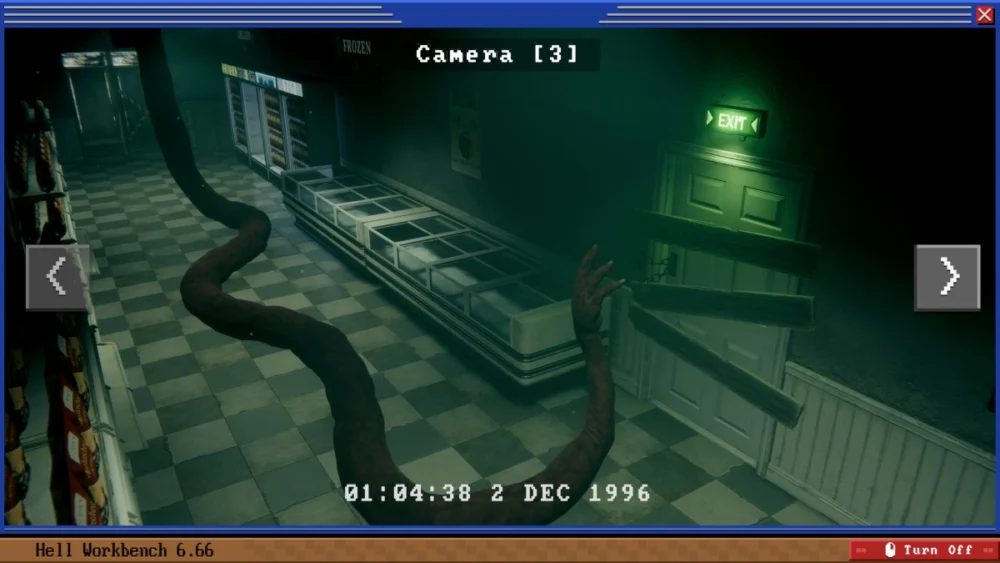
The newly released supermarket simulator, HELLMART, presents players with a challenging and often unnerving experience, where every action, no matter how small, contributes to an unseen karma system. This intricate mechanic dictates the player’s fate, leading to one of three distinct endings. Much like the moral choices presented in the acclaimed Mass Effect series, players in HELLMART must carefully consider their decisions, as these will determine their ultimate outcome within the game’s desolate, paranormal-infused setting. While HELLMART boasts a more streamlined approach to multiple endings compared to its sprawling predecessor, Zoochosis, understanding its unique karma system is crucial for unlocking its full narrative potential. This guide aims to demystify the path to each of HELLMART‘s three endings, providing players with the strategic insights needed to survive and potentially thrive in this unsettling work simulator.
The Evolving Landscape of Interactive Narratives: Contextualizing HELLMART’s Endings
The proliferation of games that incorporate branching narratives and consequence-driven gameplay signifies a maturation in the interactive entertainment industry. Titles like Mass Effect, with its iconic Paragon and Renegade systems, established a precedent for player agency directly impacting story progression and character relationships. HELLMART builds upon this foundation, albeit within a more contained and focused simulation. The game’s premise of managing a beleaguered supermarket, while simultaneously fending off supernatural threats, offers a unique blend of mundane task management and existential horror. This juxtaposition is a key element in its appeal, forcing players to balance the demands of customer service with the primal urge for survival. The developers, GAZE IN GAMES, have clearly aimed to create an experience where even the most routine interaction carries weight, contributing to the overarching narrative tapestry and ultimately shaping the player’s ending. The comparison to Zoochosis, another simulation game known for its extensive ending variations, highlights the growing trend of developers exploring the depth and replayability offered by multiple narrative conclusions.
Unlocking the "Keys to the Kingdom" Ending: The Paragon Employee’s Ascent
The most rewarding conclusion in HELLMART, the "Keys to the Kingdom" ending, is reserved for the player who embodies the ideal supermarket employee. This path demands meticulous attention to detail, unwavering adherence to company policy, and a steadfast commitment to customer satisfaction, all while confronting existential threats. The player must maintain a pristine store environment, exhibit politeness and efficiency in all customer interactions, and consistently meet or exceed daily quotas. Crucially, this involves preventing fraudulent night-time entries and actively defending the store from encroaching monstrous entities. The game’s invisible karma system, while seemingly punitive, is designed to reward diligent and ethical gameplay.

Key Actions for the "Keys to the Kingdom" Ending:
- Customer Service Excellence: This involves not only polite dialogue but also accurate transaction handling. Short-changing customers or engaging in rude behavior will negatively impact karma. Conversely, providing correct change and attentively stocking shelves contributes to a positive standing. The game’s employer, communicating via a payphone, implicitly outlines these expectations, with deviations often leading to increased daily quotas.
- Vigilance Against Imposters: The night shift presents a unique challenge with the introduction of deceptive entities posing as customers. These imposters are identifiable by their glitched camera feeds, peculiar speech patterns marked by obvious typos, and unnatural dialogue. Identifying and rejecting these threats is paramount.
- Discernment in Customer Interaction: Players must learn to distinguish between genuine customers and those with malicious intent. Suspicious behavior or unusual requests, such as Father Grayson’s solicitations for donations, warrant careful consideration. It is important to note that not all customers exhibiting odd behavior are malevolent; individuals like Karen, who demands extra change, or the shoplifter, who can be apprehended, represent challenges that can be navigated without resorting to immediate dismissal.
- The Seventh Day Confrontation: The pivotal moment for this ending occurs on the seventh day. As the player prepares to leave their sleeping quarters, they will encounter a mysterious "Stranger." To achieve the "Keys to the Kingdom" ending, the player must firmly declare, "I have to protect this place from you!" This defiant stance signifies their commitment to the store and its protection, leading to its transformation into a legitimate establishment, "HelloMart," with the player being bestowed ownership.
This ending signifies not just survival, but triumph. The player has successfully navigated the supernatural and managerial challenges, earning the trust and respect of their spectral employers, culminating in a peaceful transition to a legitimate business. The narrative implication is that by embracing responsibility and demonstrating integrity, the player has cleansed the site of its malevolent influence.
The "Groundhog Day" Ending: A Cycle of Repetition and Near Misses
The "Groundhog Day" ending represents the default or "middle-of-the-road" outcome in HELLMART. It is the most likely conclusion for players who make a moderate number of errors without succumbing to outright malice or failing catastrophically. This ending suggests a persistent, albeit flawed, effort to manage the supermarket, resulting in a continuous loop of the game’s core mechanics.
Factors Contributing to the "Groundhog Day" Ending:

- Minor Operational Errors: Accidental overpayment to customers, inadvertently increasing the daily quota, or failing to apprehend a shoplifter can contribute to a less-than-perfect performance.
- Customer Rejection: Leaving legitimate customers outside during night shifts, particularly those who have been previously vetted, can also nudge the player towards this ending.
- Ambiguous Dialogue Choices: Expressing uncertainty about the value of adhering to rules when interacting with the Stranger on the seventh day can lead to this outcome.
- Partial Compliance with the Stranger: The player can agree to assist the Stranger on the seventh day, provided they haven’t accumulated excessive negative karma through overt unhelpfulness or allowing monsters into the store. However, making too many mistakes throughout the week will push the player towards the more dire "Judgment Night" ending.
The narrative resolution of the "Groundhog Day" ending is a bleak one. The player witnesses the supermarket engulfed in flames, a seemingly definitive escape from the nightmarish environment. However, this relief is short-lived. As a bus approaches, revealing a new iteration of Hellmart, the player realizes they are trapped in a perpetual cycle. This ending underscores the pervasive and inescapable nature of the supernatural forces at play, suggesting that true freedom is an elusive commodity within the game’s universe. The cyclical nature of this ending serves as a meta-commentary on the repetitive nature of certain work environments and the potential for individuals to become trapped in unfulfilling routines, albeit amplified by supernatural horror.
The "Judgment Night" Ending: Embracing the Darkness Within
The "Judgment Night" ending is the grim consequence of consistently poor performance and a deliberate disregard for rules and safety. This path leads the player to become one of the very monsters they were tasked with combating, a testament to the corrupting influence of the supermarket’s dark aura.
Pathways to the "Judgment Night" Ending:
- Systematic Malice: The most straightforward way to achieve this ending is to actively engage in every negative action available. This includes being overtly rude to customers, intentionally allowing monsters to breach the store’s defenses, and actively evading confrontations during night shifts, thereby accumulating significant bad karma.
- Customer Neglect: Ignoring customer requests, such as failing to stock specific items or refusing to provide requested goods like cigarettes, directly contributes to a negative performance evaluation. The emphasis here is on becoming the "Worst Employee of the Week, Every Week."
- Cooperation with the Stranger: On the seventh day, the player must actively align with the Stranger. This can be achieved by agreeing to help him or by expressing utter disdain for the established rules with phrases like, "I don’t give a shit about those rules!" While the Stranger’s appearance is a constant, the player’s dialogue choices when interacting with him are critical.
- The Culmination of Negativity: It is important to note that simply selecting specific dialogue prompts with the Stranger will not guarantee this ending. The overarching goal is to demonstrate a sustained pattern of terrible performance without succumbing to an early demise.
The visual and narrative conclusion of "Judgment Night" is one of abject horror. The supermarket is depicted as a macabre monument, adorned with the impaled bodies of the customers the player was meant to protect. The player, having fallen prey to the Stranger’s insidious influence, is transformed into a monstrous entity. This transformation marks them as a perpetual tormentor, destined to actively participate in the terrorization of future employees and customers, perpetuating the curse that grips Hellmart. This ending serves as a stark warning about the consequences of succumbing to negativity and the potential for individuals to become agents of the very forces they initially resisted. The transformation into a monster is not merely a physical change but a symbolic representation of the player’s moral and ethical decay.
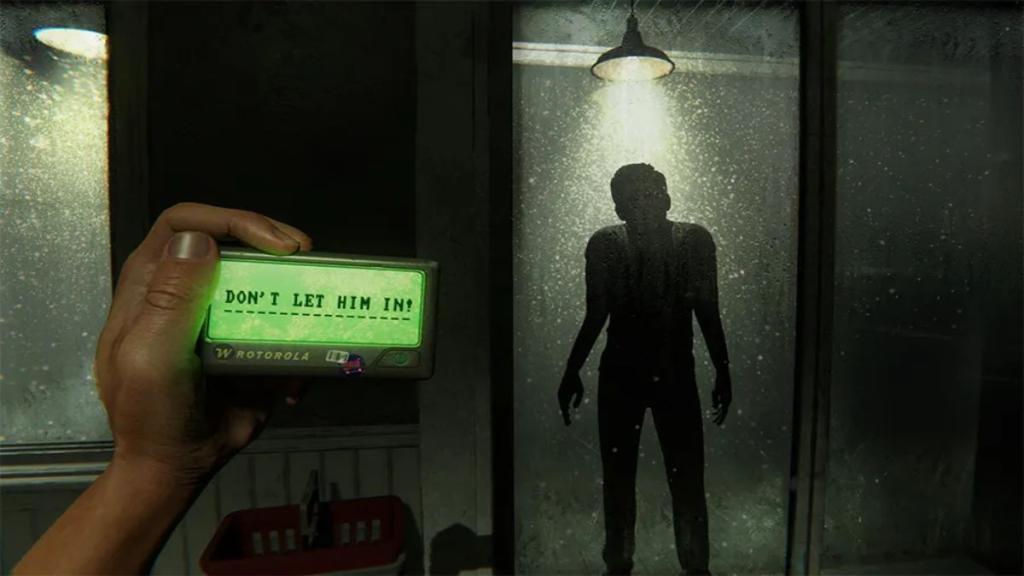
Broader Implications and Player Reception
The varied endings of HELLMART have resonated with players, sparking discussions across gaming forums and social media platforms. Many players have expressed appreciation for the game’s ability to blend mundane tasks with supernatural dread, creating a unique and engaging experience. The karma system, while initially opaque, has been a frequent topic of analysis, with players sharing strategies and insights to decipher its mechanics. The game’s success in eliciting strong emotional responses – from the triumph of achieving the best ending to the dread of the worst – is a testament to its narrative design.
The development team at GAZE IN GAMES has thus far remained relatively quiet regarding specific developer commentary on the endings, allowing players to interpret the game’s thematic elements. However, the clear thematic progression from diligent employee to cyclical prisoner to monstrous entity suggests a narrative arc exploring themes of responsibility, corruption, and the cyclical nature of despair. The game’s critical reception has been largely positive, with reviewers highlighting its innovative gameplay loop and unsettling atmosphere. As HELLMART continues to attract new players, the quest to uncover all its secrets and achieve every ending will undoubtedly remain a central focus of its growing community. The game’s success in providing replayability through its distinct endings indicates a strong understanding of player engagement in the modern gaming landscape.