

As global food prices and living costs escalate, the discretionary spending allocated to entertainment, particularly video games, faces increased scrutiny. The average cost of a new AAA title has seen a significant increase, with many now retailing for $70 USD or more, a stark contrast to previous generations. This economic pressure makes it more crucial than ever for gamers to adopt strategic approaches to manage their entertainment budgets without sacrificing their passion. This article delves into a comprehensive array of money-saving tactics, from overlooked community resources to advanced digital economy maneuvers, offering a factual and analytical guide for the modern gamer.
Leveraging Public Libraries: An Underutilized Resource
One of the most surprising yet effective methods for acquiring games at no cost is through local public libraries. While often associated with books and educational materials, a growing number of library systems across North America and beyond have expanded their collections to include video games for various platforms. For instance, the Edmonton Public Library (EPL) in Canada is cited as a prime example, providing its patrons with access to a diverse game catalog. While new releases might experience a delay of approximately a month before becoming available due to acquisition and cataloging processes, this avenue allows gamers to catch up on popular franchises such as Resident Evil and Fire Emblem without incurring any direct purchase costs. This model not only saves money but also promotes public access to digital entertainment, aligning with the broader mission of libraries to serve community needs. The availability varies by region, but a quick check of a local library’s website or a phone call can often reveal this valuable, often free, resource.
The Power of Deal-Searching Websites and Online Communities
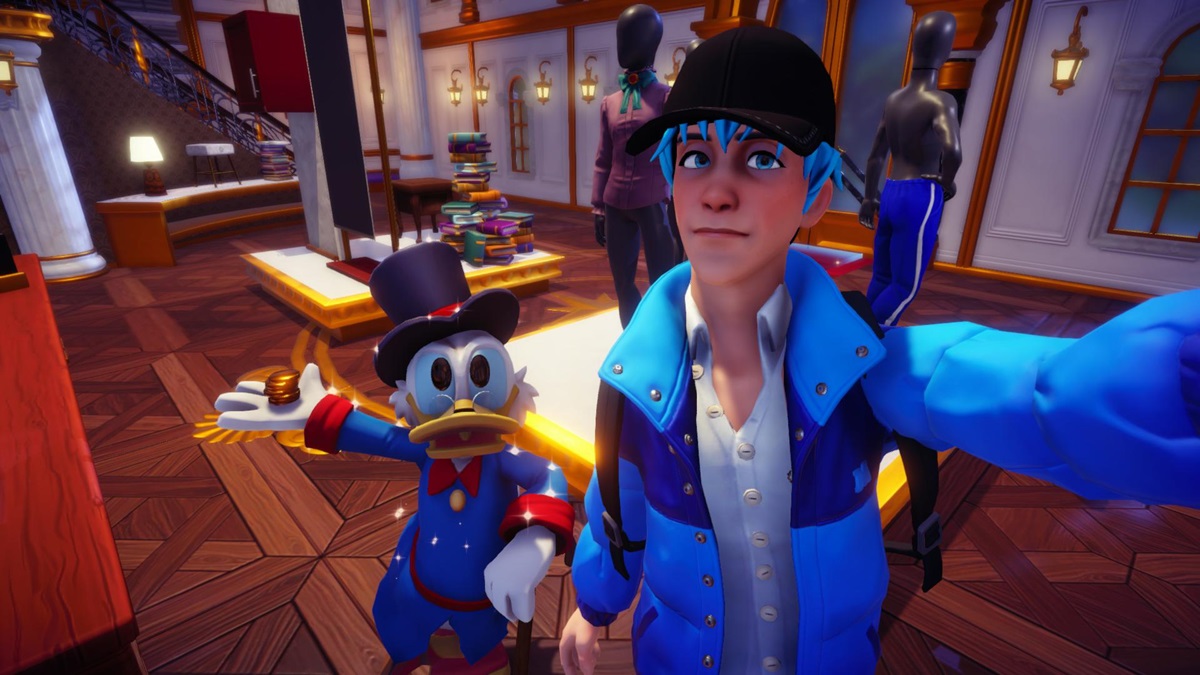
The digital age has fostered robust online ecosystems dedicated to finding and sharing video game deals. Websites such as Cheap Ass Gamer and Game Deals Canada act as aggregators, meticulously compiling sales information from various retailers and digital storefronts. These platforms become particularly invaluable during major sales events like Black Friday, Cyber Monday, and seasonal promotions, where discounts can range from modest percentages to significant price cuts of 50% or more. Beyond dedicated deal sites, social media platforms and forums, notably Reddit, host vibrant communities centered around game deals. Subreddits like r/GameDeals and r/NintendoSwitchDeals are continuously updated by a global network of users, providing real-time information on flash sales, price errors, and limited-time offers across all major platforms. This collaborative approach allows gamers to stay informed and react swiftly to fleeting opportunities, often securing titles at prices significantly below their retail value. The sheer volume of information and the collective vigilance of these communities make them indispensable tools for the budget-conscious gamer.
Navigating the Second-Hand Market: Facebook Marketplace and Beyond
The secondary market offers substantial savings, with platforms like Facebook Marketplace emerging as key hubs for buying and selling used games. This peer-to-peer exchange often bypasses the markups associated with traditional retailers, allowing for more competitive pricing. New releases, even just a few months post-launch, can be found at considerably lower prices than their new counterparts. Anecdotal evidence suggests finding recent AAA titles like Final Fantasy XVI and Armored Core VI: Fires of Rubicon for approximately $60 CAD ($45 USD) each shortly after release, illustrating the potential for significant savings. The key to success on such platforms lies in speed and negotiation, as popular titles at good prices are often snapped up quickly.
Beyond online marketplaces, traditional brick-and-mortar second-hand outlets like pawn shops and thrift stores remain viable options. Pawn shops, in particular, often stock modern console games at reduced prices, as they acquire inventory through various means. For example, a sought-after title like Mario Tennis Aces, typically expensive new, might be found for $35 CAD ($25 USD) at a pawn shop. Thrift stores, while less reliable for new releases, can be treasure troves for retro gaming enthusiasts, occasionally yielding rare and valuable titles such as the PlayStation 2 port of Harry Potter and the Sorcerer’s Stone. These physical locations require more diligent searching but can offer unique finds and substantial savings on both contemporary and classic games.
The Value Proposition of Game Bundles

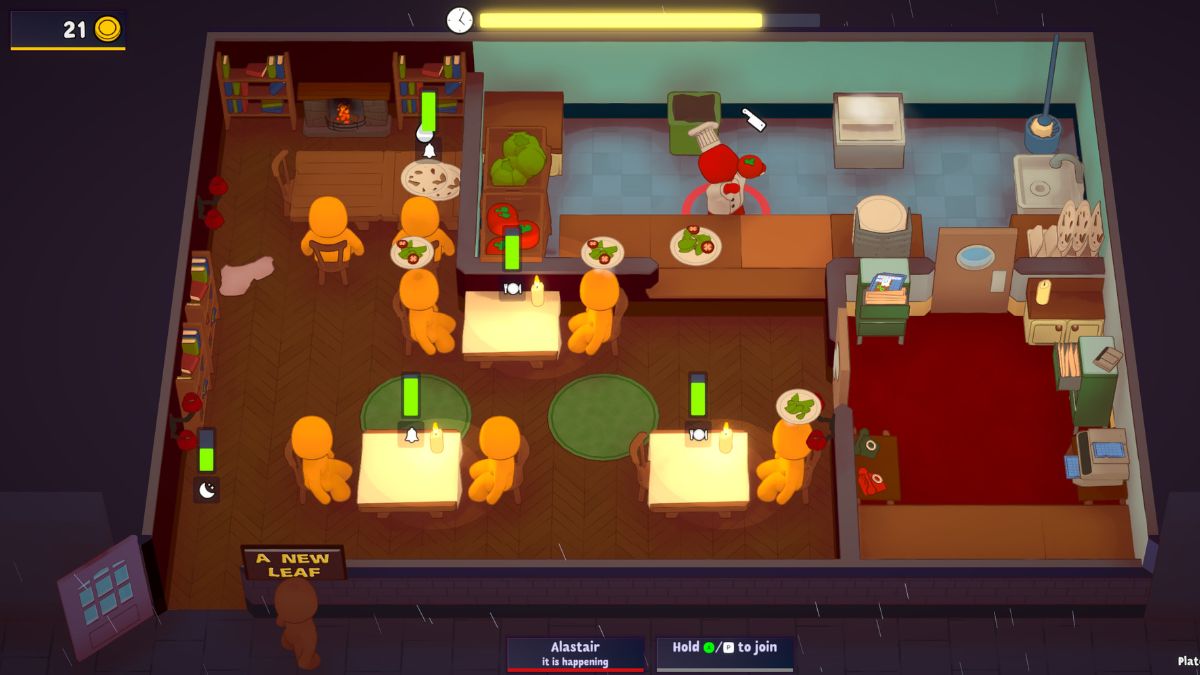
For PC gamers, game bundles have long been a cornerstone of cost-effective gaming. Retailers like Humble Bundle are renowned for curating collections of games, often centered around a theme or publisher, and offering them at deeply discounted prices. A significant aspect of Humble Bundle’s model is its charitable component, allowing buyers to allocate a portion of their purchase to various non-profit organizations. For instance, the October 2023 "Laugh Till You Die: Multiplayer Mayhem" charity bundle included seven popular titles, such as PlateUp! and Ultimate Chicken Horse, for around $10 USD. Considering PlateUp! alone typically retails for $19.99 USD, the value proposition is undeniable.
Fanatical is another prominent platform in the bundle market, offering similar deals, often with a "build your own bundle" option. This flexibility allows consumers to select specific games from a curated list, tailoring the bundle to their preferences. The "Build Your Own Play As You Go Premium Edition" bundle in October, for example, featured high-quality titles like Wolfenstein II: The New Colossus, Doom, The Walking Dead: The Telltale Series – The Final Season, and The Ascent. Purchasing three games might cost around $10, while seven could total $20, offering substantial savings compared to individual purchases. These bundles not only provide immediate entertainment but also introduce gamers to titles they might not have otherwise considered.
The Social Economy of Gaming: Borrowing from Friends
Sometimes, the simplest solutions are the most effective. Asking a friend to lend a game is perhaps the ultimate free method of trying out a title. If a friend owns Call of Duty: Modern Warfare III but is currently engrossed in Diablo IV, a polite request to borrow their copy can fulfill a temporary gaming need without any financial outlay. This method relies on mutual trust and the understanding that the game will be returned promptly and in good condition. It fosters a sense of community among gamers and provides a risk-free way to sample games before committing to a purchase, or simply to enjoy a title for its duration.
Subscription Services: The Netflix Model for Gaming
Xbox Game Pass and PlayStation Plus Extra have revolutionized game acquisition, offering extensive libraries of titles for a monthly subscription fee, typically under $20. These services provide immense value, often described as the "Netflix of gaming."
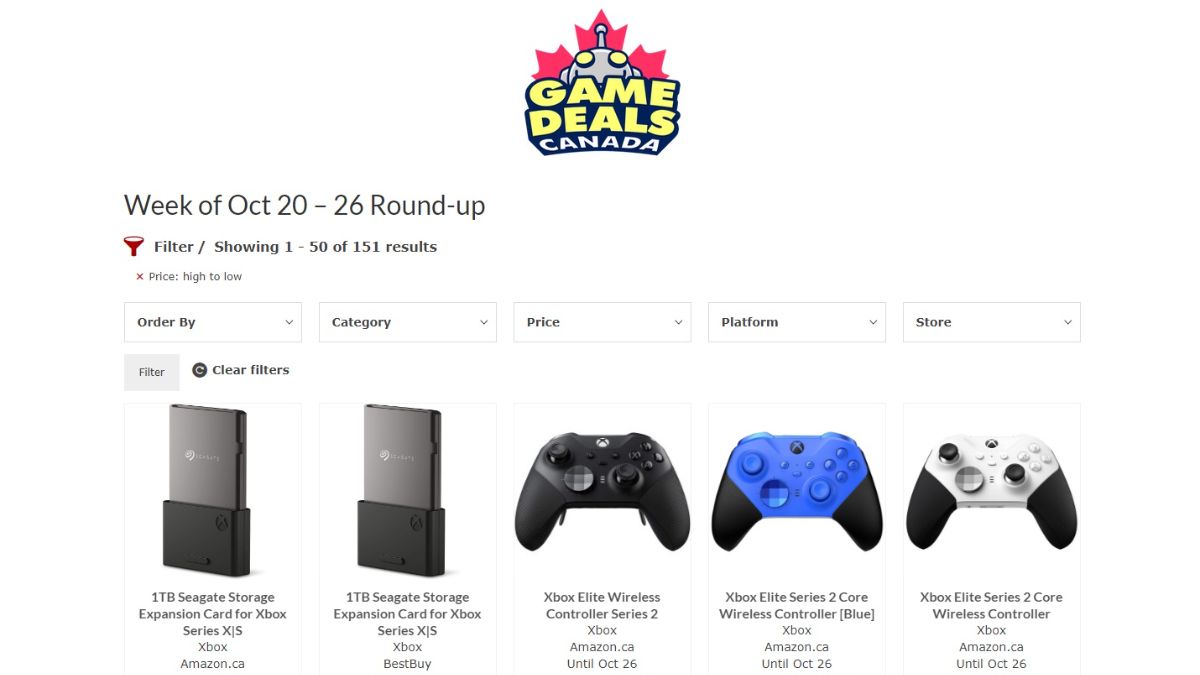
Xbox Game Pass is widely lauded for its aggressive strategy of launching new, highly anticipated games day one on the platform. Titles like Starfield and Lies of P were immediately accessible to subscribers, negating the need for a full-price purchase. The service also boasts access to entire flagship franchises such as Halo and Gears of War, alongside a diverse selection of popular titles like Disney Dreamlight Valley and critically acclaimed indies like Celeste and Inside. This model provides an unparalleled opportunity to explore a vast catalog without the commitment of individual game purchases. Microsoft’s investment in Game Pass is a clear indicator of a shift in consumer behavior towards subscription-based entertainment.
PlayStation Plus Extra, while not consistently offering day-one new releases from its first-party studios, presents an impressive suite of titles from both its own catalog and third-party publishers. Games like Ratchet & Clank: Rift Apart, Demon’s Souls (PS5), and Marvel’s Spider-Man: Miles Morales are available, allowing subscribers to catch up on acclaimed titles they may have missed. The inclusion of games like NieR Replicant further enhances its appeal, offering access to a broad range of experiences that would otherwise cost hundreds of dollars to acquire individually. Both services fundamentally alter the economics of gaming, shifting ownership to access, and significantly reducing the cost per game played for active subscribers.
Digital Reward Programs: Earning Towards Purchases
Beyond direct discounts and subscriptions, various digital reward programs offer indirect savings by accumulating points that can be redeemed for gift cards or even full games.
Microsoft’s Bing Rewards program (now integrated into Microsoft Rewards) exemplifies this. By simply using Bing as a search engine, completing short quizzes, and engaging with other Microsoft services, users can accumulate points. Over time, these points can be redeemed for Xbox gift cards, enabling free or discounted game purchases. This method, while requiring consistent engagement, can yield tangible savings, with users reporting accumulating $50 or more over extended periods. The program also offers redemption options for in-game currency in popular titles like Overwatch and League of Legends, broadening its appeal.
PlayStation Stars operates on a similar principle, rewarding PlayStation users for their engagement. Points are earned through purchases on the PlayStation Store and by completing specific tasks within the PlayStation App, such as playing games from the monthly PlayStation Plus lineup or checking out new titles. These points can then be exchanged for digital gift cards or select games like Cuphead. This loyalty program encourages continued engagement with the PlayStation ecosystem while offering monetary benefits.
Nintendo’s My Nintendo program provides "gold coins" for digital purchases on the eShop, typically yielding about $4 back for every $80 game bought. While less robust in terms of additional tasks compared to its competitors, it still provides a consistent, albeit smaller, rebate on purchases, which can accumulate over time to fund future purchases.
Strategic Shopping: Flyers, Deals Pages, and Patience
Old-fashioned methods still hold sway. Reading weekly flyers from electronics retailers or supermarkets can uncover surprising deals. While physical flyers might be less prevalent in some regions, most major retailers maintain dedicated "deals" sections on their websites. For example, Walmart’s online video game deals section might feature discounts like $10 off Yoshi’s Crafted World or $20 off The Legend of Zelda: Link’s Awakening on any given day. Regularly checking these online portals can reveal temporary price drops and promotional offers.

Patience is also a virtue in gaming. Most games, especially single-player titles, experience significant price drops within six months to a year of release. Waiting for these natural market adjustments, or for major seasonal sales events, can often save consumers 30-50% off the launch price.
Additional Savvy Gamer Strategies
- Game Demos and Free-to-Play Titles: Before committing to a purchase, utilizing available game demos can prevent buyer’s remorse. Furthermore, the burgeoning free-to-play market offers a wealth of high-quality experiences without any upfront cost, though they often include optional in-game purchases.
- Digital vs. Physical: While digital games offer convenience, physical copies often retain resale value and can be purchased used. Conversely, digital storefronts frequently host sales that physical retailers might not match. Understanding the pros and cons of each format is crucial for maximizing savings.
- Regional Pricing and VPNs (with caution): In some cases, games are priced differently across regions. While using VPNs to exploit regional pricing can lead to significant savings, it often violates terms of service and can result in account bans, so this method is generally not recommended for mainstream consumers.
- Game Trading: Websites and local communities dedicated to trading games allow players to swap titles they’ve finished for new ones, effectively refreshing their library without spending money.
Implications for Gamers and the Industry
The shift towards more cost-effective gaming strategies has profound implications. For consumers, it means greater accessibility to a wider range of games, even with rising individual game prices. It empowers gamers to be more discerning with their purchases, valuing access and experience over outright ownership in many cases.
For the gaming industry, these trends highlight the importance of diversified revenue streams. Subscription services, while potentially cannibalizing full-price sales, offer stable, recurring revenue and expand the player base for older titles. The robust second-hand market and deal-hunting culture demonstrate a strong demand for value, pushing publishers and retailers to offer competitive pricing and frequent sales. The continued growth of community-driven platforms underscores the social aspect of gaming, where shared knowledge and collective action lead to better outcomes for individual players. As economic pressures persist, these strategies will likely become standard practice, shaping the future landscape of video game consumption.