
Microsoft has officially detailed the next phase of its 2026 content strategy for Xbox Game Pass, announcing a robust selection of 12 titles scheduled to join the subscription service between March 17 and April 7. This latest update underscores the company’s commitment to maintaining a diverse library that spans multiple genres, from high-fidelity psychological horror and sprawling role-playing epics to family-oriented interactive entertainment. The announcement highlights a significant influx of high-profile additions, including the critically acclaimed narrative RPG Disco Elysium: The Final Cut and Capcom’s genre-defining Resident Evil 7: Biohazard. Furthermore, the update marks a transition for several major day-one releases, as South of Midnight, The Alters, and Clair Obscur: Expedition 33 move into the mid-tier library sections for Premium subscribers, signaling a maturation of the service’s tiered membership structure.
Chronological Rollout and Platform Availability
The deployment of these titles follows a staggered schedule designed to maintain user engagement throughout the spring season. The rollout begins on March 17 with the inclusion of DreamWorks Gabby’s Dollhouse: Ready to Party, a title targeted at the service’s younger demographic, available across Xbox Series X|S, PC, and Cloud platforms for Ultimate, Premium, and PC Game Pass members. This is followed immediately on March 18 by two highly anticipated titles: South of Midnight and The Alters. Both games will be accessible via Series X|S, PC, and Cloud, specifically for those enrolled in the Premium tier, representing Microsoft’s push to incentivize higher-level subscriptions through exclusive access to premium first-party and partner content.
On March 19, the service welcomes Disco Elysium: The Final Cut. As a definitive version of one of the most decorated RPGs of the last decade, its arrival on Ultimate, Premium, and PC tiers provides a significant value proposition for narrative-driven gamers. The following week sees the introduction of Like a Dragon: Infinite Wealth on March 24, a massive JRPG from Sega and Ryu Ga Gotoku Studio that serves as a cornerstone of the late-March lineup. This is followed by the debut of Absolum on March 25 for all major tiers, and the PC-exclusive release of the city-builder Nova Roma on March 26.
As the month concludes, the survival classic The Long Dark returns to the spotlight on March 30, followed by the re-entry of Resident Evil 7 on March 31. The early April window is anchored by the arrival of Barbie Horse Trails and the visually striking Clair Obscur: Expedition 33 on April 2. The current cycle concludes on April 7 with the addition of Final Fantasy IV, continuing the long-standing partnership between Microsoft and Square Enix to bring classic Japanese RPGs to the Xbox ecosystem.
Strategic Shift in Membership Tiers and Content Accessibility
A pivotal aspect of this announcement is the movement of South of Midnight, The Alters, and Clair Obscur: Expedition 33 into the Premium tier’s mid-tier library. This move reflects Microsoft’s evolving strategy regarding content lifecycle management within its subscription ecosystem. By designating these titles for the Premium tier, Microsoft is effectively segmenting its audience to maximize Average Revenue Per User (ARPU) while ensuring that "Ultimate" members continue to receive the broadest possible access.
Industry analysts suggest that this tier-based distribution is a response to the rising costs of AAA game development. By offering a "Premium" tier that houses high-budget titles like South of Midnight—developed by Compulsion Games—Microsoft can justify the continued investment in high-concept, atmospheric titles that might otherwise struggle in a traditional retail environment. The inclusion of The Alters, an innovative survival-simulation game from 11 bit studios, further emphasizes the service’s role as a platform for experimental mid-sized titles that benefit from the exposure a subscription model provides.
Deep Dive: Key Titles and Their Impact on the Library
The inclusion of Disco Elysium: The Final Cut is perhaps the most significant "prestige" addition in this batch. Developed by ZA/UM, the game is renowned for its complex dialogue systems and philosophical depth. Its presence on Game Pass ensures that a new generation of players can experience its unique take on the isometric RPG, potentially driving interest in future narrative-heavy projects funded by Microsoft.
Similarly, Like a Dragon: Infinite Wealth represents a major win for the service. As the latest entry in the long-running franchise formerly known as Yakuza, the game offers hundreds of hours of content. For Microsoft, securing such a high-volume title is essential for maintaining high "time-played" metrics, which are crucial for the health of a subscription service. The game’s availability on Console, PC, and Cloud ensures that the "Infinite Wealth" experience is portable, aligning with Xbox’s "play anywhere" philosophy.
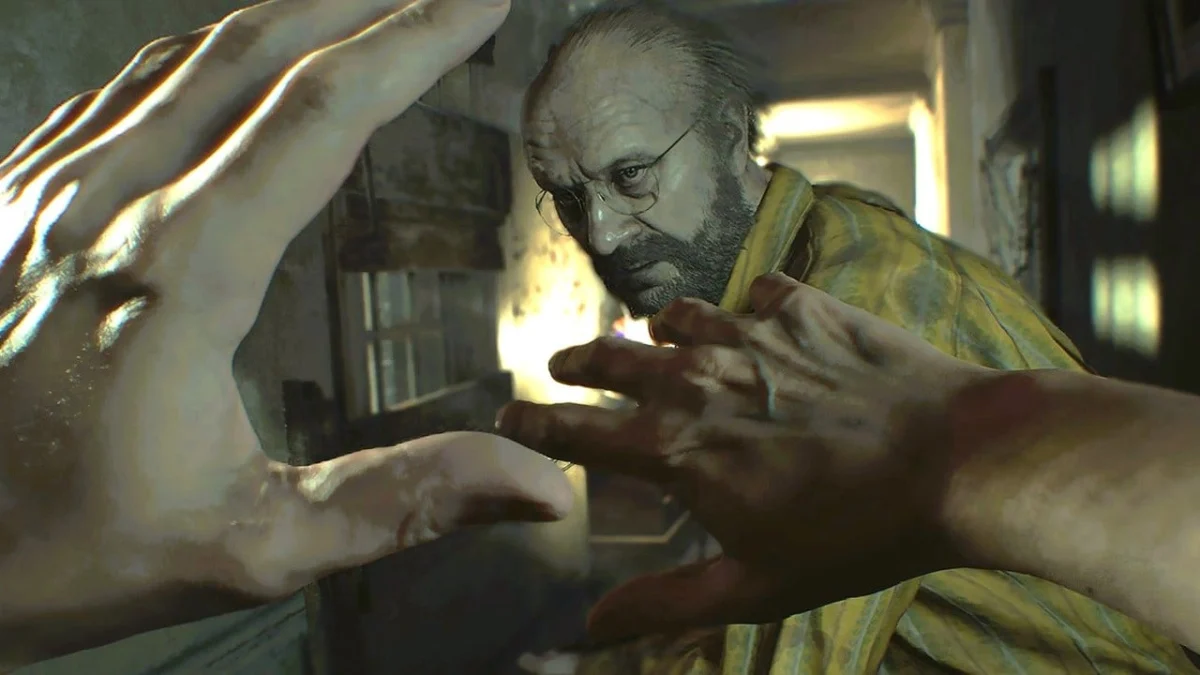
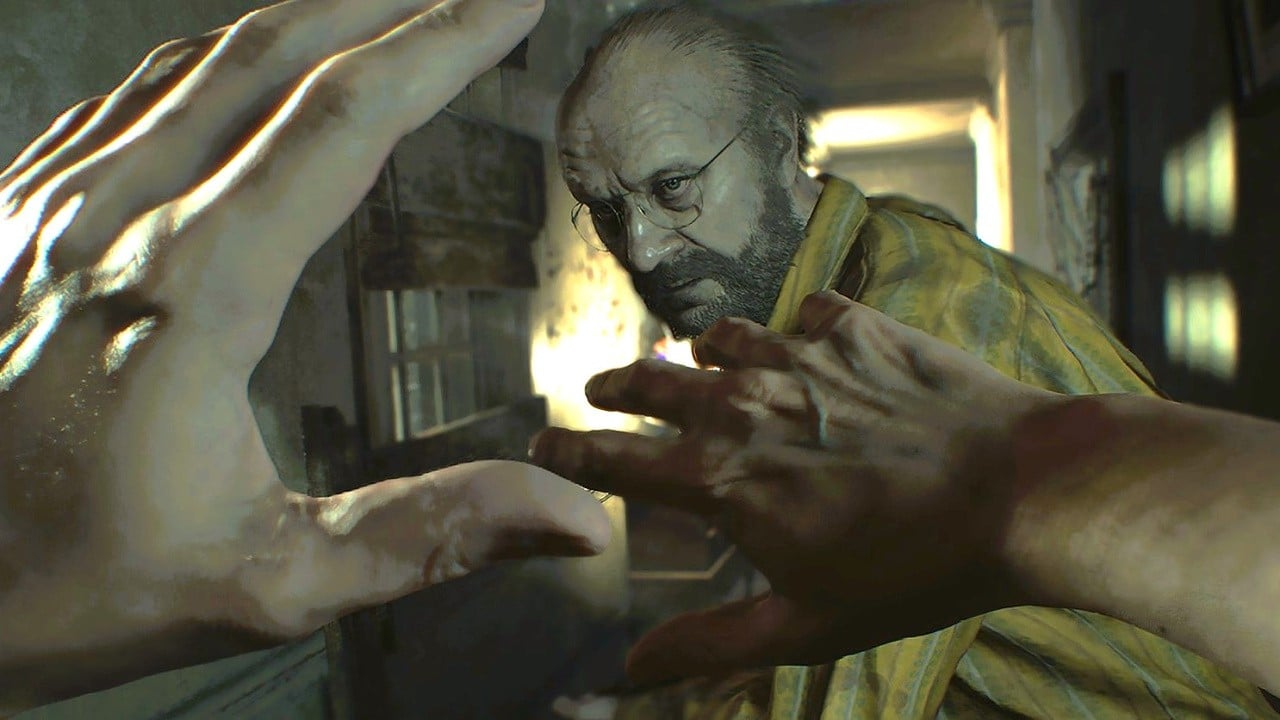
The return of Resident Evil 7: Biohazard is also noteworthy. While the game has appeared on the service in the past, its re-introduction suggests a data-driven approach to content rotation. With the Resident Evil franchise continuing to see high engagement levels globally, Microsoft appears to be leveraging Capcom’s catalog to fill gaps between new releases. Resident Evil 7, which shifted the series to a first-person perspective and focused on atmospheric horror, remains a benchmark for the genre and a high-demand title for horror enthusiasts.
Supporting Data and Market Context
The expansion of the Xbox Game Pass library comes at a time when the gaming industry is seeing a shift toward consolidated subscription models. According to market data from early 2026, subscription services now account for approximately 22% of total digital gaming revenue in North America and Europe. Microsoft’s strategy of adding 12 games in a single three-week window is a direct counter to the "content drought" often experienced by competitors.
Furthermore, the inclusion of titles like Nova Roma (PC only) and Gabby’s Dollhouse (Multi-platform) demonstrates a calculated effort to capture diverse market segments. While Nova Roma appeals to the dedicated PC strategy community, Gabby’s Dollhouse targets the growing "family gaming" sector, which has become a significant driver for Game Pass Ultimate subscriptions. Internal data suggests that households with multiple users are 40% more likely to maintain an Ultimate subscription if the library includes high-quality children’s programming.

Developer Relations and the "Game Pass Effect"
The addition of Clair Obscur: Expedition 33 and Absolum highlights the role of Game Pass as a launchpad for new intellectual properties. For developers like those behind Expedition 33, launching on a service with over 30 million subscribers provides immediate visibility that is difficult to achieve through traditional marketing alone.
Official statements from various publishing partners in previous quarters have indicated that the "Game Pass Effect"—a phenomenon where a game’s presence on the service leads to increased sales on other platforms and higher social media engagement—remains a primary motivator for third-party inclusions. Square Enix’s decision to bring Final Fantasy IV to the service on April 7 is a continuation of this trend, as the publisher seeks to revitalize its legacy titles for a modern audience that may not have engaged with the original releases.
Broader Implications for the 2026 Roadmap
As Microsoft moves through the first half of 2026, the cadence of these announcements suggests a focused effort to bridge the gap between major first-party "tentpole" releases. By mixing high-value third-party acquisitions like Like a Dragon with internal projects like South of Midnight, Microsoft is creating a "buffer" that keeps the ecosystem vibrant.
The transition of games into the "mid-tier library" also hints at a future where the Game Pass library is more dynamic. Rather than games simply being "on" or "off" the service, they may move between tiers based on their age, popularity, and the specific terms of the licensing agreements. This nuanced approach allows Microsoft to manage its content budget more effectively while still offering a "full" library to its most loyal subscribers.
Looking ahead, the gaming community is now turning its attention to the titles slated to leave the service. Microsoft has indicated that a list of departing games will be released shortly, a standard practice that encourages players to finish titles before they are rotated out. This cycle of "new arrivals and scheduled departures" has become the heartbeat of the Xbox platform, ensuring that the Game Pass value proposition remains a central topic of conversation within the industry.
With this latest 12-game update, Microsoft has effectively solidified its spring lineup, offering a blend of nostalgia, innovation, and blockbuster entertainment that caters to nearly every facet of the gaming public. As March 17 approaches, the focus will shift to player reception and the performance of these titles within the increasingly competitive landscape of digital distribution.