

In a significant and jarring wave of restructuring, Microsoft has confirmed the closure of three Xbox game development studios: Arkane Austin, Tango Gameworks, and Alpha Dog Games. Additionally, Roundhouse Studios will be absorbed by ZeniMax Online Studios, a move intended to bolster the development of existing projects. This decision, announced via an internal email from Xbox Game Studios head Matt Booty and subsequently verified by multiple outlets including IGN, marks a somber day for the gaming industry and a continuation of widespread layoffs and studio closures seen across the sector throughout the past year.
The abrupt shuttering of these studios, particularly those responsible for critically acclaimed or commercially significant titles, has sent ripples of shock and disappointment through the gaming community and among industry professionals. While specific employee numbers for these closures have not been officially disclosed by Microsoft, the news follows a period of considerable upheaval within the company, including the layoff of approximately 1,900 employees across Xbox and the recently acquired Activision Blizzard in January 2024.
A Pattern of Industry Consolidation and Cutbacks
The current landscape of the video game industry has been characterized by a notable trend of consolidation, mergers, and subsequent, often painful, workforce reductions. Companies that were once aggressively acquiring studios, such as Embracer Group, have shifted their strategy, leading to the divestment, closure, or significant downsizing of numerous development teams. This broader industry pattern underscores the volatile nature of game development and the significant financial pressures that can lead to such drastic measures, even for seemingly successful studios.
Microsoft’s recent actions, while significant, are not entirely unprecedented within its own recent history. The January 2024 layoffs at Activision Blizzard and Xbox highlighted a strategic realignment following the monumental acquisition of the Call of Duty publisher. The company’s pursuit of a $3 trillion market capitalization, a milestone it achieved earlier this year, also places it under immense scrutiny regarding profitability and operational efficiency, factors that can directly influence decisions regarding studio operations.
Chronology of Closures and Their Context
The announcement of these studio closures arrives as a stark contrast to recent positive developments and public statements regarding the very studios now being shuttered.
-
Arkane Austin: This studio, known for its critical successes with titles like Dishonored (2012) and Prey (2017), recently released Redfall in May 2023. While Redfall faced a challenging reception and critical reviews, Microsoft had previously expressed commitment to its ongoing support. In a May 2023 interview with Kinda Funny, Xbox head Phil Spencer stated, "In terms of our commitment to the game… absolutely, the team at Arkane is taking the near-term feedback. We’re still working on the 60fps update. We have a good timeline for that, we’re committed to getting that done. And we’re going to continue to work the game." Despite these assurances, Redfall will remain online but will not receive further updates. A "make-good" is reportedly being offered to players who purchased the premium DLC pass for the game.
-
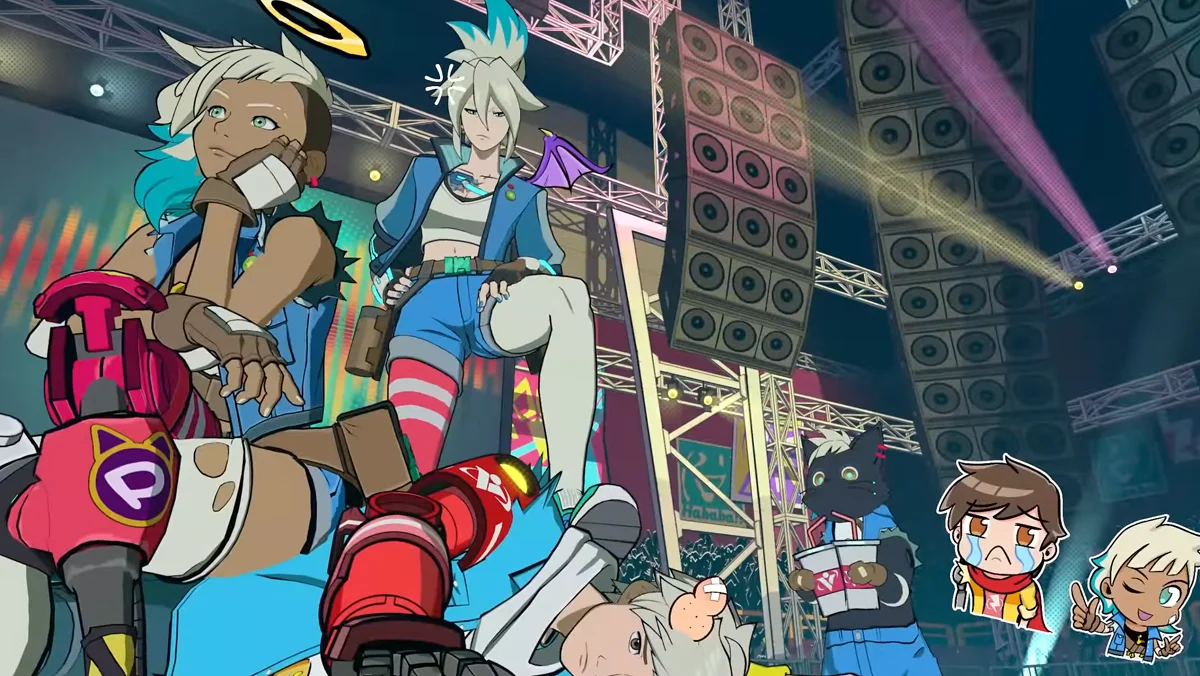
Tango Gameworks: This studio garnered significant critical acclaim and player enthusiasm with its surprise release Hi-Fi Rush in January 2023. The game was widely praised as a breath of fresh air for Xbox, receiving numerous accolades, including a BAFTA award. In February 2024, Hi-Fi Rush was announced to be launching on PlayStation 5, a move that was initially seen as a positive expansion of the game’s reach. This announcement came after Xbox’s VP of Games Marketing, Aaron Greenberg, publicly refuted reports of the game underperforming, stating, "[Hi-Fi Rush] was a break out hit for us and our players in all key measurements and expectations. We couldn’t be happier with what the team at Tango Gameworks delivered with this surprise release." The closure of Tango Gameworks, just months after this strong endorsement and expansion to a new platform, has left many stunned.
-
Alpha Dog Games: This studio was known for its mobile title Wraith: The Oblivion – Afterlife. Its closure signifies a strategic shift away from certain development avenues.
-
Roundhouse Studios: While not being entirely closed, Roundhouse Studios, which was formed from former members of ZeniMax Media’s Human Head Studios, will be integrated into ZeniMax Online Studios. This move is intended to bolster ZeniMax Online’s ongoing development efforts, likely on titles such as The Elder Scrolls Online.
Official Rationale and Industry Implications
Matt Booty’s internal communication outlined the rationale behind these closures, citing a strategic reprioritization aimed at focusing on "high-impact titles" and further investment in Bethesda’s existing portfolio of "blockbuster games and beloved worlds."
"These changes are grounded in prioritizing high-impact titles and further investing in Bethesda’s portfolio of blockbuster games and beloved worlds which you have nurtured over many decades," Booty stated in the email. "To double down on these franchises and invest to build new ones requires us to look across the business to identify the opportunities that are best positioned for success. This reprioritization of titles and resources means a few teams will be realigned to others and that some of our colleagues will be leaving us."
This statement suggests a strategic pivot towards leveraging established intellectual properties and ensuring that resources are concentrated on projects deemed to have the highest potential for commercial success. However, the implications for studio culture and employee morale are significant. The industry has seen a concerning trend of talent departure, with reports indicating that valuable expertise is leaving the gaming sector altogether. This is compounded by the fact that some layoffs have occurred following return-to-office mandates, adding a layer of perceived injustice to the situation.
Financial Context and Performance Metrics
Microsoft’s recent financial reports offer some context for the company’s strategic decisions. In its FY24 Q3 earnings report, dated April 25, 2024, Microsoft highlighted strong performance across its various divisions. Notably, Xbox content and services revenue saw a substantial increase of 62% (61% in constant currency), largely driven by the integration of Activision Blizzard. This financial growth, even amidst studio closures, raises questions about the specific metrics used to evaluate studio performance and the definition of "success" within Xbox’s broader strategy.
The gaming market itself is facing headwinds, with some outlooks indicating a flattening growth trajectory. This competitive and evolving market demands high-performing titles, but the criteria for achieving such performance, and the acceptable margins for error, appear to be increasingly narrow. The pressure on studios to deliver hit games in a crowded market is immense, and the consequences of not meeting these often opaque benchmarks can be severe.
A Human Cost to Business Decisions
The decisions made by Microsoft, while framed as strategic business imperatives, have a profound human impact. The statements from studio employees on social media express frustration and disappointment, reflecting the personal and professional toll of these closures. This situation echoes a sentiment expressed by Xbox head Phil Spencer in March 2024, when he spoke to Polygon about the ongoing layoffs in the industry: "I reflect on friends of mine in the industry that have been displaced and lost their jobs and how just, I don’t want this industry to be a place where people can’t, with confidence, build a career."
The tension between the financial "fuel" required to create games and the underlying passion and creativity that drives them is a recurring theme in industry discussions. Larian CEO Swen Vincke articulated this sentiment in a December 2023 tweet: "They don’t care that much about the money made beyond it being the fuel they need to create new and better games. It’s worth reminding everyone that fuel is but a means, not a goal. Whereto and how we journey are what matter and what we remember." This perspective underscores the potential disconnect between corporate financial objectives and the artistic and developmental heart of game creation.
As Xbox prepares for its upcoming showcase in June as part of the Summer Game Fest, the industry will be watching closely to see how these recent events are addressed. The stark reality of studio closures and widespread layoffs, juxtaposed with the celebration of upcoming game releases, highlights a critical ongoing debate within the gaming world about sustainability, ethical business practices, and the long-term well-being of the talented individuals who bring interactive entertainment to life. The question of accountability for these decisions, and the impact on the creative workforce, remains a pressing concern for the future of the industry.