
The gaming landscape is undergoing a significant economic recalibration, with Microsoft’s flagship subscription service, Xbox Game Pass, now reflecting a substantial price increase. Effective immediately, Xbox Game Pass Ultimate has seen its monthly subscription fee surge to $30, translating to an annual cost of $360. This development follows a series of price adjustments across the broader entertainment industry, impacting everything from streaming services to console hardware.
Escalating Costs in the Gaming and Entertainment Sectors
The announcement, made by Microsoft on October 1, 2025, marks a pivotal moment for consumers who have come to rely on Game Pass as a cost-effective gateway to a vast library of games. The price hike for Game Pass Ultimate represents a 50% increase from its previous $19.99 monthly rate. This adjustment places the premium tier of the service at the upper echelon of subscription costs, mirroring trends seen across other major streaming platforms.
Over the past few years, consumers have witnessed a steady rise in subscription fees for services such as Netflix, Disney Plus, Apple TV+, and other prominent entertainment providers. This pervasive inflationary pressure within the digital content sector has now extended to the gaming industry, with Microsoft’s decision being a prominent example.
Furthermore, this Game Pass price adjustment coincides with an increase in the cost of Xbox hardware. The Xbox Series X console, for instance, has recently seen its retail price ascend to $800. This dual escalation in both hardware and subscription service costs presents a considerable financial consideration for both new and existing Xbox enthusiasts.
Restructuring of Game Pass Tiers and Added Value Propositions
In conjunction with the price adjustment, Microsoft has also introduced a restructuring of its Game Pass subscription models. The previous tiers of Core, Standard, and Ultimate have been rebranded and slightly modified. The new lineup consists of:
- Essential: Replacing the former Core tier, this subscription is priced at $9.99 per month.
- Premium: This tier appears to be the successor to the previous Standard offering, with a monthly cost of $14.99.
- Ultimate: The top-tier subscription, now priced at $30 per month.
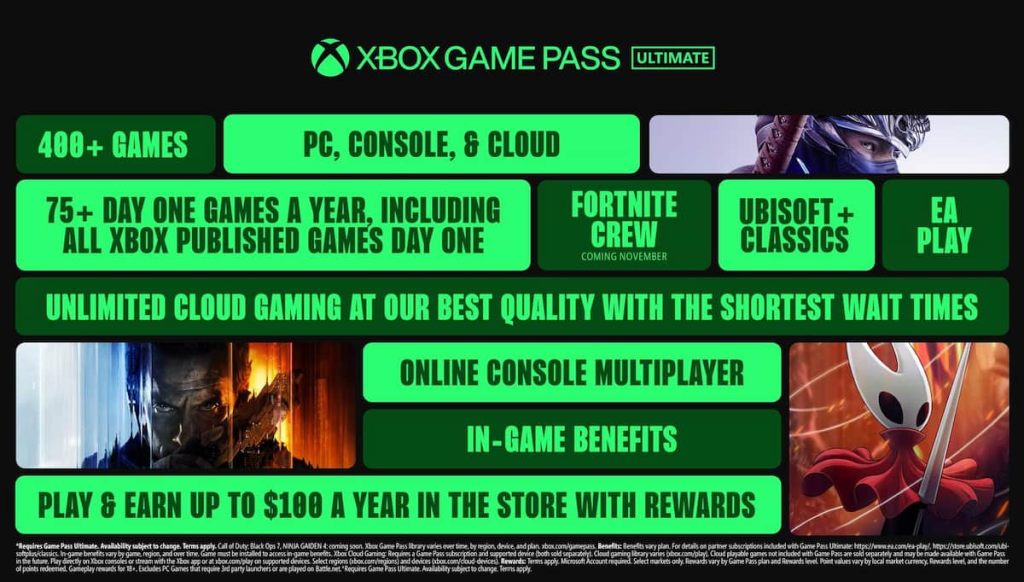
Microsoft has sought to justify the significant price jump for Game Pass Ultimate by highlighting the inclusion of new benefits. Among these are access to Fortnite Crew, a monthly subscription service for the popular battle royale game that provides in-game currency and cosmetic items, and Ubisoft+, a subscription service offering access to a large catalog of Ubisoft games, including new releases and downloadable content. These additions aim to bolster the perceived value of the Ultimate tier, presenting a more comprehensive entertainment package.
Historical Context and Consumer Sentiment
The introduction of Xbox Game Pass in 2017 was widely lauded as a revolutionary value proposition in the gaming industry. Offering access to a rotating library of hundreds of games for a low monthly fee, it was hailed as the "Netflix for games." This initial perception of unparalleled value fostered a loyal subscriber base and contributed significantly to Xbox’s ecosystem growth.
However, the service’s value proposition has been subject to ongoing debate as its library size and the frequency of new additions have evolved. Many subscribers, as evidenced by online discourse and anecdotal observations, have found themselves cycling through subscriptions based on the availability of highly anticipated titles rather than maintaining a continuous commitment. The sheer volume of games offered, while a benefit, can also be overwhelming, leading to a situation where many subscribers may not fully utilize the breadth of content available within their subscription period.
The recent price increase has amplified existing concerns among consumers regarding the long-term sustainability of Game Pass’s value. Social media platforms and gaming forums have seen a surge of reactions to the announcement. A notable example is the response to an official Xbox Game Pass post on X (formerly Twitter) attempting to frame the price change positively. The comments section reportedly reflects widespread player dissatisfaction, with many expressing their intent to cancel subscriptions or criticizing the perceived lack of proportionate value increase.
Analysis of Implications for the Gaming Market
The decision by Microsoft to significantly increase the price of Game Pass Ultimate has several potential implications for the broader gaming market:
- Shifting Subscription Models: This move could encourage other subscription services to re-evaluate their own pricing strategies. If Game Pass Ultimate’s new price point becomes a de facto benchmark for premium gaming subscriptions, competitors may follow suit, leading to a general upward trend in subscription costs across the industry.
- Consumer Choice and Purchasing Habits: The higher price may prompt a segment of the player base to reconsider their subscription habits. Some gamers might opt for a more curated approach, purchasing individual titles they wish to own outright rather than relying on access through a subscription. This could lead to a resurgence in the purchasing of physical or digital copies of games, particularly among those who prioritize long-term ownership and the ability to play games without ongoing service commitments.
- Value Perception and Brand Loyalty: While the added benefits of Fortnite Crew and Ubisoft+ aim to justify the increase, the substantial jump in price could erode some of the goodwill Game Pass has cultivated. The perception of value is intrinsically linked to price. A 50% increase, especially in an economic climate where disposable incomes are often strained, may test the loyalty of even the most dedicated subscribers.
- Impact on Game Developers: For game developers, the health and accessibility of subscription services like Game Pass are crucial. While higher subscription revenues could theoretically translate to larger payouts for developers, a significant drop in subscriber numbers due to price increases could negatively impact the volume of games available on the service. This could, in turn, influence development budgets and the types of games that are prioritized for inclusion in subscription catalogs.
- The "Dollar-a-Day" Rationale: Microsoft’s framing of the cost as approximately "a dollar a day" for Game Pass Ultimate attempts to normalize the expense. However, for many consumers, this daily breakdown may still feel substantial, especially when juxtaposed with other daily expenses. The perception of value is highly subjective and depends on individual usage patterns and financial priorities.
Looking Ahead: The Future of Game Pass and Subscription Value
The long-term success of Game Pass Ultimate at its new price point will depend on Microsoft’s ability to continuously deliver compelling content and services that align with consumer expectations. The inclusion of Fortnite Crew and Ubisoft+ is a step in this direction, but the core appeal of Game Pass has always been its extensive library of first-party and third-party titles.
As the gaming industry matures and subscription models become increasingly prevalent, the challenge for companies like Microsoft lies in striking a delicate balance between profitability and consumer affordability. The coming months will provide crucial insights into how gamers respond to this significant price adjustment and whether the perceived value of Game Pass Ultimate can withstand the evolving economic realities of the entertainment landscape. The industry will be closely watching to see if this move signals a new era of higher subscription costs for premium gaming services or if it prompts a recalibration based on consumer pushback.
Microsoft’s strategic decision reflects a broader industry trend where the cost of delivering high-quality digital entertainment is escalating. Whether this price increase will ultimately benefit the ecosystem by ensuring continued investment in game development and service infrastructure, or alienate a significant portion of its user base, remains to be seen. The narrative of Game Pass, once defined by its exceptional value, is now entering a new chapter where its pricing will be scrutinized with a heightened level of expectation.