
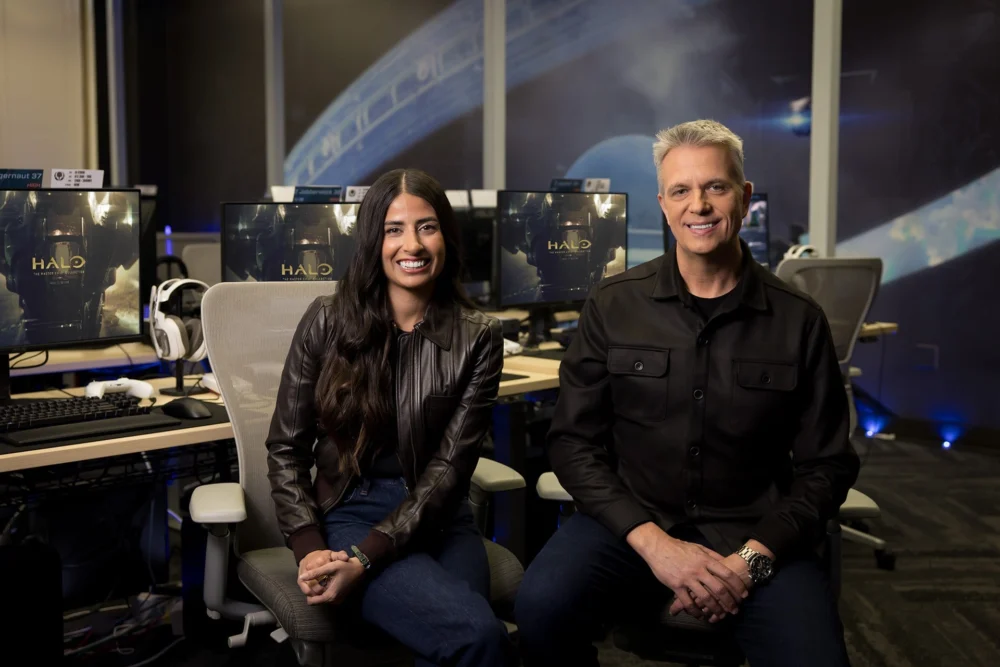
The gaming industry is abuzz with significant leadership changes at Xbox, as veteran chief Phil Spencer transitions from his role, making way for Asha Sharma, a prominent figure from Microsoft’s AI and cloud divisions. This pivotal shift, announced in early February 2026, marks the beginning of a new era for the gaming giant, prompting widespread speculation and analysis regarding the future trajectory of the Xbox brand, its content strategy, and its competitive standing in the rapidly evolving digital entertainment landscape. Sharma’s appointment, notable for her deep background in artificial intelligence and cloud computing rather than traditional game development, has immediately sparked discussions about potential major strategic adjustments, including a reevaluation of the platform’s approach to exclusive titles and broader ecosystem development.
The End of an Era: Phil Spencer’s Transformative Tenure
Phil Spencer’s nearly decade-long leadership as the head of Xbox has been widely characterized as a period of significant transformation and strategic innovation. Appointed in March 2014, Spencer took the helm during a challenging time for Xbox, with the Xbox One console struggling to gain market traction against Sony’s PlayStation 4. His tenure saw a radical redefinition of Xbox’s identity, moving beyond a console-centric approach to embrace a broader ecosystem focused on player choice, accessibility, and subscription services.
Among Spencer’s most impactful initiatives was the introduction and exponential growth of Xbox Game Pass. Launched in 2017, this subscription service, often dubbed "Netflix for games," offered a vast library of titles, including all first-party Xbox releases from day one, fundamentally altering how consumers access and play games. Under Spencer, Game Pass grew to tens of millions of subscribers, becoming a cornerstone of Xbox’s strategy and a major differentiator in the console wars. This move broadened Xbox’s appeal beyond console owners, extending to PC and cloud gaming, embodying Spencer’s vision of making games accessible to everyone, everywhere.
Another hallmark of Spencer’s leadership was an aggressive strategy of studio acquisitions, designed to bolster Xbox’s first-party content pipeline. This included the significant purchases of ZeniMax Media (parent company of Bethesda Softworks) in 2020, bringing acclaimed franchises like The Elder Scrolls, Fallout, and Doom under the Xbox umbrella. This was followed by the colossal acquisition of Activision Blizzard King in 2023, a deal valued at nearly $69 billion, which incorporated iconic intellectual properties such as Call of Duty, Warcraft, and Candy Crush. These acquisitions aimed to address long-standing criticisms regarding Xbox’s exclusive content droughts and position the platform as a formidable publisher with a diverse portfolio of beloved franchises.
Spencer also championed advancements in console technology, overseeing the successful launch of the Xbox Series X and Series S in 2020. These consoles were designed with a focus on raw power, faster loading times, and backward compatibility, reflecting a commitment to hardware innovation while maintaining a player-centric approach. His emphasis on cross-play, cross-progression, and cloud gaming through Xbox Cloud Gaming (formerly xCloud) further solidified Xbox’s platform-agnostic philosophy, seeking to meet players wherever they choose to engage with games.
Despite these significant achievements, Spencer’s era was not without its challenges. Xbox continued to lag behind PlayStation in terms of console unit sales throughout much of his leadership, and the delivery of consistently high-scoring, exclusive first-party titles sometimes struggled to keep pace with expectations, particularly prior to the full integration of acquired studios. More recently, Xbox faced scrutiny over its evolving content strategy, specifically the decision to bring several previously exclusive first-party titles to rival platforms like PlayStation and Nintendo Switch. While framed as a move to grow the Xbox brand and reach more players, this decision sparked a lively debate within the community about the long-term value proposition of Xbox hardware and the traditional concept of console exclusives. Phil Spencer’s retirement leaves behind a complex legacy of innovation, expansion, and strategic redefinition, setting the stage for his successor to navigate a dynamic and increasingly competitive industry.
A New Chapter: Introducing Asha Sharma and Her Vision
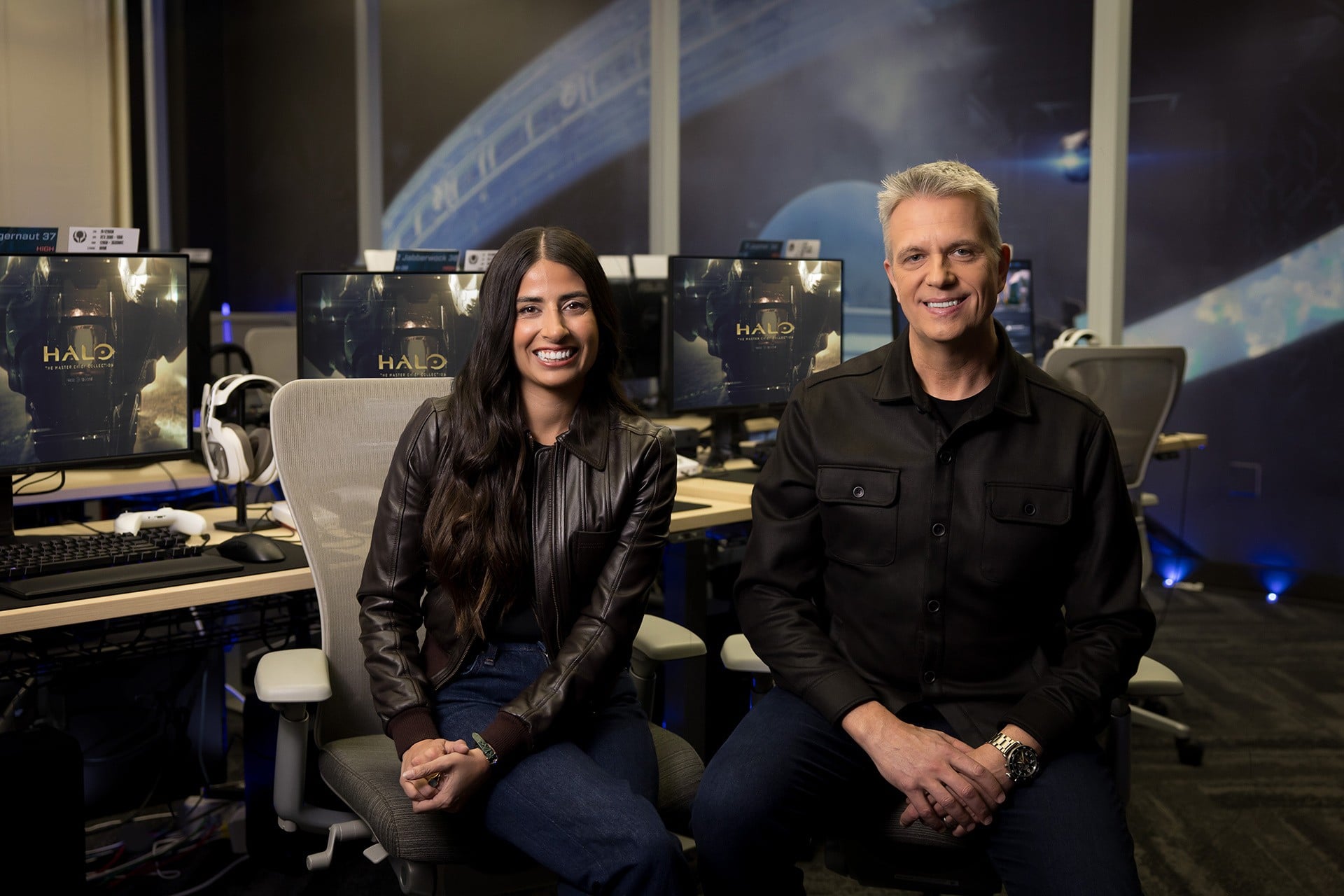
Stepping into this high-profile role is Asha Sharma, a Microsoft executive whose professional background offers a stark contrast to the traditional gaming industry leadership. Sharma’s career within Microsoft has been primarily focused on artificial intelligence, cloud computing, and engineering, rather than direct game development or publishing. Before her appointment as the head of Xbox, Sharma held senior positions, including Corporate Vice President (CVP) of Gaming Cloud and CVP of AI Platform, where she played a crucial role in shaping Microsoft’s broader technological infrastructure and AI strategy. Her expertise lies in leveraging advanced technologies to drive innovation, optimize operations, and enhance user experiences across vast digital ecosystems.
Sharma’s initial statements following her appointment have provided a glimpse into her strategic philosophy, emphasizing a data-driven approach and a willingness to critically assess existing strategies. In a recent interview, she notably stated that "the plan’s the plan until it’s not the plan," a phrase that has resonated across the gaming community. This statement underscores her intent to conduct a thorough analysis of every facet of Xbox’s current strategy, identifying areas of strength and weakness, and adapting approaches based on empirical evidence and evolving market dynamics. This methodical, analytical perspective is a hallmark of her background in engineering and AI, suggesting a leadership style that prioritizes strategic agility and continuous improvement.
One of the most immediate questions surrounding Sharma’s leadership pertains to the future of Xbox’s content strategy, particularly regarding console exclusives. The recent move to port some first-party titles to rival platforms sparked intense discussion, and Sharma’s statements suggest this strategy, like all others, will be under review. While she has not committed to an immediate reversal, her openness to re-evaluating the role of exclusives indicates a potential shift back towards leveraging exclusive content as a key driver for Xbox platform adoption, should data suggest it is the optimal path forward. Her background also points to a likely continued, if not intensified, focus on cloud gaming, AI integration within game development and platform services, and leveraging Microsoft’s vast cloud infrastructure to enhance the Xbox ecosystem.
The gaming community has reacted to Sharma’s appointment with a mix of cautious optimism and curiosity. Some view her non-gaming background as a potential disadvantage, fearing a disconnect from the passionate culture and specific nuances of the gaming world. Others, however, see it as a significant asset, arguing that a leader unburdened by traditional gaming paradigms can bring fresh perspectives, innovative solutions, and a strategic vision focused on leveraging cutting-edge technology. The early sentiment suggests a community eager to see how her analytical approach and tech-centric expertise will translate into tangible improvements and a clear direction for the Xbox brand.
Strategic Crossroads: The Future of Exclusives, Cloud, and AI
Asha Sharma’s leadership signals a potential pivot point for Xbox, particularly concerning its content strategy and technological integration. The phrase "the plan’s the plan until it’s not the plan" encapsulates a dynamic and adaptable approach to strategy, suggesting that no aspect of Xbox’s current direction is immutable. This creates a fertile ground for significant re-evaluation, especially in three critical areas: the role of exclusives, the acceleration of cloud gaming, and the deeper integration of artificial intelligence.
The debate around platform exclusives remains one of the most contentious topics in the gaming industry. Under Phil Spencer, Xbox began a cautious move towards a multiplatform strategy for certain titles, aiming to expand reach and revenue. Sharma’s review could lead to a reassertion of exclusives as a core differentiator for Xbox hardware and Game Pass, especially if internal analysis suggests that a strong lineup of unique titles is essential for ecosystem growth and competitive positioning against PlayStation and Nintendo. Alternatively, her data-driven approach might reinforce the multiplatform strategy if it proves to be a more effective way to scale the brand and acquire new players, particularly in emerging markets or through cloud-based access. Any shift here would have profound implications for console sales, Game Pass subscriptions, and the broader gaming landscape.
Cloud gaming, an area where Sharma has direct prior experience as CVP of Gaming Cloud, is poised to receive renewed focus. Xbox Cloud Gaming has already demonstrated the potential for playing high-fidelity games across various devices without dedicated hardware. Under Sharma, this initiative could see significant acceleration, with investments in infrastructure, streaming technology, and integration with Microsoft’s broader cloud services. The vision of gaming being accessible on any screen, anywhere, aligns perfectly with her cloud-centric background and could become a central pillar of Xbox’s future strategy, potentially blurring the lines between traditional console gaming and a device-agnostic experience.
Perhaps the most defining aspect of Sharma’s leadership could be the pervasive integration of artificial intelligence across the Xbox ecosystem. With her extensive background in AI platforms, she is uniquely positioned to spearhead initiatives that leverage AI in game development, player experiences, and operational efficiencies. This could manifest in several ways:
- AI-assisted game development: Streamlining content creation, enhancing procedural generation, and improving testing processes.
- Personalized player experiences: AI-driven recommendations for games, content, and social interactions within the Xbox network.
- Smarter platform services: Utilizing AI for improved matchmaking, anti-cheat systems, accessibility features, and customer support.
- Cloud infrastructure optimization: Employing AI to manage server loads, optimize data centers, and enhance the performance of cloud gaming.
These advancements could differentiate Xbox not just through content, but through a superior, more intelligent, and personalized overall gaming experience. Sharma’s expertise here offers Xbox a distinct competitive edge, aligning with Microsoft’s broader corporate strategy under CEO Satya Nadella, which heavily emphasizes AI as a transformative technology.
The synergy between Sharma’s background and Microsoft’s corporate vision is undeniable. Nadella’s leadership has consistently pushed for Microsoft to be at the forefront of cloud computing and artificial intelligence. Xbox, under Sharma, is now strategically positioned to become a flagship example of how these core technologies can be applied to and revolutionize the entertainment sector. This alignment suggests that Xbox’s future innovations will likely be deeply intertwined with Microsoft’s overarching technological advancements, making it a critical component of the company’s intelligent cloud and intelligent edge strategy.
Industry Context, Reactions, and Broader Implications
The transition at Xbox occurs within a dynamic and intensely competitive global gaming market. The industry continues its rapid expansion, driven by mobile gaming, the growth of subscription services, and the increasing convergence of entertainment and technology. Microsoft’s gaming division operates in direct competition with Sony’s PlayStation, Nintendo, PC gaming platforms, and a growing number of cloud-based services and mobile giants. Any strategic shift by Xbox, therefore, has ripple effects across the entire ecosystem.

Industry analysts have offered varied perspectives on Sharma’s appointment. Many see it as a bold move by Microsoft, signaling a commitment to leveraging its technological strengths, particularly in AI and cloud, to redefine gaming. Analysts like Piers Harding-Rolls of Ampere Analysis have often highlighted the increasing importance of subscription models and cloud infrastructure in the gaming market, areas where Sharma’s expertise could prove invaluable. Others, however, caution that success in gaming still heavily relies on compelling content and understanding player communities, areas where a non-gaming background might present a learning curve. The general consensus is that Sharma will face the dual challenge of respecting Xbox’s existing legacy while boldly innovating for the future.
The developer community, particularly those within Xbox’s first-party studios and independent partners, will be keenly watching for clarity on strategic direction. Events like the Game Developers Conference (GDC) 2026, where Microsoft has explicitly invited developers to "build for what’s next," will be critical venues for Sharma to articulate her vision and reassure partners about stability and growth opportunities. Developers will seek assurances regarding funding, creative freedom, and the long-term publishing strategy for their titles, especially concerning the platform exclusivity debate. A clear and consistent message from Xbox leadership will be essential to maintain strong relationships with the creative talent that fuels the platform.
The implications for the broader gaming landscape are significant. If Sharma successfully pivots Xbox towards an AI-enhanced, cloud-first, and potentially more exclusive-driven model, it could force rivals to accelerate their own technological integrations and content strategies. Conversely, if the shift proves challenging, it could open opportunities for competitors to gain further ground. The emphasis on AI in particular could set new industry standards for game development efficiency, player engagement, and content personalization, potentially leading to an "AI arms race" within the gaming sector.
Challenges and Opportunities Ahead
Asha Sharma steps into her role with a unique set of challenges and opportunities. On the one hand, she inherits a robust foundation built by Phil Spencer, including a strong Game Pass subscriber base, a vast portfolio of acquired studios, and a clear vision for cloud gaming. The significant investment in Activision Blizzard King, though completed under Spencer, now falls under Sharma’s purview to fully integrate and leverage for the Xbox ecosystem. This presents a massive opportunity to tap into new demographics and strengthen Xbox’s position in both console and mobile gaming.
On the other hand, she faces the immediate challenge of articulating a clear, compelling vision that resonates with both the passionate Xbox fanbase and the broader industry. Bridging the gap between her tech-centric background and the deeply cultural aspects of gaming will be crucial. She must demonstrate an understanding of what makes games compelling and how technology can serve, rather than overshadow, the artistic and entertainment value of interactive experiences. Managing community sentiment, which can swing dramatically in the gaming industry, will be a continuous task.
Further challenges include navigating the ongoing competition with formidable rivals like Sony, which continues to dominate console sales with its PlayStation brand, and Nintendo, with its unique hardware and beloved franchises. The multiplatform strategy, while potentially expanding reach, also risks diluting the perceived value of owning an Xbox console. Sharma will need to find the optimal balance between platform exclusivity, broad accessibility, and the economic realities of content creation and distribution.
The long-term opportunity for Sharma lies in redefining what a "gaming platform" can be in the age of AI and pervasive cloud computing. By seamlessly integrating these technologies, Xbox could evolve into an intelligent, adaptive, and highly personalized entertainment ecosystem that extends far beyond traditional consoles. This vision aligns with Microsoft’s broader strategic direction and could position Xbox as a leader in the next generation of interactive entertainment.
Looking Forward: A New Era for Xbox
The leadership transition from Phil Spencer to Asha Sharma marks a pivotal moment in Xbox’s history. While Spencer’s legacy of innovation and player-centric policies laid a strong foundation, Sharma’s arrival signals a fresh, analytically driven approach, deeply rooted in artificial intelligence and cloud computing. Her tenure is poised to usher in a period of strategic re-evaluation, potential shifts in content philosophy, and an accelerated integration of cutting-edge technology into every facet of the Xbox experience.
The immediate future will involve Sharma’s detailed analysis of existing strategies, including the contentious debate around exclusives, the continued expansion of Game Pass, and the ambitious push into cloud gaming. The gaming community and industry observers will be closely watching for how her technical expertise translates into tangible benefits for players and developers. While the full impact of this leadership change will unfold over months and years, the initial signals point towards an Xbox that is ready to challenge conventions, leverage Microsoft’s formidable technological prowess, and redefine its place in the global entertainment landscape. This is not just a change in leadership; it is the opening chapter of a potentially transformative new era for the Xbox brand.