

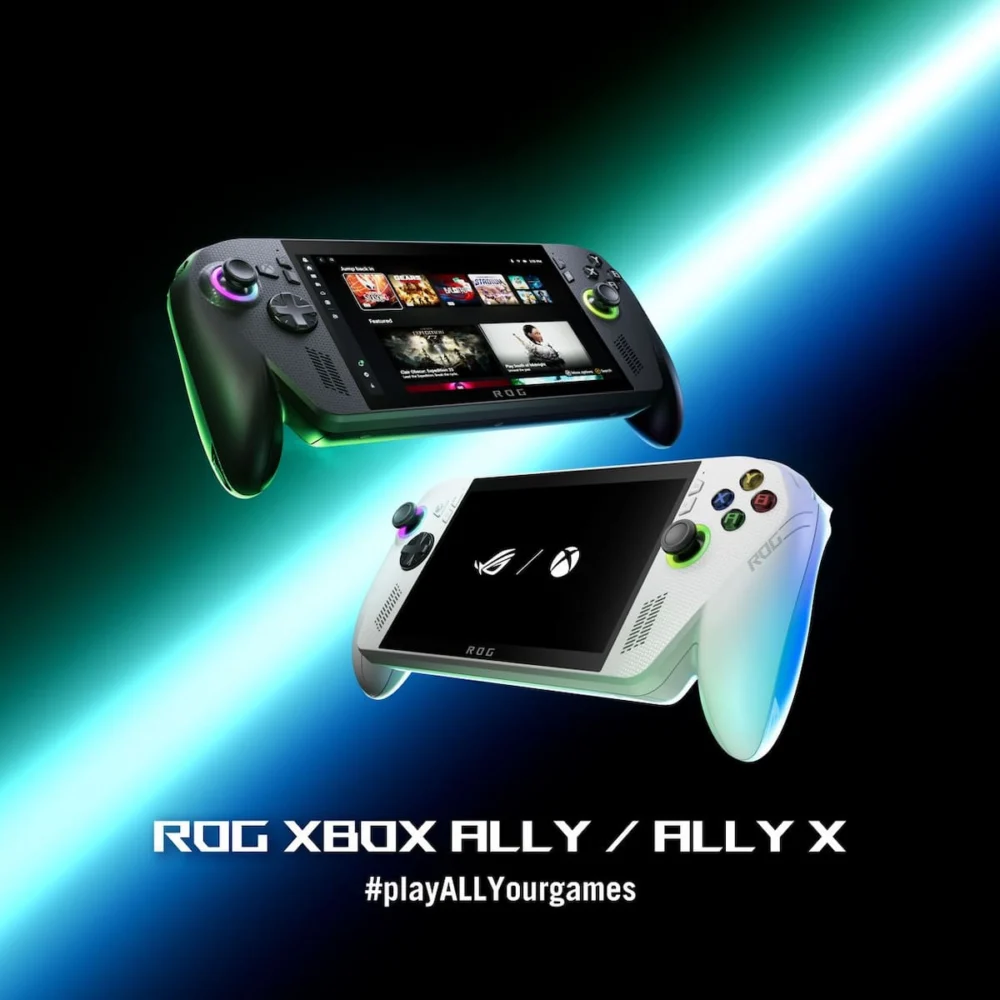
Microsoft’s ambitious strategy to extend the Xbox ecosystem into new hardware form factors has culminated in the official launch of the ASUS ROG Ally handheld gaming PC, available to consumers starting tomorrow. This partnership with ASUS, a leader in gaming hardware, introduces a potent contender into the burgeoning handheld PC gaming market. The ROG Ally arrives in two primary configurations: the standard model and the significantly upgraded ROG Ally X, with the latter drawing particular attention for its enhanced specifications and user experience. Evaluating its place in the market requires a nuanced look at potential buyers’ budgets, existing gaming hardware, and upgrade aspirations.
Genesis of the ROG Ally: A Strategic Alliance
The development and launch of the ROG Ally represent a calculated move by Microsoft to capitalize on the growing demand for portable PC gaming experiences. This initiative builds upon the success and lessons learned from existing handheld gaming devices, notably Valve’s Steam Deck and Nintendo’s Switch. The partnership with ASUS’s Republic of Gamers (ROG) brand brings a wealth of experience in designing high-performance gaming hardware, from laptops to peripherals, ensuring the ROG Ally is built with gamer-centric features and robust engineering. The decision to integrate the Xbox experience directly into a Windows-based handheld platform is a testament to Microsoft’s commitment to its PC gaming initiatives, including Xbox Game Pass.
Hands-On Impressions: Distinguishing the Models
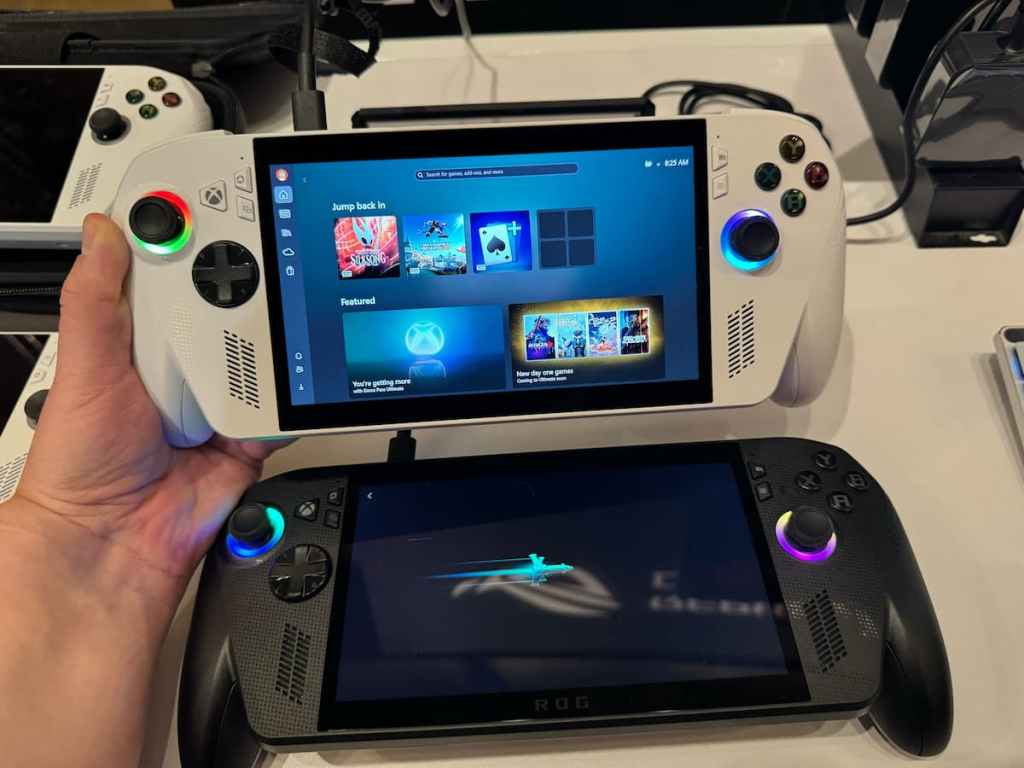
During a hands-on demonstration event held in Manhattan last week, attendees had the opportunity to experience both the base ROG Ally and the more powerful ROG Ally X. While the pricing of the ROG Ally X positions it as a premium device, initial impressions suggest its performance and ergonomic enhancements may justify the higher cost for dedicated enthusiasts. The base ROG Ally, however, remains a compelling option for those seeking an entry point into portable PC gaming, particularly for existing Xbox users.

The ROG Ally X: A Leap Forward in Performance and Ergonomics
For users accustomed to devices like the Steam Deck and the anticipated Nintendo Switch 2, the ROG Ally X emerges as a strong contender for those prioritizing a high-end PC handheld experience. Its design philosophy appears to be rooted in delivering substantial power within a remarkably lightweight chassis. The ergonomics of the ROG Ally X have been a significant point of discussion. The device features sculpted grips that closely resemble those of an Xbox controller, fostering a sense of familiarity and comfort during extended play sessions. This design choice aims to mitigate the hand fatigue often associated with prolonged gaming on other handhelds, such as the Nintendo Switch, particularly for those with larger hands or who prefer a more substantial grip.
The performance differential between the ROG Ally X and its base counterpart is notably pronounced. For Steam Deck users considering an upgrade, the jump in power offered by the Ally X is described as palpable. The base ROG Ally, in contrast, offers a performance level that is reportedly akin to the Steam Deck when running and playing games. This distinction becomes critical when pushing demanding titles. The Ally X demonstrated its capability by running games like Gears of War: Reloaded and Doom: The Dark Ages at high fidelity with exceptionally smooth frame rates.
Power Management and Battery Life: A Balancing Act
The performance of the ROG Ally is intrinsically linked to its power consumption. Users can adjust the wattage to balance graphical fidelity with battery longevity. Lowering the wattage significantly impacts visual quality and overall game performance, but it extends playtime considerably. This suggests that while the device is capable of delivering top-tier graphics, most users may opt for a more moderate setting for everyday portable play to conserve battery. For those seeking maximum performance, connecting the ROG Ally to a power source is the optimal solution. However, for gamers who are not exclusively "bed-rotting" – a colloquial term for playing games for extended periods in bed – this reliance on external power may be a less significant factor in their purchasing decision.
Target Audience and Value Proposition
The ROG Ally X is engineered to appeal to the most dedicated and discerning PC gamers. Its enhanced specifications, including a more powerful CPU, a larger battery, and increased RAM compared to the base model, contribute to its premium positioning. The base ROG Ally, on the other hand, is positioned as an accessible entry point for console gamers looking to transition into the PC handheld space. This demographic is likely to include a significant number of Xbox owners who can immediately leverage their existing Xbox libraries and Game Pass subscriptions. Physically, the two models share a similar design, with subtle differences in color and a slight weight increase for the Ally X.
The Xbox Ecosystem Integration: Familiarity Breeds Comfort
A key selling point for the ROG Ally, particularly for Xbox enthusiasts, is its seamless integration with the Xbox ecosystem. The user interface, controls, and overall navigation are designed to be immediately familiar to anyone who has used an Xbox Series X or Series S. This includes dedicated sections for Xbox Game Pass, the Xbox store, Cloud Gaming, and a library tab for managing owned games. This level of integration aims to reduce the learning curve and provide a cohesive gaming experience right out of the box.
Beyond Xbox: A Universal PC Handheld
While the Xbox integration is a significant draw, both ROG Ally models are designed to be versatile PC handhelds, supporting a wide array of PC game libraries. This includes popular platforms such as Steam, Epic Games Store, GOG, and others. This multi-platform support allows users to access and play their existing digital game collections alongside cloud-streamed titles. For PC gamers with extensive libraries across multiple launchers, the ROG Ally offers the enticing prospect of consolidating their gaming experiences onto a single portable device. This functionality, while achievable on devices like the Steam Deck through operating system installations, is a native feature of the ROG Ally, streamlining the setup process.
The Handheld Compatibility Program: Enhancing Discoverability
Microsoft and ASUS have introduced the Handheld Compatibility Program for the ROG Ally. This initiative functions similarly to Valve’s Steam Deck Verified system, providing users with clear indicators of how compatible a PC game is for the ROG Ally experience. This program aims to simplify game discovery and selection for new users entering the handheld PC gaming arena, assuring them of a smoother and more enjoyable gameplay experience.
User Interface and Operating Modes: Intuitive Control
The menu navigation and user interface on both ROG Ally models are designed for simplicity and intuitiveness. The primary control hub is the Xbox guide button, located on the top left of the device. This button accesses a sub-menu that allows users to adjust various settings, including switching between handheld and desktop control modes. Critically, it provides access to the Operating Mode setting, which directly influences the device’s power consumption and performance.

Display and Audio: A Premium Sensory Experience
The ROG Ally devices boast identical, high-quality displays. Both feature a 120Hz refresh rate, 500 nits of brightness, and AMD Variable Refresh Rate (VRR) technology, ensuring smooth and visually stunning gameplay. Complementing the display are robust speakers that deliver loud and crystal-clear audio. During the hands-on event, the speakers were noted for their clarity even in a noisy environment, contributing to an immersive gaming experience. This attention to detail in both visual and auditory output underscores ASUS’s commitment to providing a premium handheld gaming device, refined through user feedback.
Market Positioning and Considerations
The decision to invest in a $1,000 handheld gaming device is a significant one, and the ROG Ally X is clearly positioned for a niche audience of dedicated and affluent gamers. Its advanced specifications and performance capabilities offer a compelling alternative to existing handhelds, especially given that a new iteration of the Steam Deck is likely some years away.
For consumers who may not be prepared for the premium price point of the Ally X but still wish to expand their Xbox gaming horizons in a portable format, the standard ROG Ally presents a more accessible option. Its ability to run Xbox titles and Game Pass seamlessly makes it an attractive proposition for Xbox loyalists seeking greater flexibility.
Broader Implications for the Handheld Gaming Market
The introduction of the ROG Ally, particularly the more powerful Ally X model, signifies a maturing handheld PC gaming market. It pushes the boundaries of what is expected from portable devices, demanding higher performance and improved ergonomics. The partnership between Microsoft and ASUS not only offers consumers more choice but also intensifies competition, which historically drives innovation and potentially leads to more affordable and capable devices in the future. The success of the ROG Ally could further legitimize the handheld PC gaming category, encouraging more developers to optimize their games for these platforms and paving the way for future advancements in portable computing power. The integration of established PC gaming launchers alongside the Xbox ecosystem also highlights a trend towards unified gaming experiences, where players can access their entire digital library regardless of the platform.