

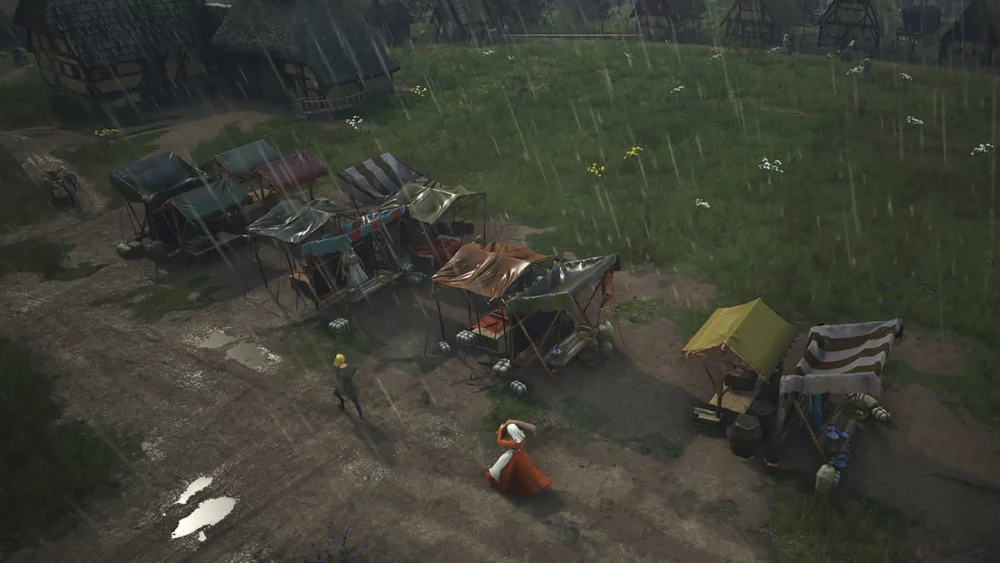
The intricate world of Manor Lords, a critically acclaimed medieval city-builder and real-time strategy game, presents players with a multitude of authentic challenges, not least among them the seemingly mundane yet crucial task of managing leftover supplies. A common observation among players, often leading to moments of frustration, involves the ubiquitous piles of resources—be it timber, hides, or other raw materials—that remain scattered across the landscape following the demolition of a structure or simply lying abandoned after a harvesting operation. These seemingly innocuous piles are more than just an aesthetic blight; they represent tangible obstacles to progress, as exposed goods are susceptible to decay from the elements, rendering them useless over time, and can impede the construction of new buildings on their location. Despite the presence of nearby storehouses and an ostensibly idle workforce of villagers, these essential supplies frequently remain stubbornly in place, a silent testament to the logistical complexities inherent in medieval town management. This guide delves into the mechanics behind these logistical puzzles and provides actionable strategies to ensure your burgeoning settlement remains efficient and tidy.
The Problem Defined: Why Exposed Goods Matter
In Manor Lords, the commitment to historical realism extends to its resource management systems. Unlike many city-builders where resources are abstracted into an inventory system, Manor Lords visually represents every log, plank, and bushel of grain. This design choice, while enhancing immersion, introduces practical challenges. When a building is torn down, its constituent materials don’t simply vanish; they reappear as piles of goods on the ground. Similarly, logging operations, hunting, and farming activities often leave resources in their wake before they can be transported to designated storage facilities.
The core issues arising from these exposed goods are multifaceted. Firstly, environmental degradation plays a significant role. Resources left out in the open are vulnerable to the whims of weather, with rain and snow causing them to deteriorate and eventually despawn, representing a tangible loss of valuable assets. This decay mechanic compels players to prioritize efficient storage to conserve their hard-earned materials. Secondly, scattered resources can physically block construction sites. Attempting to place a new building over a pile of logs or planks will often result in an error message, forcing players to wait for the area to be cleared, disrupting their construction plans and slowing down town expansion. Lastly, the visual clutter can detract from the player’s experience, as a well-organized and aesthetically pleasing settlement is a goal for many city-builder enthusiasts. The sight of abandoned resources can undermine the sense of order and prosperity a player strives to achieve.
Understanding Manor Lords‘ Logistics: A Deeper Dive
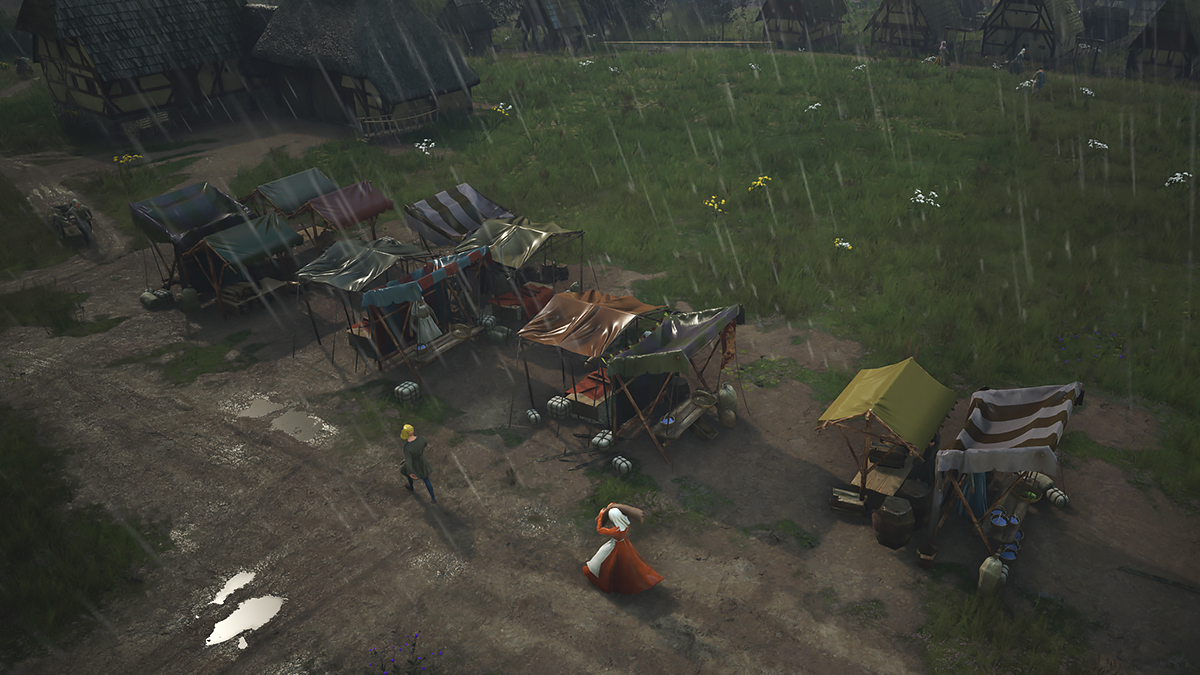
Manor Lords, developed by Slavic Magic and published by Hooded Horse, launched into early access to widespread acclaim, lauded for its blend of tactical combat, deep city-building, and intricate economic simulation. A key aspect of its realism lies in the simulation of individual villagers and their AI. Villagers are not simply numbers; they perform specific tasks based on their assigned roles and the overarching needs of the settlement. However, their decision-making process, while designed to simulate a bustling medieval economy, can sometimes appear inefficient to the player, particularly when it comes to prioritizing the collection of exposed goods.
The game’s early access status means that certain mechanics, including villager AI and logistical prioritization, are subject to ongoing refinement. Community discussions across platforms like Reddit and official forums frequently highlight these logistical challenges, indicating that many players encounter similar bottlenecks. The developers’ stated goal of creating a grounded and realistic experience means that players are expected to engage with these complexities rather than having them abstracted away. This necessitates a strategic approach to town planning and resource management from the outset.
Core Strategies for Efficient Supply Removal
When faced with an alert indicating "Exposed Goods" or simply observing unsightly piles of resources, players have several direct methods to expedite their collection and storage. The effectiveness of these methods often depends on a combination of worker assignment, infrastructure, and judicious micro-management.
1. Assigning Workers and Optimizing Storage Facilities:
The most fundamental step in addressing exposed goods is to ensure that your storage facilities—Storehouses for general goods and Granaries for food—are adequately staffed. It is a common misconception that simply having these buildings present is enough; active workers are required to manage inventory, including fetching exposed items.
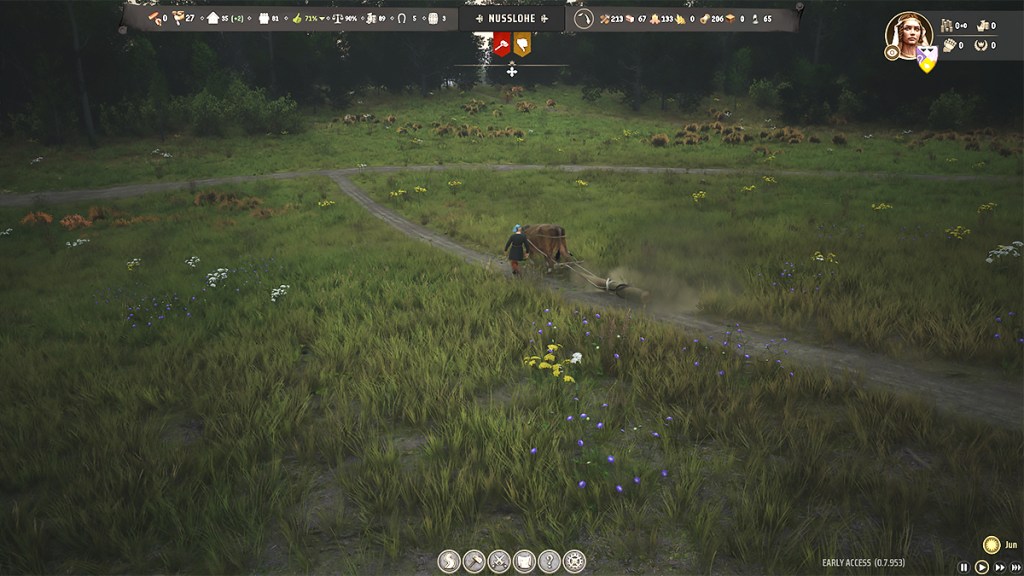
- Storehouse and Granary Workers: Assigning more villagers to these critical buildings directly increases the workforce dedicated to logistics. These workers are responsible for transporting goods from production sites (like hunting camps, farms, or sawmills) and also for collecting exposed items. While the game’s AI doesn’t always prioritize exposed goods with immediate urgency, a larger pool of dedicated logistics workers improves the chances of timely collection.
- Strategic Placement: The location of your Storehouses and Granaries is paramount. Placing them centrally, or strategically near major production hubs and demolition sites, can significantly reduce travel times for workers. A villager spending less time walking means more time spent moving goods. In the early game, a single central storage area might suffice, but as your town grows, considering multiple, smaller storage points closer to specific industries can be highly beneficial.
2. The Critical Role of Infrastructure: Roads and Oxen:
Medieval logistics, even in a simulated environment, are heavily dependent on efficient transportation infrastructure.
- Road Network: A well-planned road network is not just for aesthetics; it dramatically impacts the speed at which villagers and oxen can move resources. Roads reduce travel time and improve pathfinding efficiency. Ensure that the areas with exposed goods are connected by roads to your storage facilities. This seemingly minor detail can drastically cut down the time it takes for workers to clear a site. Without roads, villagers trudge through rough terrain, slowing down the entire process.
- Oxen and Carts: Oxen are the workhorses of Manor Lords‘ logistics. They are essential for transporting heavy resources like logs and planks in bulk. Each Logging Camp starts with an ox, and additional oxen can be purchased. Ensuring you have enough oxen distributed among your logging camps and perhaps a dedicated "Trading Post" or "Marketplace" with an ox assigned can significantly improve the throughput of heavy materials. While villagers can carry smaller quantities of goods, oxen are indispensable for large-scale movements, especially when clearing construction sites. If oxen are tied up with other tasks (like plowing fields or transporting logs from a distant forest), they won’t be available to clear exposed logs from demolition sites. Temporarily re-prioritizing ox usage can be a viable strategy.
3. Precision Logistics: Limiting Work Areas:
One of the most powerful, albeit micro-intensive, tools at a player’s disposal is the "Limit Work Area" function available for various buildings, including Storehouses, Granaries, and Logging Camps.
- How it Works: This feature allows players to define a specific geographical zone within which the workers of that particular building will operate. When activated for a Storehouse or Granary, workers assigned to that building will primarily focus on collecting resources from within the designated area, effectively forcing them to address the exposed goods in a problematic spot.
- Tactical Application: If you have a cluster of exposed goods impeding a crucial construction project, you can:
- Select the relevant Storehouse (for general goods) or Granary (for food).
- Click the "Limit Work Area" button.
- Drag and define a small area encompassing the exposed goods and a clear path to the storage building.
- Workers will then prioritize clearing this specific zone.
- Temporary Solution: It is crucial to remember that this is a temporary measure. Once the area is cleared, or the immediate crisis averted, players should unselect "Limit Work Area" (often labeled "Clear Work Area") to allow the workers to resume their normal, broader logistical duties. Failure to do so can lead to other parts of your settlement becoming neglected. This function is a prime example of the game rewarding active management over passive observation.
4. Specialized Handling: Managing Logs:
Logs represent a unique category of resource when it comes to exposed goods, as they are not stored in Storehouses or Granaries but specifically in Logging Camps.

- Logging Camp Workers and Oxen: Just like with general goods, workers assigned to Logging Camps are responsible for collecting logs. These camps also house the oxen necessary for transporting timber. If logs are accumulating after a building demolition, it’s the Logging Camp workers and their oxen who need to move them.
- Targeting Logging Camp Work Areas: Similar to Storehouses, you can use the "Limit Work Area" function on a Logging Camp. Directing loggers and their oxen to the specific spot with abandoned timber will ensure those logs are prioritized for collection. This is particularly effective if the exposed logs are far from your primary logging operation.
- Temporary Reassignment/New Camps: If a distant pile of logs is proving stubborn, consider these more drastic measures:
- Un-assigning Workers: Temporarily un-assigning workers from an existing Logging Camp can free up oxen and villagers, sometimes prompting them to pick up abandoned logs as they seek new tasks. This is a less direct method but can sometimes ‘kickstart’ the process.
- Building a Temporary Logging Camp: For particularly remote or large piles of logs, building a temporary, new Logging Camp very close to the exposed timber can be the most efficient solution. Assign a couple of workers and an ox, let them clear the area, and then demolish the temporary camp once its purpose is served. This strategy minimizes travel time and focuses resources directly on the problem.
- Remember to Clear Work Areas: Always reset the work area for Logging Camps once the logs are collected to ensure your logging operations return to their default, efficient state.
Beyond the Basics: Advanced Logistics and Town Planning
Effective resource management in Manor Lords is an ongoing process that benefits from foresight and strategic town planning.
- Phased Development: When planning large-scale demolitions or construction projects, consider doing them in phases. Clear one area completely before moving to the next, allowing your logistics network to cope with the influx of exposed materials.
- Centralized vs. Decentralized Storage: As your town expands, weigh the benefits of centralized storage (easier management, potentially more efficient for diverse goods) against decentralized storage (reduced travel times for specific industries, but more buildings to maintain). A hybrid approach often works best, with main storage hubs and smaller, specialized depots.
- Marketplace Efficiency: While not directly for raw material storage, the Marketplace plays a crucial role in distributing processed goods. An efficient internal distribution network frees up other workers to focus on raw material logistics.
- Understanding Villager Prioritization: Villagers have a hierarchy of tasks. Critical needs like farming during harvest season or producing fuel in winter will often take precedence. Understanding these seasonal demands can help players anticipate logistical bottlenecks and plan accordingly. Sometimes, exposed goods simply have to wait because more vital tasks are being performed.
- Early Access Feedback: The Manor Lords community is vibrant, and developers are actively listening to feedback. Issues related to villager AI and logistical efficiency are common topics. Players can contribute to the game’s development by reporting specific scenarios and suggestions, potentially influencing future patches and improvements to these systems.
Implications for Gameplay and Player Experience
Mastering the art of supply management in Manor Lords is more than just about keeping your town tidy; it’s fundamental to your settlement’s economic health and growth. Inefficient logistics lead to wasted resources, stalled construction projects, and ultimately, a slower rate of expansion. Conversely, a well-oiled logistical machine ensures a steady flow of materials, rapid development, and a more resilient economy.
The occasional frustration caused by seemingly idle villagers ignoring critical tasks is part of the game’s design, challenging players to think like a medieval lord, not just a modern city planner. It forces a deeper engagement with the game’s simulation layer, rewarding players who understand the nuances of their villagers’ AI and the importance of infrastructure.
By employing these strategies—from ensuring adequate staffing and building robust road networks to tactically limiting work areas and managing specialized resources like logs—players can overcome the logistical hurdles presented by exposed goods. A few quick clicks and some thoughtful micromanagement can transform a cluttered construction site into a clear, ready-to-build plot, ensuring your medieval manor thrives and expands without unnecessary delays. This nuanced approach to resource management is a core aspect of the Manor Lords experience, distinguishing it as a demanding yet deeply rewarding simulation.