

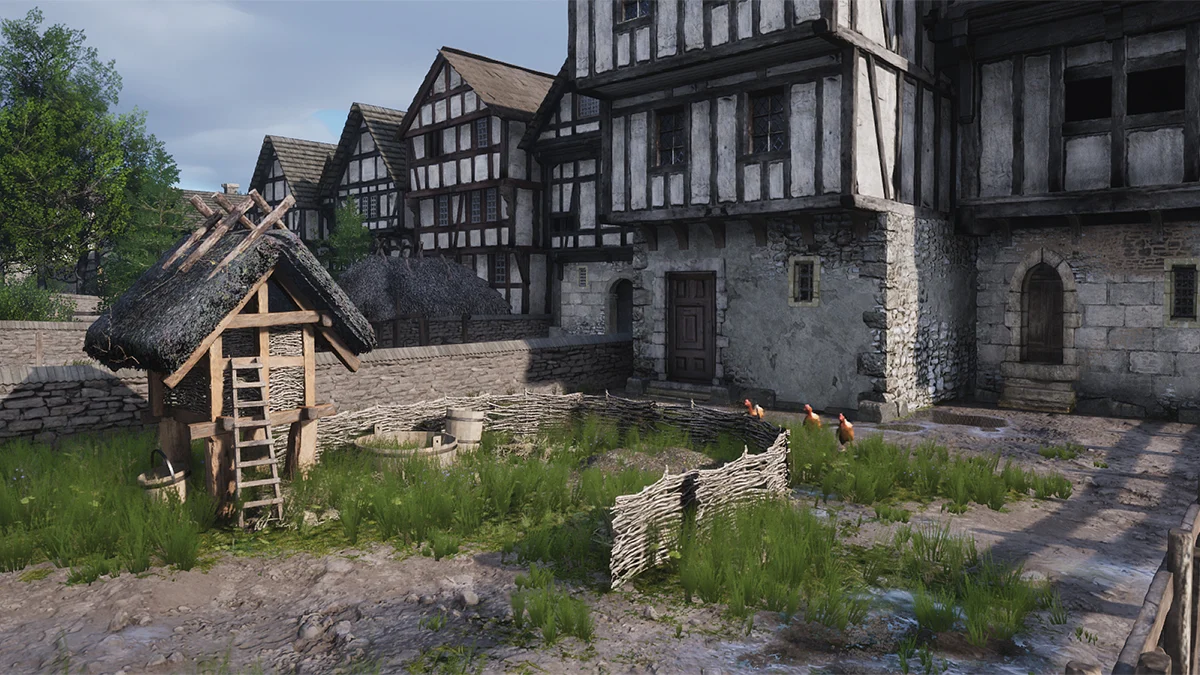
Upon embarking on the journey of medieval settlement building in Manor Lords, players are quickly confronted with the fundamental challenge of population management. Beginning with a modest five families, the initial phase of village development starkly underscores the immediate and continuous need for a growing populace. Unlike many city-builders that offer rapid population influx, Manor Lords presents a more organic, intricate system for attracting new residents, a process that is not immediately intuitive but is absolutely critical for long-term prosperity and expansion. Understanding the underlying mechanics and strategic imperatives for population growth is paramount for transforming a fledgling encampment into a thriving medieval town.
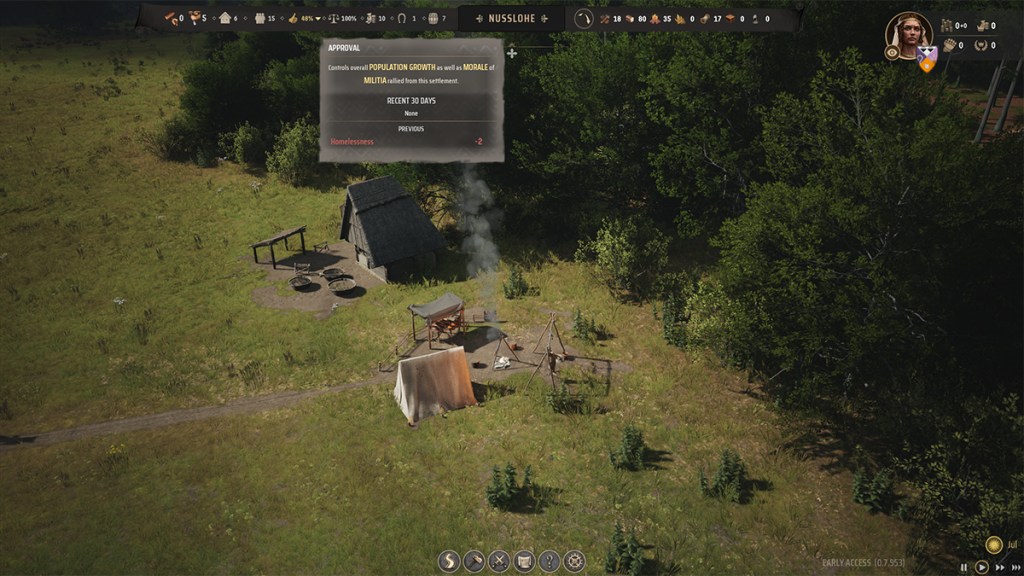
The core mechanics governing population expansion in Manor Lords are intrinsically linked to two pivotal elements: Approval and Living Space. These two factors operate in tandem, forming the bedrock upon which any successful village growth strategy must be built. Players can monitor their settlement’s Approval rating via a dedicated bar prominently displayed at the top-left of the user interface. This visual indicator serves as a crucial barometer of the villagers’ overall contentment and the attractiveness of the settlement to prospective new families. A minimum Approval threshold of 50% is required before any new families will consider relocating to the village, at which point a steady influx of one new family per month can be expected. Elevating this Approval rating further, to 75% or higher, accelerates the growth rate, attracting two new families monthly. Conversely, a precipitous drop in Approval below 25% signals deep dissatisfaction, prompting existing villagers to abandon the settlement in search of more hospitable conditions, leading to detrimental population decline. This dynamic system ensures that player focus remains constantly on the well-being and satisfaction of their inhabitants.
The Pillars of Contentment: Boosting Approval in the Early Game
In the nascent stages of a Manor Lords playthrough, the most accessible and impactful methods for enhancing village Approval revolve around fulfilling basic human needs: ensuring a diverse food supply and providing adequate shelter. The immediate construction of a Hunting Camp and a Forager Hut addresses the critical requirement for food variety. While basic berries and hunted meat might seem simple, their availability and consistent supply are foundational for preventing early-game dissatisfaction. Simultaneously, the provision of sufficient housing is non-negotiable. Burgage Plots, the game’s primary residential structures, are the answer to this need. Building these plots not only houses existing families but also creates vacant living spaces, which are a prerequisite for new families to settle.
As the village progresses, the demands for maintaining high Approval become more sophisticated. Burgage Plots themselves are tiered, featuring three distinct levels, each with progressively more stringent amenity and market supply requirements that, once met, significantly contribute to overall Approval. For instance, upgrading Burgage Plots to Level 1 necessitates the proximity of a Well for clean water access and a Church for spiritual well-being. These amenities are not merely cosmetic additions; they are vital components of village life that directly influence the happiness and stability of the population. Furthermore, the persistent issue of homelessness carries a severe negative impact on Approval. To proactively mitigate this, a prudent strategy involves constructing more Burgage Plots than are immediately occupied, ensuring that every new family arriving in the village has a designated home awaiting them. This foresight prevents potential dips in Approval caused by housing shortages and fosters a sense of security among the populace.
Strategic Expansion: Mid-Game Dynamics and Advanced Amenities
Moving beyond the initial foundational stages, sustaining population growth in Manor Lords necessitates a more comprehensive approach to village development and resource management. As families arrive and the workforce expands, the opportunities for specialization and economic diversification multiply, yet so do the villagers’ expectations.
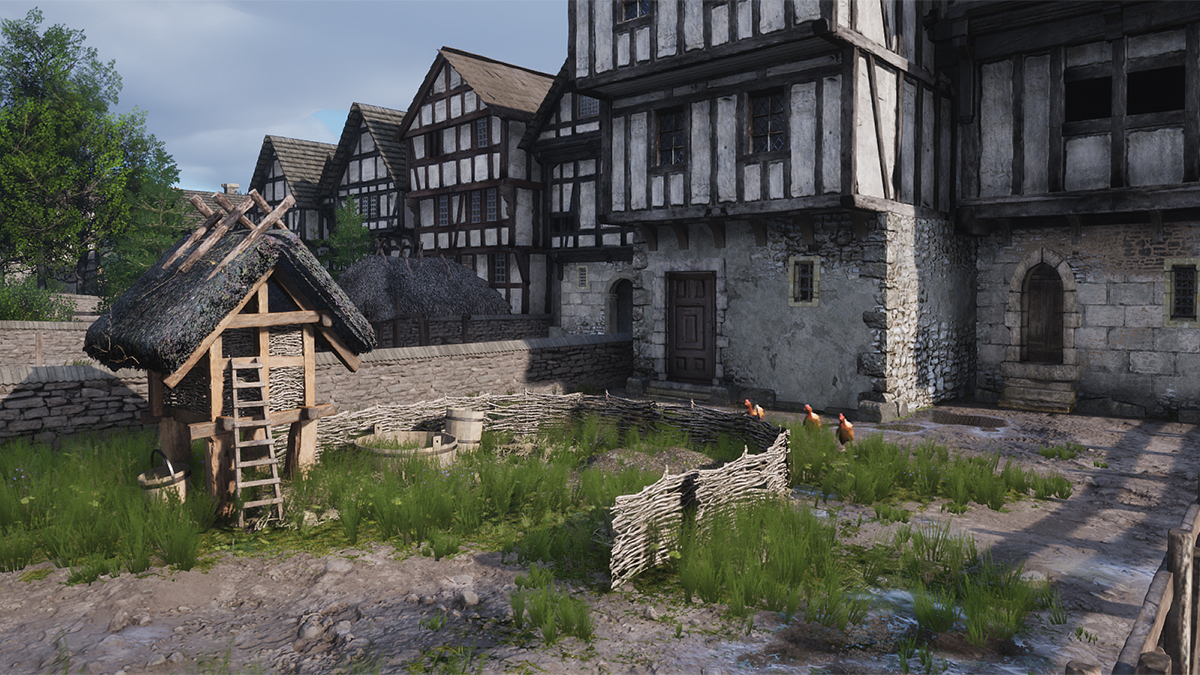
Upgrading Burgage Plots to Level 2 and Level 3 introduces a new layer of complexity. Level 2 plots, for example, typically demand access to a general goods market stall and a broader range of amenities such as a Tavern, which requires the production and supply of Ale. Ale production, in itself, is a multi-step process involving farming barley, malting, and brewing, showcasing the interconnectedness of the game’s systems. These higher-tier plots also unlock backyard extensions, allowing families to engage in small-scale production like chicken farming, vegetable gardening, or crafting various goods (e.g., shoes, clothes, tools). These backyard industries not only contribute to the village’s economy and self-sufficiency but also directly improve the living standards of the families, further boosting Approval.
Market access is another critical component of mid-game Approval management. Villagers need consistent access to diverse goods – not just food, but also fuel (firewood, charcoal), clothing, shoes, and tools. Establishing a thriving Marketplace with various stalls ensures that these needs are met efficiently. A lack of specific goods, even if other needs are satisfied, can cause a noticeable dip in Approval, underscoring the importance of a balanced production chain. Investing in specialized production buildings like Weaver’s Cottages, Tannery, Smithy, and Sawmills, and ensuring their output reaches the market, becomes paramount.
Furthermore, public order and security begin to play a role. While less pronounced in the very early game, a growing population can lead to minor incidents if not managed, potentially affecting Approval. The long-term plan for a stable, growing village must therefore encompass not just economic prosperity but also social well-being and safety.
Factors Contributing to Dissatisfaction: The Risk of Emigration
Maintaining high Approval is an ongoing challenge, as numerous factors can erode villager satisfaction. Beyond the obvious issues of starvation and homelessness, a lack of fuel during harsh winters can lead to widespread illness and discontent. High tax rates, while a source of regional wealth, must be carefully balanced against villager happiness; excessively burdensome taxation will inevitably lead to a decline in Approval. A scarcity of diverse goods in the market, whether food, clothing, or tools, also negatively impacts the population’s morale. Even seemingly minor inconveniences, like a lack of variety in food options over an extended period, can gradually chip away at Approval.
When Approval consistently drops below the critical 25% threshold, the implications are severe. Villagers, no longer content with their living conditions, will begin to pack up their belongings and leave the settlement. This emigration not only reduces the available workforce but also creates a vicious cycle: fewer hands mean less production, which in turn leads to further shortages, lower Approval, and more departures. Recovering from a significant wave of emigration can be an arduous task, often requiring substantial investment and strategic course correction to stabilize the remaining population and re-attract new families. This mechanic reinforces the game’s emphasis on sustainable growth and proactive management rather than reactive crisis intervention.
Developer Intent and Player Experience: An Organic Growth Model
The design philosophy underpinning population growth in Manor Lords, as conveyed through its gameplay mechanics and developer communications, emphasizes an organic, historically grounded progression rather than an accelerated, abstract system. Slavic Magic, the solo developer, supported by publisher Hooded Horse, has crafted a game that prioritizes a sense of realism and a deliberate pace. This approach means that population growth is not a simple numerical increase but a reflection of the player’s ability to create a genuinely habitable and desirable medieval community.
The challenging early game, where every family member’s contribution is vital and resources are scarce, is intentional. It forces players to make critical strategic decisions from the outset, prioritizing basic needs before pursuing grander ambitions. This design fosters a deeper connection to the simulated villagers, as their struggles and successes directly reflect the player’s governance. The early access phase of Manor Lords has allowed for continuous feedback from the player community, which helps refine these mechanics, ensuring a balance between challenging realism and enjoyable gameplay. The developers have indicated a commitment to providing a rich, immersive experience where the player’s choices have tangible and lasting consequences on their nascent medieval realm.
Broader Implications: Population as the Engine of a Medieval Realm
The strategic management of population in Manor Lords extends far beyond merely filling houses; it is the fundamental engine driving every facet of the medieval realm.
Economic Prosperity and Specialization: A growing population directly translates to an expanded workforce, enabling the specialization necessary for a complex economy. With more families, players can staff a wider array of production buildings – from logging camps and sawmills to farms, bakeries, tanneries, and smithies. This specialization allows for the creation of higher-value goods, which can be consumed internally to boost Approval or traded with neighboring regions to generate regional wealth. A larger workforce also means more hands available for resource extraction, allowing for the establishment of mines for iron and clay, essential for advanced construction and crafting. Without a sufficient population, the village remains stuck in a rudimentary subsistence economy, unable to unlock its full economic potential.
Military Strength and Territorial Control: Beyond economic considerations, population is intrinsically linked to military capability. Each family unit can contribute able-bodied men to the militia, the game’s primary military force. A larger population directly translates to a larger potential fighting force, which is crucial for defending the settlement from bandit raids, rival lords, and for asserting territorial claims. Expanding the village’s influence and securing valuable resource nodes often requires military intervention, making a robust and growing population an indirect but vital component of any successful territorial expansion strategy. The ability to field a strong militia provides security, deters aggression, and allows players to engage in the broader strategic map gameplay.
The Interplay of Systems: A Holistic Approach: Ultimately, the population growth mechanics in Manor Lords exemplify the game’s holistic design philosophy. Approval and Living Space are not isolated systems but are deeply intertwined with resource management, trade, infrastructure development, and even military strategy. A player cannot simply build houses and expect growth; they must simultaneously ensure a stable food supply, diverse goods, adequate amenities, and a general sense of well-being. This interconnectedness creates a dynamic and challenging simulation, where every decision has ripple effects across the entire settlement. Successfully navigating these interdependencies to foster a thriving, growing population is the hallmark of a skilled Manor Lords player, laying the foundation for a prosperous and influential medieval domain.
In conclusion, the initial hurdle of attracting new families in Manor Lords quickly evolves into a sophisticated dance of resource management, strategic planning, and meticulous attention to villager needs. From providing basic sustenance and shelter in the early game to offering a rich array of amenities and diverse goods in later stages, every decision contributes to the delicate balance of Approval that dictates population growth. Understanding and mastering these mechanics is not merely a task but the very essence of building a successful medieval settlement, transforming a handful of families into the beating heart of a burgeoning realm.