


The recent launch of Bungie’s Marathon has introduced players to a reimagined extraction shooter environment characterized by its high-stakes gameplay, neon-soaked aesthetic, and a narrative delivery system that relies heavily on environmental storytelling and cryptic mission objectives. Among the initial challenges facing new "Runners"—the player characters within the game’s lore—is the quest titled "Introduction to Traxus." This mission serves as a critical gateway into the influence of Traxus Global, an entity described within the game’s database as the "unequivocal leader in industry," yet the path to completion is marked by ambiguous terminology and formidable combat encounters that have prompted the need for detailed tactical analysis.

The "Introduction to Traxus" mission requires players to navigate the Dire Marsh, a region known for its dense atmospheric interference and heavy United Earth Space Council (UESC) presence. The objective is three-fold: locate and activate a specific terminal to summon a UESC Commander, neutralize the high-value target to retrieve a shipping manifest, and perform a diagnostic scan on nearby cargo containers. Unlike many other extraction-based objectives, this specific questline permits completion regardless of whether the player successfully reaches an extraction point, a design choice that underscores the importance of data acquisition over physical survival in the game’s early progression.
Strategic Geography of the Dire Marsh
The mission is centered within the Dire Marsh, a map characterized by its verticality and industrial decay. Intelligence gathered from successful deployments indicates that the quest can be initiated at three distinct tactical sectors: the Complex, the Intersection, and the Bio-research facility. While the terminal locations differ, the mechanical requirements for the mission remain consistent across all three sites.

Sector 1: The Complex
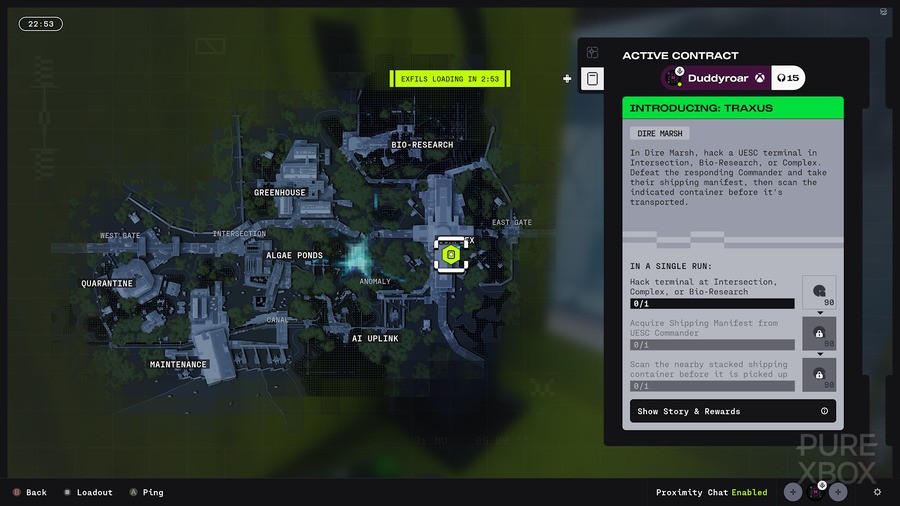
The Complex is situated in a high-traffic area of the Dire Marsh, making it a high-risk zone for solo Runners. The terminal required for the Traxus mission is located on the southeastern perimeter of the map. Tactical reconnaissance identifies the terminal on a raised, industrial walkway. This elevated position provides a line of sight on approaching hostile units but leaves the Runner vulnerable to long-range fire from the surrounding marshlands.
Upon reaching the southeastern walkway, players must locate the interface console, which is identifiable by the Traxus Global branding. Activating this terminal triggers the arrival of UESC reinforcements, including the primary target.
Sector 2: The Intersection
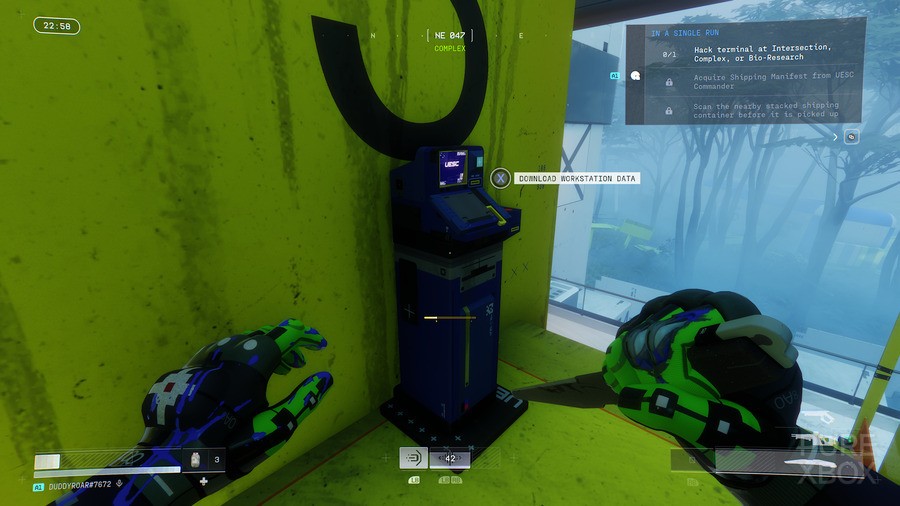
The Intersection serves as a central hub for movement across the Dire Marsh, often resulting in multi-team skirmishes. For Runners opting to complete the mission here, the terminal is housed within the primary structure of the sector. Specifically, the console is located on the upper floor of the main building.
The interior nature of this terminal offers more cover from external snipers but presents a higher risk of close-quarters combat. The architecture of the Intersection allows for quick repositioning, which is vital during the subsequent boss encounter.

Sector 3: Bio-Research
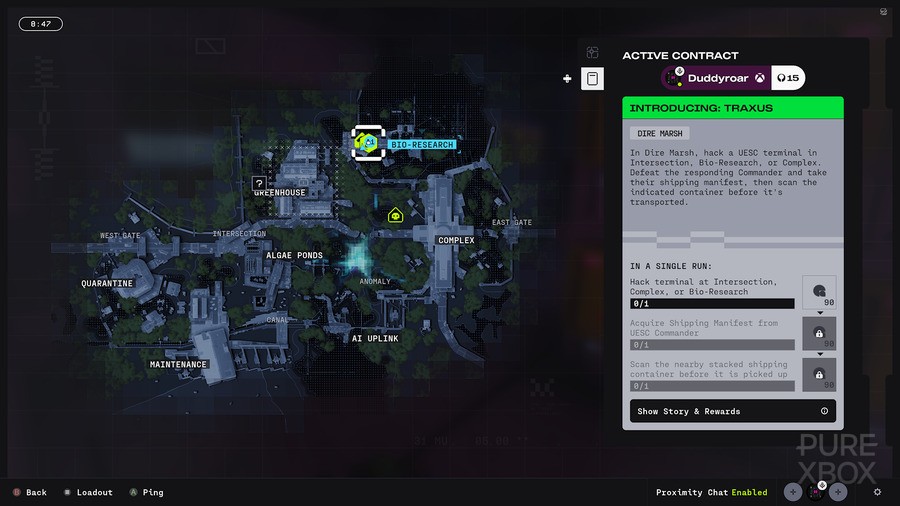
The Bio-research facility is located on the periphery of the main industrial zones and is characterized by its claustrophobic corridors and experimental vats. The terminal in this sector is positioned on the ground floor of the primary research building, situated near a heavy-duty blast door.
This location is often favored by players seeking a more controlled environment, as the interior walls limit the angles from which the UESC Commander can engage. However, the proximity to the door requires constant vigilance against roaming AI patrols that frequently transit the area.
Combat Analysis: The UESC Commander
The centerpiece of the "Introduction to Traxus" mission is the engagement with a UESC Commander. This unit represents a significant leap in difficulty compared to the standard UESC infantry encountered in the marsh. Tactical data confirms that the Commander is equipped with advanced kinetic shielding, visually represented by a purple energy hue.
These shields are highly resistant to standard ballistic fire, necessitating the use of specialized ammunition or sustained concentrated fire. Analysis of the encounter suggests that the Commander possesses a high health pool and aggressive AI behavior, often utilizing suppression tactics to pin Runners behind cover.
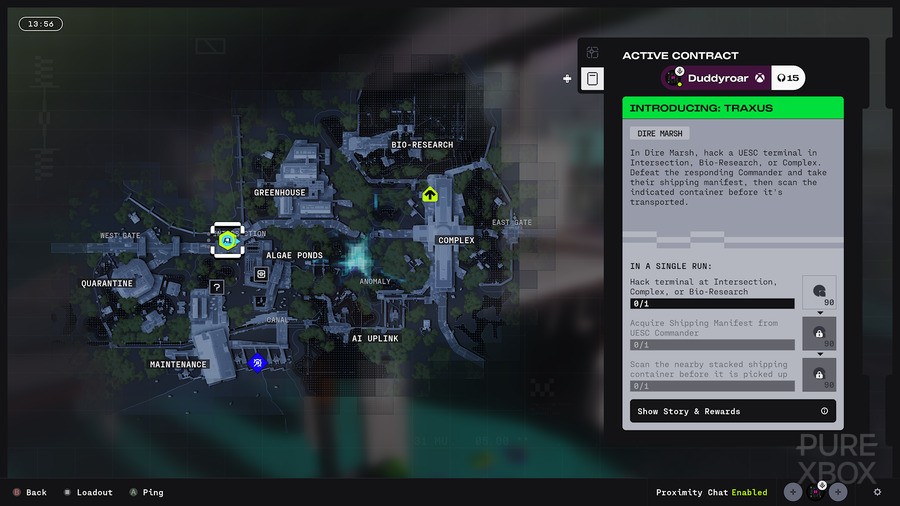
To successfully neutralize the target, players are advised to carry a full complement of ammunition and medical supplies. Once the Commander’s shields are depleted, the unit becomes vulnerable to high-damage-per-second (DPS) weaponry. Upon its destruction, the Commander drops a "Shipping Manifest," a mission-critical item that must be retrieved manually from the robotic remains.
Technical Execution of the Cargo Scan
The final phase of the mission involves the scanning of Traxus-branded cargo containers located in the immediate vicinity of the terminal. After securing the shipping manifest, the Runner must approach the designated container and initiate the scanning process.

This action triggers a timed animation during which the Runner is unable to engage in offensive maneuvers. This "vulnerability window" is a hallmark of Marathon’s risk-management gameplay. It is recommended that players clear the immediate area of any remaining UESC stragglers before starting the scan. Once the progress bar reaches 100%, the mission is registered as complete within the Traxus Global faction ledger.
Historical and Lore Context: The Legacy of Traxus
The prominence of Traxus Global in this mission is not merely a gameplay mechanic but a significant nod to the broader Marathon mythos. In the original 1994 Marathon trilogy developed by Bungie, Traxus IV was an Artificial Intelligence that achieved "Rampancy" in the year 2320, leading to the first major AI-driven catastrophe in human history.

By positioning Traxus as a "leader in industry" in the current iteration of the game, Bungie appears to be weaving a narrative of corporate dominance and the potential resurgence of rogue AI elements. The UESC, acting as the military arm of the human government, appears to be in direct competition or conflict with Traxus’s industrial interests, as evidenced by the UESC Commander’s attempts to intercept the cargo. This mission serves as the player’s first tangible evidence of the shadow war being waged between these two titans.
Community and Industry Response
Since the game’s release, the "Introduction to Traxus" mission has been a primary topic of discussion within the player base. Early feedback indicates that while the atmospheric storytelling is highly praised, the "ambiguous terminology" used in quest descriptions has led to a steep learning curve.
Industry analysts suggest that this ambiguity is a deliberate design philosophy intended to foster community collaboration and the sharing of tactical data, similar to the "secret hunting" culture found in Bungie’s other major franchise, Destiny. By requiring players to find specific terminals without explicit map markers, Marathon encourages exploration and a deeper understanding of the game’s environmental layout.
Broader Implications for the Extraction Shooter Genre
The release of Marathon and the implementation of quests like "Introduction to Traxus" signal a shift in the extraction shooter genre. Traditionally, titles like Escape from Tarkov have focused on hyper-realism and survival. Marathon, however, integrates high-concept science fiction with a "persistent objective" system.
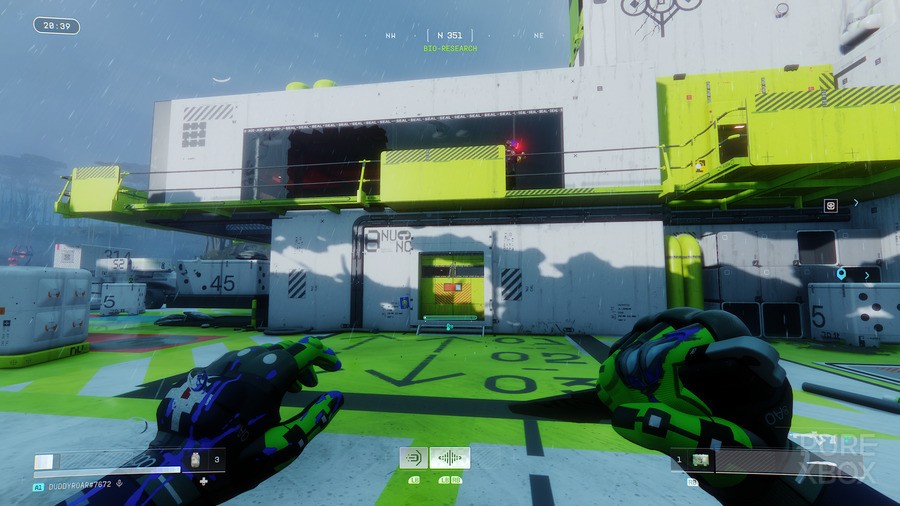
The fact that the Traxus mission does not require a successful extraction to count as completed is a significant departure from genre norms. This allows for a "progression-first" mentality, where players can focus on narrative milestones even if they fail to survive the hostile environment of the Dire Marsh. This mechanic is seen as a way to lower the barrier to entry for players who may be intimidated by the "all-or-nothing" nature of typical extraction shooters.
As Bungie continues to roll out seasonal content and "World First" events, missions like the "Introduction to Traxus" provide the foundational framework for the game’s evolving meta. The data collected by Runners during these early deployments will likely influence the narrative arc of future updates, as the mystery of Traxus Global and the UESC’s presence on the Martian colony deepens.
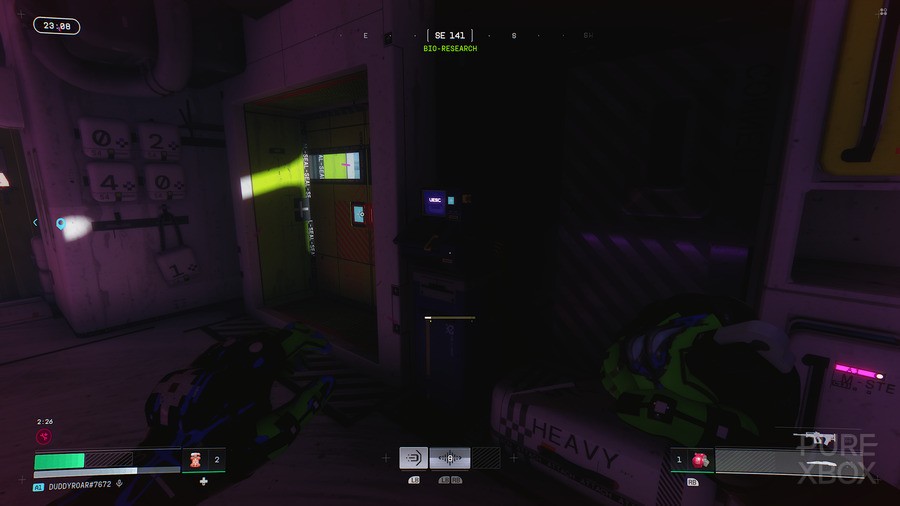
For now, the "Introduction to Traxus" stands as a vital trial for any Runner wishing to climb the ranks of the game’s competitive landscape. Success requires more than just mechanical skill; it requires a tactical understanding of the terrain, a respect for the lethality of UESC high-value targets, and the patience to navigate the shadows of the Dire Marsh.