

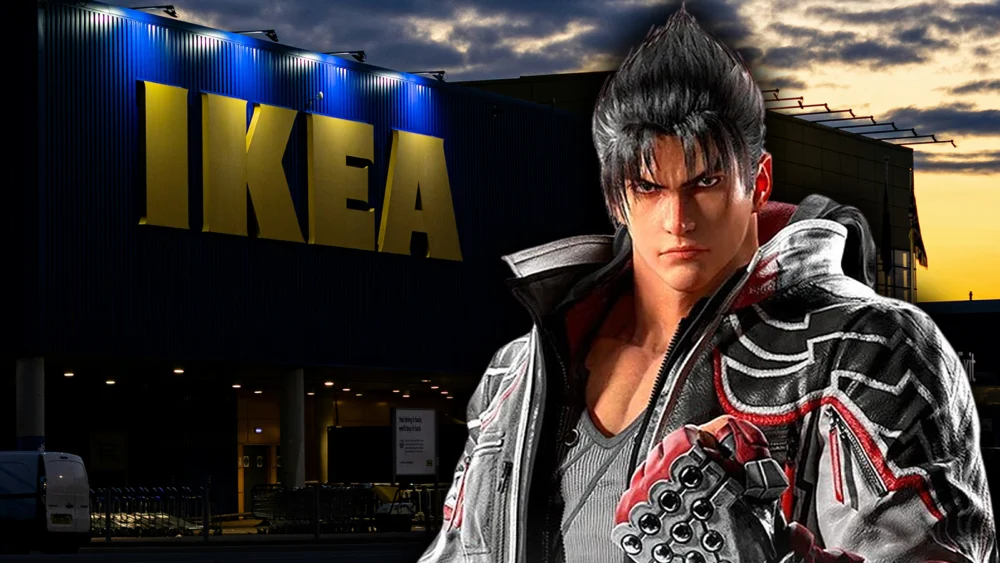
An innovative collaboration between a major furniture retailer and the vibrant fighting game community has seen IKEA Atlanta transform its showroom floor into a competitive battleground. On October 28, 2025, the Swedish furniture giant hosted its inaugural Tekken tournament, a strategic move designed to spotlight its burgeoning line of gaming-specific furniture and engage with a key demographic. The event, a brainchild of a passionate IKEA employee, not only brought the fast-paced world of esports into a retail environment but also underscored the evolving landscape of how brands are connecting with consumers.
The concept of holding a fighting game tournament within a retail space might seem unconventional, but it aligns with a broader trend of experiential marketing and the increasing integration of gaming into mainstream culture. Fighting games, with their dynamic characters and visually striking environments, often feature arenas that are as varied as they are fantastical. From volcanic craters to spectral pirate ships, these virtual battlegrounds provide a constant spectacle for players and viewers alike. This inherent visual flair and competitive spirit were precisely what organizers aimed to translate into a real-world setting.
This initiative by IKEA Atlanta follows a growing pattern of unexpected venues embracing esports. For instance, a French nursing home company recently organized Street Fighter 6 tournaments for its elderly residents, offering a trip to Evo France as a grand prize, demonstrating that competitive gaming can transcend age demographics. Similarly, IKEA’s decision to host a Tekken tournament signifies a brand’s recognition of gaming’s pervasive influence and its potential as a powerful marketing tool.
The Genesis of a Gaming Showdown: From Idea to IKEA Floor
The inspiration for the IKEA Tekken tournament reportedly stemmed from an IKEA employee with a deep appreciation for fighting games. Recognizing the store’s extensive collection of furniture designed with gamers in mind – from ergonomic chairs and adjustable desks to integrated lighting solutions – this individual envisioned a unique event. The goal was to demonstrate, in a tangible and engaging way, how IKEA’s products could enhance the gaming experience, offering comfort, functionality, and style for dedicated players.
To bring this vision to life, the employee collaborated with 4o4esports, a local gaming organization renowned for its expertise in event management and esports infrastructure. This partnership was crucial for procuring the necessary gaming hardware, including consoles and high-definition monitors, ensuring a professional and competitive setup. The players themselves were seated on IKEA’s own gaming chairs, a clear testament to the brand’s commitment to the gaming market, and competed at IKEA desks, further integrating the product placement seamlessly into the event.

The tournament itself featured twelve skilled participants who battled it out in a bracket format for bragging rights and coveted prizes. The stakes were elevated by the prize pool, which included an Huvudspelare desk and chair set, valued at $429, for the first-place winner. This prize package not only provided top-tier gaming equipment but also served as a direct endorsement of IKEA’s premium gaming furniture line. Second and third place finishers were awarded IKEA gift cards of $150 and $75, respectively, alongside passes to MomoCon, a prominent fan convention held annually in Atlanta, scheduled for May 2026. This inclusion of convention passes broadened the appeal of the event, offering participants further opportunities to engage with the broader gaming and anime culture.
Strategic Choices: Why Tekken 8?
The decision to feature Tekken 8 over other popular fighting games was a deliberate strategic choice. According to statements made by the IKEA employee who spearheaded the initiative, the game was selected due to the robust and active competitive Tekken community within Atlanta. This existing player base provided a solid foundation for attracting participants and spectators, ensuring the event’s success and relevance within the local gaming scene. While Super Smash Bros. was initially considered, the density of competitive Tekken players in the region offered a more promising avenue for a successful inaugural tournament.
The tournament was playfully named the "Brännboll Battle," a nod to IKEA’s Swedish heritage and its association with sports and active lifestyles, even within the context of gaming. This clever branding infused the event with a unique identity, blending the retailer’s origins with the competitive spirit of esports.
Brandon Lomax, Market Manager at IKEA US’s Atlanta Market, expressed his enthusiasm for the event, highlighting the employee initiative that drove its conception. "When two coworkers pitched the idea to host a gaming tournament in our store, timed with a major gaming convention in Atlanta, I knew it had the potential to be something special," Lomax stated. He further elaborated on the strategic intent behind the event: "Their vision was to showcase how IKEA’s range of home furnishing solutions could meet the unique needs of gamers – from ergonomic setups to smart storage and lighting. The event was not only a creative way to engage with our community, but it also highlighted the versatility and affordability of our products in a fun and relevant way."
Lomax concluded his remarks by emphasizing the positive reception and the broader implications for IKEA’s customer engagement strategy: "The feedback was overwhelmingly positive, and I couldn’t be prouder. It’s inspiring to see our coworkers take initiative and find new ways to connect with customers, helping them discover how IKEA can support their lifestyles in meaningful and unexpected ways." This sentiment underscores IKEA’s commitment to innovation in customer interaction and its understanding of the evolving consumer landscape, particularly among younger demographics.
Beyond the Showroom: A Wider Context of Unconventional Gaming Venues
The IKEA Tekken tournament is a striking example of how the fighting game community consistently pushes boundaries and finds innovative ways to host events. The original article highlights several other instances where competitive gaming has taken place in unconventional settings. For example, players have been known to engage in Street Fighter 6 matches amidst the pulsating energy of a rave, demonstrating the adaptability of the game and its community to diverse environments.

Furthermore, Guild Esports orchestrated a Street Fighter 6 tournament in an exceptionally challenging setting: a "sweat room" heated to a blistering 150°F (65.5°C). This extreme environment tested the players’ physical and mental endurance, adding an extra layer of difficulty to the competition. Even more niche examples exist, such as Melty Blood players reportedly playing sets in bathroom stalls, indicating a deep-seated passion for the game that transcends the need for conventional amenities.
Against this backdrop, an IKEA furniture store, while certainly unexpected, represents a significant upgrade in terms of comfort and infrastructure for competitive play. It provides a controlled environment conducive to high-level competition, while simultaneously serving as a unique platform for brand promotion. The success of the IKEA Atlanta event suggests a potential blueprint for other retailers looking to tap into the lucrative and influential gaming market.
Data-Driven Insights and Future Implications
The integration of IKEA’s gaming furniture into the tournament provides valuable data points for the company. By observing how players interact with the chairs and desks under competitive pressure, IKEA can gather real-world feedback on ergonomics, durability, and functionality. This information can inform future product development and marketing strategies. The direct engagement with gamers also allows IKEA to better understand the specific needs and preferences of this demographic, which is often characterized by long hours spent at their setups.
The event’s success, as indicated by the positive feedback and the Market Manager’s statement, suggests a promising avenue for IKEA’s future marketing endeavors. The company is reportedly considering expanding its esports initiatives to include tournaments for other popular games. This strategic pivot towards experiential marketing within the gaming sphere could significantly boost brand loyalty and attract new customer segments. The affordability and versatility of IKEA products, as highlighted by Lomax, are key selling points that resonate strongly with the typically budget-conscious gamer community.
The timing of the event, coinciding with a major gaming convention in Atlanta, was a shrewd marketing tactic. This strategic alignment allowed IKEA to capture the attention of a larger audience of gaming enthusiasts who were already in the city for the convention, potentially increasing foot traffic and brand visibility beyond the tournament participants.
In conclusion, the IKEA Tekken tournament in Atlanta represents a forward-thinking approach to brand engagement in the digital age. By embracing the cultural phenomenon of esports and integrating it with its core business of home furnishings, IKEA has not only created a memorable event but has also opened up new possibilities for how retailers can connect with and serve the gaming community. The transformation of a retail showroom into a competitive arena underscores the dynamic nature of modern marketing and the ever-blurring lines between entertainment, lifestyle, and commerce. The success of this initiative hints at a future where more brands will explore similar unconventional yet highly effective methods to reach and resonate with their target audiences.