

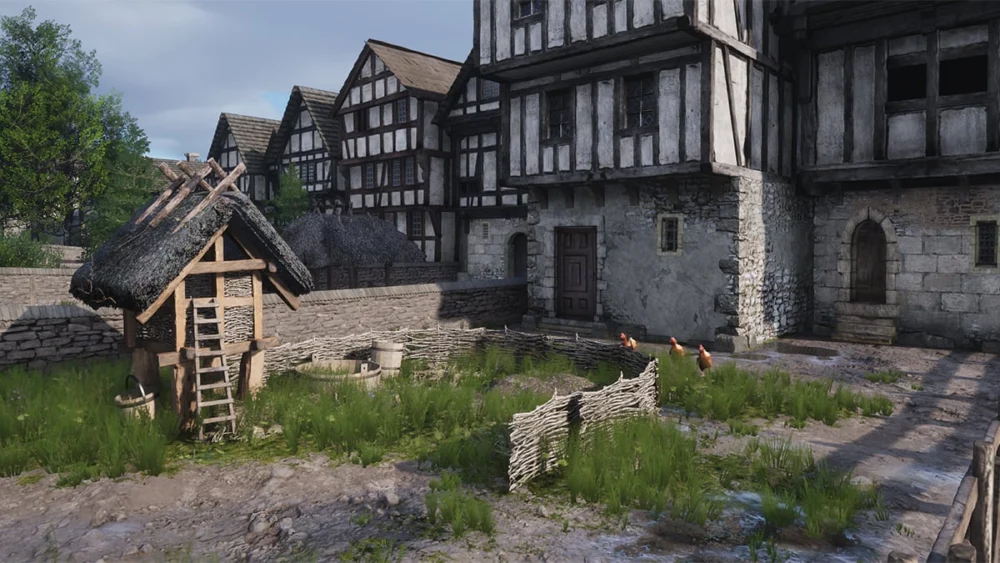
In the intricate world of Manor Lords, a critically acclaimed medieval city-builder and real-time strategy game, the journey from a fledgling encampment to a bustling regional hub hinges profoundly on one core mechanic: population growth. Players begin their nascent settlements with a meager five families, a number that quickly proves insufficient for the myriad tasks of resource gathering, construction, and economic development. The process of attracting new families, while fundamental, is not immediately intuitive, demanding a nuanced understanding of in-game mechanics centered on villager welfare and settlement appeal. This comprehensive guide delves into the essential strategies and underlying systems required to foster a thriving population, ensuring the long-term prosperity and expansion of any dominion.
The Cornerstone of Expansion: Understanding Approval and Living Space
At the heart of Manor Lords‘ population dynamics are two interconnected elements: Approval and Living Space. These are not merely abstract metrics but direct reflections of your villagers’ satisfaction and the practical capacity of your settlement.
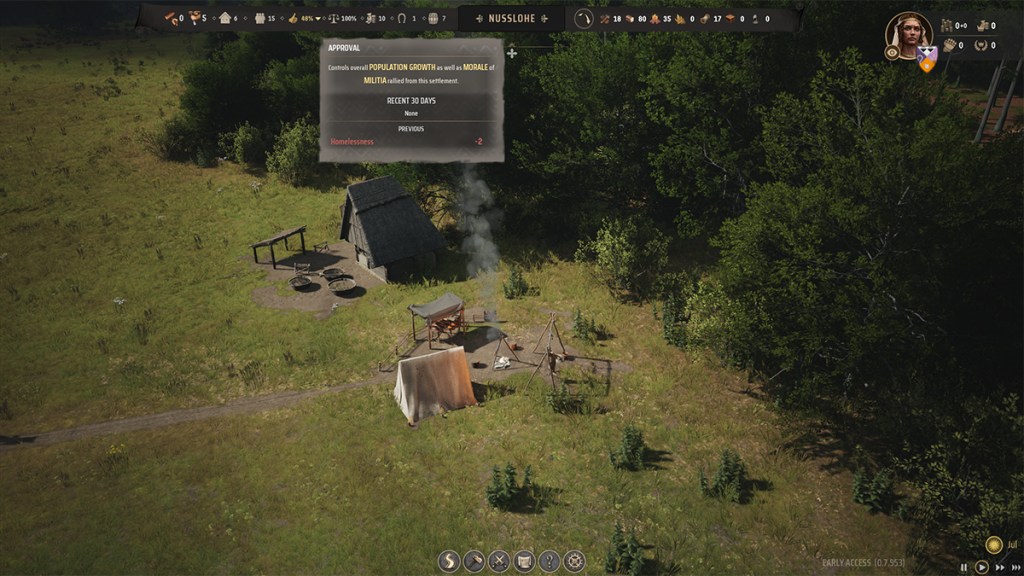
Approval: This metric, prominently displayed on the upper left side of the user interface, acts as the primary indicator of your villagers’ contentment and their willingness to invite others to join the community. A high Approval rating signals a desirable living environment, encouraging new families to migrate.
- 50% Approval Threshold: Reaching and maintaining at least 50% Approval is the minimum requirement for families to begin arriving, typically at a rate of one new family per month. This threshold marks the transition from stagnant survival to nascent growth.
- 75%+ Approval Acceleration: For ambitious rulers aiming for rapid expansion, an Approval rate of 75% or higher significantly boosts growth, attracting two new families monthly. This accelerated rate is crucial for scaling up operations and unlocking advanced industries.
- <25% Approval Decline: Conversely, allowing Approval to dip below 25% signals severe discontent, leading to a negative migration trend where existing families will abandon the settlement in search of better opportunities. This can trigger a devastating downward spiral, crippling labor supply and economic output.
Living Space: Beyond mere satisfaction, new families require a place to live. Burgage Plots, the primary residential structures in Manor Lords, serve as both homes and, potentially, centers of production. Without available Burgage Plots, even a 100% Approval rating will not attract new families, as there is simply no physical space for them. Proactive construction of these plots is therefore paramount, ensuring a buffer of vacant homes to accommodate incoming populations.
Early Game Strategies: Laying the Foundation for Growth
The initial phase of any Manor Lords settlement is a delicate balancing act, prioritizing immediate survival while simultaneously sowing the seeds for future expansion.
Initial Survival and Resource Gathering: Upon starting with five families, the immediate focus is on establishing basic resource production. A Logging Camp for timber, a Stonecutter Camp for stone, and a Woodcutter’s Lodge for firewood are critical. These provide the raw materials for construction and the essential fuel for warmth, preventing early discontent.
Food Security and Diversity: One of the most impactful early drivers of Approval is a consistent and varied food supply.
- Hunting Camps: These structures allow for the harvesting of wild game, providing a reliable source of meat.
- Forager Huts: Complementing hunting, Forager Huts collect berries, offering a different food type.
- The Importance of Variety: Simply having enough food is not enough; villagers value dietary diversity. Providing at least two distinct food types (e.g., meat and berries) significantly boosts early Approval. Failure to do so, even with abundant single-source food, can cap Approval gains. As the settlement grows, expanding food sources to include farming (wheat, rye, barley) and animal husbandry (sheep for meat/wool) becomes essential, not only for sustenance but also for creating a robust trade economy.
Housing Provision: The Burgage Plot System:
Burgage Plots are more than just houses; they are the fundamental units of your urban development and a key lever for Approval.
- Level 1 Requirements: To achieve Level 1 Burgage Plots and gain initial Approval, two basic amenities are crucial:
- Well: Access to clean water is a non-negotiable requirement. Placing a well within the vicinity of residential areas is vital.
- Church: Providing spiritual comfort through a Church or Small Stone Church offers a significant Approval boost. The absence of a church will severely limit growth potential.
- Impact of Homelessness: The game explicitly penalizes homelessness. Any family without a designated Burgage Plot will negatively impact Approval. Therefore, it is a sound strategic decision to construct more Burgage Plots than are immediately occupied, creating a housing surplus for incoming families. This proactive approach prevents a dip in Approval upon new arrivals and ensures a smooth integration process.
Evolving Needs: Sustaining and Accelerating Approval
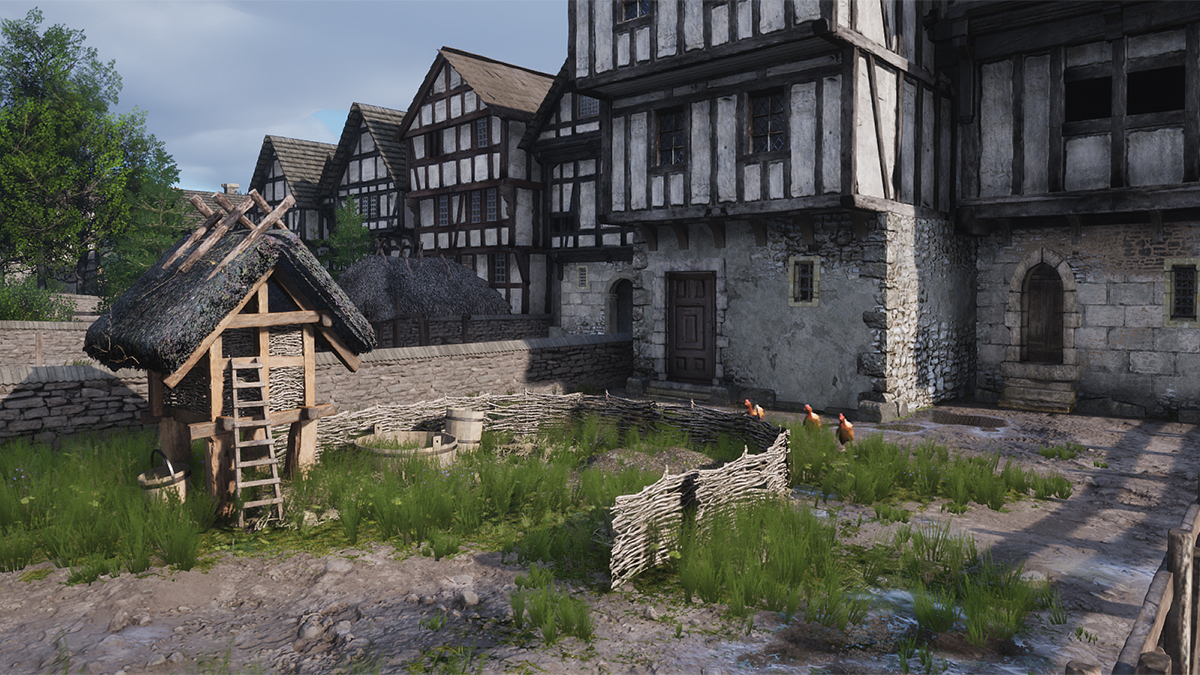
As the village grows beyond its nascent stage, villager demands become more sophisticated. Meeting these evolving needs is crucial for sustaining high Approval and facilitating accelerated growth.
Upgrading Burgage Plots: Unlocking Potential:
Burgage Plots can be upgraded through three levels, each requiring progressively more advanced amenities and access to a wider variety of goods. These upgrades not only boost Approval but also unlock significant economic benefits.
- Level 2 Requirements: To upgrade to Level 2, Burgage Plots require:
- Tavern Access: A place for social gathering and entertainment, fueled by ale.
- Market Stall Access: Villagers need access to a diverse market, where they can purchase a variety of food, fuel, and clothing.
- Fuel Supply: Consistent access to firewood or charcoal for heating.
- Level 3 Requirements: Reaching Level 3 represents a significant leap, demanding:
- Higher-Quality Market Goods: Access to more refined goods, potentially including imported luxuries.
- Stone Church/Manor: A larger, more impressive spiritual center or the presence of a Manor further enhances the settlement’s prestige.
- Economic Benefits of Upgrades: Upgraded Burgage Plots are not just about higher Approval. They offer:
- Backyard Extensions: These allow for the construction of specialized workshops (e.g., Cobbler, Tailor, Brewery, Baker) directly within residential plots, enabling families to produce goods and contribute to the economy without occupying separate industrial plots. This decentralization of production can be highly efficient.
- Increased Tax Revenue: Higher-level Burgage Plots generate more regional wealth in taxes, providing crucial funds for further investment in infrastructure and services.
Marketplace Dynamics: The Marketplace is the central nervous system of your settlement’s economy and directly impacts Approval. Villagers will only be satisfied if they can access the goods they need.
- Stall Variety: Ensure market stalls are stocked with a diverse array of food (meat, bread, vegetables, berries), fuel (firewood, charcoal), and clothing (linen, leather, wool).
- Proximity: Placing the marketplace centrally, accessible to most Burgage Plots, maximizes its effectiveness. Villagers will not travel excessively long distances for goods.
Fuel and Warmth: Especially in colder climates, a consistent supply of fuel (firewood from the Woodcutter’s Lodge or charcoal from a Charcoal Kiln) is vital. Villagers without heating will quickly become discontent, leading to a drop in Approval.
Spiritual Well-being: The Church’s Influence: The Church, from a simple wooden structure to a grand stone edifice, plays a crucial role in maintaining morale. Its presence provides spiritual comfort and contributes to the overall "attractiveness" of the settlement.
Social Life and Entertainment: The Tavern and Ale Production: The Tavern is a significant amenity for Level 2 and 3 Burgage Plots. To keep it operational, a steady supply of Ale is necessary. This requires a Malting House (to process barley) and a Brewery (to produce ale). Investing in this production chain not only boosts Approval but also creates an internal market for agricultural goods.
Trade and External Goods: While self-sufficiency is a long-term goal, early-game trade can be a lifesaver. Establishing a Trading Post allows for the import of essential goods (like certain foods, tools, or building materials) that might be scarce locally, bridging supply gaps and preventing Approval drops. Exports of surplus goods, in turn, generate regional wealth.
The Economic Engine: Population as the Driving Force
Beyond satisfying immediate needs, a growing population is the engine of economic complexity and military strength in Manor Lords.
Labor Allocation: Each new family represents a unit of labor that can be assigned to various industries.
- Resource Extraction: More families mean more workers for logging, mining (iron ore, clay), and stonecutting.
- Agriculture: Expanding farms and increasing crop yields (wheat, flax, barley) directly correlate with available farm families.
- Crafting and Production: From tanners and weavers to blacksmiths and fletchers, specialized workshops require dedicated families to produce tools, clothing, weapons, and other essential goods.
- Logistics and Trade: Wagon owners and traders facilitate the movement of goods and external commerce.
Resource Chains: A larger population enables the establishment and optimization of complex production chains. For example, growing flax leads to linen production, which with a tailor, can become clothes – a high-value good that satisfies a luxury need for villagers and can be exported. Similarly, iron ore becomes iron slabs, then tools or weapons, each step requiring labor and contributing to the economy.
Taxation and Treasury: A growing and prosperous population, particularly one residing in upgraded Burgage Plots, generates significant tax revenue. This Regional Wealth is critical for:
- Hiring Mercenaries: If your own militia is insufficient for defense.
- Importing Goods: Purchasing resources or specialized items not produced locally.
- Developing Infrastructure: Investing in roads, new buildings, or upgrades that further enhance the settlement.
Maintaining Stability: Preventing Exodus and Decline
The challenges of Manor Lords are not static; maintaining growth requires constant vigilance against factors that can erode Approval and trigger population decline.
The Dangers of Low Approval: As previously noted, an Approval rating below 25% initiates a population exodus. This can be catastrophic, leading to a vicious cycle where fewer workers mean less production, leading to more shortages, further reducing Approval, and accelerating the outflow of families.
Addressing Grievances: Proactive identification and resolution of villager grievances are essential.
- Shortages: Monitor supply chains closely. Are there enough food types? Is fuel readily available? Are tools breaking down due to lack of production?
- Lack of Amenities: Ensure new Burgage Plots have access to wells, churches, and later, taverns and market stalls.
- Unemployment: While often less of an issue in a growing settlement, prolonged unemployment can lead to discontent. Ensure there are enough jobs or consider building new industries.
- Disease and Sanitation: While not explicitly detailed in the original article, medieval life was rife with disease. While Manor Lords doesn’t feature complex healthcare, maintaining general well-being through food, water, and fuel contributes to health and thus Approval.
Security and Defense: A stable and secure environment is implicitly crucial. While not a direct Approval modifier in the same way food is, a settlement under constant threat from bandits or external armies will naturally struggle to attract and retain families. Establishing a militia and building defensive structures (palisades, watchtowers) contributes to a sense of security.
Developer Insights and Design Philosophy (Inferred)
Slavic Magic, the solo developer behind Manor Lords, has emphasized a design philosophy rooted in historical realism and organic, challenging growth. The intricate Approval and population mechanics are a testament to this approach. They are designed to:
- Encourage Balanced Growth: Players cannot simply "spam" houses; growth is tied to meeting genuine needs, preventing runaway expansion without proper infrastructure.
- Reward Strategic Planning: Success in Manor Lords comes from foresight and careful resource management, not just reactive building.
- Foster Immersion: The struggles and triumphs of a medieval lord managing their populace feel authentic, reflecting the historical challenges of settlement development.
- Promote Interconnectedness: Every building, every resource, every amenity is part of a larger, interdependent ecosystem, where a breakdown in one area can ripple through the entire settlement.
Strategic Implications and Long-Term Vision
Mastering population growth in Manor Lords is not a one-time achievement but an ongoing process of adaptation and refinement.
- Balancing Immediate Needs with Future Planning: Early game focuses on survival, but strategic players will always have an eye on the next tier of development – planning for farms, specialized workshops, and upgraded amenities long before they are critically needed.
- The Iterative Nature of Growth: Population growth fuels economic expansion, which in turn allows for more amenities and better living conditions, further boosting Approval and attracting more people. This virtuous cycle, however, can easily turn vicious if not managed carefully.
- Manor Lords’ Unique Realism: The game’s approach to population management stands out from many other city-builders, eschewing abstract population counts for individual families with distinct needs and behaviors. This contributes significantly to the game’s immersive experience and its reputation as a challenging yet rewarding simulation.
In conclusion, the journey to establish a flourishing medieval domain in Manor Lords is inextricably linked to the nuanced management of its populace. From the initial struggle to attract the first few families to the ongoing challenge of satisfying the escalating demands of a growing community, every decision impacts the delicate balance of Approval and available Living Space. By prioritizing food diversity, adequate housing, essential amenities, and robust economic chains, players can cultivate a contented populace, ensuring a steady influx of new families ready to contribute to the prosperity and enduring legacy of their medieval realm.