

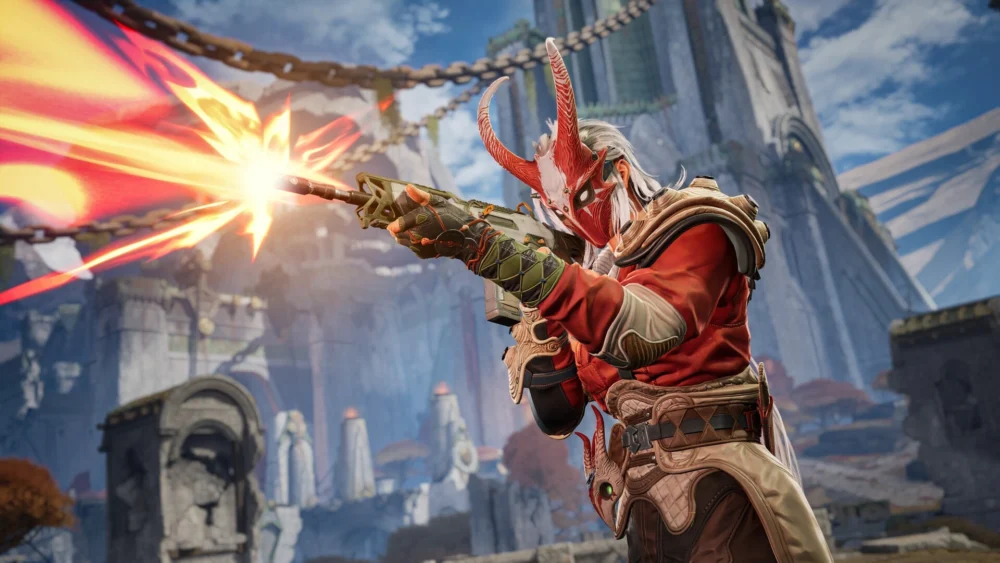
Wildlight Entertainment’s online shooter, Highguard, is set to permanently shut down its servers on March 12, marking an abrupt end to a title that launched less than two months ago. The studio announced the difficult decision via social media, attributing the closure to an inability to cultivate a "sustainable player base to support the game long term." Despite attracting over two million players since its late January debut, the game struggled to secure the consistent engagement necessary for ongoing operations in the highly competitive free-to-play market.
The news, while somber, has been described by some industry observers as an unfortunate inevitability given the game’s challenging journey from its initial reveal. Highguard’s brief operational life highlights the inherent difficulties new intellectual properties face when attempting to establish a foothold in the crowded and intensely competitive online multiplayer shooter genre, particularly those adopting the free-to-play model.
The Unraveling: A Brief Operational History
Highguard was initially unveiled at The Game Awards 2025, an event typically used to generate significant hype and anticipation for upcoming titles. However, the game’s reveal was met with a "wildly lukewarm reception," indicating early skepticism from both critics and the gaming community. This initial impression proved to be a significant hurdle that the development team at Wildlight Entertainment would grapple with throughout the game’s short life.
Despite the initial cool reception, Highguard launched as a free-to-play title in late January of the current year, aiming to attract a broad audience by removing the upfront cost barrier. This strategy, while successful in drawing an initial influx of players—reportedly exceeding two million—often struggles with converting those initial downloads into active, long-term community members. The free-to-play model demands not only robust content at launch but also a consistent pipeline of updates, strong community management, and effective monetization strategies to cover ongoing server costs, development, and marketing.
Upon its release, some players and critics found "merit" in Highguard’s gameplay mechanics. For instance, Pure Xbox, a prominent gaming publication, reported having an "okay time" with the game, noting that it felt "smooth and solid on Xbox." However, these positive elements were often overshadowed by a perceived lack of content and variety, a common criticism for many nascent online games. Wildlight Entertainment did respond swiftly to early feedback, introducing a new 5v5 mode shortly after launch, directly addressing one of the primary complaints about the game’s limited offerings. This demonstrated a commendable responsiveness from the development team, yet it ultimately proved insufficient to reverse the downward trend in player retention.
Wildlight Entertainment’s Official Statement and Final Gesture
The official announcement of the shutdown came directly from Wildlight Entertainment’s social media channels, where the studio shared a heartfelt message with its player base. The full statement reads:
"Today we’re sharing difficult news. We have made the decision to permanently shut down Highguard on March 12.
Since launch, more than 2 million players stepped into Highguard’s world. You shared feedback, created content, and many believed in what we were building. For that, we are deeply grateful.
Despite the passion and hard work of our team, we have not been able to build a sustainable player base to support the game long term. Servers will remain online until March 12th. We hope you’ll jump in with us one more time to show your support and get those final great matches in while we still can.
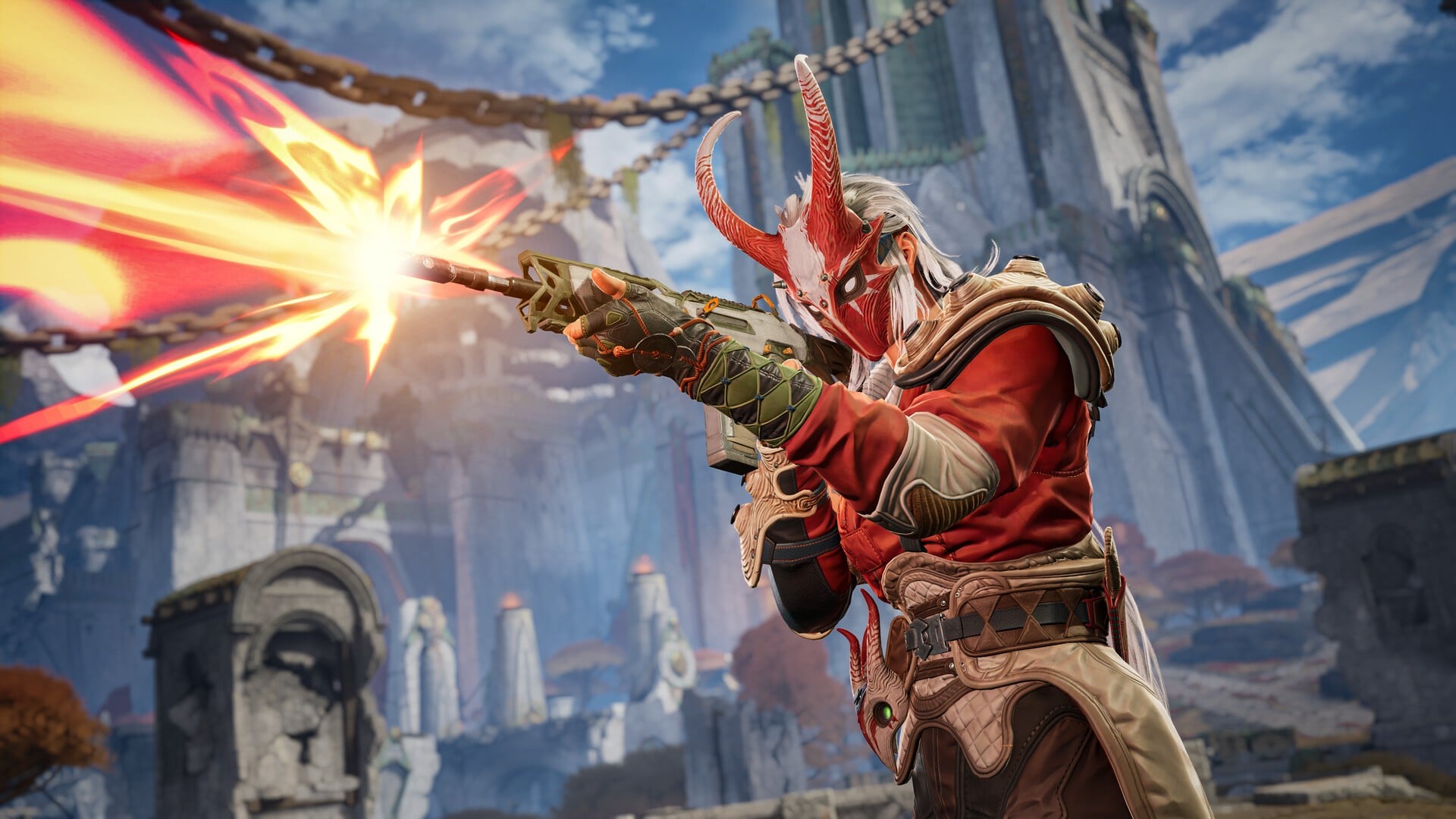
The team is excited to release one final game update to enjoy in the remaining life of the game. We’ll be adding a new Warden, a new weapon, account level progression, and skill trees! Full patch notes are coming, and we’re targeting tonight or tomorrow morning for patch release.
From all of us at Wildlight, thank you for playing, for supporting us, and for being part of Highguard’s story."
This statement encapsulates the bittersweet reality of game development in a volatile market. The acknowledgment of "passion and hard work" from the team underscores the significant effort invested, while the blunt truth of an unsustainable player base highlights the commercial pressures. The decision to release a final, substantial update—introducing a new Warden, weapon, account level progression, and skill trees—just days before the shutdown is particularly notable. This gesture can be interpreted as a final act of gratitude to the dedicated players, providing them with new content to experience in the game’s waning hours, or perhaps as a poignant reminder of what the game could have become under different circumstances. Such a significant content injection so late in the game’s life suggests that development efforts continued robustly until the very end, further emphasizing the difficult nature of the decision to cease operations.
The Challenging Landscape of Free-to-Play Shooters
Highguard’s struggle is not an isolated incident but rather a stark illustration of the intense pressures within the modern free-to-play online shooter market. This segment of the gaming industry is characterized by several formidable challenges:
- Market Saturation: The genre is dominated by established titans with massive player bases, extensive content ecosystems, and well-honed monetization strategies. Games like Apex Legends, Fortnite, Valorant, and Call of Duty: Warzone command significant portions of the market, making it exceedingly difficult for new entrants to carve out a niche. Players often have limited time and resources, gravitating towards games with proven longevity and active communities.
- Player Retention: Attracting initial players is one thing; retaining them is another entirely. Free-to-play games depend on consistent engagement to drive microtransaction sales (e.g., cosmetics, battle passes) and justify ongoing development. If players quickly lose interest due to a lack of compelling content, technical issues, or simply preferring other options, the game’s economic model collapses.
- High Development and Operational Costs: Even without an upfront purchase price, free-to-play titles incur substantial development costs, including initial production, ongoing content creation, server infrastructure, anti-cheat measures, and community support. Sustaining these operations requires a reliable revenue stream from a loyal player base.
- Community Building: A strong, active community is vital for online games. It fosters competitive play, encourages content creation (streaming, videos), and provides valuable feedback. Building such a community from scratch, especially against established competitors, is a monumental task.
- First Impressions Matter: As Highguard’s lukewarm reception at The Game Awards 2025 demonstrated, a poor first impression can be incredibly difficult to overcome. In a market where players have countless alternatives, initial perceptions of quality, originality, and potential can dictate a game’s trajectory.
A Chronology of Highguard’s Brief Existence

The timeline of Highguard’s journey reveals a rapid ascent to launch followed by an equally swift decline:
- The Game Awards 2025: Highguard is officially announced, generating significant industry buzz but also immediate community skepticism regarding its concept and differentiation in a crowded market. Initial reactions are broadly described as "wildly lukewarm."
- Late January [Current Year]: Highguard officially launches as a free-to-play online shooter across various platforms. The game quickly garners an initial player count exceeding two million, indicating successful initial marketing and a low barrier to entry.
- Early February [Current Year]: In response to early player feedback, Wildlight Entertainment releases its first major content update, addressing criticisms about limited game modes and overall content variety. This includes the addition of new modes, such as a 5v5 offering, which was highlighted by critics as a necessary improvement.
- March 10/11 [Current Year]: Wildlight Entertainment announces the decision to permanently shut down Highguard on March 12. Simultaneously, the studio reveals a final content update, featuring a new Warden, weapon, account level progression, and skill trees, to be released in the game’s final hours.
- March 12 [Current Year]: Highguard’s servers are permanently taken offline, marking the official end of the game’s operational life.
This compressed timeline underscores the rapid pace at which online games must find their audience and establish sustainability. Highguard’s operational lifespan of just over a month is exceptionally short, even in an industry known for its high rate of project attrition.
Community Reaction and Developer Outlook
The announcement of Highguard’s shutdown has elicited a range of reactions from the gaming community. Many players who invested time in the game expressed disappointment and sadness, particularly those who found enjoyment in its core mechanics or appreciated the developers’ efforts to introduce new content. The inclusion of a final update, while a gesture of goodwill, has also been met with a bittersweet sentiment, with some lamenting that such features arrived too late to save the game. The "more than two million players" who "stepped into Highguard’s world" represent a significant initial audience, and for many of them, the closure marks the end of a brief but potentially engaging experience.
For Wildlight Entertainment, the future remains uncertain. The studio’s statement, emphasizing "passion and hard work," suggests a team dedicated to their craft. The closure of a project, especially one launched with significant ambition, often forces development studios to re-evaluate their strategies, team structures, or even their existence. While some studios are able to pivot to new projects, others face significant restructuring or even closure in the wake of an unsuccessful title. The experience gained, however, whether positive or negative, contributes to the cumulative knowledge base of the developers involved, potentially influencing future ventures.
Broader Implications for the Gaming Industry
Highguard’s rapid shutdown carries several broader implications for the video game industry:
- The Precariousness of New IPs: The fate of Highguard serves as a potent reminder of the inherent risks associated with launching new intellectual properties, particularly in highly competitive genres. Even with a free-to-play model, gaining mindshare and sustained engagement without an established brand or unique selling proposition is incredibly challenging.
- The Double-Edged Sword of Free-to-Play: While offering a low barrier to entry, the free-to-play model places immense pressure on developers to deliver exceptional quality, compelling content, and robust community engagement from day one. Any missteps can lead to rapid player attrition, making it difficult to generate the necessary revenue to sustain operations.
- The Importance of Differentiation: In a saturated market, merely being "okay" is often not enough. Highguard’s struggle underscores the critical need for new games to offer a truly unique experience or innovate significantly to stand out from the myriad of existing options.
- The Lifecycle of Online Games: While all online games eventually face server shutdowns, Highguard’s exceptionally short lifespan highlights the accelerated pace of the modern gaming market. Titles must quickly prove their worth or risk being overshadowed and forgotten.
In conclusion, Highguard’s journey from a lukewarm reveal at The Game Awards 2025 to its permanent shutdown on March 12 offers a stark case study in the brutal realities of the contemporary online gaming landscape. Despite attracting a substantial initial player base and demonstrating developer responsiveness, the game ultimately succumbed to the challenges of sustaining engagement in a hyper-competitive free-to-play market. The closure serves as a poignant reminder of the high stakes involved in game development and the constant struggle to capture and retain the attention of a discerning global audience.