

The Evolution of a Divisive Franchise
To understand the positioning of High on Life 2, one must examine the trajectory of its predecessor. Released in December 2022, the original High on Life became an overnight sensation on Xbox Game Pass, eventually being cited by Microsoft as the service’s biggest third-party launch of all time and the biggest single-player game launch on the platform at that period. Despite this commercial juggernaut status, critical reception was starkly split. Some outlets praised its subversion of first-person shooter (FPS) tropes, while others, including Pure Xbox, issued scores as low as 4/10, citing the intrusive nature of the dialogue and the repetitive combat loops.
The sequel enters the market during a period of transition for Squanch Games. Following the departure of the studio’s co-founder and the successful launch of the "High On Knife" DLC—which many noted felt more mechanically focused—High on Life 2 represents a concerted effort to maintain the franchise’s identity while offering more robust "gameplay-first" features. The narrative premise shifts the stakes: the G3 Cartel has been replaced by a more insidious threat known as "Big Pharma." This antagonistic force is targeting the human race not for recreational drug use, but to harvest and condense human biology into highly potent, easily digestible pills for alien consumption.
Traversal and the Sunset Overdrive Comparison
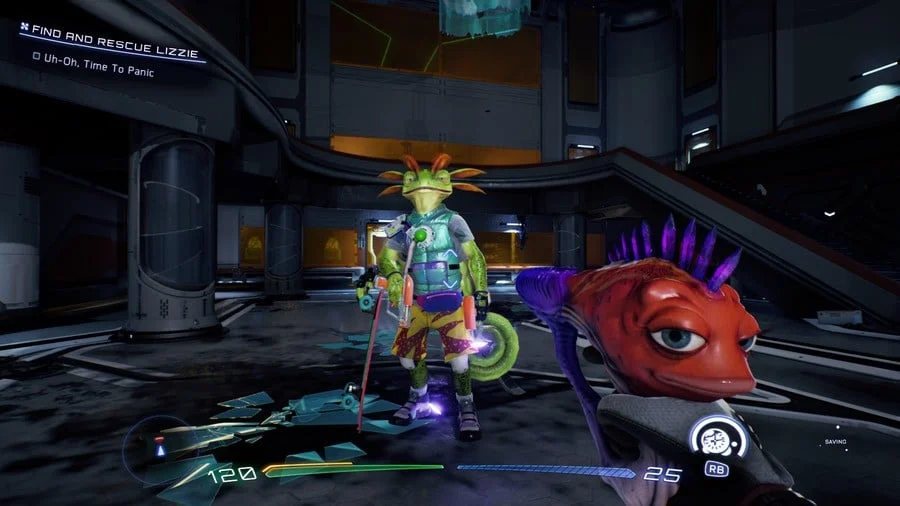
The most significant mechanical addition to High on Life 2 is the introduction of a dedicated skateboard mechanic. Unlike the limited mobility options of the first game, which relied heavily on a tethering system and jetpacks, the sequel integrates a board that serves as both a traversal tool and a combat modifier. This system allows players to navigate the world at high speeds, but its true utility lies in its interaction with the environment. The levels are now densely populated with an array of rails and grindable surfaces, a design choice that directly mirrors Insomniac Games’ 2014 Xbox exclusive, Sunset Overdrive.
In Sunset Overdrive, movement was the primary defensive and offensive tool; staying stationary meant certain death. High on Life 2 adopts a similar philosophy in a first-person perspective. By grinding rails, players can maintain momentum, evade incoming projectiles, and gain height advantages over ground-based enemies. This "traversal-based combat" adds a layer of depth that was arguably missing from the first title, where combat often devolved into static strafing. The implementation of these mechanics in a first-person view is a technical challenge, requiring precise camera work and field-of-view adjustments to prevent motion sickness while maintaining the sensation of speed.
Technical Performance and Hardware Optimization
As a current-generation exclusive, High on Life 2 is designed to leverage the hardware of the Xbox Series X and high-end PCs. On the Xbox Series X, the game targets a 60 frames per second (FPS) output. Technical analysis indicates that the title maintains this target with high consistency, aided by Variable Refresh Rate (VRR) technology which smooths out minor fluctuations in frame timing. While the visual fidelity—utilizing the latest iterations of the Unreal Engine—is described as competent rather than groundbreaking, the art direction remains vibrant, emphasizing alien landscapes and grotesque, colorful character designs.
The performance on handheld PC devices, such as the ROG Ally X, presents a more complex picture of the game’s optimization. Early testing suggests that High on Life 2 is a computationally demanding title that requires significant "tinkering" to achieve a stable experience on mobile hardware.
- Default Settings: On the ROG Ally X, default settings often result in inconsistent frame rates and visual artifacts.
- Recommended Handheld Configuration: To achieve a playable experience, users are finding success by dropping the resolution to 720p and utilizing Temporal Super Resolution (TSR) or other upscaling technologies.
- The 30FPS vs. 60FPS Trade-off: While 1080p is achievable on handhelds, it typically necessitates a 30FPS cap to avoid thermal throttling and stuttering, which may detract from the fast-paced nature of the new skateboarding mechanics.
Narrative Continuity and World Building
Despite the mechanical shifts, the sequel remains deeply rooted in the lore established in the first game. For returning players, the game features a "museum of artifacts," a literal in-game location that serves as a recap of the previous adventure’s events. This allows the developers to acknowledge the past without alienating new players who may be jumping into the franchise for the first time via Game Pass.
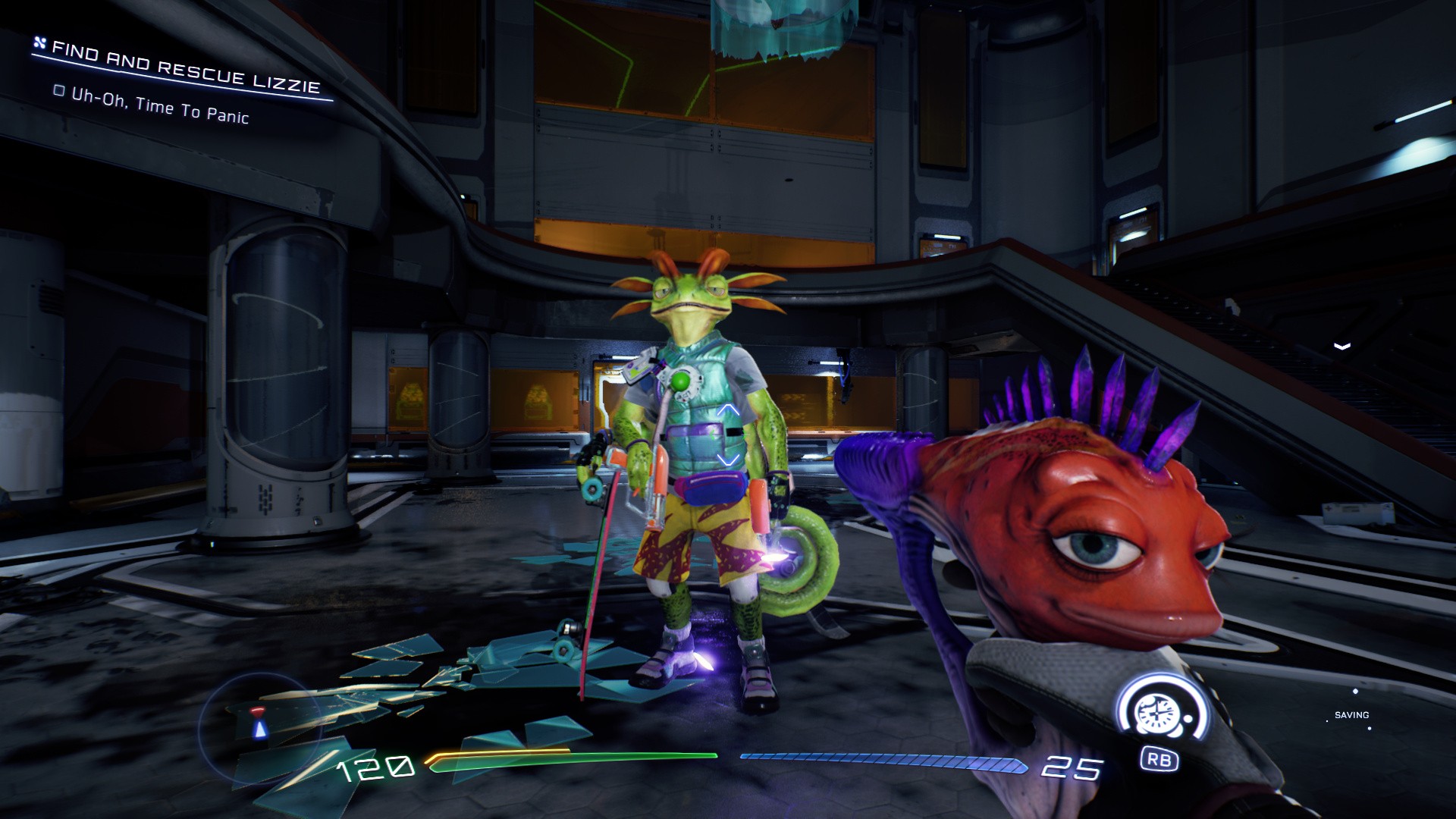
The writing continues to lean into the meta-humor and fourth-wall-breaking commentary that defined the original. However, the "Big Pharma" storyline provides a more structured satirical framework. By focusing on the commodification of the human body, the game attempts to balance its absurdist comedy with a cohesive central conflict. The "talking guns" (Gatlian) return, though the roster has been expanded to include new personalities that interact with the skateboarding mechanics, offering commentary on the player’s "tricks" and speed.
Chronology of the High on Life Franchise
The development timeline of the franchise illustrates a rapid ascent in the gaming industry:
- December 2022: High on Life launches on Xbox and PC. It breaks records for Game Pass engagement.
- October 2023: The "High On Knife" DLC is released, introducing more horror-themed elements and tighter combat mechanics.
- Mid-2024: Squanch Games confirms the development of a full sequel, focusing on feedback regarding traversal and enemy variety.
- Today: High on Life 2 launches globally, positioned as a tentpole title for the Xbox Game Pass library in the final quarter of the year.
Broader Market Impact and Subscription Strategy
The release of High on Life 2 is a litmus test for the "Game Pass Model" of game development. The first game proved that a title with mixed critical reviews could still become a massive cultural phenomenon if the barrier to entry was low enough. For Microsoft, titles like High on Life 2 are essential for maintaining subscriber retention. They provide "flavor" to the service—games that might be considered a "risky" $70 purchase but are seen as high-value additions to a monthly subscription.
Industry analysts suggest that the success of High on Life 2 will likely influence how other AA studios approach the FPS genre. By integrating high-level traversal mechanics typically reserved for third-person action games, Squanch Games is carving out a specific niche. If the "Sunset Overdrive-lite" approach resonates with the audience, it could signal a shift away from the "military sim" or "hero shooter" trends that have dominated the FPS market for the last decade, favoring instead more experimental, movement-focused designs.
Official Stance and Community Reaction
While official review scores from major outlets are still being tallied, the initial community reaction on social media and gaming forums has been focused on the "feel" of the movement. Fans of the original Sunset Overdrive—a game that many felt was abandoned too soon by its publisher—have expressed optimism about seeing its DNA survive in a new franchise.
Squanch Games has remained vocal about their commitment to the "weirdness" of the series. In promotional materials, the studio has emphasized that while the gameplay has been "leveled up," the soul of the game remains focused on delivering a comedy experience that is unavailable elsewhere in the AAA or AA space. The studio’s strategy appears to be one of doubling down on their existing fan base while polishing the technical aspects that previously drew criticism.
Conclusion: A Refined Sequel for a Specific Audience
High on Life 2 does not attempt to reinvent the wheel, but it does add a set of high-speed wheels to its existing formula. By embracing the kinetic energy of titles like Sunset Overdrive and refining its technical performance for the Xbox Series X, the game positions itself as a more mature version of its predecessor. It remains a "marmite" experience—one that players will likely either adore for its creativity or avoid for its tone—but its inclusion on Xbox Game Pass ensures that it will once again be one of the most talked-about titles of the season. For those who value movement and momentum in their shooters, the journey through the "Big Pharma" conspiracy offers a unique, rail-grinding perspective on the genre.