
A significant new release is slated to arrive on Xbox platforms next week, a title that, despite its potential to fly under the radar amidst a bustling release schedule, carries considerable weight due to the pedigree of its creators. "Beyond Words," an innovative roguelike strategy and word-crafting game, marks the return of industry veterans Steve Ellis and David Doak, co-founders of the esteemed Free Radical Design, renowned for their foundational work on "GoldenEye 007" and the "TimeSplitters" series. This new venture, developed under their new studio, MindFuel Games, represents a dramatic and deliberate departure from the first-person shooter genre that defined their earlier successes, pivoting instead to an intellectually stimulating puzzle experience.
From Blockbusters to Brain Teasers: The Genesis of Beyond Words
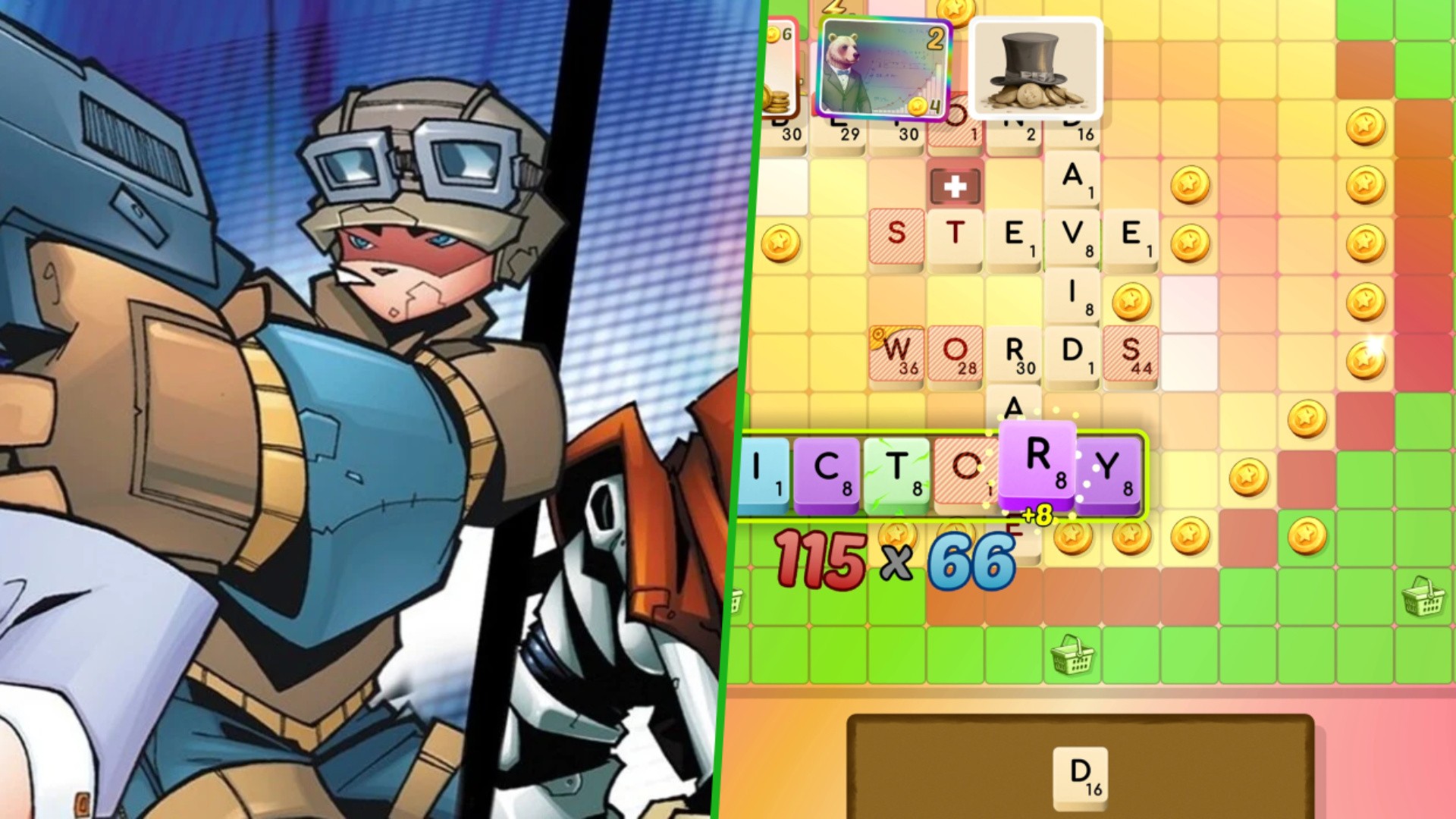
"Beyond Words" is set to challenge players to "journey through a living puzzle shaped by your decisions," where the core gameplay revolves around building powerful word combos, unlocking upgrades, and mastering a strategic challenge where "victory is spelled one letter at a time." This concept stands in stark contrast to the fast-paced, trigger-happy action of their previous works, highlighting a conscious shift in creative direction for Ellis and Doak. The formation of MindFuel Games and the development of "Beyond Words" directly follows the unfortunate closure of the reformed Free Radical Design, a studio resurrected to work on a new "TimeSplitters" project, which was shuttered due to the financial difficulties of its parent company.
Steve Ellis reflected on the challenging experience of the studio closure and the motivation behind MindFuel Games in an interview with Time Extension: "David and I have worked together on and off since the mid-1990s, most recently on a new TimeSplitters project at the reformed Free Radical Design. Unfortunately, the decision was made to shut down the studio after its parent company got itself into financial difficulty, so I had to lay off the entire staff. It’s soul-crushing to build a team and then have to close it down. Having been through this twice, I was keen not to jump right into another big team environment. I was also keen to get more hands-on than it was possible to be while running a larger studio, so doing something smaller sounded like fun."
David Doak echoed this sentiment, emphasizing the appeal of a more intimate development environment. "My best experiences of making games have been working in (relatively) small teams. So that’s what we decided to do. I’m too old for all the other s**t now," he stated, underscoring a preference for creative freedom and direct involvement over the complexities and pressures associated with large-scale, corporate-backed game development. This personal and professional trajectory provides crucial context for understanding the philosophical underpinnings of "Beyond Words" and its unique design.
A Legacy Forged in First-Person: The GoldenEye and TimeSplitters Era
The names Steve Ellis and David Doak are indelibly linked to some of the most influential titles in video game history, particularly within the first-person shooter genre. Their early work at Rareware on "GoldenEye 007" for the Nintendo 64 revolutionized console FPS gaming upon its release in 1997. "GoldenEye 007" transcended mere movie tie-in status, introducing groundbreaking mechanics that became industry standards. Its innovative four-player split-screen multiplayer mode, featuring objective-based gameplay and customizable match parameters, set a new benchmark for competitive console gaming. The game’s sophisticated AI, diverse mission objectives, and precise controls, despite the N64 controller’s unusual design, garnered widespread critical acclaim and commercial success, selling over 8 million copies worldwide and earning numerous Game of the Year awards. Its impact on subsequent console FPS titles, from "Halo" to "Call of Duty," is undeniable, establishing a blueprint for narrative-driven campaigns coupled with robust multiplayer experiences.
Following their departure from Rareware, Ellis and Doak, alongside other key "GoldenEye" developers, co-founded Free Radical Design in 1999. Their ambition was to build upon the foundations laid by "GoldenEye" while injecting their unique brand of humor and creativity. This vision materialized in the "TimeSplitters" series, which debuted in 2000. The "TimeSplitters" games became synonymous with fast-paced, arcade-style action, offering an unparalleled wealth of content, including an extensive cast of eccentric characters, diverse weaponry, and highly customizable multiplayer options. Titles like "TimeSplitters 2" (2002) and "TimeSplitters: Future Perfect" (2005) were lauded for their fluid gameplay, vibrant art style, and particularly, their expansive and addictive multiplayer modes, often cited as some of the best couch co-op experiences ever created. While perhaps not reaching the astronomical sales figures of "GoldenEye," the "TimeSplitters" franchise cultivated a devoted cult following and received strong critical praise for its innovative approach to level design, enemy variety, and the sheer joy of its gameplay. These games solidified Free Radical Design’s reputation as a studio capable of delivering high-quality, creatively driven shooters.
The Phoenix from the Ashes: MindFuel Games and a New Direction
The journey of Free Radical Design was not without its challenges. After periods of both critical success and financial uncertainty, the studio was acquired by Crytek in 2007 and renamed Crytek UK. It was later re-established as Free Radical Design in 2014 under Deep Silver’s parent company, Embracer Group, with the explicit goal of developing a new "TimeSplitters" installment. This revival, however, proved to be short-lived. In late 2023, Embracer Group announced a significant restructuring and cost-cutting initiative across its subsidiaries, which ultimately led to the closure of several studios, including the reformed Free Radical Design. This event resulted in widespread layoffs, a painful echo of similar industry consolidations and financial pressures that have impacted numerous development teams over the years.
For Steve Ellis, having endured the closure of studios twice, the experience was profoundly disheartening. The decision to form MindFuel Games with David Doak was a direct response to this adversity, signaling a desire for a more controlled, creatively fulfilling environment. This pivot reflects a broader trend among seasoned developers who, after years within large corporate structures, seek the agility and direct engagement offered by independent development. It allows for a renewed focus on design principles and direct iteration, free from the bureaucratic overhead and market pressures often associated with AAA production. The transition from managing large teams and complex projects to a more hands-on role in a smaller team empowers developers to reconnect with the craft of game creation, prioritizing innovation and personal vision over commercial scale.
Beyond Words: A Deep Dive into Gameplay Mechanics
"Beyond Words" represents a profound evolution in the creative output of Ellis and Doak. At its core, it is described as a "genre-defining fusion of roguelike strategy and word-crafting." This blend suggests a rich, multi-layered experience that combines the replayability and challenge of roguelikes with the intellectual engagement of word games. Players will navigate a dynamic environment, described as a "living puzzle," where their decisions directly influence the unfolding narrative and strategic opportunities.
The "word-crafting" element implies a system where players construct words from a given set of letters, likely for offensive, defensive, or utility purposes within the game’s strategic framework. The emphasis on "powerful combos" and "game-changing upgrades" suggests a deep progression system, characteristic of modern roguelikes. Each run will likely offer new challenges and opportunities for character or deck building, encouraging experimentation and adaptation. The statement that "Every choice, every letter, every placement matters" points to a meticulous design philosophy, where tactical word formation directly impacts strategic outcomes, elevating it beyond a simple vocabulary test. Instead of relying on twitch reflexes and spatial awareness, "Beyond Words" will demand linguistic dexterity, strategic foresight, and an ability to adapt to procedurally generated challenges. This shift not only showcases the versatility of its creators but also taps into a growing market segment interested in cerebral and innovative gameplay.
The Roguelike Resurgence and Word-Crafting Niche
The choice of a roguelike format for "Beyond Words" is particularly timely, given the genre’s significant resurgence in recent years. Roguelikes and roguelites, characterized by procedural generation, permadeath, and persistent progression systems, have captivated players with their high replayability and the constant thrill of overcoming escalating challenges. Games like "Hades," "Slay the Spire," "Dead Cells," and "The Binding of Isaac" have demonstrated the genre’s capacity for deep strategic complexity, engaging narratives, and sustained player interest. This framework allows "Beyond Words" to offer endless permutations of its word-crafting puzzles, ensuring that no two playthroughs are identical and fostering a sense of mastery as players learn to navigate its intricacies.
Concurrently, the word-crafting genre, while perhaps less mainstream than action or adventure games, maintains a dedicated audience. From classic titles like "Scrabble" and "Boggle" to digital iterations like "Words With Friends" and more recent, innovative takes such as "Spelling Spry" or even the viral phenomenon "Wordle," games centered on language and vocabulary continue to engage players seeking a different kind of mental workout. "Beyond Words" aims to transcend traditional word games by integrating robust strategic elements and the unpredictable nature of a roguelike. The mention by PC Gamer of "Balatro meets Scrabble" aptly captures this ambition, hinting at a game that combines the strategic depth and combo-driven satisfaction of a card-based roguelike with the linguistic challenge of a word puzzle. This fusion positions "Beyond Words" to carve out a unique niche, appealing to fans of both genres while potentially introducing each audience to the delights of the other.
Launch Details and Early Impressions
"Beyond Words" is officially scheduled for release on Xbox One, Xbox Series X, and Xbox Series S on March 5th. This release date was communicated via Xbox Wire, though the developer’s direct announcement appears to be pending. The availability across both current and last-generation Xbox consoles ensures a broad reach for the title.

For PC gamers eager to experience this unique blend of genres, a demo for "Beyond Words" was featured during a recent Steam Next Fest. This demo allowed players on PC, including handheld gaming devices like the ROG Ally, to get a preliminary taste of the game’s mechanics and strategic depth. Early impressions have been notably positive, with a preview from PC Gamer enthusiastically reporting that they are "having a blast" with the game, even highlighting the ability to "score with swear words," a detail that suggests a playful and uninhibited approach to the word-crafting system, differentiating it from more conventional, family-friendly word games. This early positive reception bodes well for the game’s launch, indicating that the bold creative choices made by Ellis and Doak are resonating with critics and players alike.
Looking Ahead: Implications for the Gaming Ecosystem
The launch of "Beyond Words" carries several broader implications for the video game industry. Firstly, it underscores the evolving career paths of veteran developers. After years of contributing to blockbuster franchises and navigating the complexities of large studio environments, a growing number of industry pioneers are opting for smaller, independent ventures. This trend allows for greater creative autonomy, a hands-on approach to development, and the freedom to explore niche genres and innovative concepts that might not fit the risk-averse models of AAA publishing. "Beyond Words" stands as a testament to the enduring creative drive of its founders, demonstrating that profound talent can flourish outside of established pipelines and within more intimate settings.
Secondly, the game’s existence highlights the increasing diversity of titles available on platforms like Xbox. While major console manufacturers often prioritize showcasing high-budget, graphically intensive exclusives, the embrace of unique independent titles like "Beyond Words" enriches the gaming ecosystem. It caters to a wider array of player preferences and encourages innovation across all genres, affirming Xbox’s commitment to offering a broad and inclusive library.
Finally, "Beyond Words" represents a fascinating case study in genre evolution. The deliberate shift from crafting seminal first-person shooters to a word-crafting roguelike strategy game is a bold move that challenges preconceived notions of what developers "should" make. It suggests that creative boundaries are continuously being pushed, and that compelling gameplay can emerge from unexpected fusions. As the gaming landscape continues to diversify, projects like "Beyond Words" serve as beacons of creative resilience and the boundless potential for innovation, proving that even legendary creators can surprise audiences with entirely new experiences.
"Beyond Words" is poised to offer a fresh and engaging experience, not just for fans of roguelikes or word games, but for anyone intrigued by the creative journey of two industry legends embarking on an entirely new adventure. It is a powerful reminder that the essence of game development lies in imagination, problem-solving, and the relentless pursuit of novel interactive experiences, regardless of scale or genre.