

The impending arrival of a formidable new antagonist in Legendary’s Monsterverse cinematic universe has been all but officially confirmed. A listing on the Writers Guild of America website has strongly indicated that SpaceGodzilla, a formidable extraterrestrial doppelganger of the King of the Monsters, will serve as the primary antagonist in the upcoming film, tentatively titled Godzilla x Kong: Supernova. This revelation has sent ripples of excitement through the dedicated fanbase, many of whom have speculated about SpaceGodzilla’s potential inclusion since early promotional material for the film began to surface.
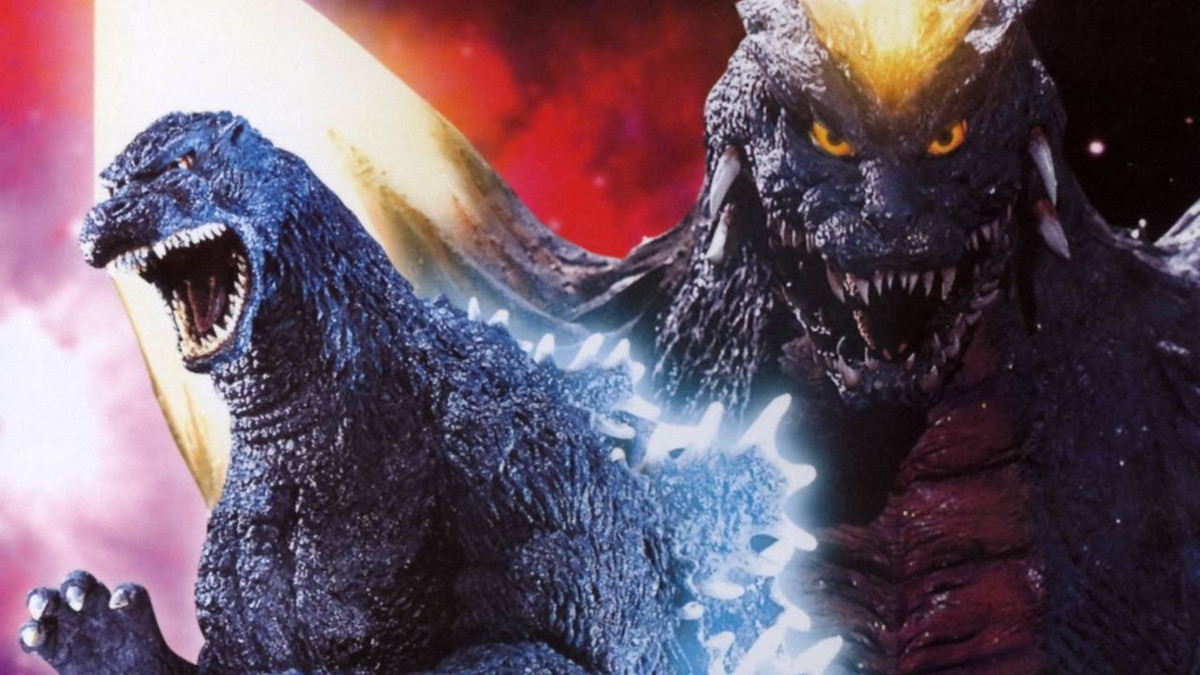
SpaceGodzilla’s cinematic debut occurred in the 1994 Toho film Godzilla vs. SpaceGodzilla, where he was introduced as a powerful and malevolent entity with origins tied to Godzilla’s very essence, albeit twisted and amplified by cosmic forces. His unique abilities, including the manipulation of crystals, energy projection, and a formidable psychic prowess, made him a standout villain in the long-running Godzilla franchise. The confirmation of his role in Godzilla x Kong: Supernova marks a significant moment for the Monsterverse, signaling an expansion of its narrative scope to incorporate more fantastical and cosmic elements, a direction that has been subtly hinted at in recent installments.
The anticipation surrounding SpaceGodzilla’s entry into the Monsterverse has been palpable. Fans have been dissecting every piece of information released about Godzilla x Kong: Supernova, searching for clues that might point to his involvement. The Writers Guild of America listing, a typically reliable source for pre-production and production details, has effectively ended much of the speculation, providing a concrete confirmation that many have eagerly awaited. This development is particularly significant given the Monsterverse’s trajectory, which has steadily built towards larger-scale threats and increasingly complex inter-species conflicts.
A Legacy of Cosmic Threats: The Genesis of SpaceGodzilla
SpaceGodzilla’s introduction in 1994 was a pivotal moment for the Godzilla franchise, offering a unique twist on the iconic kaiju. His origin story, as depicted in Godzilla vs. SpaceGodzilla, involves elements of cosmic radiation and cellular mutation. It is theorized that Godzilla’s cells, carried into space by microscopic organisms, were exposed to a nebula and subsequently mutated, leading to the creation of SpaceGodzilla. This extraterrestrial entity then developed immense power, driven by a desire to conquer Earth and defeat his terrestrial counterpart.
The film explored themes of genetic destiny and the corrupting influence of ultimate power. SpaceGodzilla’s visual design, characterized by crystalline formations on his shoulders and a crown-like headpiece, immediately set him apart from other Godzilla adversaries. His powers were equally distinct, including the ability to generate powerful energy beams from his mouth, manipulate gravity, and create crystalline structures that amplified his strength and served as defensive fortresses. His ultimate goal in his initial appearance was to seize control of Earth and reshape it in his own desolate, crystalline image, posing an existential threat that required the combined efforts of Godzilla and other allied monsters to overcome.
The Monsterverse’s Evolutionary Arc: From Earthbound Titans to Cosmic Confrontations
Legendary’s Monsterverse, which began with Godzilla in 2014, has progressively escalated the scale of its kaiju encounters. The initial film focused on the re-emergence of ancient titans from beneath the Earth’s crust, establishing a grounded, albeit colossal, conflict. Kong: Skull Island (2017) introduced the iconic ape and expanded the lore of the Hollow Earth, hinting at a larger, interconnected ecosystem of giant creatures. Godzilla: King of the Monsters (2019) brought a multitude of classic Toho monsters into the fray, including Mothra, Rodan, and King Ghidorah, solidifying the concept of a Titan-ruled planet.
Godzilla vs. Kong (2021) marked a significant shift by directly pitting two of the franchise’s most beloved characters against each other, while also introducing the concept of Hollow Earth as a more developed and populated realm. This film also hinted at the potential for threats originating beyond Earth. Godzilla x Kong: Supernova appears poised to fully embrace this cosmic dimension, a logical progression that allows for the introduction of adversaries whose power and origins transcend terrestrial limitations. SpaceGodzilla’s unique cosmic genesis makes him an ideal candidate to represent this next evolutionary stage of the Monsterverse’s narrative.
Precedents in Gaming: Godzilla: Save the Earth and the Cult of SpaceGodzilla
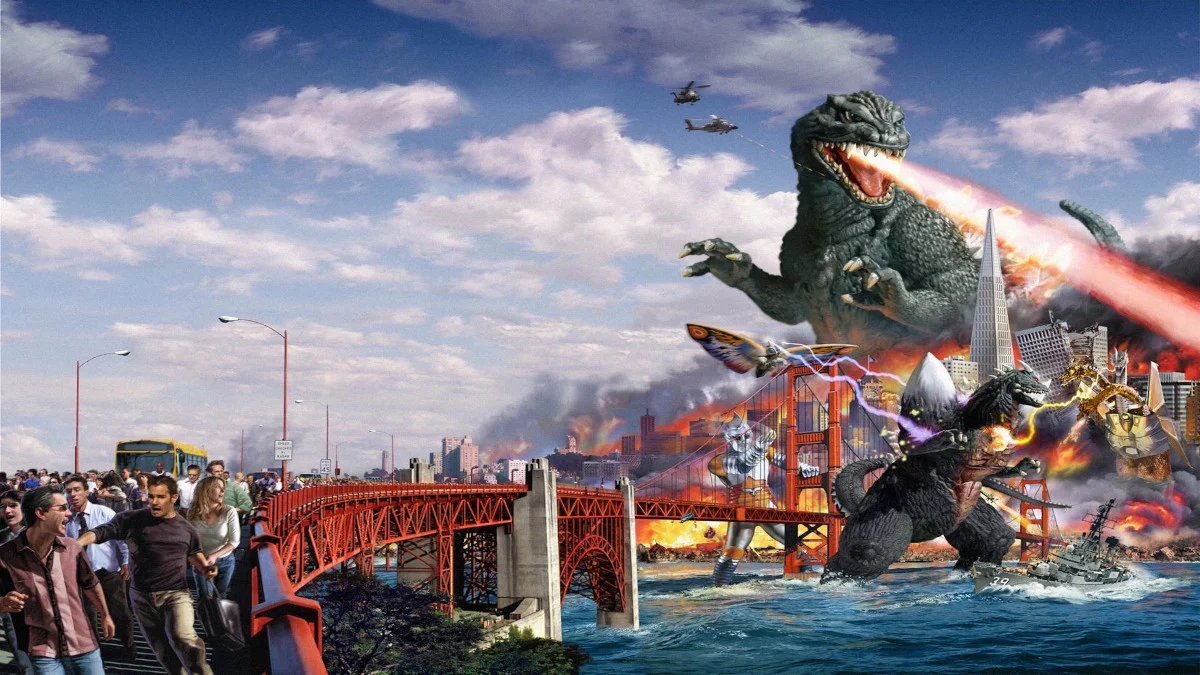
The anticipation for SpaceGodzilla’s return is not without historical precedent, particularly within the realm of Godzilla video games. Released in 2004 for the PlayStation 2 and Xbox, Godzilla: Save the Earth stands out as a beloved multiplayer brawler that introduced many fans, including the author of the original piece, to the cosmic menace. Developed by Pipeworks Software, this title was a successor to Godzilla: Destroy All Monsters Melee (2002) and offered an expansive roster of playable monsters, allowing players to engage in city-leveling battles with a satisfying sense of destruction.
Godzilla: Save the Earth distinguished itself with a roster of eighteen playable monsters, a significant increase from its predecessor. Among these were deep cuts from Toho lore, such as Baragon and Jet Jaguar, alongside the highly anticipated inclusion of SpaceGodzilla. For many players, Godzilla: Save the Earth served as their primary introduction to this particular iteration of Godzilla’s arch-nemesis. The game’s combat system, while perhaps not appealing to seasoned fighting game veterans, effectively captured the raw, destructive energy of giant monster brawls. The weight of each impact, the satisfying crunch of collapsing city structures, and the sheer visual spectacle of these colossal beings clashing resonated deeply with fans of the genre.
In Godzilla: Save the Earth, SpaceGodzilla was presented as a formidable super-boss, embodying the character’s diabolical nature. His move set was designed to feel alien and otherworldly, featuring psycho-electric shocks and telekinetic grapples that drained his energy reserves. However, his ability to summon crystals that accelerated his recovery time provided a unique strategic element and contributed to his reputation as an exceptionally challenging opponent. The experience of facing and, for some, mastering SpaceGodzilla within the game cemented his status as a fan-favorite and a memorable antagonist, forging a lasting impression that has carried forward into discussions about his potential Monsterverse debut.
The Writers Guild of America Listing: A Formal Confirmation
The official confirmation of SpaceGodzilla’s involvement stems from an entry on the Writers Guild of America (WGA) website. This registry is a crucial tool for tracking film and television production, as it details the credited writers for various projects. For Godzilla x Kong: Supernova, the listing explicitly names SpaceGodzilla as the primary antagonist. This detail, while seemingly minor, carries significant weight within the industry and among the fanbase, as it moves beyond mere speculation to a factual, documented aspect of the film’s development.
Such listings are typically updated as a project progresses through pre-production and into filming. The presence of SpaceGodzilla’s name in this context suggests that his role has been firmly established in the script and approved by the production team. While specific plot details remain under wraps, the confirmation of the villain is a substantial piece of information that allows for a deeper understanding of the narrative direction Godzilla x Kong: Supernova is likely to take.
Implications for the Monsterverse Narrative and Future Films
The introduction of SpaceGodzilla signifies a bold step for the Monsterverse, pushing its boundaries into more overtly science-fiction and cosmic territory. This opens up a wealth of narrative possibilities, allowing for exploration of themes related to the origins of Titans, intergalactic threats, and the very fabric of the Monsterverse’s cosmology. SpaceGodzilla’s established motivations—a deep-seated hatred for Godzilla and a desire for planetary conquest—provide a clear and potent conflict for the film’s protagonists, Godzilla and Kong.
The presence of SpaceGodzilla also raises questions about the potential involvement of other cosmic entities or alien civilizations within the Monsterverse. His existence implies that Earth’s Titans are not the only super-powered beings in the universe, paving the way for future storylines that could expand the franchise’s reach far beyond our solar system. This strategic expansion could ensure the longevity of the Monsterverse, allowing for fresh threats and evolving narrative arcs that keep audiences engaged.
Furthermore, the film’s title, Godzilla x Kong: Supernova, suggests a monumental clash, and the inclusion of SpaceGodzilla as the central antagonist amplifies this expectation. A "supernova" can refer to a stellar explosion, hinting at a cataclysmic event or a threat of cosmic proportions. SpaceGodzilla, with his immense power and extraterrestrial origins, fits this description perfectly. His battle against Godzilla and Kong is likely to be one of the most visually spectacular and destructive confrontations seen to date in the Monsterverse, potentially redefining the scale of kaiju combat.
The confirmation of SpaceGodzilla’s role in Godzilla x Kong: Supernova represents a significant milestone for Legendary’s Monsterverse. It signals a commitment to exploring more ambitious narratives and introducing formidable antagonists that push the boundaries of the franchise. For fans who have long championed the return of this iconic cosmic villain, the Writers Guild of America listing is more than just a piece of industry news; it is the harbinger of an epic cosmic showdown that promises to redefine the Monsterverse and its place in cinematic history. The stage is set for a clash of titans, both terrestrial and extraterrestrial, that will undoubtedly leave audiences in awe.