

The looming shadow of Godzilla x Kong: Supernova, the highly anticipated fifth installment in Legendary’s Monsterverse franchise, has just grown significantly darker. Official confirmation of the film’s primary antagonist has emerged, not from a grand studio announcement, but through a listing on the Writers Guild of America website. The listing has all but solidified that the formidable "big bad" set to challenge the iconic duo of Godzilla and King Kong will be none other than SpaceGodzilla. This extraterrestrial menace, a chilling doppelganger of the King of the Monsters, first graced the silver screen in the 1994 Toho film, Godzilla vs. SpaceGodzilla.
This revelation has sent ripples of excitement through the dedicated Godzilla fanbase, many of whom, like this publication’s author, had been anticipating SpaceGodzilla’s return since the initial teaser for Supernova debuted in May. The potential confrontation between these colossal titans, amplified by the cosmic threat of SpaceGodzilla, has prompted a deeper dive into the rich history of kaiju cinema and, more specifically, the video games that have brought these legendary creatures to life for a new generation. In celebration of this prophecy’s fulfillment, a critical examination of Godzilla: Save the Earth is warranted, a title that served as an introduction to SpaceGodzilla for countless fans and remains a celebrated entry in the realm of giant monster gaming.
Godzilla: Save the Earth: A Multiplayer Brawler Masterpiece for Toho Aficionados
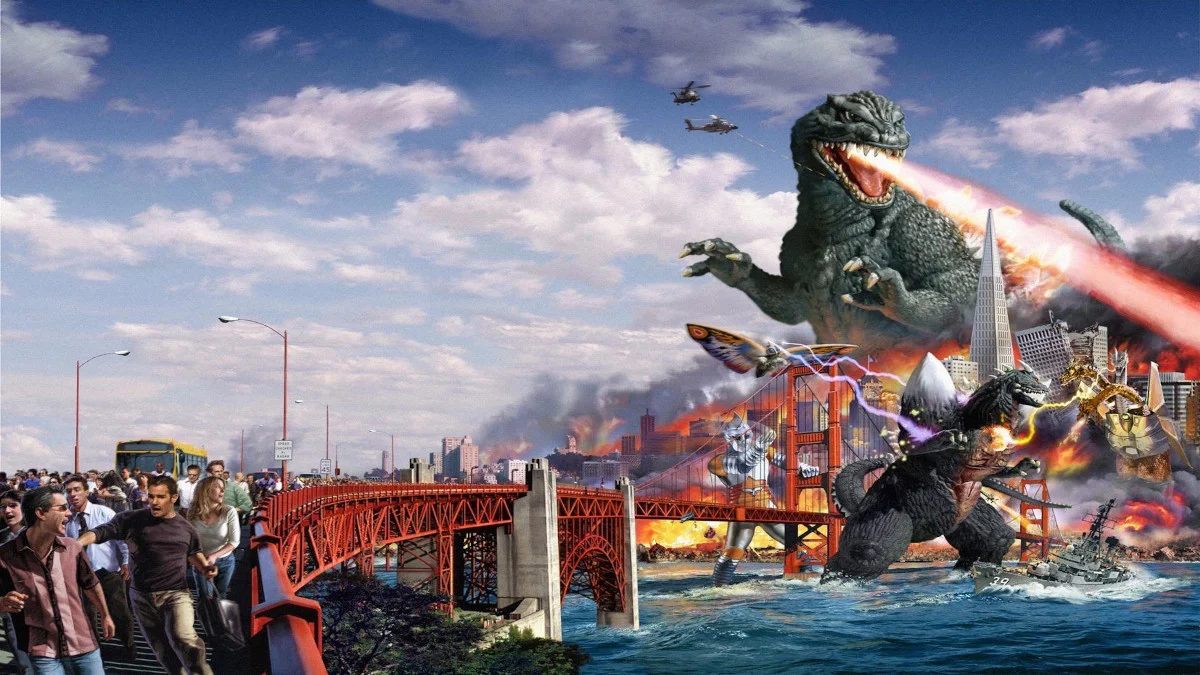
Released in 2004 for the PlayStation 2 and Xbox, Godzilla: Save the Earth stands as a testament to the enduring appeal of kaiju combat. Developed by Pipeworks Software, the game is a direct successor to the 2002 title Godzilla: Destroy All Monsters Melee. Both games operate on a fundamental premise: players engage in colossal, city-leveling brawls, controlling a diverse roster of Godzilla’s allies and adversaries. While Save the Earth‘s combat mechanics might not satisfy the intricate demands of seasoned fighting game veterans, its true strength lies in its unwavering commitment to delivering the raw, unadulterated "giant monster energy" that kaiju enthusiasts crave.
The gameplay emphasizes a satisfying weight behind every impact, where powerful blows send opponents hurtling across destructible arenas with a visceral crunch. The environments themselves are integral to the experience, crumbling and collapsing under the sheer force of the titans’ battles, adding a layer of dynamic destruction that mirrors the spectacle of classic monster movies. For aficionados of the genre, Save the Earth is an undeniable treat. However, its appeal is amplified exponentially for those with a deep-seated passion for the lore and characters originating from Toho, the legendary Japanese film studio responsible for Godzilla’s inception.
The Evolution of Kaiju Combat: From Melee to Save the Earth
Godzilla: Destroy All Monsters Melee offered a respectable starting roster of eleven playable monsters, expanded to twelve in the American Xbox version. However, Godzilla: Save the Earth significantly upped the ante with a more expansive and meticulously curated selection of eighteen distinct kaiju. This impressive roster includes not only the universally recognized titans but also delves into the more obscure corners of Toho’s expansive mythology. Fan-favorite creatures like Baragon, the subterranean beast, and the heroic automaton Jet Jaguar are present, alongside the aforementioned extraterrestrial doppelganger, SpaceGodzilla. This deliberate inclusion of deeper cuts demonstrated a profound understanding and respect for the source material, resonating deeply with long-time fans and serving as an excellent gateway for newcomers.
SpaceGodzilla’s Genesis: From Silver Screen Menace to Digital Demolisher
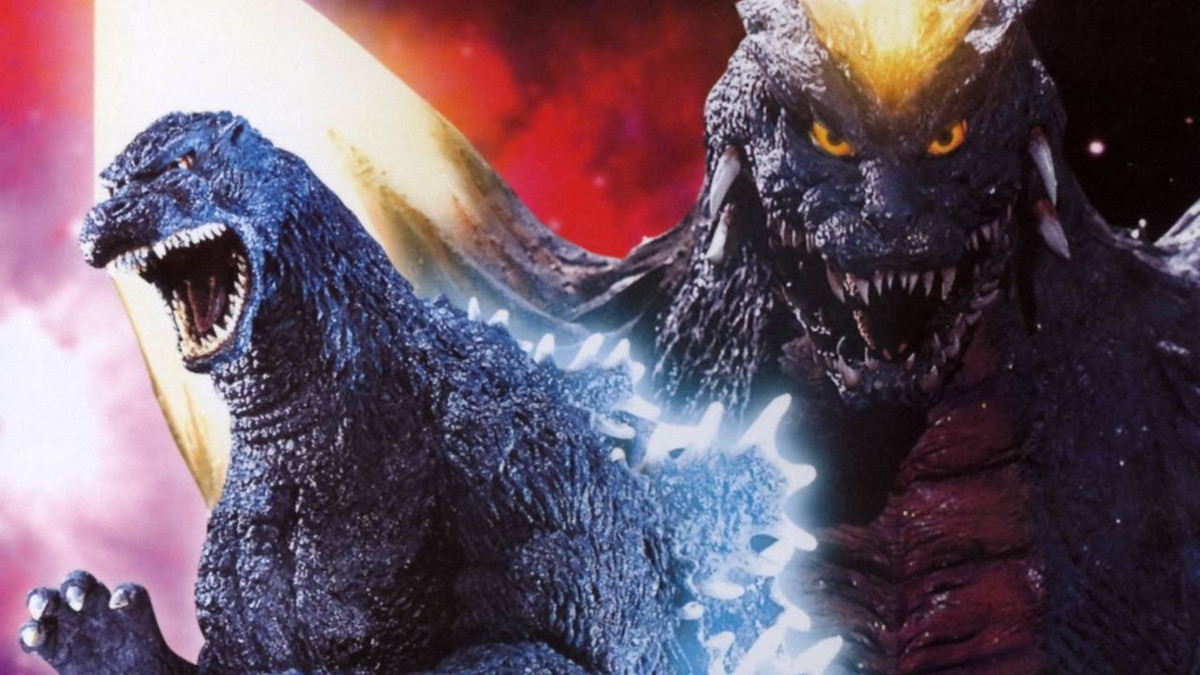
SpaceGodzilla’s inaugural cinematic appearance in Godzilla vs. SpaceGodzilla established him as a profoundly diabolical addition to Godzilla’s pantheon of foes. Fueled by an intense, almost existential hatred for his terrestrial counterpart, SpaceGodzilla’s singular objective was the annihilation of Godzilla and the complete subjugation of Earth, transforming it into a desolate, crystal-encrusted wasteland. His origins are rooted in a complex narrative involving mutated Godzilla cells and a cosmic vortex, granting him immense power and a chillingly alien demeanor.
For many, including this author, the first encounter with SpaceGodzilla was not through a film but through the digital battlegrounds of Godzilla: Save the Earth. Having cultivated a passion for Godzilla lore from a young age, absorbing fragmented pieces of information from online forums and the special features of DVD releases, the discovery of this unique antagonist was a pivotal moment. The narrative arc of Save the Earth culminates in a climactic confrontation with SpaceGodzilla, a challenge that proved to be a significant hurdle and a deeply memorable experience for players navigating the game on its harder difficulties. This final boss encounter, set against a backdrop of impending planetary doom, solidified SpaceGodzilla’s status as a formidable and unforgettable adversary within the Godzilla universe.
The Gameplay Prowess of SpaceGodzilla in Save the Earth
As the resident super-boss of Godzilla: Save the Earth, SpaceGodzilla possesses a devastating and uniquely alien move set. His special abilities, ranging from potent psycho-electric blasts to disorienting telekinetic grapples, exude a truly otherworldly quality. While these formidable attacks deplete his energy reserves, SpaceGodzilla compensates with his signature ability to summon crystalline structures. These crystals not only enhance his offensive capabilities but also accelerate his energy regeneration, creating a challenging ebb and flow for opponents. When mastered, controlling SpaceGodzilla imparts a feeling of unstoppable power, allowing players to bask in the ethereal glow of his crystals while effortlessly tossing adversaries around like mere playthings. This intricate balance of power and vulnerability, combined with his visually striking design and unique abilities, cemented SpaceGodzilla’s status as a fan-favorite character within the game.
The Lingering Impact: Nostalgia and Future Anticipation
The hours spent by myself and countless friends engaged in epic couch co-op sessions of Godzilla: Save the Earth have indelibly shaped our appreciation for the kaiju genre. The game’s success in introducing SpaceGodzilla to a wider audience, and its own merits as an engaging multiplayer title, have ensured his place as a cherished creation within the Toho pantheon.
With Godzilla x Kong: Supernova currently slated for release well over a year from now, the confirmation of SpaceGodzilla’s role has reignited a fervent anticipation for the film’s cinematic spectacle. If Supernova can capture the same thrilling energy and epic scale that defined its predecessors, the upcoming clash between Godzilla, King Kong, and their cosmic adversary promises to be a landmark event. It has the potential to not only satisfy the current generation of fans but also to evoke the same sense of wonder and joy experienced by those who grew up with giant monster battles on their television screens, a nostalgic echo of the lost glory days of cooperative giant monster gaming.
Broader Implications for the Monsterverse Franchise
The strategic decision to pit Godzilla and Kong against SpaceGodzilla carries significant implications for the ongoing narrative trajectory of Legendary’s Monsterverse. SpaceGodzilla’s unique powers, including energy manipulation, crystal generation, and his potent psychic abilities, offer a departure from the more terrestrial, yet equally destructive, threats faced in previous installments. His extraterrestrial origin provides a narrative avenue to explore the wider cosmos and the potential for other cosmic kaiju or alien civilizations influencing Earth’s titanic struggles.
Furthermore, the choice of SpaceGodzilla allows for a direct engagement with a character who has a storied history within Toho’s Godzilla canon, appealing to both long-time fans and introducing a compelling antagonist to newer audiences. This blend of fan service and narrative expansion is a delicate act, but one that, if executed effectively, can solidify the Monsterverse as a dynamic and evolving cinematic universe capable of drawing from a rich wellspring of established lore while forging its own path. The success of Godzilla x Kong: Supernova in integrating SpaceGodzilla’s unique threat profile into the existing Monsterverse framework will be a key indicator of the franchise’s ability to innovate and sustain its appeal in the long term. The integration of such a powerful and distinct antagonist could elevate the stakes considerably, potentially setting a precedent for future, even more ambitious, intergalactic confrontations within the Monsterverse.