

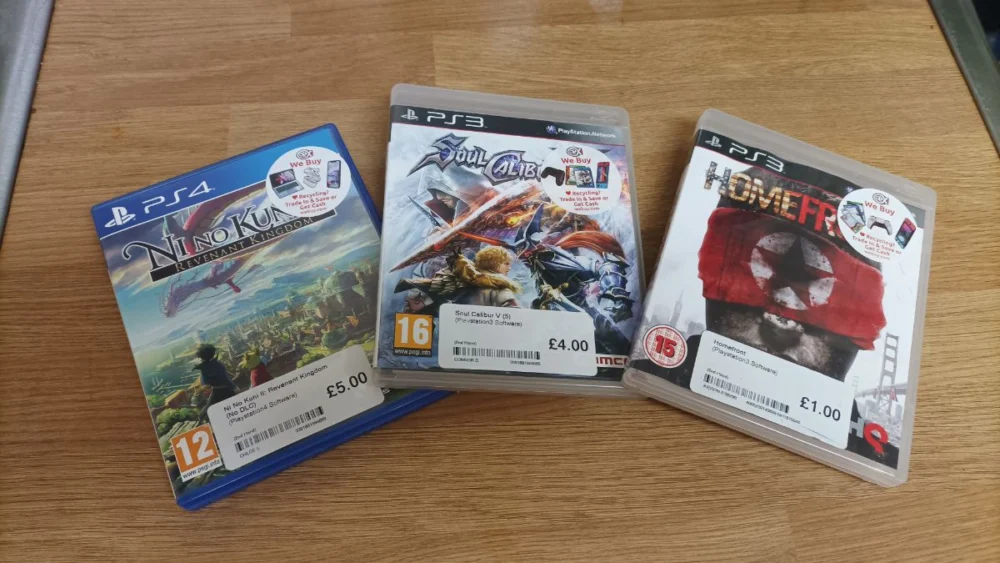
The bustling aisles of a Milton Keynes CeX store on a typical weekend paint a starkly different picture from many North American GameStop locations. Amidst a throng of eager shoppers, PS2, PS3, Wii, Xbox 360, PS4, and PS5 games are eagerly sought, with queues often extending beyond the store’s entrance. This vibrant scene contrasts sharply with the often sparsely populated GameStop stores, where Funko POP! figures might dominate the inventory, and the hum of commerce is considerably quieter. This disparity has fueled speculation and analysis surrounding GameStop’s recent strategic shift towards a "retro" model, a move that observers are closely watching to see if it can replicate the enduring success of the UK’s CeX.
The genesis of this comparison lies in the author’s firsthand experiences living in both Canada and the United Kingdom, highlighting a significant divergence in the video game retail landscape. In the UK, CeX stands as a ubiquitous presence, a retail ecosystem that seamlessly integrates the sale of both the latest gaming releases and a vast catalog of retro titles. Beyond games, CeX has established itself as a reliable marketplace for used movies and a diverse range of consumer electronics, including mobile phones and Bluetooth headsets, fostering a culture of trade-in and value.
Conversely, GAME, the UK’s former dominant video game retailer and often equated with GameStop in North America, has experienced a dramatic downturn. Many of its physical locations have been absorbed into larger retail spaces, such as Sports Direct, and the company has ceased accepting trade-ins altogether, a move described as "bizarre" by industry commentators. This decline in the UK market for traditional video game retailers further amplifies the intrigue around GameStop’s attempt to reinvent itself.
The pivotal announcement came on August 28th, when GameStop revealed its intention to transition a portion of its brick-and-mortar stores to a retro-focused model. According to reports, including analysis from the YouTube channel Spawn Wave, the implementation of this significant strategic pivot appears to have been executed with limited preparation time for store employees. This rapid shift has led to a mix of reactions within the gaming community, with some observers expressing skepticism, while others recognize the potential for a successful turnaround.
The core of GameStop’s gamble rests on the possibility of cultivating a dedicated audience and community, a feat that CeX has demonstrably achieved over several decades in the UK. The success of CeX is not merely anecdotal; it is built upon a deeply ingrained culture of valuing pre-owned goods and facilitating peer-to-peer exchange. For over thirty years, CeX has cultivated a loyal customer base by offering fair trade-in values for a wide array of items, including video games, movies, and technology, thereby providing consumers with accessible avenues to acquire desired items at competitive prices.
This sustained success has spawned a vibrant online subculture. Dedicated YouTube channels, such as Retro Ghetto and TVM, regularly feature content centered around "hauls" and discoveries made within CeX stores. These vlogs showcase the excitement of unearthing rare or sought-after retro titles, demonstrating the significant engagement CeX garners from British gamers and collectors. The allure of visiting a CeX, despite its somewhat quirky name, lies in the anticipation of finding unique items and the thrill of the hunt. The company’s branding even playfully embraces its name, with its free Wi-Fi network humorously labeled "Unprotected CeX."
The contrast with the North American market for retro gaming is stark. Outside of select independent stores in larger urban centers, finding retro games in the United States and Canada often involves navigating the inflated prices of online marketplaces like eBay and Amazon, or relying on serendipitous finds at thrift stores. Furthermore, these online purchases can be further burdened by significant shipping costs. The author recounts a personal struggle to build a retro game collection while living in Canada due to prohibitive reseller prices, underscoring the frustration experienced by many North American consumers seeking affordable access to older gaming titles. The hope is that GameStop Retro can alleviate these frustrations and democratize retro gaming, much like CeX has done in the UK.
Early indicators from GameStop Retro locations suggest a potential for competitive pricing against established online giants. Spawn Wave, in their analysis, noted that prices at these new GameStop Retro outlets were "not terrible" and compared favorably to the often higher costs found on eBay or at gaming conventions. This pricing strategy is crucial for attracting and retaining customers who are accustomed to searching for deals.
A key differentiator that could significantly contribute to GameStop Retro’s success is the transparency and user-friendliness of its online platform. The CeX website, for instance, provides real-time information on stock levels at individual stores and immediately displays the trade-in credit a customer can expect. This level of upfront information is largely absent from the GameStop experience, where the value of trade-ins is often a mystery until a customer physically visits a store. Implementing such a transparent system on GameStop’s digital platforms could dramatically improve customer engagement and trust.
The author’s recent return to the UK has facilitated the acquisition of an extensive PlayStation 3 and PlayStation 4 game library for minimal cost. Titles like Alpha Protocol, Final Fantasy XIII, and PlayStation All-Stars Battle Royale, offering unique gameplay experiences not readily available on modern platforms, have been acquired for just a few pounds. This affordability and the sheer joy of building a collection at such accessible prices have proven to be "addicting." If GameStop Retro can successfully replicate CeX’s model of delivering exceptional value for money and fair trade-in valuations, the initiative holds significant promise for the struggling retailer. However, the broader context of GameStop’s corporate actions, including the widely criticized shutdown of Game Informer magazine and the subsequent layoffs of its staff, casts a shadow over the company, making it challenging for some consumers to fully embrace its endeavors.
The retail landscape for video games has undergone seismic shifts in recent decades. The dominance of physical media has waned, challenged by digital distribution platforms and the increasing prevalence of subscription services. This evolution has placed immense pressure on traditional retailers, forcing them to adapt or face obsolescence. GameStop, once a titan of the industry, has been particularly vulnerable to these changes, grappling with declining sales and a shifting consumer base.
The strategic pivot to a retro-focused model can be understood as an attempt to carve out a niche within a saturated market. By focusing on the enduring appeal of older gaming systems and titles, GameStop aims to tap into a market segment that values nostalgia, collectibility, and affordability. This approach recognizes that while new gaming technology continues to advance, a significant and passionate community remains dedicated to the gaming experiences of the past.
The success of CeX in the UK provides a compelling blueprint for GameStop’s retro ambitions. CeX’s model is built on several key pillars:
- Ubiquitous Presence: CeX stores are strategically located in high-traffic areas, making them easily accessible to a broad customer base.
- Comprehensive Inventory: The store offers a wide range of used products, from video games and consoles to movies, music, and technology, catering to diverse consumer needs.
- Fair Trade-In System: A transparent and competitive trade-in program incentivizes customers to bring in their unwanted items, creating a continuous supply of pre-owned goods.
- Community Engagement: CeX has fostered a sense of community through its online presence, social media engagement, and the creation of a platform where enthusiasts can connect and share their passion.
- Value Proposition: The core appeal of CeX lies in its ability to offer high-quality used products at significantly lower prices than new retail equivalents, making gaming and entertainment more accessible.
GameStop’s challenge lies in not only adopting these operational elements but also in rebuilding consumer trust and brand loyalty, which has been eroded by past corporate decisions. The company’s stock performance has been notoriously volatile, often influenced by social media trends rather than fundamental business performance. This unpredictability makes it difficult for investors and consumers alike to gauge the long-term viability of its strategies.
The implications of GameStop Retro’s success or failure extend beyond the company itself. A thriving retro gaming market, facilitated by accessible retail channels, could have a significant positive impact on the preservation and accessibility of video game history. It could encourage more developers and publishers to consider re-releasing classic titles or even create new games inspired by retro aesthetics and gameplay. Furthermore, it could provide a much-needed economic boost for independent game developers and collectors who rely on the secondary market for their livelihoods.
The timeline for GameStop’s retro transformation remains unfolding. The initial announcement in August marked the beginning of a significant operational and brand repositioning. The speed at which these changes are implemented and the degree to which they resonate with consumers will be critical factors in determining the initiative’s ultimate outcome. Early performance data from the retro-focused stores, combined with customer feedback and market analysis, will provide crucial insights into the effectiveness of GameStop’s new direction.
The broader context of the video game industry’s ongoing evolution, with its increasing reliance on digital downloads and subscription services, presents a formidable challenge. However, the enduring appeal of physical media, particularly for collectors and enthusiasts of retro games, suggests that there is still a viable market for well-executed brick-and-mortar retail. The question is whether GameStop can successfully navigate this complex landscape and leverage the lessons learned from international success stories like CeX to secure its own future. The success of GameStop Retro may well hinge on its ability to foster a genuine community, offer compelling value, and, perhaps most importantly, regain the trust of the gaming public.