
The weekend rush at a typical CeX store in the United Kingdom presents a stark contrast to the often-quiet aisles of GameStop locations across North America. In Milton Keynes, as in many bustling UK cities, the queue for CeX can snake out the door, a testament to the enduring appeal of its model. Patrons eagerly sift through shelves brimming with pre-owned games spanning generations – from the PlayStation 2 and original Xbox to the current PlayStation 5 and Xbox Series X/S. This vibrant scene, fueled by a culture of trading and acquiring used media, stands in sharp relief to the experience often encountered at GameStop, where Funko POP! figures might outnumber active shoppers and new releases can languish without significant foot traffic. This divergence has led many to scrutinize GameStop’s recent strategic shift, which includes the introduction of "GameStop Retro" stores, and to ponder if the UK’s CeX could indeed provide a viable blueprint for revitalizing the struggling North American retailer.
The author’s personal experiences, living in both Canada and the UK, underscore this perceived disparity. In the UK, CeX is a ubiquitous presence, a one-stop shop not only for the latest gaming titles but also for a vast array of retro games, pre-owned movies, and consumer electronics like mobile phones and Bluetooth headsets. This comprehensive approach to the second-hand market has cultivated a loyal customer base. Conversely, GAME, the UK’s equivalent of GameStop, has faced significant challenges, with many of its outlets now integrated into Sports Direct stores and having ceased accepting trade-ins, a move described by the author as “bizarre.”
This strategic reorientation by GameStop comes after a period of considerable market shifts and internal restructuring. On August 28, the company officially announced its intention to convert a portion of its existing retail footprint into retro-focused outlets. This decision was reportedly communicated to employees with limited lead time, according to insights shared in a video by the YouTube channel Spawn Wave, which closely follows gaming industry trends. While the move has elicited skepticism and even amusement in some online gaming communities, the potential for GameStop’s retro initiative to succeed hinges on its ability to cultivate a dedicated audience and foster a community akin to the one that thrives around CeX in the UK.
CeX: Cultivating a Culture of Pre-Owned Value
The enduring popularity of CeX in the United Kingdom, evidenced by consistent queues in major urban centers like London and Milton Keynes, is not a recent phenomenon. For over three decades, the company has meticulously built a robust business model centered on empowering consumers to trade their used items – be it games, electronics, or movies – for substantial store credit or cash. This established ecosystem offers customers access to a wide range of affordable entertainment and technology, creating a compelling value proposition.
The UK’s retro gaming scene, in particular, has been significantly bolstered by CeX’s consistent presence and accessible pricing. This has, in turn, spawned a dedicated online community. YouTube channels such as Retro Ghetto and TVM regularly feature vlogs showcasing the treasures discovered within CeX stores, highlighting the thrill of the hunt for rare or nostalgic gaming titles. This active engagement from content creators and viewers alike underscores the significant following CeX commands within the British Isles. The act of visiting a CeX store, despite its somewhat unusual name, has become an anticipated event for many, offering a tangible connection to gaming history. The company’s branding, including its rather unique approach to naming its free Wi-Fi as "Unprotected CeX," has become a recognizable, if quirky, element of its identity.
The North American Challenge: Scarcity and High Prices
In stark contrast, the landscape for acquiring retro games in the United States and Canada is considerably more fragmented and often less convenient. While independent game stores do exist in some North American cities, they are not as widespread as CeX in the UK. Consequently, consumers seeking older gaming titles are frequently relegated to online marketplaces such as eBay and Amazon. These platforms, while offering vast selections, are often characterized by inflated prices, driven by resellers and collectors. Furthermore, the cost of shipping these items can add a significant premium, making the pursuit of a retro gaming collection an expensive endeavor. Even fortunate finds at thrift stores are often sporadic and unpredictable.
The author’s personal experience during their time living in Canada illustrates this frustration. The prohibitive cost of retro games from resellers made building a collection an impractical pursuit. The prospect of GameStop Retro potentially alleviating these frustrations and making retro gaming more accessible and affordable, mirroring CeX’s success, is therefore a hopeful one for many North American gamers.
GameStop Retro: Early Indicators and Potential Pitfalls
Initial observations from GameStop Retro locations suggest a potentially competitive pricing strategy. Spawn Wave, in their analysis, noted that the prices encountered were "not terrible" and appeared more reasonable compared to many listings on eBay or prices typically found at gaming conventions. This suggests that GameStop may be attempting to position itself as a more accessible alternative to the often-speculative secondary market.
A significant advantage that CeX holds, and which GameStop Retro could emulate, is its transparent online presence. The CeX website provides real-time stock information for individual stores, along with immediate trade-in valuations. This level of transparency is largely absent from GameStop’s current model, where customers often face uncertainty regarding available inventory and the value of their trade-ins. Implementing a similar user-friendly online interface could significantly enhance customer experience and trust for GameStop.
The Broader Implications for GameStop
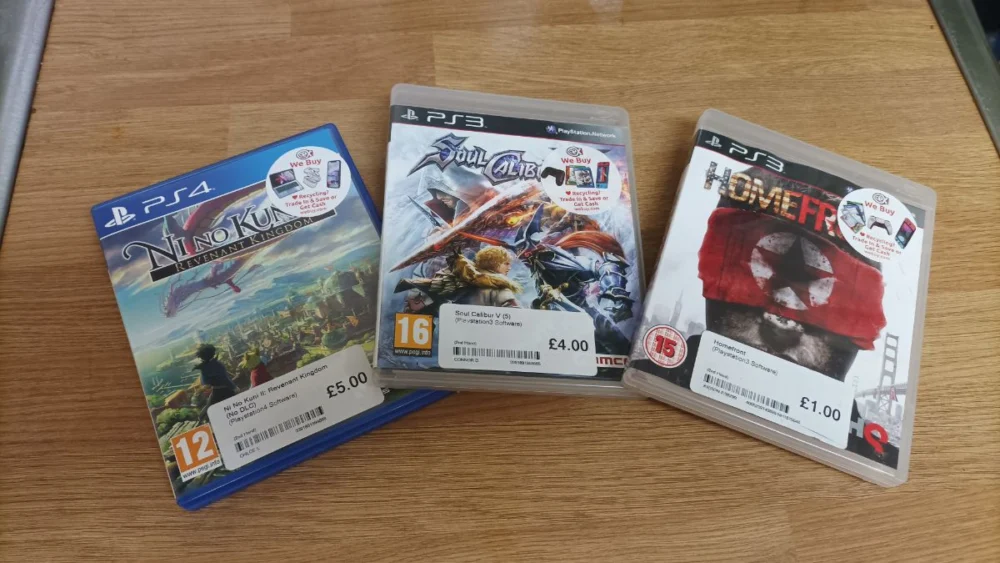
The success of GameStop’s retro initiative hinges on its ability to replicate the core tenets of CeX’s model: competitive pricing, a robust trade-in system, and the cultivation of a community. The author’s experience of amassing an extensive PlayStation 3 and PlayStation 4 library in the UK for mere pounds highlights the economic appeal of CeX. Acquiring titles like Alpha Protocol, Final Fantasy XIII, and PlayStation All-Stars Battle Royale at such accessible prices, offering experiences not readily available on modern platforms, can indeed become an addictive pursuit.
However, GameStop’s path forward is not without its complexities, particularly in light of past corporate decisions. The company’s controversial actions, including the shutdown of Game Informer magazine and the subsequent layoffs of its staff, have undoubtedly impacted public perception and trust within the gaming industry. While the potential for GameStop Retro to succeed as a business venture is significant, overcoming these lingering reputational challenges will be crucial for fostering genuine consumer loyalty.
Data and Market Context
The global market for pre-owned video games has seen a resurgence in recent years, driven by a combination of nostalgia, economic value, and a desire for physical media in an increasingly digital world. Market research indicates that the pre-owned games sector remains a significant contributor to the overall video game industry revenue. For instance, reports from market analysis firms have consistently shown that while new game sales fluctuate, the used game market provides a stable and often lucrative stream of income for retailers capable of effectively managing inventory and trade-ins. The increasing value placed on retro consoles and games, as evidenced by auction prices and the proliferation of retro gaming events, further underscores the potential market for a dedicated retro retail strategy.
The shift towards a "circular economy" for consumer goods, including electronics and media, is also gaining traction. Consumers are increasingly aware of the environmental impact of their purchasing habits and are seeking out more sustainable options, such as buying pre-owned. This trend could further bolster the appeal of retailers like CeX and, potentially, GameStop Retro, if they effectively communicate their commitment to sustainability alongside their economic value proposition.
Chronology of GameStop’s Strategic Shifts
While the announcement of "GameStop Retro" is recent, the company’s strategic maneuvering has been ongoing. In the years leading up to this pivot, GameStop has faced declining sales in its traditional new software and hardware segments, a trend exacerbated by the rise of digital game distribution and increasing competition from online retailers and direct-to-consumer platforms.
- Mid-to-Late 2010s: GameStop begins to experience significant headwinds as digital game sales become dominant. The company attempts to diversify its offerings, including expanding into collectibles and mobile phone repair, with mixed success.
- Early 2020s: The "meme stock" phenomenon briefly elevates GameStop’s stock price and public profile, but does little to address the fundamental challenges facing its core retail model.
- 2023-2024: Reports emerge of GameStop experimenting with retro-focused store concepts in select locations. This culminates in the official announcement of "GameStop Retro" as a strategic initiative to revitalize certain retail spaces.
- August 28, [Year of Announcement]: GameStop formally announces the shift of some stores to a retro model, sparking widespread discussion and analysis within the gaming community.
Analysis of Implications
The success of GameStop Retro is far from guaranteed. It requires a deep understanding of the retro gaming market, effective inventory management, and a commitment to competitive pricing that can genuinely challenge online alternatives. The company must also navigate the logistical complexities of sourcing and evaluating a wide range of older titles, ensuring authenticity and functionality.
Furthermore, the initiative must contend with the established presence of independent retro game stores and online marketplaces that have already cultivated dedicated followings. GameStop’s ability to create a compelling in-store experience, offering not just products but also a sense of community and nostalgia, will be paramount. If successful, GameStop Retro could represent a significant shift in the company’s trajectory, moving it away from a reliance on new releases and towards a more sustainable and potentially profitable pre-owned market. The UK’s CeX serves as a compelling case study, demonstrating that with the right approach, a retail model built on pre-owned goods can thrive and foster a passionate community. The question remains whether GameStop can adapt this model effectively to the unique dynamics of the North American market and overcome its own historical challenges.