
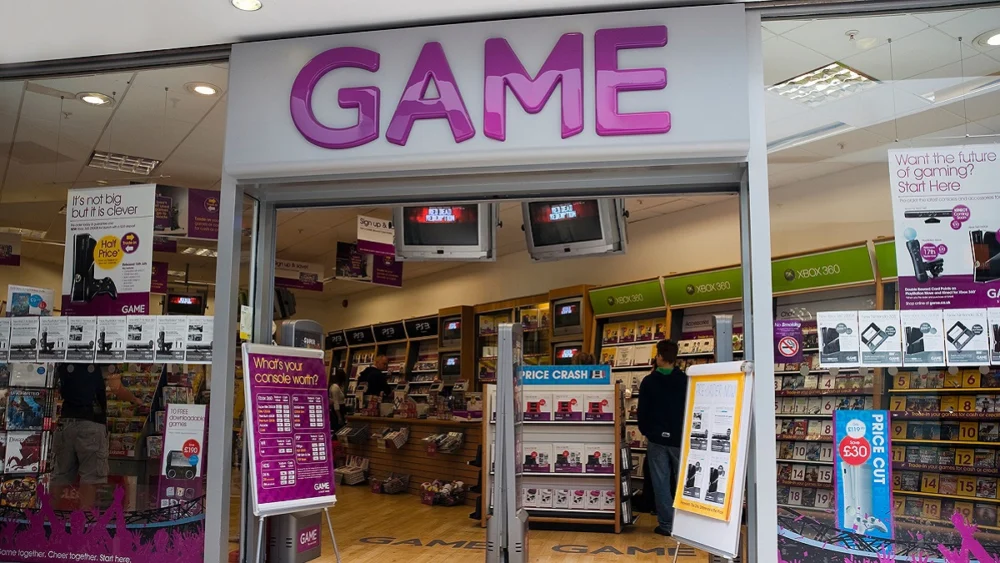
The United Kingdom’s high street gaming retail giant, GAME, is reportedly preparing its staff for potential redundancies, a move that signals further turbulence within an already beleaguered video game industry. Anonymous sources within the company have informed Eurogamer that employees have been advised to anticipate job cuts, with a significant portion of the workforce being transitioned to zero-hours contracts. While official confirmation from GAME remains pending, these developments paint a stark picture of the challenges facing physical retail in the digital age.
The news emerges against a backdrop of widespread economic pressures impacting the global games sector. Over the past year, numerous studios have announced significant layoffs, and several development houses have ceased operations entirely. This trend, driven by factors such as increased development costs, evolving consumer spending habits, and a saturated market, now appears to be extending to the retail side of the industry, with GAME, a long-standing fixture on the UK’s high streets, at the forefront of this latest wave of uncertainty.
A Legacy Under Threat: The Evolution of GAME
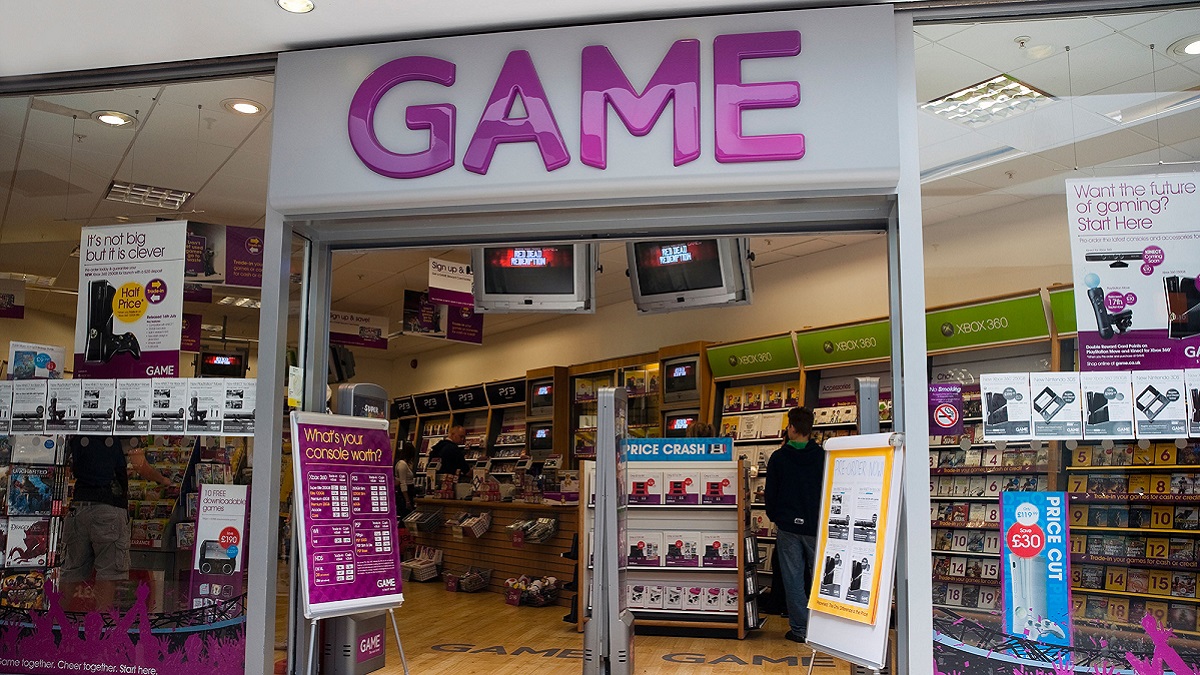
Founded in 1992, GAME (Gaming, Adventures, and More Entertainment) rapidly established itself as the premier destination for gamers in the UK. For decades, its physical stores were hubs for new releases, pre-orders, and the vibrant exchange of gaming culture. At its peak, the company boasted over 250 outlets across the nation, serving as a crucial touchpoint for consumers seeking physical copies of their favorite titles, gaming accessories, and consoles. The tangible experience of browsing shelves, discussing upcoming games with knowledgeable staff, and the immediate gratification of purchasing a new game represented a significant part of the gaming ritual for many.
However, the inexorable rise of digital distribution platforms, such as Steam, PlayStation Store, and Xbox Games Store, has fundamentally reshaped how consumers acquire and play video games. The convenience, often coupled with competitive pricing and instant access, has led to a dramatic decline in the demand for physical media. This seismic shift has placed immense pressure on traditional brick-and-mortar retailers like GAME, forcing them to adapt or face obsolescence.
The company’s struggles have not gone unnoticed by the wider retail landscape. In 2019, GAME was acquired by the Frasers Group, a prominent British retail conglomerate led by businessman Mike Ashley, also known for its ownership of Sports Direct. This acquisition signaled an attempt to integrate GAME into a larger retail portfolio and potentially leverage synergies across different brands. Despite this intervention, the challenges persisted. Earlier this year, reports confirmed that GAME would be discontinuing its popular trade-in service, a significant revenue stream and a key draw for many customers looking to offset the cost of new games. This decision further underscored the precarious financial position of the company and its efforts to streamline operations.
The Shift to Zero-Hours Contracts: A Sign of Instability
The reported move towards zero-hours contracts for non-managerial staff is a particularly concerning development. A zero-hours contract is an employment agreement where the employer does not guarantee any minimum number of working hours. This arrangement offers flexibility for employers but leaves employees with unpredictable income and limited job security, making it difficult to plan personal finances or secure loans.
For employees, this transition means a loss of guaranteed income and benefits that often accompany more stable employment. It raises questions about the long-term viability of these roles and the company’s commitment to its existing workforce. The fact that staff are being informed through direct communication channels, such as phone calls or emails, about their job statuses suggests a structured approach to these potential changes, but it does little to alleviate the anxiety for those affected.
Industry-Wide Context: A Broader Economic Climate
The situation at GAME is not an isolated incident but rather a symptom of a larger economic climate affecting the entire video game industry. 2023 and early 2024 have been marked by an unprecedented wave of layoffs. Major publishers and developers, including Sony, Microsoft, Riot Games, Epic Games, and Activision Blizzard, have all implemented significant workforce reductions. These cuts have impacted thousands of employees globally, from entry-level positions to senior leadership.
Several factors are contributing to this downturn:
- Post-Pandemic Normalization: The COVID-19 pandemic saw a surge in gaming activity and sales as people sought entertainment at home. As societies reopened, consumer spending patterns shifted, and the accelerated growth experienced during lockdowns began to normalize.
- Increased Development Costs: The technical complexity and ambition of modern AAA game development continue to drive up budgets. This necessitates higher sales volumes to recoup investments, making the market more volatile.
- Market Saturation and Competition: The sheer volume of game releases, coupled with the rise of free-to-play models and subscription services, intensifies competition for consumer attention and spending.
- Economic Uncertainty: Broader economic headwinds, including inflation and concerns about a potential recession, can lead consumers to reduce discretionary spending on non-essential items like video games.
- Consolidation and Restructuring: Large acquisitions, such as Microsoft’s purchase of Activision Blizzard, often lead to internal restructuring and workforce adjustments as new ownership seeks to optimize operations.
The impact of these layoffs extends beyond the immediate financial hardship for individuals. It creates a climate of uncertainty, potentially affecting morale and productivity across the industry. For aspiring game developers, it makes an already competitive field even more challenging.
Chronology of Recent Challenges for GAME:
- 2019: GAME is acquired by Frasers Group. This acquisition marks a significant shift in ownership for the retail chain.
- Early 2024: Reports emerge that GAME will cease its popular trade-in service. This move is seen as a strategic decision to cut costs and streamline operations in the face of declining physical media sales.
- April 2024: Anonymous staff members report being informed of potential redundancies and a widespread shift to zero-hours contracts. This news surfaces following a period of significant industry-wide layoffs and economic challenges.
Analysis of Implications: The Future of Physical Retail
The potential layoffs at GAME and the shift to zero-hours contracts have profound implications, not only for the company and its employees but also for the broader landscape of physical game retail.
- For Employees: The most immediate impact is on the livelihoods of GAME’s staff. Loss of stable employment and the transition to precarious work arrangements can have devastating personal and financial consequences. This also raises ethical questions about the responsibility of large retail organizations towards their workforce during times of transition.
- For Consumers: While many gamers have embraced digital purchases, a significant segment still values the physical ownership of games, the ability to resell or trade them, and the curated experience of a specialist retailer. The further contraction of physical retail options could diminish choice and convenience for this demographic. It also impacts the ability for impulse buys and discovery of titles outside of algorithmic recommendations.
- For the Industry: The struggles of a prominent physical retailer like GAME highlight the ongoing challenges of adapting to digital-first business models. It may signal a further acceleration in the decline of physical game stores, potentially leaving a void in the retail ecosystem. This could also influence how publishers approach physical releases, with a greater focus on limited editions or collector’s items for dedicated fans, rather than mass-market physical distribution.
- The Role of Frasers Group: The acquisition by Frasers Group was intended to provide a lifeline and a strategic direction. The current situation raises questions about the effectiveness of these strategies in navigating the evolving retail environment. It may indicate that even within a larger retail conglomerate, the specific challenges of the video game market require tailored and innovative solutions that have yet to be fully implemented.
Seeking Official Comment:
Eurogamer has reportedly reached out to GAME for an official statement regarding these developments. As of the time of this report, no formal response has been issued by the company. The lack of official communication can often exacerbate employee anxiety and speculation. When companies face significant structural changes, transparent and timely communication is crucial for managing expectations and maintaining any semblance of employee trust.
The future of GAME, and indeed the broader physical video game retail sector, remains uncertain. The current reports suggest a period of significant upheaval for the company and its employees. As the industry continues to grapple with the ongoing digital transformation and broader economic pressures, the challenges faced by retailers like GAME serve as a potent reminder of the dynamic and often unforgiving nature of the modern marketplace. The coming weeks and months will likely reveal the full extent of these potential changes and their lasting impact on the UK’s gaming community.