
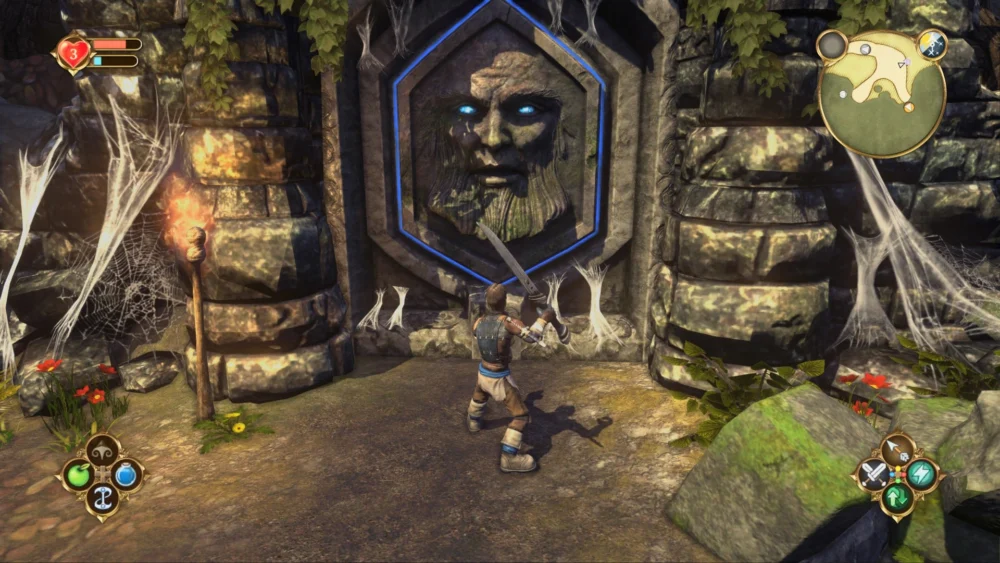
The recent Xbox Developer Direct has reignited global interest in the Fable franchise, following a comprehensive gameplay deep dive that confirmed the reboot’s arrival on Xbox Series X|S, PC, and PlayStation 5 later this year. This resurgence in popularity has prompted a significant portion of the gaming community to revisit—or in many cases, experience for the first time—the foundational titles of the series. Specifically, Fable: Anniversary, the 2014 high-definition remaster of the 2004 original, has emerged as a primary point of interest for players seeking to understand the mechanical and tonal roots of the Land of Albion before Playground Games releases its modern interpretation. As the industry moves through 2026, the technical resilience of this two-decade-old intellectual property provides a unique case study in the longevity of stylized art direction and the efficacy of Microsoft’s backward compatibility suite.
Technical Infrastructure and Modern Enhancements
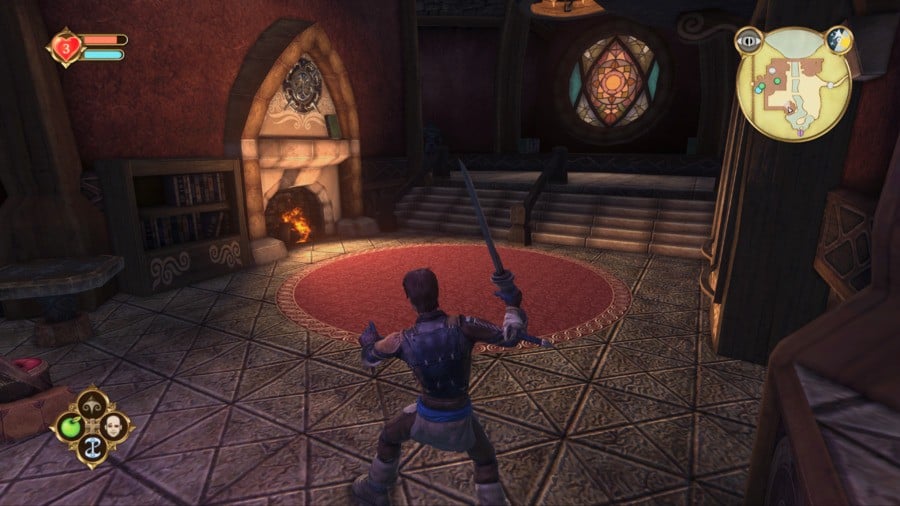
Fable: Anniversary represents a complex layer of iterative development. Originally released for the Xbox 360 as a tenth-anniversary tribute to the OG Xbox classic, the game underwent a massive overhaul of its visual assets. The transition included entirely new textures, updated 3D models, and a sophisticated lighting system designed to replace the flat aesthetics of the early 2000s. However, the true technical evolution of the title is most apparent when running on current-generation hardware such as the Xbox Series X.
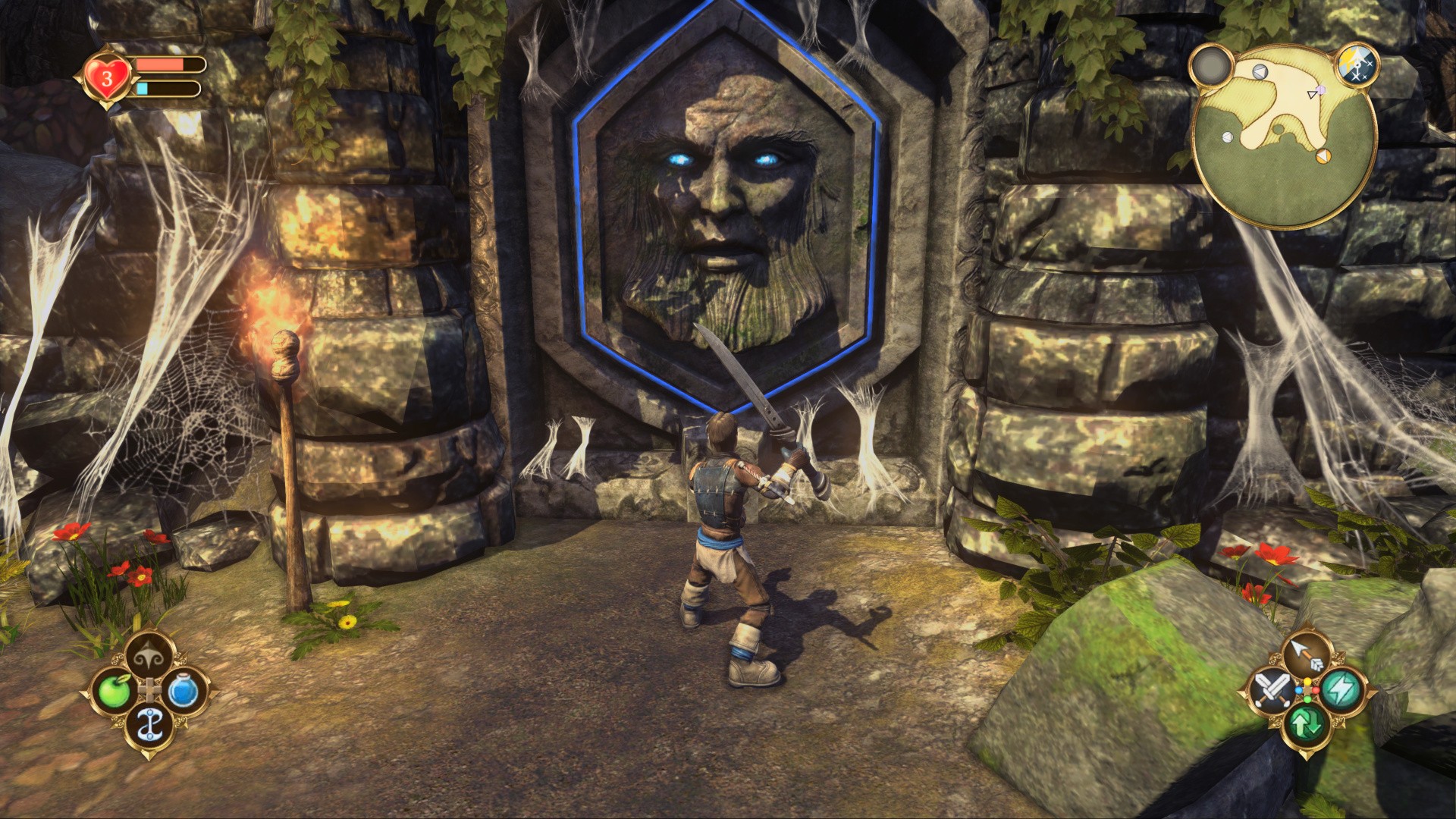
Under the hood, the game utilizes the "Xbox One X Enhanced" protocol. For users on the Series X, this results in a native 4K Ultra HD output, providing a level of image clarity that was unattainable during the game’s initial launch windows. This resolution boost is further augmented by the implementation of Auto HDR, an AI-driven system that maps standard dynamic range content into a high dynamic range space, enhancing contrast ratios and color depth without requiring manual developer intervention.
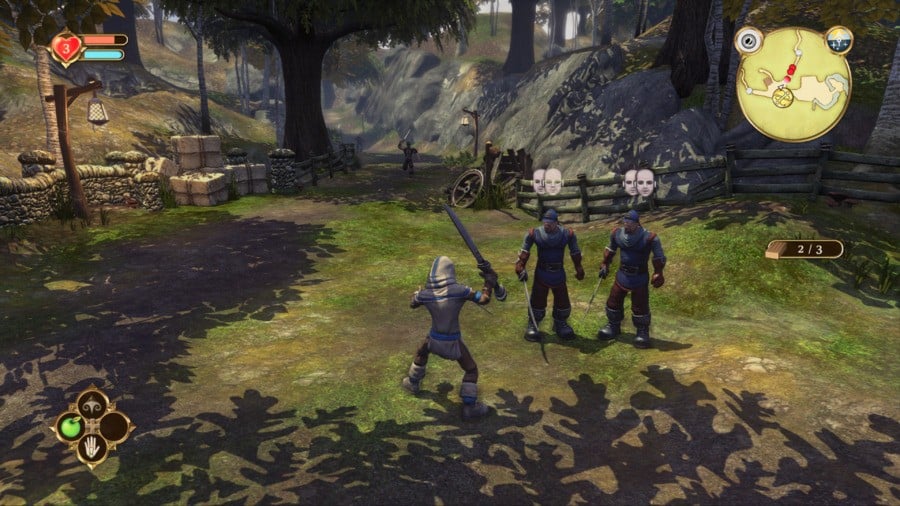
Perhaps the most significant performance metric in 2026 is the application of the Xbox FPS Boost. While Fable: Anniversary was originally locked at 30 frames per second (FPS) to maintain stability on the Xbox 360, modern hardware allows the title to run at a consistent 60 FPS. This doubling of the frame rate fundamentally alters the combat experience, reducing input latency and smoothing the animations of the Hero’s flourish attacks and spell-casting. While critics note that character models can appear dated during close-up cinematic sequences—a byproduct of the 2014 remaster’s geometry—the environmental rendering of Albion remains visually cohesive, benefiting from a stylized art style that prioritizes atmosphere over photorealism.
A Chronology of the Fable Franchise (2004–2026)
The trajectory of the Fable series is marked by periods of immense innovation followed by a decade of relative dormancy. Understanding the current excitement requires a look at the historical timeline:
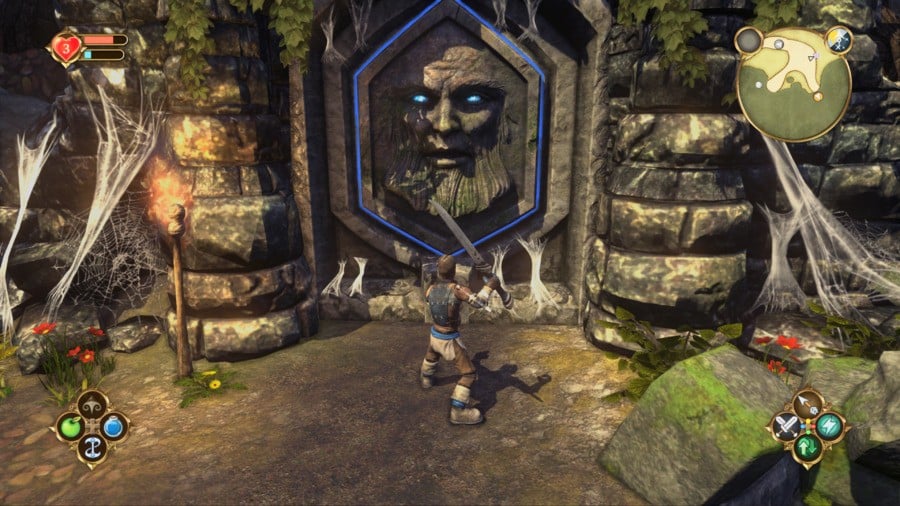
- September 2004: Lionhead Studios, led by Peter Molyneux, releases Fable on the original Xbox. It introduces the concept of a "living world" where player actions visibly age the protagonist and alter their moral alignment.
- September 2005: Fable: The Lost Chapters expands the original game with new regions, quests, and story beats, setting the gold standard for the franchise’s content.
- October 2008: Fable II launches to critical acclaim, introducing the iconic canine companion and a more refined social simulation system.
- October 2010: Fable III attempts to scale the experience to a kingdom-management level, receiving mixed reviews for its simplified mechanics.
- February 2014: Fable: Anniversary is released, bringing the original game’s mechanics to the Xbox 360 with modern visuals and achievements.
- April 2016: Microsoft shutters Lionhead Studios and cancels the multiplayer-focused Fable Legends, leaving the franchise in limbo.
- July 2020: A reboot is officially announced, developed by Playground Games (the studio behind the Forza Horizon series).
- January 2026: The Xbox Developer Direct showcases the first extended gameplay of the reboot, confirming a cross-platform release.
This chronology highlights why Fable: Anniversary remains the essential entry point for the modern audience. It serves as the bridge between the experimental origins of the series and the high-production values expected in the current market.
The Artistic and Auditory Identity of Albion
A defining characteristic of the Fable series that remains potent in 2026 is its unique auditory landscape. The original score for Fable was a collaborative effort that set a high bar for the fantasy genre. The main theme was composed by Danny Elfman, whose work on The Simpsons and various Tim Burton films brought a whimsical, gothic quality to the game’s introduction. The remainder of the soundtrack was handled by Russell Shaw, whose BAFTA-nominated work defined the pastoral and often eerie atmosphere of regions like Oakvale and the Witchwood.
The soundtrack’s ability to evoke nostalgia while remaining musically complex is a major factor in the game’s enduring immersion. In 2026, the identity of the composer for the upcoming reboot remains a subject of intense industry speculation. While Russell Shaw’s involvement would provide a direct link to the franchise’s heritage, the shift to Playground Games suggests a potential new direction for the series’ music, mirroring the studio’s reputation for high-energy, modern audio design.
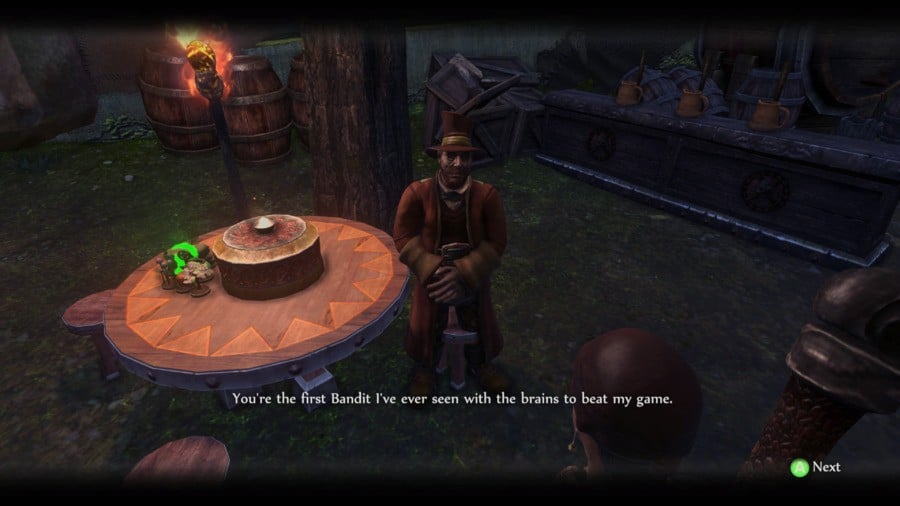
Furthermore, the satirical tone of the NPCs (Non-Player Characters) remains a standout feature. Unlike the self-serious high fantasy found in The Elder Scrolls or The Witcher, Fable leans heavily into British irreverence. The ability for players to adopt derogatory titles such as "Arseface" or "Chicken Chaser," and have the world react accordingly, remains a benchmark for reactive world-building. This humor is not merely cosmetic; it is an essential component of the game’s identity, separating it from its contemporaries by emphasizing the absurdity of the "Chosen One" trope.
Distribution Disparities and Accessibility Hurdles
Despite the technical successes of the backward compatibility program, a notable discrepancy exists in the game’s availability across platforms. As of early 2026, Fable: Anniversary is conspicuously absent from the native PC Game Pass library. While the title is available for purchase on Steam, it has not been integrated into the Xbox PC application in a way that supports native installation through the subscription service.
This has forced PC and handheld players (using devices like the ROG Ally X) to rely on Xbox Cloud Gaming to access the title. While cloud streaming has seen significant improvements in latency and visual fidelity over the last two years, it remains a secondary option compared to native hardware execution. The absence of Fable II and Fable III on PC Game Pass further complicates the situation; Fable II remains an Xbox 360 console exclusive, while Fable III was delisted from major PC storefronts over a decade ago due to licensing and technical issues.
Industry analysts suggest that these gaps in the library may be addressed in the months leading up to the reboot’s launch. There is a strategic logic in ensuring the entire trilogy is natively playable on PC to maximize brand synergy, yet the current reliance on cloud infrastructure for Fable: Anniversary remains a point of contention for preservationists and new fans alike.
Broader Industry Impact and the Playground Games Transition
The move from the now-defunct Lionhead Studios to Playground Games represents one of the most significant studio transitions in Microsoft’s history. Playground Games, known for the technical excellence of the Forza Horizon series, brings a different philosophy to the RPG genre. Where Lionhead was driven by the experimental—and sometimes over-ambitious—promises of Peter Molyneux, Playground is known for polished, systemic open worlds.
The success of Fable: Anniversary in 2026 proves that the core "DNA" of Fable—the morality system, the British wit, and the condensed, high-detail world—still resonates with modern audiences. However, it also highlights the challenges Playground faces. The reboot must balance the "ugly-beautiful" aesthetic of the original characters with modern expectations for fidelity, and it must replicate the charm of the original NPC interactions without feeling dated.
As the gaming community looks toward the latter half of 2026, the performance of Fable: Anniversary on Series X serves as a reminder that a strong mechanical foundation can survive multiple hardware cycles. The game’s ability to "hook" new players two decades after its conception suggests that the appetite for Fable’s specific brand of fantasy is as strong as ever. Whether the reboot can capture the same lightning in a bottle remains the most anticipated question of the current console generation. For now, the Land of Albion, in its remastered 4K/60FPS glory, continues to offer a compelling argument for the importance of legacy titles in the modern gaming ecosystem.