
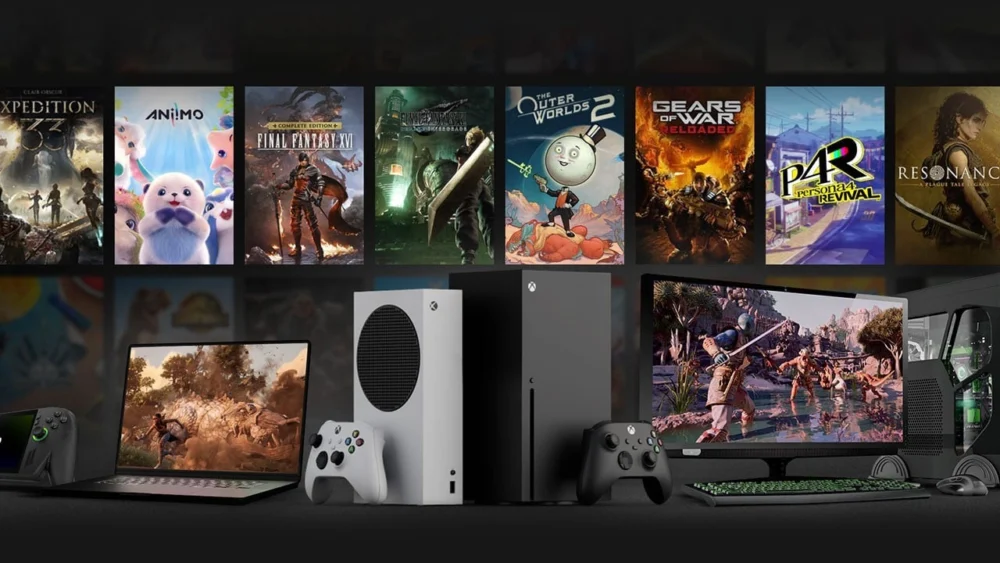
During the 2026 Game Developers Conference (GDC) in San Francisco, Microsoft expanded its support for the global game development community by announcing the launch of PlayFab Foundation Mode. This new tier of service provides the core infrastructure of the PlayFab suite to every developer and publisher shipping titles on the Xbox platform at no additional cost. The announcement arrived as a secondary but significant component of Microsoft’s broader "Project Helix" presentation, which also provided the first concrete details regarding the company’s next-generation console hardware slated for a 2027 release.
PlayFab Foundation Mode is designed to democratize access to high-level backend services that were previously gated behind subscription models or required extensive internal engineering to build from scratch. By making these tools free for all Xbox-aligned developers, Microsoft is positioning itself as a central hub for cross-platform play, aiming to eliminate the friction typically associated with connecting players across different hardware ecosystems.
The Evolution of PlayFab and the Xbox Ecosystem
The integration of PlayFab into the Microsoft Gaming ecosystem began in earnest in January 2018, when Microsoft acquired the Seattle-based backend-as-a-service (BaaS) provider. At the time, PlayFab was already a leader in providing cloud-based tools for live-ops, allowing developers to manage games after launch without maintaining their own server farms. Over the last eight years, Microsoft has gradually folded PlayFab’s capabilities into the Xbox GDK (Game Development Kit).
In September 2025, Microsoft took a preliminary step toward the current announcement by making cross-save functionality free for developers moving between Xbox consoles and PC. The introduction of PlayFab Foundation Mode at GDC 2026 represents the completion of this strategy, offering a comprehensive suite of services that extends far beyond simple save-data synchronization.
Detailed Breakdown of the Seven Service Pillars
Microsoft has structured PlayFab Foundation Mode around seven "service pillars." These pillars represent the fundamental requirements for modern, connected gaming experiences. By providing these for free, Microsoft intends to lower the "engineering tax" that often prevents smaller studios from implementing robust online features.
1. Unified Identity and Authentication
The Foundation Mode allows developers to implement cross-network login systems effortlessly. This service manages the complexities of linking Xbox accounts with other third-party IDs (such as Steam, PlayStation Network, or Nintendo Switch Online), ensuring a single, persistent player identity across all platforms.
2. Social Systems and Community Management
This pillar includes tools for managing friends lists, groups, and clubs that span multiple platforms. It enables developers to build community-driven features that are not tethered to a specific console’s native social architecture, fostering a more unified player base.
3. Cross-Platform Matchmaking and Lobbies
One of the most technically demanding aspects of multiplayer development is the creation of a matchmaking system that can handle different input methods and network protocols. Foundation Mode provides the logic required to group players based on skill, latency, and platform preference without requiring the developer to build a bespoke matchmaking engine.
4. Economy and Catalog Management
Developers can now use PlayFab’s tools to manage in-game stores, virtual currencies, and inventory systems for free. This includes the ability to update item prices or add new content via the cloud without requiring a full client-side patch, which is essential for maintaining a "live service" model.
5. Leaderboards and Competitive Tracking
The service provides scalable leaderboards that can track millions of players in real-time. These leaderboards are platform-agnostic, allowing a player on an Xbox Series X to compare their scores directly with a player on a high-end PC or a mobile device.
6. Data Analytics and Telemetry
Foundation Mode includes a core set of analytical tools that provide developers with insights into player behavior. Understanding where players drop off, which features are most engaged with, and how the economy is balancing is critical for the long-term health of any title.
7. Communication and Notification Services
This final pillar covers the infrastructure for in-game messaging, push notifications, and automated alerts. It ensures that developers can communicate with their player base across all devices, keeping users engaged with events and updates.
Strategic Context: Reducing Engineering Overhead
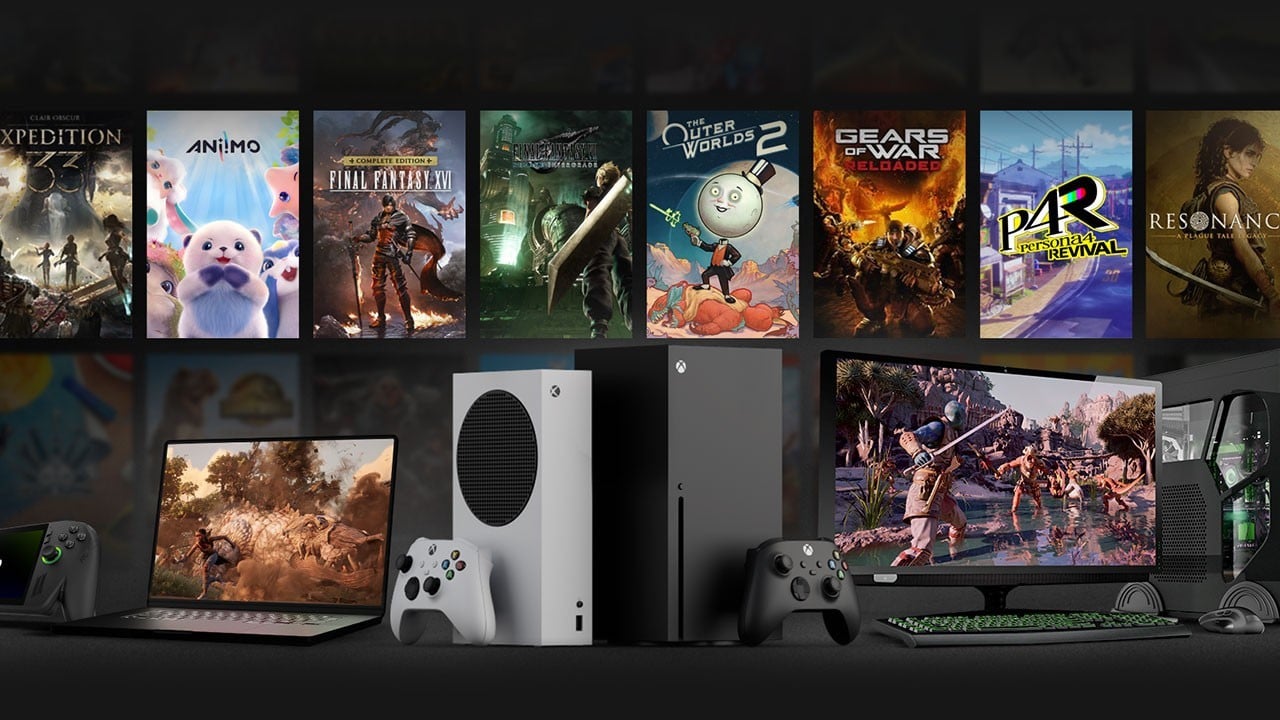
Microsoft’s internal data suggests that implementing cross-platform features has traditionally increased a project’s backend engineering requirements by as much as 30% to 40%. For independent developers and mid-sized studios, this overhead often results in these features being cut or delayed until well after a game’s launch.
"Managing complex onboarding, separate accounts, and significant engineering overhead has been a barrier to entry for far too too long," a Microsoft spokesperson stated during the GDC technical session. "PlayFab Foundation Mode is our solution to that stress. Our internal metrics show that games with crossplay and cross-progression enabled retain players at a 20% higher rate than those without. They monetize better and grow larger, more resilient communities because they don’t fragment the audience."
By removing the financial barrier to these tools, Microsoft is effectively subsidizing the development of cross-platform games. This move is seen by industry analysts as a direct competitive response to Epic Games’ "Epic Online Services" (EOS), which offers similar cross-platform tools for free. The competition between Microsoft and Epic in the developer-toolspace is ultimately benefiting creators, who now have access to enterprise-grade backend services regardless of their budget.
Chronology of Microsoft’s Developer Initiatives
The path to PlayFab Foundation Mode has been marked by several key milestones over the past decade:
- January 2018: Microsoft acquires PlayFab to bolster its Azure-based gaming services.
- March 2019: Microsoft announces "Xbox Live for Everyone," signaling an intent to bring Xbox services to mobile and other platforms.
- 2021-2023: Gradual integration of PlayFab into the Microsoft Game Development Kit (GDK), though most advanced features remained behind a "pay-as-you-go" or subscription model.
- September 2025: Microsoft makes cross-save and cross-progression tools free for PC/Console developers.
- March 2026 (GDC): Official launch of PlayFab Foundation Mode, making seven core pillars of service free for all Xbox developers.
- Late 2026 (Projected): Full integration of Foundation Mode with the "Project Helix" SDK in preparation for next-gen hardware.
Implications for the Indie Development Scene
The most immediate beneficiaries of this announcement are independent developers. For a small team of five to ten people, the cost of licensing a backend service or hiring a dedicated backend engineer can be prohibitive. By utilizing Foundation Mode, these teams can now offer features that were previously the exclusive domain of "AAA" titles.
Furthermore, the "Preview Ring" system allows developers to begin testing these features immediately. By navigating to the PlayFab Game Manager and enabling the "Foundation Mode" preview, studios can begin integrating the APIs into their current builds. While there is a request form process to manage the initial influx of users, Microsoft has indicated that the approval process is streamlined for any developer with an active Xbox developer account.
Industry Reaction and Market Analysis
Market analysts suggest that this move is part of Microsoft’s broader "software-first" strategy. As the industry moves toward a future where hardware becomes less of a barrier—evidenced by the growth of cloud gaming and cross-platform subscriptions—owning the backend infrastructure becomes a vital strategic advantage.
"Microsoft is no longer just selling a box; they are selling an ecosystem of tools," said Marcus Thorne, a senior gaming industry analyst. "By providing the plumbing of the internet for free to developers, they ensure that the Xbox ecosystem remains the most attractive place to build and launch a game. It creates a ‘gravity’ that keeps developers within the Microsoft stack, even if their games are being played on a competitor’s handheld or a mobile device."
From a financial perspective, while Microsoft loses the immediate subscription revenue from these core PlayFab services, the long-term gains in Azure usage and the health of the Xbox Game Pass library are expected to far outweigh those losses. More connected games lead to more active users, which in turn leads to higher digital software sales and subscription retention.
Looking Toward the Future: Project Helix and 2027
The timing of the PlayFab Foundation Mode announcement is inextricably linked to "Project Helix." As Microsoft prepares for its 2027 hardware launch, it is clear that the next generation of Xbox will be built on a foundation of total platform agnosticism. Project Helix is rumored to be not just a console, but a family of devices and a unified software layer.
By giving developers these tools now, Microsoft is ensuring that by the time the next-gen hardware arrives, the library of games will already be fully optimized for a cross-platform world. The "Foundation" being laid today at GDC 2026 is intended to support the weight of the next decade of interactive entertainment.
Developers interested in the new services can access documentation and the request portal via the official Microsoft Developer website. As the industry continues to move toward a "platform-less" future, the democratization of these backend tools marks a pivotal shift in how games are built, managed, and played.