
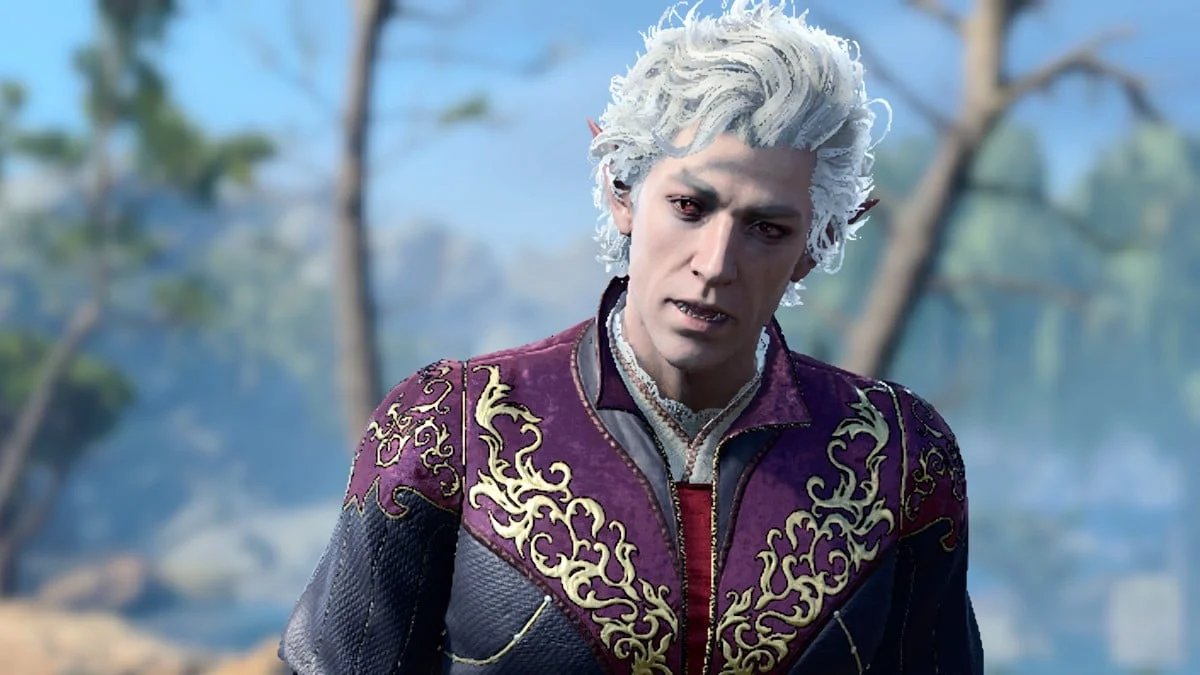
Larian Studios’ critically acclaimed and commercially successful role-playing game, Baldur’s Gate 3, has officially launched on Xbox Series X|S platforms, marking its full availability across major current-generation consoles following its PC and PlayStation 5 releases. However, Xbox players hoping to access the title through Microsoft’s popular Game Pass subscription service will be met with disappointment, as Larian Studios has firmly stated there are no immediate plans for the game to join the subscription catalog. This decision, articulated by Larian Studios boss Swen Vincke, underscores a deliberate business philosophy centered on the game’s intrinsic value and the studio’s independence.
The Decision and Larian’s Rationale
In a recent interview, Swen Vincke, CEO of Larian Studios, unequivocally confirmed that Baldur’s Gate 3 would not be making its way to Game Pass. Vincke’s reasoning hinges on the sheer scale and comprehensive nature of the game, asserting that its substantial content justifies its premium price point. "We made a big game, so I think there’s a fair price to be paid for that, and I think that that is okay," Vincke stated, emphasizing the absence of microtransactions within the title. "We don’t charge you any micro-transactions on top of it, so you get what you pay for. Upfront, it’s a big meaty game. So I think that should be able to exist as it is. This is what allows us to continue making other games."
This statement highlights Larian’s commitment to a single, complete purchase model, offering players a vast and uncompromised experience without additional monetization beyond the initial cost. This approach stands in contrast to a growing trend in the industry where many AAA titles incorporate battle passes, cosmetic items, or other forms of in-game purchases to generate recurring revenue. For Larian, the upfront sale of Baldur’s Gate 3 is crucial for funding its ambitious development cycles and ensuring the studio’s creative autonomy for future projects.
A Monumental Achievement: The Scope of Baldur’s Gate 3
The "sheer scope" Vincke refers to is not an exaggeration. Baldur’s Gate 3, based on the revered Dungeons & Dragons fifth edition ruleset, is an epic high-fantasy RPG that offers an unparalleled level of player choice, narrative depth, and systemic complexity. From its branching storylines and hundreds of unique characters to its intricate turn-based combat and expansive world, the game is designed for extensive engagement.
According to player data aggregated by sites like HowLongToBeat, an average playthrough of Baldur’s Gate 3 typically spans at least 50 hours for the main story, extending well over 100 hours for those who delve into side quests, explore every nook and cranny, and experiment with different character builds and choices. Many players report playthroughs exceeding 150-200 hours to experience a significant portion of what the game has to offer, and even then, multiple playthroughs are often required to see all major narrative paths and companion storylines. This colossal playtime, coupled with its high production values and intricate design, positions Baldur’s Gate 3 as a title that delivers exceptional value for its purchase price.
The development journey itself was extensive, spanning over six years since its initial announcement in 2019 and including a significant period in Early Access on PC, during which Larian gathered invaluable player feedback to refine and expand the game. This long gestation period and the dedication of a large development team underscore the substantial investment required to bring such a project to fruition.
Chronology of Success and Release
- October 2020: Baldur’s Gate 3 enters Early Access on PC, offering players a refined first act of the game and setting the stage for its eventual full release.
- August 3, 2023: The full version of Baldur’s Gate 3 officially launches on PC, immediately garnering universal critical acclaim and achieving massive commercial success. It quickly became one of the highest-rated games of all time on Metacritic.
- September 6, 2023: The PlayStation 5 version of the game is released, mirroring the PC version’s critical reception and further expanding its player base.
- December 7, 2023: At The Game Awards 2023, Baldur’s Gate 3 dominates the ceremony, winning six prestigious awards, including the coveted Game of the Year. Swen Vincke’s acceptance speech resonated deeply with the industry and players, emphasizing the passion and dedication behind the game’s creation.
- December 8, 2023: Immediately following its Game of the Year triumph, Baldur’s Gate 3 stealthily releases on Xbox Series X|S platforms, fulfilling a long-standing promise to Xbox players. The delay for the Xbox version was primarily attributed to Larian’s commitment to ensuring feature parity, specifically implementing split-screen co-op on both the Series X and Series S consoles, a technical challenge that required additional development time.
The Game Pass Ecosystem and Its Value Proposition
Microsoft’s Xbox Game Pass is a cornerstone of its gaming strategy, offering subscribers access to a rotating library of hundreds of games for a monthly fee. This service has been lauded for its value, often including day-one releases of first-party Xbox titles and a growing selection of third-party games. For many players, Game Pass represents an economical way to experience a wide variety of games without the upfront cost of individual purchases.
The service’s success has, in part, been built on attracting major titles, providing significant exposure and a guaranteed player base for developers. For some studios, especially smaller ones or those seeking a wider audience, a Game Pass deal can be incredibly beneficial. It offers a steady revenue stream from Microsoft and can dramatically increase a game’s reach.
However, for a game like Baldur’s Gate 3, which has demonstrated unprecedented sales figures and critical acclaim, the traditional Game Pass model might not align with Larian’s financial objectives. The immediate and overwhelming success on PC and PS5 likely means that Larian does not need the subscriber boost or the alternative revenue model that Game Pass offers. Instead, they can maximize revenue through direct sales, retaining a larger share of the profits.
Statements from Related Parties and Market Implications
While Larian Studios’ stance is clear, the decision has various implications for different stakeholders:
- Xbox Players: For many Xbox players who have eagerly awaited Baldur’s Gate 3, the news is likely a source of disappointment. Having grown accustomed to major titles arriving on Game Pass, some may view the $70 price tag as a barrier, especially if they are new to the CRPG genre or the Dungeons & Dragons universe. A Game Pass demo, as suggested by some, could have served as an accessible entry point to alleviate concerns about the investment.
- Larian Studios: The decision reinforces Larian’s independent spirit and business acumen. By prioritizing direct sales, they maintain full control over their financial future, enabling them to invest heavily in future projects without external pressures or the need to compromise on their development vision. This model has clearly proven sustainable and highly profitable for them.
- Microsoft/Xbox: While Microsoft certainly desires to have every major title on Game Pass to enhance its offering, the company has historically respected developer decisions. Missing out on a title of Baldur’s Gate 3‘s caliber is a missed opportunity for Game Pass to further solidify its reputation as a comprehensive gaming library. However, Microsoft’s strategy is broad, encompassing its own first-party titles, acquisitions, and a diverse range of third-party partnerships. They likely understand that some games, particularly those with such a strong commercial performance, will opt for a direct sales model.
- Industry Analysts: Analysts largely view Larian’s decision as a sound business move given the game’s extraordinary success. Baldur’s Gate 3 has proven that a premium, high-quality, complete product without microtransactions can still achieve monumental sales and critical adoration. This challenges the notion that all major titles must eventually migrate to subscription services to maximize revenue or reach. It also highlights a potential bifurcation in the market: games designed for long-term engagement and direct sales, versus games designed for continuous content updates and subscription/microtransaction models.
The Broader Impact: Value, Quality, and Business Models
Baldur’s Gate 3‘s commercial and critical triumph, coupled with Larian’s firm stance on its pricing and distribution, sparks a broader conversation about value in the video game industry. In an era where "games as a service" and extensive post-launch monetization are prevalent, Baldur’s Gate 3 serves as a powerful testament to the appeal of a complete, meticulously crafted, single-purchase experience.
Vincke’s argument that players "get what they pay for" resonates strongly with a segment of the gaming community tired of incomplete launches, season passes, and aggressive microtransaction strategies. The game’s robust content and replayability offer a compelling counter-argument to the perceived necessity of subscription models for widespread access or ongoing revenue. For $70, players receive hundreds of hours of quality content, a rich narrative, and deep gameplay systems, a value proposition that many argue far exceeds that of many other full-priced games that rely on additional purchases.
Larian’s success story may encourage other independent studios, or even larger developers, to reconsider their approach to pricing and distribution, particularly if they believe their game offers a similarly compelling, self-contained experience. It underscores that high quality, creative vision, and a direct appeal to player value can bypass the need for inclusion in large subscription services, even if it means foregoing access to a potentially vast subscriber base.
As Baldur’s Gate 3 continues its journey on Xbox, its absence from Game Pass will undoubtedly remain a point of discussion. Yet, Larian Studios’ commitment to its vision and its valuation of the game’s monumental scope stand as a powerful declaration in the evolving landscape of video game economics. The company’s focus remains on crafting exceptional experiences and maintaining the financial independence necessary to do so, a strategy that has undeniably paid off in spectacular fashion.