
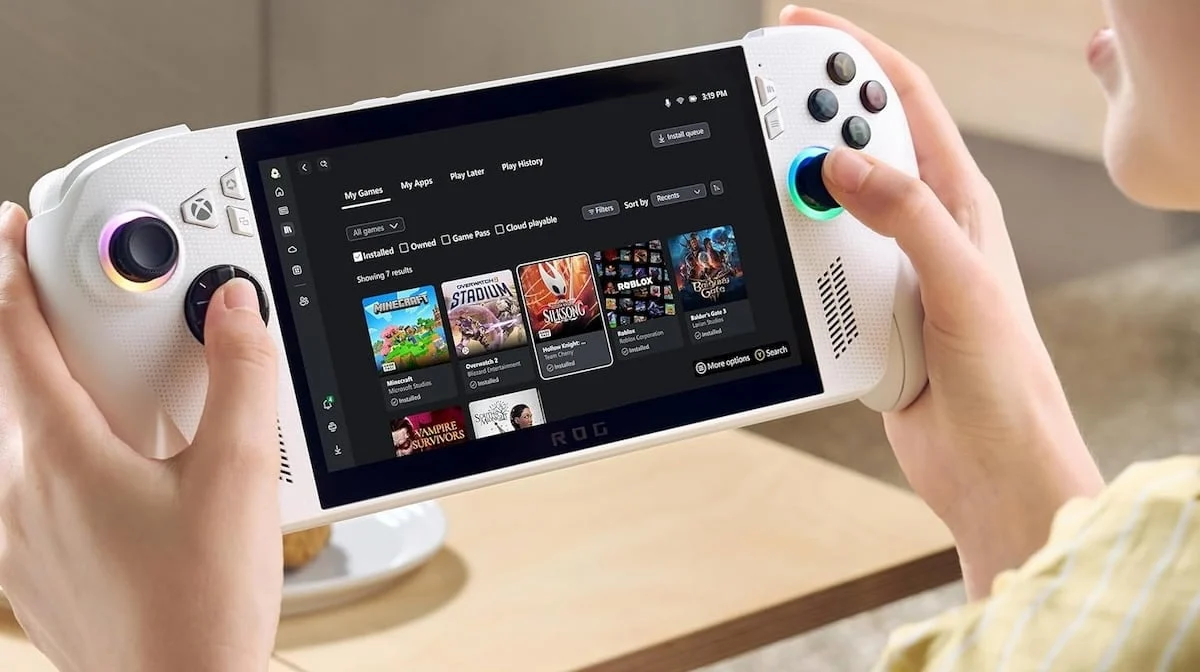
The highly anticipated ASUS ROG Ally, a handheld gaming PC developed in collaboration with Xbox, has officially entered the market, and initial sales figures suggest a strong consumer appetite for the device, even at its premium price points. The base model is retailing at $599, while the enhanced "Ally X" variant commands a $999 price tag. This pricing strategy, particularly for the higher-end model, has been met with considerable interest, evidenced by rapid sell-outs across major online retailers, including the official Xbox Store and ASUS’s own online storefront.
Rapid Sell-Outs Signal Robust Market Interest
The demand for the ASUS ROG Ally has been remarkably swift. Within approximately an hour of its launch, the device was reported as sold out on the Xbox Store. Similarly, ASUS’s own online store experienced a depletion of its stock for the handheld gaming PC. While a limited number of the base model ROG Ally units were still available on Amazon at the time of reporting, it was anticipated that these would also quickly sell out, underscoring the immediate popularity of the device. This rapid depletion of inventory across multiple platforms suggests a significant segment of the gaming community is willing to invest in this new category of portable PC gaming, especially with its direct integration into the Xbox ecosystem.
The "Everything is an Xbox" Strategy Takes Shape
This launch appears to be a significant step in Microsoft’s broader strategy to extend the Xbox brand and its services beyond traditional consoles. The ASUS ROG Ally, by offering a portable platform for Xbox Game Pass titles and other PC gaming libraries, embodies an "everything is an Xbox" philosophy. This approach aims to make Xbox gaming accessible across a wider range of devices and form factors, catering to a more diverse and mobile-conscious gamer base. The device’s ability to play games from multiple storefronts, including Steam, the Epic Games Store, and Xbox Play Anywhere titles, further solidifies its position as a versatile gaming hub, appealing to users who may not be exclusively tied to a single digital distribution platform.
A New Frontier in Portable PC Gaming
The ASUS ROG Ally represents a significant development in the burgeoning market for dedicated handheld gaming PCs. Following the success of devices like the Steam Deck, the Ally enters a competitive landscape with its own distinct advantages and target audience. The partnership with Xbox is a key differentiator, providing seamless access to Xbox Game Pass, a subscription service that offers a vast library of games, including first-party titles on day one. This integration is particularly attractive to existing Xbox enthusiasts who may want to play their favorite games on the go without being tethered to a console or a traditional desktop PC.
The device’s technical specifications, while not fully detailed in the initial reports beyond its positioning as a "suped up" model for the Ally X, are understood to be designed to offer a robust gaming experience. Previous announcements and industry speculation have pointed towards AMD processors and high-resolution displays capable of high refresh rates, aiming to deliver a premium visual and performance output for a portable device. The $599 price point for the base model positions it competitively against other high-end portable gaming solutions, while the $999 for the Ally X targets users seeking the utmost in performance and features, akin to a premium gaming laptop.
Background and Market Context
The emergence of powerful handheld gaming PCs is a relatively recent phenomenon, driven by advancements in mobile processor technology and the increasing demand for gaming flexibility. Valve’s Steam Deck, launched in 2022, is widely credited with popularizing this category, demonstrating that a dedicated handheld device could offer a console-like gaming experience with the power and versatility of a PC. The Steam Deck, which starts at $399, has achieved considerable success, selling millions of units and fostering a dedicated community of users.
Microsoft’s involvement with the ASUS ROG Ally signals a strategic move to capitalize on this growing market trend. While Microsoft has previously explored portable gaming solutions through cloud streaming services like Xbox Cloud Gaming, the ROG Ally represents a more direct hardware play. By partnering with ASUS, a well-established name in PC hardware known for its Republic of Gamers (ROG) line of performance-oriented products, Microsoft is leveraging existing expertise in hardware design and manufacturing to deliver a polished and capable device.
The decision to offer two distinct models – a standard and a premium "X" version – is a common strategy in the consumer electronics market. This allows ASUS and Xbox to cater to a broader range of consumer budgets and performance expectations. The $599 model likely aims to attract a wider audience by offering a compelling entry point into portable PC gaming with Xbox integration. The $999 Ally X, on the other hand, is positioned as a no-compromise device for enthusiasts who demand the highest performance, potentially featuring upgraded components like more RAM, faster storage, or a more powerful APU (Accelerated Processing Unit).
Chronology of Development and Launch
While specific launch dates for the "Ally X" variant were not detailed in the initial reports, the base ASUS ROG Ally’s market entry has been a closely watched event. Development of such a device would have been ongoing for an extended period, involving close collaboration between ASUS’s hardware engineering teams and Microsoft’s Xbox division.
- Pre-Announcement Phase: Rumors and leaks surrounding a potential Xbox-branded handheld PC likely circulated for months prior to any official confirmation, fueled by industry analysts and tech enthusiasts.
- Official Announcement: The ASUS ROG Ally was formally unveiled, generating significant media attention and consumer excitement. Details regarding its specifications, pricing, and partnership with Xbox were revealed, setting the stage for its market debut.
- Pre-Order Period: Following the announcement, a pre-order window would have opened, allowing consumers to secure their devices in advance. The rapid sell-outs suggest that pre-orders were met with overwhelming demand.
- Market Launch: The official retail availability of the ASUS ROG Ally, marked by its appearance on online stores and subsequent sell-outs, signifies the culmination of the development and marketing efforts.
- Ally X Introduction: The "Ally X" variant, described as a "suped up" version, was launched at a higher price point. Its introduction suggests an iterative approach, offering enhanced features or performance for a premium.
Analysis of Implications and Broader Impact
The success of the ASUS ROG Ally, despite its higher price points, has several significant implications for the gaming industry:
- Validation of the Handheld PC Market: The strong consumer response further validates the viability and growth potential of the dedicated handheld PC gaming market. It suggests that consumers are willing to invest in premium hardware that offers portability without sacrificing PC-level gaming capabilities.
- Xbox’s Evolving Ecosystem: This launch reinforces Microsoft’s commitment to an ecosystem-centric approach to gaming. By extending Xbox services to a dedicated handheld PC platform, Microsoft is broadening its reach and offering more avenues for players to access its content. This could lead to increased adoption of Xbox Game Pass and a deeper engagement with the Xbox brand overall.
- Competition and Innovation: The entry of a major player like Microsoft, in collaboration with a renowned hardware manufacturer like ASUS, is likely to spur further innovation and competition in the handheld PC space. Other manufacturers may be motivated to develop similar devices or enhance their existing offerings to compete.
- Pricing Strategies and Consumer Willingness to Pay: The premium pricing of the Ally X, and its strong initial sales, indicates that a segment of the market is willing to pay a significant premium for high-performance portable gaming solutions. This could influence future pricing strategies for similar devices. It also highlights the perceived value of the integrated Xbox experience for a dedicated user base.
- Potential Impact on Console Sales: While not a direct replacement for traditional home consoles, the success of high-powered handhelds like the ROG Ally could potentially influence purchasing decisions for some consumers, particularly those who prioritize portability and flexibility. However, it is more likely to complement console gaming by offering an alternative way to access the same gaming libraries.
The ASUS ROG Ally’s launch is more than just the introduction of a new gadget; it represents a strategic evolution in how gamers can access and experience their favorite titles. The rapid sell-outs are a clear indicator that the convergence of PC gaming power, handheld convenience, and the expansive Xbox ecosystem is a formula resonating with a significant portion of the gaming public. As the market continues to mature, the performance and reception of devices like the ROG Ally will undoubtedly shape the future of portable gaming.
Community and Future Outlook
The enthusiastic reception also prompts questions about the future of handheld PC gaming and user preferences. The article prompts readers to consider their own gaming habits, whether they are considering the ASUS ROG Ally, already own a competitor like the Steam Deck, or are content with their current PC and console setups. This engagement from the community is vital for understanding the long-term trajectory of this emerging market segment.
The success of the ASUS ROG Ally, particularly its premium-priced variants, suggests a strong and growing demand for high-fidelity portable gaming experiences. As technology continues to advance, it will be interesting to observe how ASUS and Microsoft further refine their offerings and how the broader gaming landscape adapts to the increasing prevalence of powerful, versatile handheld gaming devices. The initial sell-outs are a powerful testament to the current market’s hunger for such innovation.