

Astro Bot represents a significant pivot for Sony Interactive Entertainment and its developer, Team Asobi, marking the transition of a tech-demo mascot into a full-fledged triple-A icon that rivals the industry’s most established platforming franchises. Following the immense critical success of the PlayStation 5 pack-in title, Astro’s Playroom, this 2024 release serves as both a celebration of PlayStation’s 30-year legacy and a technical showcase of the console’s current-generation capabilities. The game effectively synthesizes years of experimental design, originating in virtual reality and refined through iterative hardware demonstrations, to deliver a cohesive, imaginative, and mechanically dense experience that addresses the growing demand for high-quality, family-friendly content within the PlayStation ecosystem.
The Evolution of a Digital Mascot: A Brief Chronology
To understand the significance of Astro Bot, one must examine the trajectory of Team Asobi and the character’s development over the last decade. Astro first appeared in The Playroom (2013), a collection of augmented reality mini-games for the PlayStation 4. While initially a secondary character, the bot’s charm led to the development of Astro Bot Rescue Mission in 2018. This PlayStation VR exclusive was hailed by critics as a "killer app" for the hardware, demonstrating that 3D platforming could be revolutionized through spatial awareness and immersive perspective.
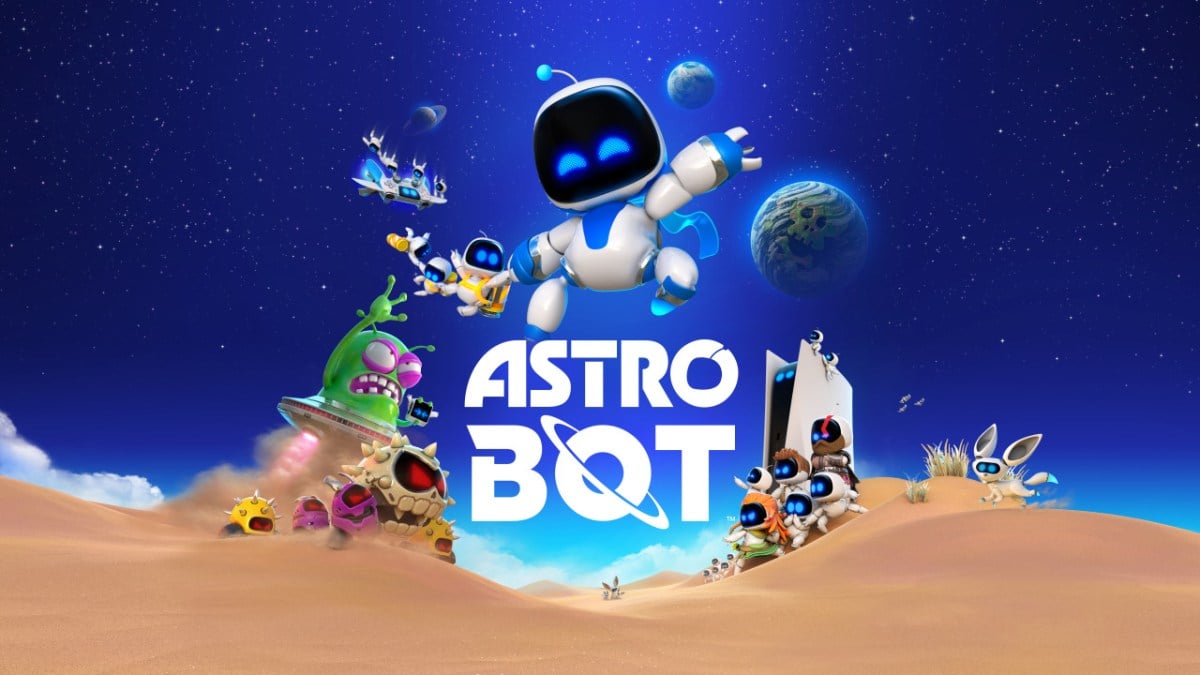
In 2020, with the launch of the PlayStation 5, Sony included Astro’s Playroom as a pre-installed experience on every console. Despite its brevity, the title became a cultural phenomenon among early adopters, praised for its innovative use of the DualSense wireless controller’s haptic feedback and adaptive triggers. The success of Playroom served as the proof of concept for a full-scale adventure. After four years of development, the 2024 release of Astro Bot removes the barriers of specialized hardware like VR, presenting a sprawling, multi-world odyssey designed to appeal to the broadest possible audience while maintaining the mechanical depth expected by seasoned enthusiasts.
Narrative Premise and Structural Design
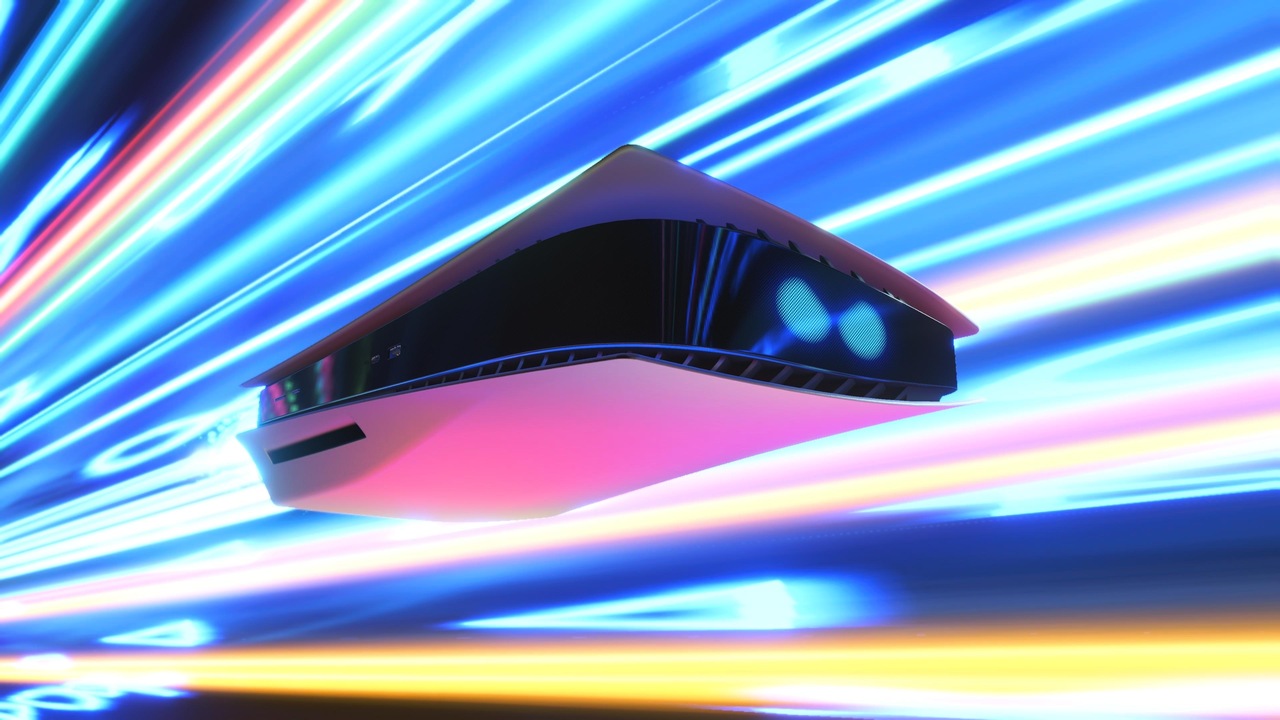
The narrative of Astro Bot is elegantly simple, serving as a functional framework for its varied gameplay environments. While traveling through the cosmos in a mothership modeled after the PlayStation 5 console, Astro and his crew of 300 bots are intercepted by a malevolent extraterrestrial antagonist. The encounter results in the ship being dismantled, with its core components—the CPU, GPU, and cooling system—scattered across five distinct nebulae. Astro is subsequently stranded on a desert planet, tasked with piloting his "DualSpeeder" (a ship shaped like a DualSense controller) to navigate the galaxy, recover his lost companions, and retrieve the hardware necessary to repair the mothership.
The game is structured into several galaxies, each containing a series of primary levels, hidden challenge stages, and a culminating boss encounter. This progression system mirrors the classic "hub-and-spoke" model seen in legendary platformers, providing a sense of scale and variety. Each nebula features a unique aesthetic theme, ranging from tropical archipelagos and high-tech construction sites to haunted mansions and volcanic caverns.

Innovation Through Level-Specific Mechanics
Astro Bot distinguishes itself from its peers through a philosophy of constant mechanical renewal. While Astro’s core moveset is intentionally minimalist—consisting of a jump, a hover-laser, and a basic melee punch—Team Asobi introduces a unique power-up in nearly every major stage. These gadgets are not merely secondary tools but are the foundation upon which the entire level’s geometry and puzzle logic are built.
Key power-ups include:
- Barkster the Bulldog Booster: A jetpack that allows Astro to dash through glass obstacles and across large gaps with explosive force.
- The Twin-Frog Gloves: Long-range punching mechanics that double as grappling hooks, allowing for physics-based swinging and the manipulation of distant environmental objects.
- The Elephant Backpack: A device that sucks up liquids or loose materials (like honey or sand), allowing Astro to create temporary platforms in mid-air.
- The Time-Dilation Watch: A mechanic that slows down the environment, enabling the player to navigate fast-moving hazards or collapsing structures.
The developers ensure that these mechanics never overstay their welcome. Once a concept has been fully explored through various platforming permutations, it is retired in favor of a new idea, ensuring that the pacing remains brisk and the player is constantly engaged by fresh challenges.
Synergistic Hardware Integration: The DualSense Factor
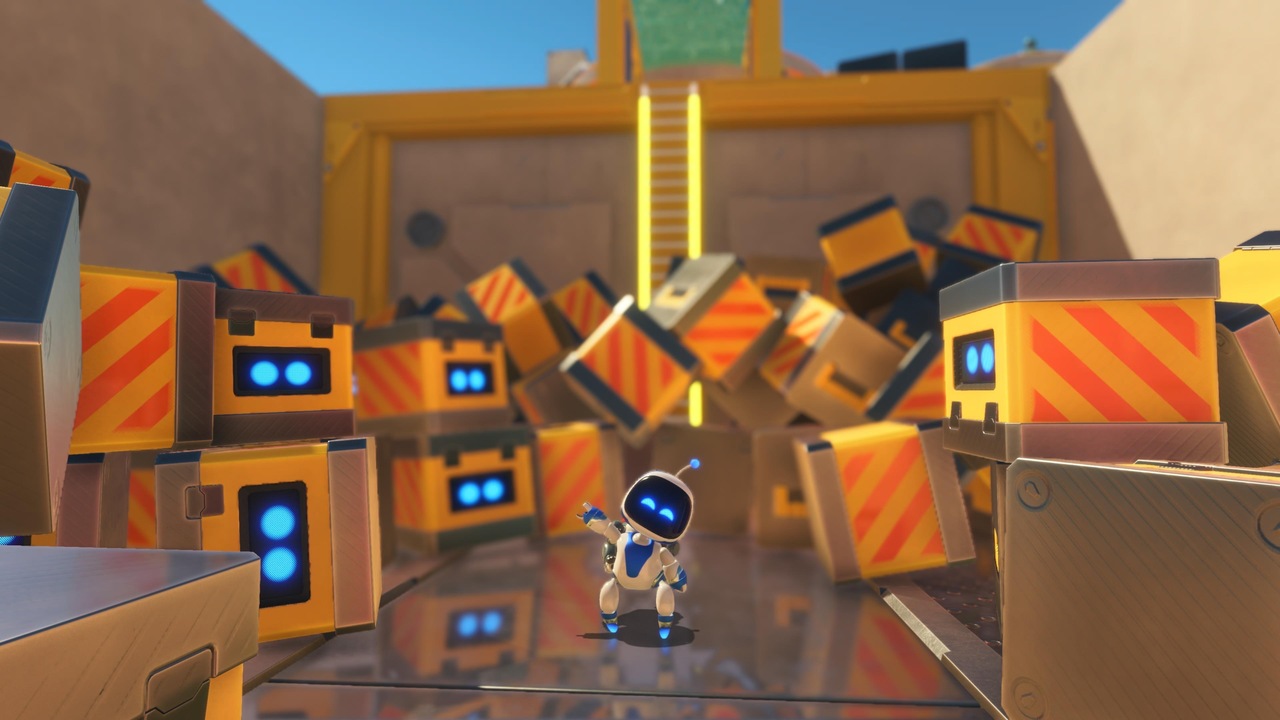
A core component of the Astro Bot experience is its unparalleled utilization of the DualSense controller. While many third-party developers use haptic feedback as a secondary immersion tool, Team Asobi treats the controller as a primary sensory input device. The game utilizes the controller’s internal speaker, haptic actuators, and adaptive triggers to simulate a wide array of physical sensations.
The haptic fidelity allows players to distinguish between walking on metal, sand, grass, or wood purely through touch. Environmental effects, such as the pitter-patter of rain or the rush of wind, are localized within the controller’s chassis. Furthermore, the adaptive triggers provide varying levels of resistance depending on the task at hand—whether it is squeezing a spring-loaded launcher or revving the engines of the DualSpeeder. This "tactile storytelling" creates a symbiotic relationship between the software and the hardware, making Astro Bot the definitive showcase for the PlayStation 5’s technical architecture.
Technical Performance and Visual Fidelity
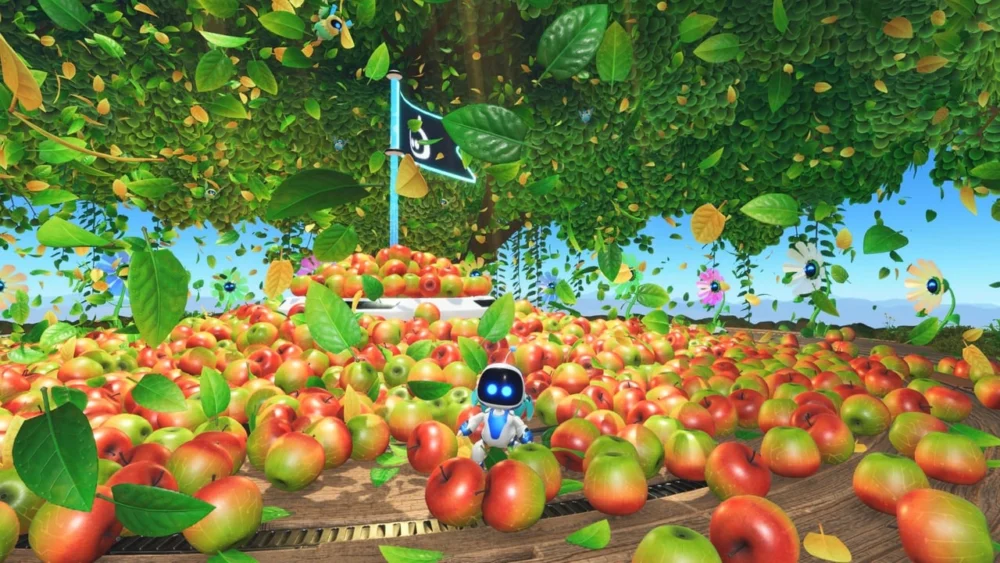
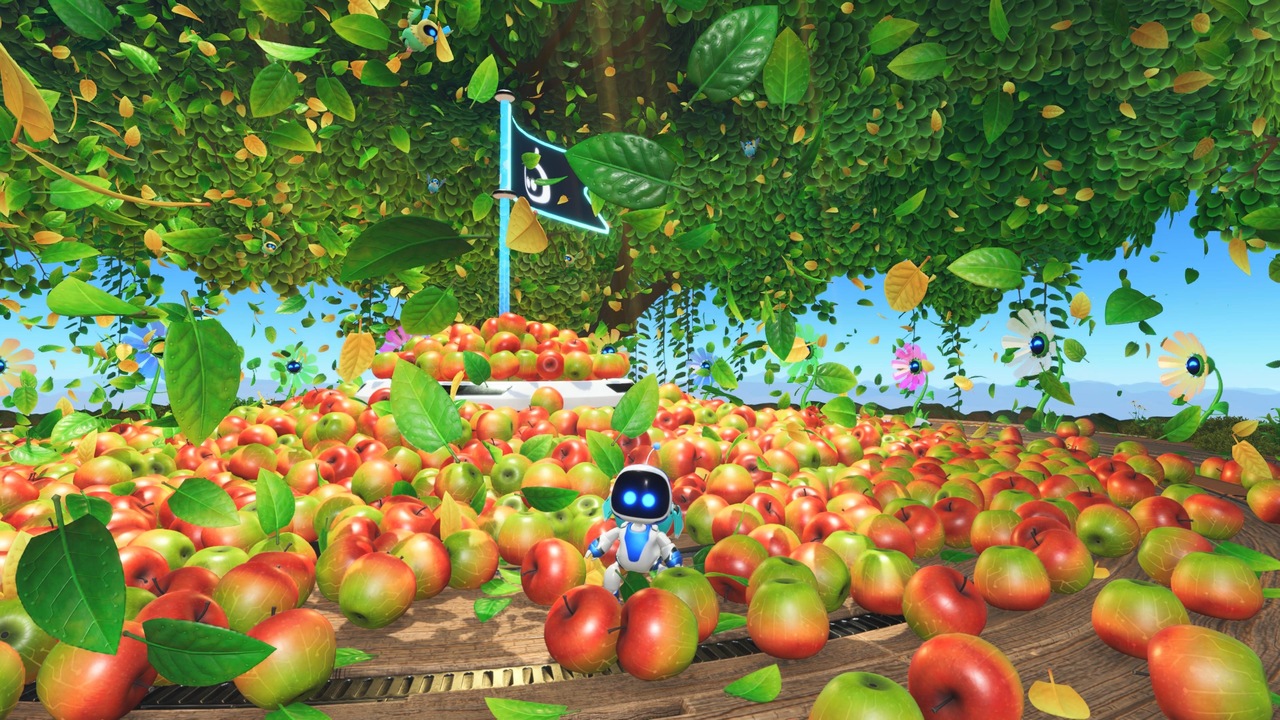
On a technical level, Astro Bot is a triumph of optimization. The game targets a native 4K resolution at a consistent 60 frames per second, providing the fluid responsiveness necessary for precision platforming. The visual style is characterized by "physicality"; the world feels tangible thanks to an advanced physics engine that handles thousands of individual objects simultaneously.
In many levels, the floor is covered in thousands of interactive items—such as autumn leaves, metal bolts, or colorful sprinkles—that react realistically to Astro’s movements and the wind generated by his hover-jets. This density of interactive debris does more than provide visual flair; it often hides secret collectibles or encourages players to experiment with the environment. The lighting engine also deserves mention, with vibrant colors and high-dynamic-range (HDR) implementation that makes the diverse biomes feel alive and distinct.
A Celebration of Gaming Heritage: The Bot Collection System
The primary objective in each level is the rescue of Astro’s fellow bots. Of the 300 bots available to find, over 150 are "Special Bots" that represent iconic characters from PlayStation’s history. These cameos range from mainstream heroes like Kratos (God of War) and Nathan Drake (Uncharted) to cult classics like the cast of Ape Escape or the protagonist of Journey.
Finding these bots is a rewarding experience for long-time fans, as each character is rendered in Astro’s signature toy-like aesthetic and performs a unique animation related to their home franchise. These collectibles feed into a robust meta-game located at the "Crash Site" hub. As players rescue more bots, they can work together to unlock new areas of the hub, forming human (or robot) towers to reach high ledges or moving heavy debris to uncover secret portals. This hub-world progression adds a layer of community-building to the solo adventure, as the rescued bots populate the environment and interact with the player.
Market Implications and Critical Reception
The release of Astro Bot comes at a pivotal moment for the gaming industry. As development budgets for "prestige" third-person action games continue to soar and production cycles stretch toward a decade, Astro Bot proves that there is still a massive market for focused, high-polish, and joy-centric experiences. Preliminary market data and critical reviews suggest that the game is a contender for "Game of the Year" accolades, challenging the notion that only mature-rated, narrative-heavy titles can achieve top-tier status on the PlayStation platform.
Industry analysts suggest that Astro Bot’s success may encourage Sony to diversify its first-party portfolio. By investing in the platforming genre—a space largely dominated by Nintendo—Sony has successfully captured a demographic of younger players and families while providing a nostalgic "love letter" to its veteran fanbase.
Conclusion: A New Era for Team Asobi
Astro Bot is more than just a successful sequel; it is a definitive statement of intent from Team Asobi. By combining ingenious level design, masterful hardware integration, and a deep reverence for gaming history, the studio has delivered an experience that is both technically impressive and emotionally resonant. The game stands as a testament to the idea that innovation does not always require new genres, but rather a more thoughtful and imaginative application of existing mechanics and technology. As the PlayStation 5 enters the latter half of its lifecycle, Astro Bot remains a shining example of what is possible when software is built in perfect harmony with the hardware it inhabits.