
As February draws to a close, signaling a gradual transition from the protracted winter months, the video game industry continues its relentless pace of innovation and releases, with particular attention turning towards significant upcoming titles and evolving player engagement strategies. The imminent launch of major horror franchises, coupled with expansive digital festivals and the enduring appeal of classic games through backwards compatibility, underscores a dynamic period for interactive entertainment. This weekend, the gaming community’s diverse interests are exemplified by a broad spectrum of activities, from deep dives into next-generation survival horror to explorations of vast demo libraries and nostalgic journeys into gaming’s past.
Resident Evil Requiem: A New Chapter in Survival Horror
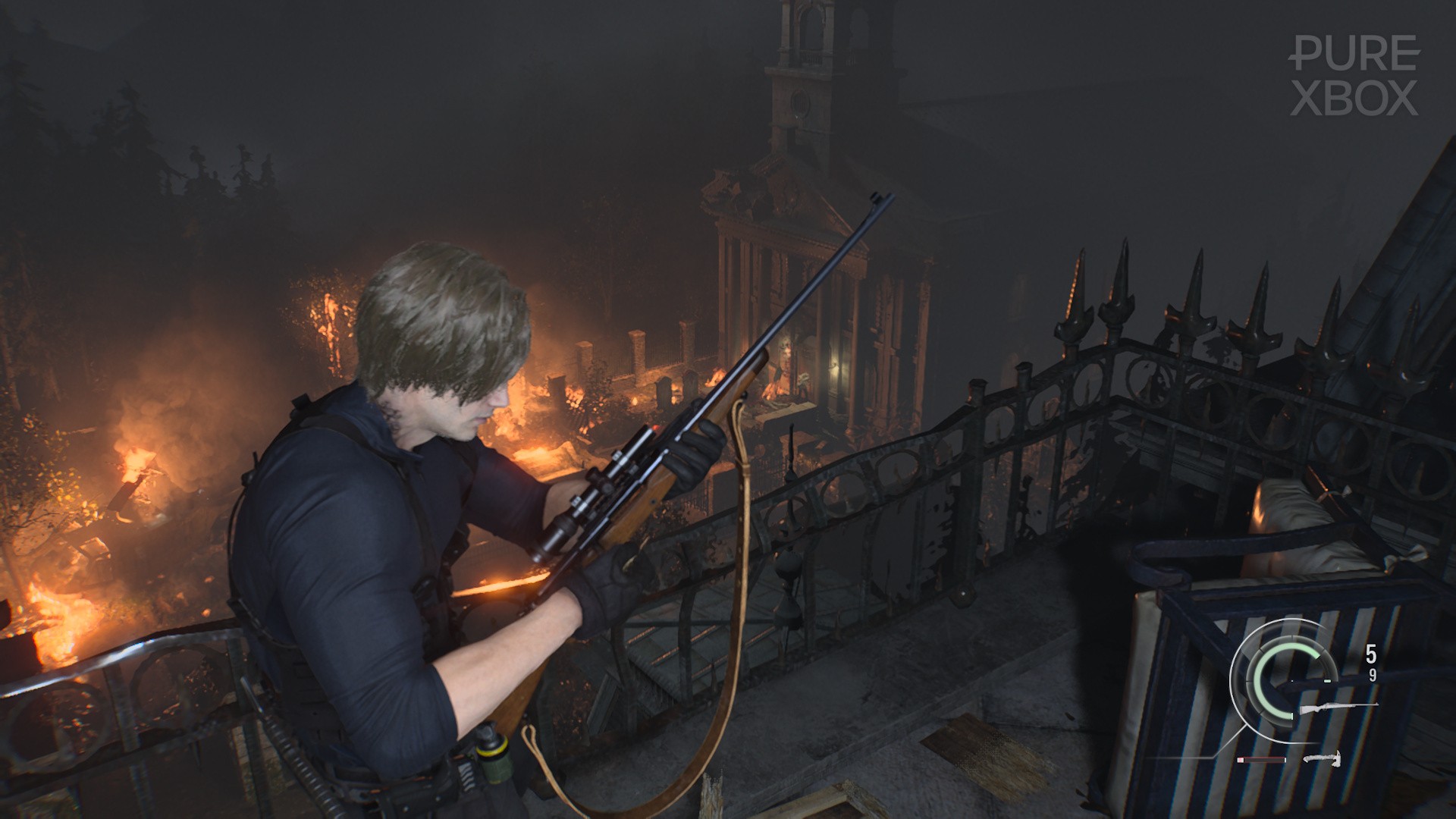
Central to the current gaming discourse is the highly anticipated release of Resident Evil Requiem, the ninth main installment in Capcom’s iconic survival horror series. Early impressions from hands-on reviews suggest that the title successfully integrates key elements that have defined the franchise’s modern resurgence. Staff writer Ben Kerry, for instance, reported an engrossing experience during his review period, expressing a strong inclination for an immediate replay. This sentiment highlights Capcom’s apparent success in distilling the essence of contemporary Resident Evil into Requiem, promising a title poised for sustained enjoyment among fans.
The Resident Evil franchise, initiated in 1996, has undergone significant evolution, transitioning from fixed camera angles and tank controls to more immersive over-the-shoulder and first-person perspectives in recent entries. This strategic shift, particularly evident in Resident Evil 7: Biohazard (2017) and Resident Evil Village (2021), revitalized the series, drawing critical acclaim for its return to intense survival horror mechanics while embracing contemporary graphical fidelity and narrative depth. Resident Evil Requiem is expected to further refine this formula, potentially incorporating intricate environmental puzzles, resource management challenges, and a pervasive atmosphere of dread that are hallmarks of the series’ most successful iterations. Industry analysts have often pointed to the Resident Evil series as a benchmark for how established franchises can adapt and thrive across generations, maintaining relevance through thoughtful innovation rather than mere iteration. The consistent success of recent remakes, such as Resident Evil 2 and Resident Evil 4, further demonstrates the enduring appeal and high expectations placed upon each new entry. The potential for Requiem to become a long-term favorite, as suggested by early play experiences, signifies a strong foundation for Capcom’s future in the horror genre.
Steam Next Fest: A Gateway to Future Game Pass Titles and Indie Innovation
Parallel to the excitement surrounding major releases, the independent gaming sector continues to flourish, prominently showcased through events like Steam Next Fest. Editor Fraser Gilbert highlighted the sheer scale of the current festival, noting over 3,000 playable demos available on the platform. This annual event has become a critical nexus for developers to gain visibility and gather player feedback, while offering gamers an unparalleled opportunity to discover upcoming titles across a vast array of genres. The festival’s comprehensive nature extends beyond mere previews; it often serves as a proving ground for games that will eventually make their way to subscription services such as Xbox Game Pass.
The proliferation of PC gaming handhelds, like the ROG Xbox Ally X—which Fraser Gilbert utilizes—further amplifies the accessibility and impact of events like Steam Next Fest. These devices bridge the gap between traditional console gaming and the expansive PC ecosystem, allowing players to experience high-fidelity demos on the go. The ability to access thousands of titles and demos from a portable form factor represents a significant shift in how players engage with new content. Developers, in turn, benefit from a wider testing audience, leading to more refined launches. According to market data, the indie game segment has seen consistent growth, with digital distribution platforms like Steam playing a pivotal role in democratizing game development and publishing. The connection between Steam Next Fest and services like Xbox Game Pass also underscores a broader industry trend where discovery platforms and subscription models increasingly converge, offering diverse pathways for games to reach wider audiences. This ecosystem fosters a continuous cycle of innovation, from small independent teams to larger studios, ensuring a steady influx of fresh content into the market.
The Enduring Value of Backwards Compatibility: SSX 3 and Fable: Anniversary Edition
Beyond the immediate future of gaming, the enduring appeal of classic titles remains a significant aspect of player engagement, largely facilitated by robust backwards compatibility features on modern consoles. Fraser Gilbert’s continued enjoyment of SSX 3 and Fable: Anniversary Edition on his Xbox console highlights the critical role that backwards compatibility plays in game preservation and player satisfaction. SSX 3, originally released in 2003, is celebrated for its groundbreaking open-world mountain environment, fluid trick system, and vibrant soundtrack, establishing itself as a pinnacle of arcade snowboarding. Its continued playability on current hardware allows both veteran players to revisit cherished memories and new players to discover a foundational title in the sports genre.
Similarly, Fable: Anniversary Edition, a remastered version of the 2004 action role-playing game Fable, offers a modernized experience of a beloved classic. The original Fable was lauded for its innovative morality system, rich lore, and distinctive British humor, allowing players to shape their hero’s destiny through choices and actions. The Anniversary Edition brought graphical enhancements and quality-of-life improvements, ensuring its narrative and gameplay remained accessible to contemporary audiences. The ability to play these titles on modern Xbox consoles without requiring original hardware not only preserves gaming history but also adds substantial value to the console ecosystem. This commitment to backwards compatibility by console manufacturers is frequently cited by consumer surveys as a major factor in purchasing decisions, demonstrating a clear demand for access to a diverse library spanning multiple generations. It also supports a sustainable model for game consumption, allowing players to invest in a platform with confidence that their past purchases will remain accessible.
Free Play Days and the Evolution of Live-Service Gaming: Bungie’s Marathon
Another significant aspect of the modern gaming landscape is the strategic use of "Free Play Days" events, designed to introduce players to ongoing titles or upcoming releases for a limited period. This weekend, Bungie’s Marathon is featured as part of Xbox’s Free Play Days, offering players a taste of what is poised to be a significant entry in the live-service shooter genre. Bungie, renowned for its foundational work on the Halo series and the enduring success of Destiny 2, is leveraging its expertise in multiplayer experiences with Marathon. The original Marathon series, released in the mid-1990s, was a pioneering first-person shooter known for its intricate narrative and innovative gameplay mechanics, setting a precedent for environmental storytelling in the genre.
The contemporary Marathon re-imagining is expected to carry forward Bungie’s legacy of crafting compelling sci-fi universes and engaging gunplay, adapted for the modern live-service model. Free Play Days serve as a crucial marketing tool, allowing potential players to experience the game firsthand without an initial financial commitment. This strategy is particularly effective for live-service titles, where ongoing engagement and community building are paramount. By providing a risk-free trial, developers can attract a broader player base, gather early feedback, and build momentum leading up to and following a full launch. This approach aligns with broader industry trends towards game-as-a-service models, where initial access is often broadened through trials, demos, or inclusion in subscription services to foster long-term player retention and monetization through in-game content. The strategic deployment of such events highlights the competitive nature of the live-service market and the innovative approaches developers and publishers are taking to capture player attention.

Platform Diversity and the Future of Handheld Gaming: Cruis’n Blast on Switch 2
The landscape of gaming platforms continues to diversify, with significant developments in both console generations and handheld devices. Ben Kerry’s recent engagement with Cruis’n Blast on what he refers to as his "Switch 2" underscores the evolving role of handheld gaming in the broader ecosystem. Cruis’n Blast, an arcade racing game known for its over-the-top action and vibrant visuals, was initially an arcade exclusive before finding a dedicated following on Nintendo’s current handheld console. Its fast-paced, accessible gameplay makes it an ideal fit for on-the-go gaming sessions.
The mention of a "Switch 2" suggests an anticipation or early access to a next-generation Nintendo handheld console, a device that industry observers predict will further blur the lines between traditional console gaming and portable experiences. The success of the original Nintendo Switch demonstrated a strong market appetite for hybrid gaming, capable of transitioning seamlessly between docked and handheld modes. A successor device would likely build upon this versatility, potentially offering enhanced graphical capabilities, improved battery life, and innovative control schemes, thereby broadening the scope of games that can be effectively enjoyed on a portable platform. The desire for Cruis’n Blast to eventually arrive on Xbox, as expressed by Kerry, also highlights the ongoing demand for cross-platform availability, particularly for popular arcade experiences. While platform exclusivity remains a key strategy for hardware manufacturers, players frequently advocate for broader access to titles they enjoy. The continued innovation in handheld technology is poised to redefine player expectations for portable gaming, making high-quality experiences more accessible than ever before, irrespective of the gaming environment.
Implications and Broader Industry Trends
The collective gaming activities observed this weekend reflect a multifaceted and dynamic industry. The anticipation for Resident Evil Requiem demonstrates the sustained power of established franchises and the ongoing demand for high-quality, immersive single-player experiences, especially within the horror genre. Simultaneously, the overwhelming volume of demos at Steam Next Fest, accessible on burgeoning handheld PC devices, highlights the vitality of the independent development scene and the increasing importance of discovery platforms for both developers and players.
The continued relevance of backwards compatibility, exemplified by the enjoyment of classics like SSX 3 and Fable: Anniversary Edition, underscores the industry’s growing commitment to game preservation and providing enduring value to consumers. Furthermore, strategic initiatives like Free Play Days for titles such as Marathon illustrate the sophisticated marketing approaches employed to engage players within the competitive live-service landscape. Finally, the evolving capabilities of handheld consoles, indicated by the "Switch 2," point towards a future where portable gaming experiences become increasingly robust and integrated into players’ diverse gaming habits. These trends collectively paint a picture of an industry constantly adapting to technological advancements, evolving player preferences, and innovative business models, ensuring a rich and varied future for interactive entertainment.