
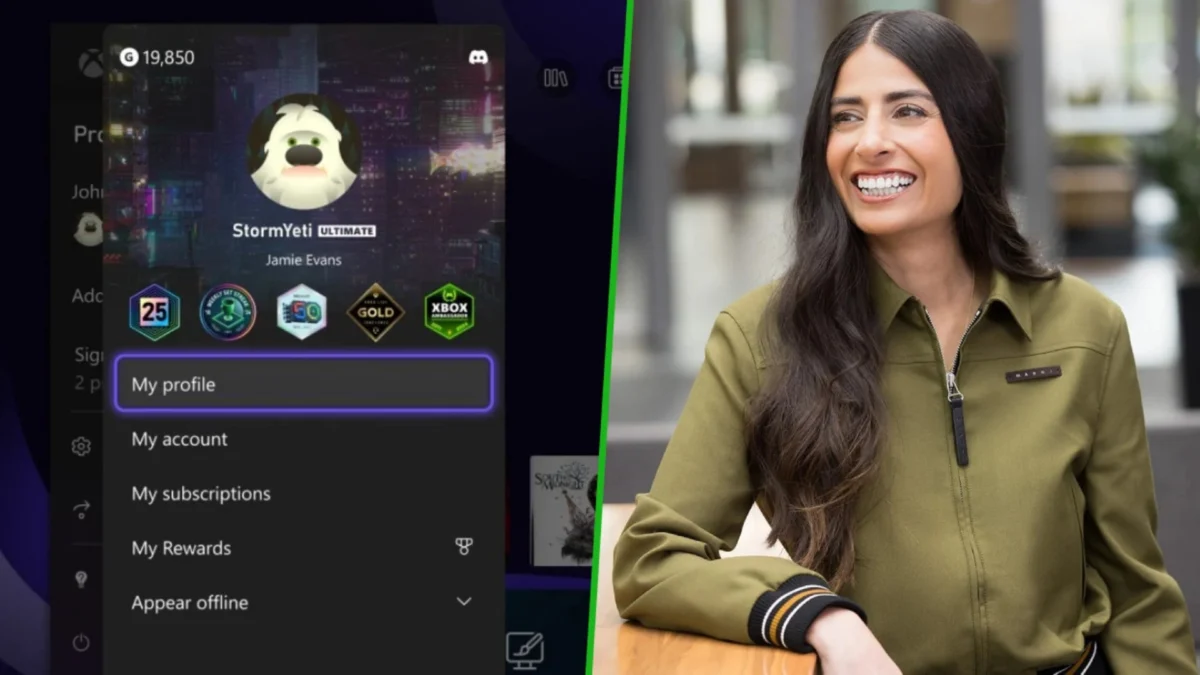
The Microsoft Gaming division has signaled a significant shift in its operational responsiveness following the deployment of a comprehensive dashboard update for the Xbox Series X and Xbox Series S consoles. This update, which marks the first major console-centric software overhaul in several months, introduces a suite of highly requested features designed to enhance user agency and system personalization. The release coincides with the early tenure of Asha Sharma, who assumed the role of Xbox President and Microsoft Gaming CEO in late February 2026. In a move that has resonated with the global gaming community, Sharma confirmed that the core components of this update were conceptualized and engineered within a two-week window, directly addressing specific criticisms and suggestions provided by the Xbox player base.
Comprehensive Overview of the March 2026 Update
The March 2026 update represents a pivot toward hardware-specific optimization, a move that follows a period during which Microsoft’s software updates were perceived to favor PC and cloud gaming environments. The update introduces three primary pillars of functionality: advanced Quick Resume management, expanded group organization, and enhanced aesthetic customization.
The most technically significant addition is the ability for users to manually disable Quick Resume for specific titles. Quick Resume, a flagship feature of the Xbox Series X|S architecture, utilizes the consoles’ high-speed Solid State Drives (SSDs) to cache game states, allowing players to jump between multiple active sessions almost instantaneously. While revolutionary, the feature has historically presented challenges for "live service" or "always-online" titles, which often experience synchronization errors or server disconnects when resumed from a suspended state. By allowing users to opt-out on a per-game basis, Microsoft is providing a solution to a long-standing friction point in the user experience.
Furthermore, the update addresses organizational efficiency by increasing the maximum number of "Groups" a user can maintain on their dashboard. This change caters to power users with large digital libraries, facilitated by the continued growth of the Xbox Game Pass service. Complementing these functional changes are new custom color settings, which allow for a higher degree of UI personalization, moving beyond the standard preset themes that have defined the Xbox interface for the past several years.
Chronology of Leadership and Rapid Development
The timeline leading up to this update suggests a deliberate effort by the new leadership to demonstrate agility. Asha Sharma’s appointment in late February 2026 came at a time when the Xbox community was vocalizing concerns regarding the perceived stagnation of the console’s operating system.
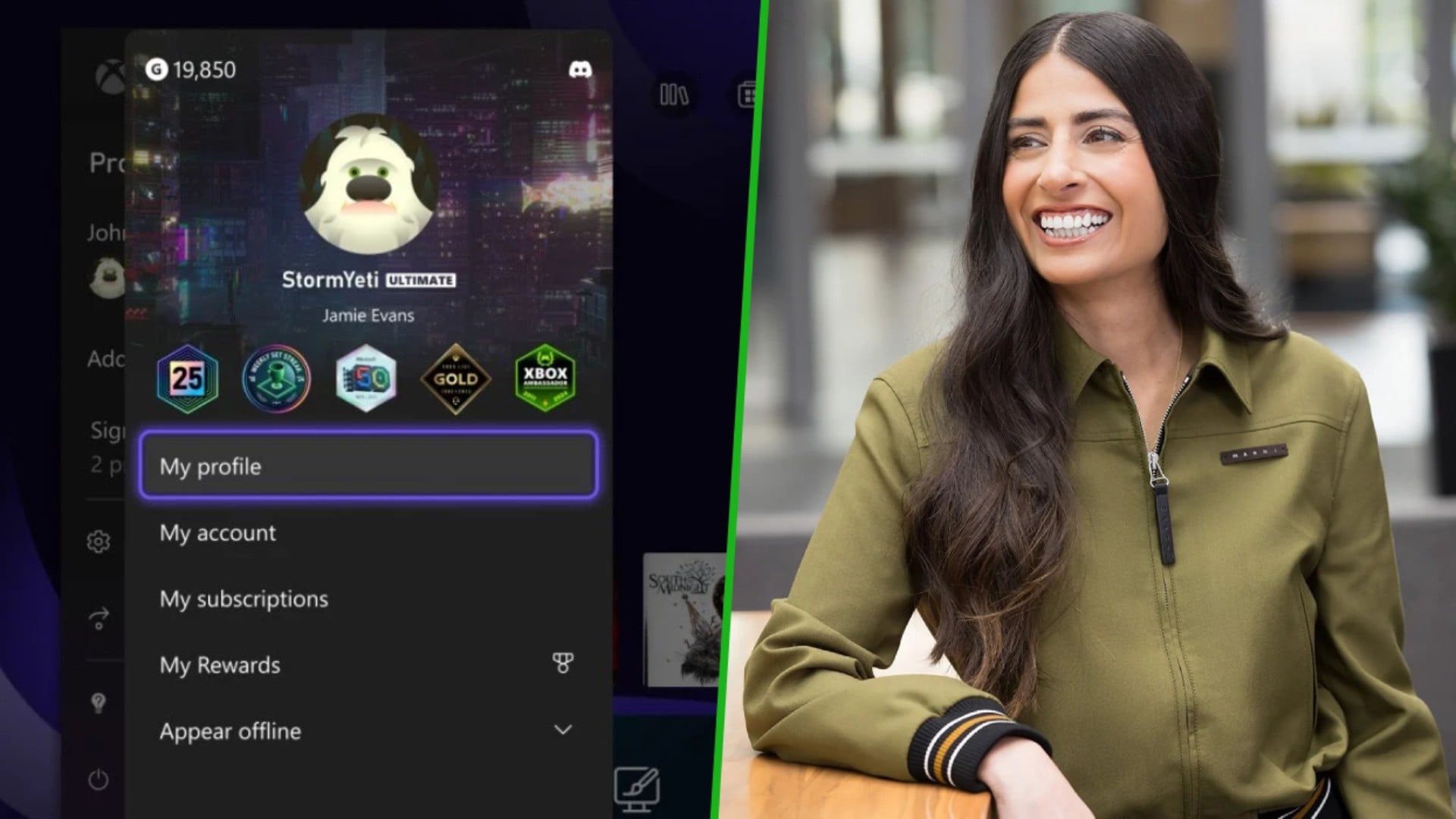
- Late February 2026: Asha Sharma officially takes the helm as Xbox Boss and Microsoft Gaming CEO, succeeding previous leadership during a transitional period for the brand.
- Early March 2026: Feedback loops through the Xbox Insider Program and social media channels highlight a demand for more granular control over console-specific features.
- Mid-March 2026: As revealed by Sharma, the engineering teams initiated a "sprint" to develop and test the Quick Resume toggle and UI enhancements.
- Late March 2026: The update is pushed to the general public, accompanied by a social media campaign emphasizing the "fan-first" approach of the new administration.
The two-week development cycle for these features is notably rapid for a platform as complex as the Xbox OS. It indicates a streamlining of internal approval processes and a directive from the CEO’s office to prioritize immediate quality-of-life improvements. Sharma’s public invitation for fans to "keep the feedback coming" suggests that this rapid-response model may become a hallmark of her leadership style.
Technical Analysis and Supporting Data
The necessity for these updates is underscored by the current landscape of digital gaming. As of early 2026, the average Xbox Series X user maintains a library of over 40 installed titles, many of which are dynamic service-based games. The "always-on" nature of modern gaming infrastructure has often clashed with the "frozen state" logic of Quick Resume. Internal data from Microsoft previously indicated that approximately 15% of game launch failures on the platform were related to resume-state conflicts in online-only titles. By providing a toggle, Microsoft likely anticipates a measurable decrease in crash reports and improved player retention in competitive multiplayer titles.
The decision to focus on the console dashboard also addresses a market reality. While Microsoft has aggressively expanded into the PC and mobile markets via Xbox Cloud Gaming, the console remains the primary entry point for its most loyal and high-spending demographic. Industry analysts note that maintaining a premium, customizable UI is essential for hardware brand loyalty, especially as competitors like Sony continue to refine the PlayStation 5’s "Activities" and "Game Hub" features.
Corporate Strategy and Official Responses
In her first major public address since taking the role, Asha Sharma emphasized that while the "Xbox Everywhere" strategy remains intact, the "core console experience" must remain the gold standard of the ecosystem. This sentiment was echoed in internal communications where the development teams were encouraged to view the console UI not as a static portal, but as an evolving service.
"We heard the community clearly," a Microsoft spokesperson stated following the update’s release. "The console is the heart of the Xbox experience for millions. Our goal with the March update was to prove that we can be as agile and responsive to our hardware users as we are to our service subscribers. The feedback regarding Quick Resume was a priority, and the engineering team worked around the clock to ensure this functionality was delivered with the stability users expect."
This proactive stance is a departure from the communication strategies of the previous year, which often focused on long-term cloud infrastructure and studio acquisitions. The shift toward immediate, tangible software improvements appears to be a strategic move to solidify consumer confidence during a leadership transition.

Broader Impact and Industry Implications
The implications of this update and Sharma’s leadership approach extend beyond simple UI tweaks. By publicly acknowledging that features were built in response to two weeks of feedback, Microsoft is setting a high bar for transparency and speed. This could pressure other platform holders to adopt similar "rapid-response" development cycles.
For the Xbox brand, this move serves as a vital corrective measure. Throughout 2025, the monthly updates were often criticized for being "PC-centric," focusing on the Xbox App for Windows or improvements to the cloud streaming bitrates. While these are essential for Microsoft’s broader goals, they often left console owners feeling as though their $500 hardware was an afterthought. Sharma’s focus on the "brownie points" of the console community—as some industry observers have phrased it—is a calculated effort to maintain the health of the physical hardware market.
Furthermore, the focus on personalization and organization (the "Groups" and "Color" updates) aligns with broader trends in software design where "user agency" is paramount. As digital storefronts become more crowded, the ability for a user to curate their own experience becomes a key differentiator. Microsoft is betting that a more flexible, user-defined dashboard will lead to higher engagement metrics across its library of Game Pass titles.
Future Outlook Under Asha Sharma
As Asha Sharma moves past her first month in office, the industry will be watching to see if this pace of development is sustainable. The "two-week" turnaround for the March update was an impressive show of force, but long-term success will require addressing more deeply rooted architectural challenges, such as the integration of the Microsoft Store and the consistency of the "Social" and "Achievements" tabs.
The gaming community’s reaction has been largely positive, with social media sentiment analysis showing a significant uptick in brand favorability following the announcement. By prioritizing the "console-first" philosophy in her early decisions, Sharma has successfully differentiated her leadership from the broader corporate focus on ecosystem expansion.
Looking ahead, the roadmap for Xbox in 2026 is expected to include further refinements to the dashboard, potentially involving AI-driven game recommendations and more robust social integration. If the March update is any indication, the "Sharma Era" of Xbox will be defined by a closer, more iterative relationship between the platform’s developers and its most passionate users. The message from Redmond is clear: the console is back at the center of the conversation, and the leadership is listening.