


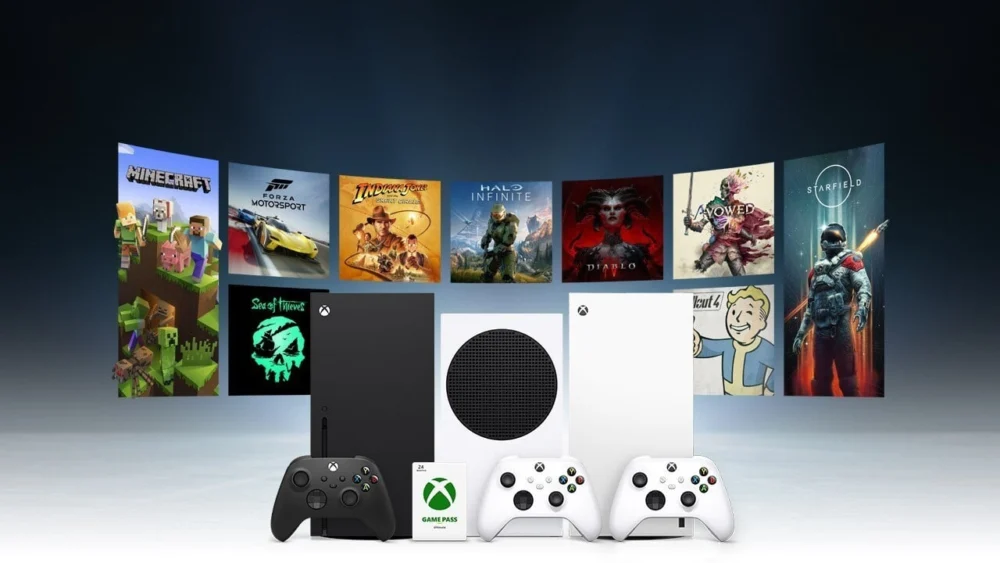
The appointment of Asha Sharma as the new Chief Executive Officer of Microsoft Gaming marks a definitive conclusion to the decade-long era of Phil Spencer and signals a transformative shift in the management of the Xbox brand. This transition occurs at a pivotal juncture for the organization, as it prepares to celebrate the 25th anniversary of the original Xbox console while navigating a complex landscape defined by shifting consumer behaviors, the integration of massive acquisitions, and a fundamental re-evaluation of what constitutes a gaming platform. Sharma, a newcomer to the interactive entertainment industry compared to her predecessors, inherits a division that has recently experienced both unprecedented growth in its intellectual property portfolio and significant internal restructuring, including high-profile studio closures and a pivot toward a more hardware-agnostic publishing strategy.
The departure of Phil Spencer and Sarah Bond represents the end of a leadership cycle that focused heavily on rebuilding the brand’s reputation following the troubled launch of the Xbox One in 2013. Under Spencer’s tenure, Microsoft Gaming underwent a massive expansion, most notably through the $68.7 billion acquisition of Activision Blizzard King and the $7.5 billion purchase of ZeniMax Media. These moves were designed to bolster the Xbox Game Pass subscription service, which has become the cornerstone of Microsoft’s gaming business model. However, the transition to Sharma comes at a time when the industry is questioning the sustainability of massive subscription growth and the necessity of traditional console exclusivity.
A Chronology of Leadership and Strategic Evolution
To understand the environment Asha Sharma enters, it is necessary to examine the trajectory of the Xbox brand over the last two decades. The brand’s history is often divided into distinct eras defined by its leadership. The early years under Robbie Bach and J Allard established Xbox as a serious competitor to Sony and Nintendo, characterized by the success of the Xbox 360 and the rise of Halo as a cultural phenomenon. This was followed by the Don Mattrick era, which famously struggled with the "always-online" requirements and media-centric focus of the initial Xbox One reveal, leading to a loss of market share that the brand is still working to recover in terms of hardware units sold.
Phil Spencer took the helm in 2014, immediately focusing on a "gamer-first" philosophy. His tenure was marked by the introduction of backward compatibility, the launch of Xbox Game Pass in 2017, and the acquisition of nearly twenty development studios. By 2023, however, the division faced increasing pressure to deliver financial returns on these massive investments. This pressure manifested in 2024 through the closure of Tango Gameworks and Arkane Austin, as well as the decision to bring several former Xbox exclusives, such as Sea of Thieves and Hi-Fi RUSH, to competing platforms like the PlayStation 5 and Nintendo Switch.
Sharma steps into the role during what is arguably the most volatile period in the brand’s history. While Spencer was a veteran of the Microsoft Games Studios, Sharma brings a background in consumer technology and platform scaling. Her primary challenge will be reconciling the expectations of a legacy fan base that values hardware exclusivity with the corporate necessity of maximizing the reach of Microsoft’s now-massive library of intellectual property.
The 2026 Roadmap: A Critical Year for Hardware and Software
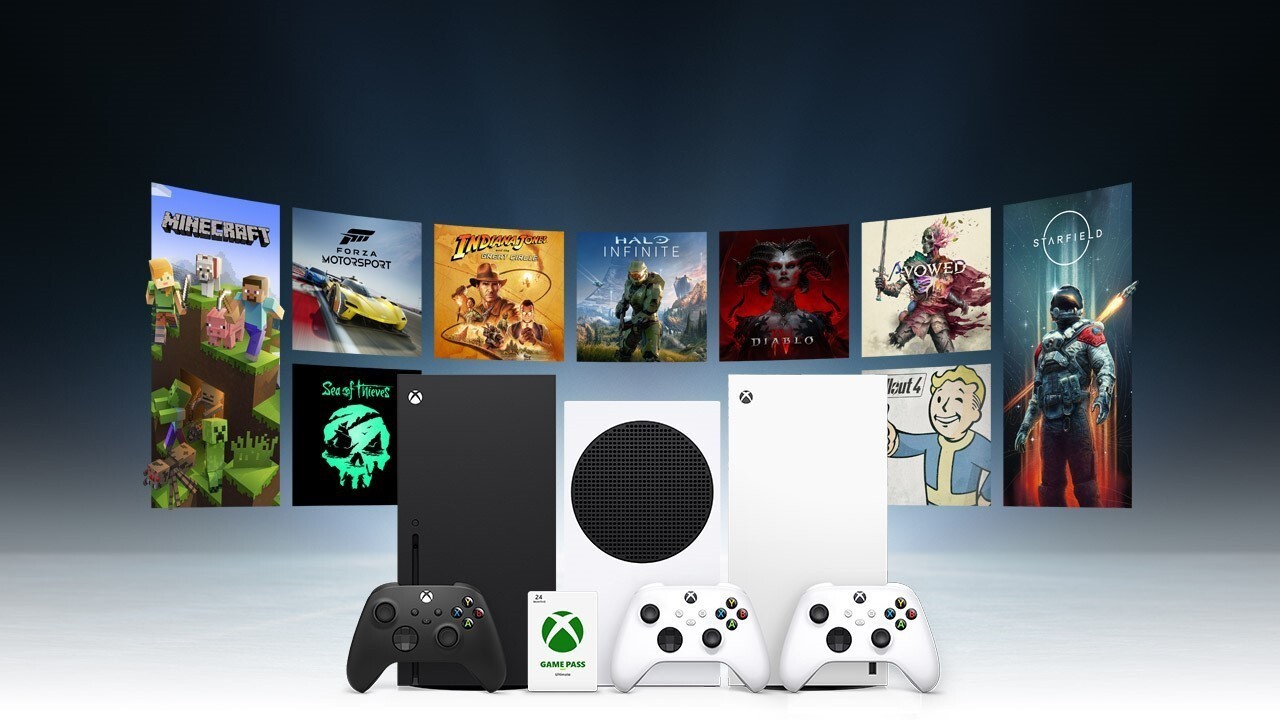
The immediate future of Xbox under Sharma’s leadership is anchored by a robust release schedule for 2026, a year that industry analysts have identified as a "make or break" period for Microsoft’s gaming hardware. The company has already confirmed or heavily signaled that several of its "pillar" franchises will see major releases in this window. This includes a new entry in the Fable series by Playground Games, a return to the Gears of War franchise with E-Day, and the continued evolution of the Halo and Forza Horizon franchises.
Supporting this software push is the widely reported development of new hardware. While Microsoft has not officially unveiled its next-generation plans, industry leaks and internal communications suggest that 2026 could see the launch of a new console iteration. There is significant speculation regarding a dedicated Xbox handheld device, aimed at competing with the Steam Deck and the Nintendo Switch, which would align with Microsoft’s "Xbox Everywhere" strategy. Sharma’s role in this hardware launch will be crucial, as she must oversee the marketing and distribution of devices that must coexist with the company’s increasing focus on cloud gaming and third-party publishing.
Analysis of the "This is an Xbox" Strategy
One of the most controversial elements of the current Xbox identity is the "This is an Xbox" marketing campaign. This initiative seeks to redefine the term "Xbox" from a physical box under a television to a cross-platform ecosystem encompassing PCs, mobile devices, smart TVs, and handhelds. While this strategy expands the potential user base for Microsoft’s games, it has created a sense of "identity loss" among the core console community.
For Sharma, the challenge lies in maintaining the prestige of the Xbox hardware while successfully executing this platform-agnostic vision. Data suggests that while console sales for the Xbox Series X|S have trailed behind the PlayStation 5, the Microsoft Gaming division’s revenue has surged due to the inclusion of Activision Blizzard’s mobile and multi-platform earnings. In the third quarter of fiscal year 2024, Microsoft reported a 62% increase in gaming revenue, driven largely by the Activision acquisition. Sharma must manage this transition from a hardware-centric business to a content-and-service-centric powerhouse without alienating the enthusiasts who have supported the brand for 25 years.
Operational Challenges and Studio Management
Beyond external marketing, Sharma inherits a complex internal structure. The integration of Activision Blizzard King is an ongoing process that involves harmonizing the cultures of various global studios. Furthermore, the recent closures of smaller, critically acclaimed studios have raised concerns about Microsoft’s commitment to creative diversity versus purely blockbuster "AAA" production.
Industry analysts suggest that Sharma’s first steps will likely involve a comprehensive audit of the current development pipeline. With high-profile projects like "The Outer Worlds 2," "Everwild," and "Perfect Dark" in various stages of development, the new CEO must ensure these titles meet both quality standards and release windows to avoid the droughts of first-party content that plagued the brand in the early 2020s. The management of "Halo Studios" (formerly 343 Industries) as it moves to the Unreal Engine 5 will also be a high-priority item on her agenda, as the Halo franchise remains the symbolic heart of the Xbox brand.

Stakeholder Reactions and Market Implications
The reaction to Sharma’s appointment from within the industry has been one of cautious optimism tempered by a desire for stability. Investors are looking for continued growth in Game Pass subscriptions, which were last officially reported at 34 million members in early 2024. Meanwhile, the gaming community is seeking reassurance that the "console experience" will not be deprioritized in favor of mobile or cloud initiatives.
Microsoft CEO Satya Nadella has reiterated that gaming is a core pillar of Microsoft’s overall AI and consumer strategy. In recent statements, the company has emphasized a "return to roots" regarding game quality while simultaneously pushing the boundaries of where those games can be played. Sharma’s leadership will be judged by her ability to deliver on this dual mandate: providing a premium hardware experience for the 25th anniversary while scaling the software business to reach the "three billion gamers" Microsoft often cites in its long-term goals.
Conclusion: The Road to the 25th Anniversary
As Xbox approaches its quarter-century milestone in 2026, the leadership of Asha Sharma represents a new chapter that will likely define the brand for the next decade. The transition from the Spencer era is not merely a change in personnel but a fundamental shift in how Microsoft views the gaming market. With a massive library of IP, a growing subscription service, and new hardware on the horizon, the foundation is set for a significant expansion.
However, the success of this new era depends on Sharma’s ability to navigate the tension between corporate efficiency and the unique demands of the gaming culture. If she can successfully launch the 2026 slate of games while providing a clear and compelling reason to own Xbox hardware, she may solidify Microsoft’s position as a leader in the industry. Conversely, if the brand continues to struggle with its identity and the balance of exclusivity, the 25th anniversary may serve as a crossroads for the division’s future within the larger Microsoft ecosystem. The coming 12 to 24 months will be the ultimate litmus test for this new vision of Xbox.