


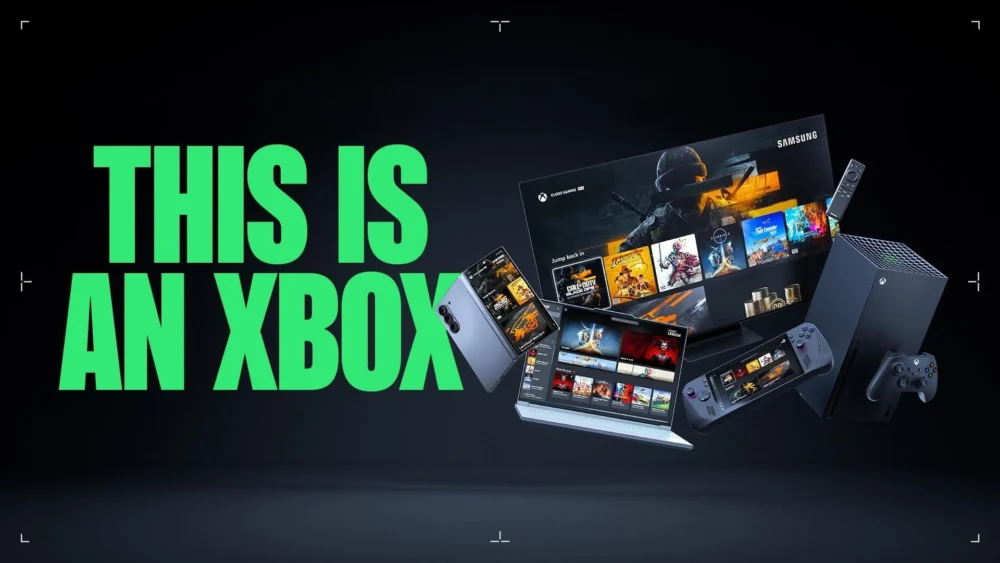
Microsoft has officially removed the primary announcement post for its "This Is An Xbox" marketing campaign from the Xbox Wire website, signaling a potential retreat from a brand strategy that sought to decouple the Xbox identity from dedicated console hardware. The removal of the blog post, first identified by industry analysts at Game Developer and subsequently verified through archived records, results in a "404 Page Not Found" error for the original URL that previously detailed the company’s vision for a device-agnostic gaming ecosystem. While the accompanying video advertisements remain active on platforms like YouTube, the deletion of the written manifesto suggests a significant internal reassessment of how Microsoft intends to position its gaming brand moving forward.
The Genesis of the This Is An Xbox Campaign
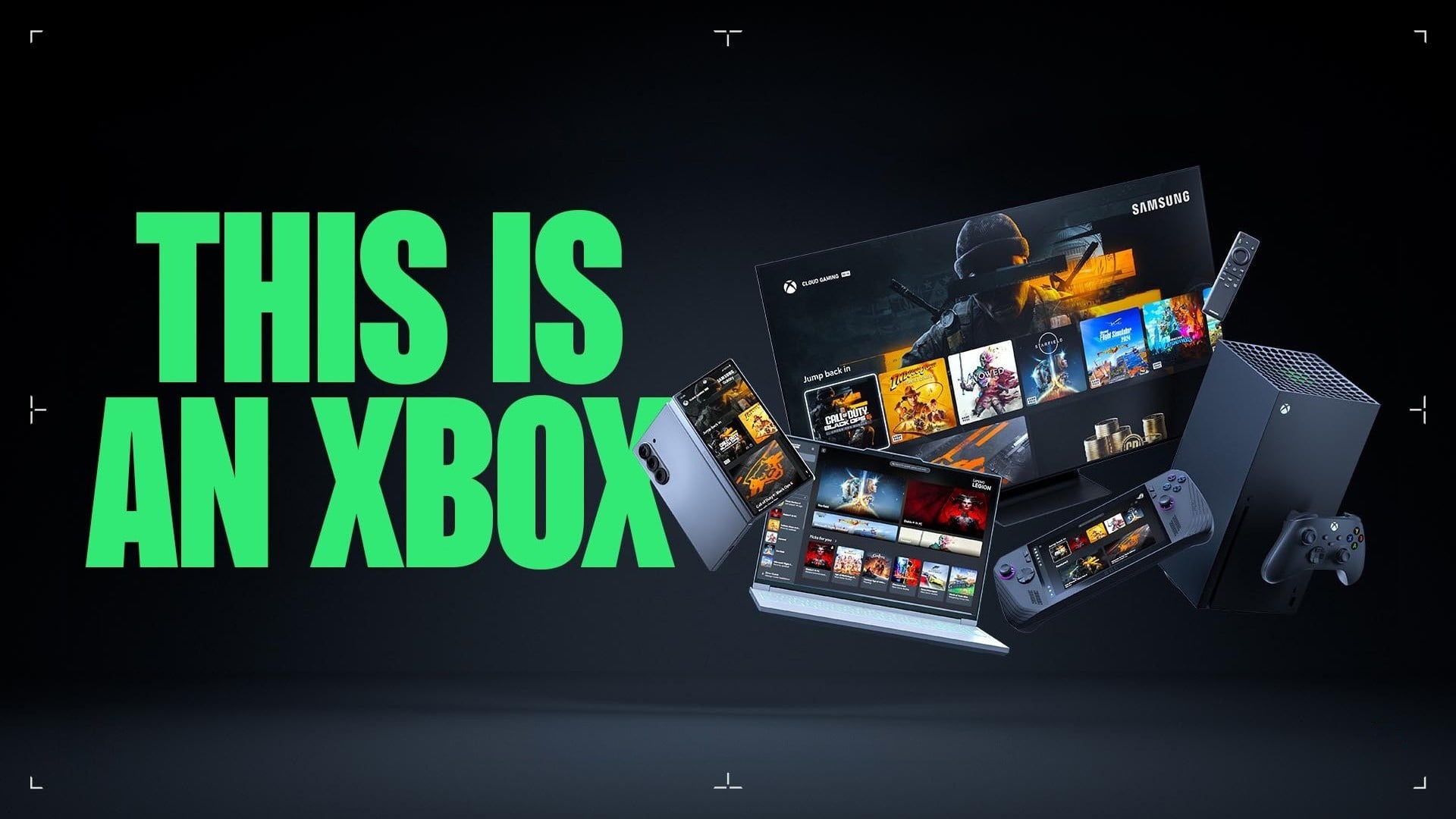
Launched in late 2024, the "This Is An Xbox" campaign represented one of the most radical departures in the history of video game marketing. The central thesis of the initiative was that any screen capable of accessing the Xbox ecosystem—be it a smartphone, a smart TV, a handheld PC, or a laptop—should be considered an "Xbox." This strategy was designed to highlight the versatility of Xbox Game Pass and the Xbox Cloud Gaming (xCloud) infrastructure, emphasizing that the brand was no longer tethered to a specific piece of hardware located under a television set.
The campaign featured a series of high-energy advertisements showing everyday objects and various electronic devices with the label "This is an Xbox" superimposed over them. The messaging was intended to lower the barrier to entry for the Microsoft gaming ecosystem, targeting a broader demographic of players who might not be interested in purchasing a dedicated $500 console but were willing to subscribe to a service on devices they already owned. At the time of its launch, Microsoft leadership, including Microsoft Gaming CEO Phil Spencer, underscored the importance of reaching the world’s three billion gamers, many of whom reside in markets where traditional console gaming is less prevalent than mobile or PC gaming.
Strategic Context and Market Performance
The "This Is An Xbox" initiative did not emerge in a vacuum; it was the culmination of a decade-long shift in Microsoft’s gaming philosophy. Following the rocky launch of the Xbox One in 2013, which initially prioritized media center capabilities over pure gaming performance, the company spent years rebuilding its reputation under Phil Spencer’s leadership. This era saw the introduction of backward compatibility, the launch of the Xbox Series X|S, and the aggressive expansion of the Xbox Game Pass subscription service.
However, by late 2024, market data indicated a widening gap between Microsoft’s hardware sales and those of its primary competitors, Sony and Nintendo. While the Xbox Series X|S performed respectably, it struggled to maintain the momentum seen by the PlayStation 5. In response, Microsoft leaned heavily into its "Everywhere" strategy, bolstered by the $68.7 billion acquisition of Activision Blizzard. The acquisition provided Microsoft with massive multiplatform franchises like Call of Duty, further incentivizing a move toward a service-oriented model where software sales and subscriptions across all platforms would outweigh the importance of console units sold.
Consumer Backlash and Brand Identity Crisis
Despite the logical business foundations of the "This Is An Xbox" campaign, it was met with significant resistance from the core Xbox fanbase. Long-time enthusiasts expressed concerns that by labeling every device an "Xbox," Microsoft was effectively devaluing its own dedicated hardware. The controversy centered on the perception that if a television or a phone is an "Xbox," there is little incentive for consumers to invest in high-end console hardware, which in turn could lead to a decline in the optimization and exclusive features that console owners expect.
On social media platforms such as Reddit and X (formerly Twitter), the discourse surrounding the campaign was overwhelmingly critical. Users argued that the messaging was confusing and diluted the prestige of the brand. Many pointed out that while a phone could stream an Xbox game, the experience was fundamentally different from playing natively on a powerful console. This "identity crisis" became a focal point for critics who felt that Microsoft was prepared to exit the hardware business entirely—a rumor that the company has repeatedly had to deny.
The Emergence of Project Helix and the Next Generation
The quiet removal of the "This Is An Xbox" blog post coincides with increasing reports regarding Microsoft’s next generation of hardware, currently referred to under the codename "Project Helix." Recent leaks and official teases suggest that Microsoft is pivoting back to a hardware-first narrative for its core enthusiasts. The company has publicly stated that its next console will represent "the largest technical leap" ever seen in a hardware generation, a statement that stands in direct contrast to a marketing campaign that suggested the hardware was secondary to the service.
Industry analysts suggest that the removal of the 2024 campaign materials is an effort to "clean the slate" before the formal unveiling of Project Helix. If Microsoft intends to market a high-powered, premium console in 2026 or 2027, maintaining a campaign that claims a budget smartphone is "an Xbox" creates a conflicting brand message. By retiring the "This Is An Xbox" slogan, Microsoft may be attempting to reassure its core audience that the console remains the flagship experience of the brand.
Chronology of Xbox Marketing Shifts (2020–2025)
To understand the significance of the current retirement of the "This Is An Xbox" campaign, it is necessary to look at the timeline of Microsoft’s evolving brand strategy:
- November 2020: Launch of the Xbox Series X|S with the slogan "Power Your Dreams." The focus was strictly on high-performance hardware and the value of Game Pass.
- 2021–2022: The "Xbox Everywhere" philosophy begins to take shape as Cloud Gaming moves out of beta. Microsoft starts partnering with TV manufacturers like Samsung to integrate the Xbox app directly into smart TVs.
- Late 2023: Following the close of the Activision Blizzard deal, Microsoft leadership begins discussing a "multiplatform future," leading to the release of several former exclusives (such as Sea of Thieves and Hi-Fi Rush) on PlayStation 5 and Nintendo Switch.
- November 2024: The "This Is An Xbox" campaign officially launches. It is intended to be the definitive statement on the brand’s new, device-agnostic identity.
- Mid-2025: Internal reports suggest a cooling of the "multiplatform" rhetoric as hardware sales stabilize and development on Project Helix accelerates.
- Late 2025: The "This Is An Xbox" announcement post is removed from Xbox Wire, and mentions of the campaign are scaled back in official communications.
Comparative Analysis: Microsoft vs. The Competition
Microsoft’s marketing fluctuations stand in stark contrast to the strategies of Sony and Nintendo. Sony has maintained a consistent "PlayStation is the Place to Play" message, focusing on the console as a premium, aspirational device with high-budget exclusives. While Sony has expanded to PC, it has done so with a significant delay between console and PC releases, preserving the value proposition of the PlayStation hardware.

Nintendo, conversely, has built its entire brand around the integration of unique hardware and software. The Nintendo Switch’s identity is inseparable from the physical device itself. Microsoft’s attempt to turn "Xbox" into a software-only concept was a high-risk gamble that sought to leapfrog the traditional "console war" by making the platform ubiquitous. However, the current retreat suggests that the industry may not yet be ready for a post-hardware world, and that brand prestige is still heavily tied to physical products.
Implications for the Future of Xbox
The retirement of the "This Is An Xbox" campaign has several implications for the future of the brand. First, it suggests a return to a more traditional marketing hierarchy where the console sits at the top of the pyramid, supported by PC and mobile options, rather than all devices being treated as equals. This will likely be welcomed by the "green team" loyalists who have felt marginalized by the recent push toward platform agnosticism.
Second, this move may indicate a shift in how Microsoft values its subscription services versus its hardware ecosystem. While Game Pass remains the "crown jewel" of the Microsoft gaming strategy, the company may have realized that the service needs a "home base" to maintain its premium status. Without a strong console identity, Game Pass risks becoming just another streaming service in an overcrowded market.
Finally, the removal of the campaign highlights the challenges of modern digital marketing. In an era where every post is archived and every change is tracked by vigilant fans, "quietly" retiring a campaign is nearly impossible. Microsoft’s decision to delete the post rather than update it suggests a desire to distance itself from the controversy as quickly as possible.
As the industry looks toward 2026, the focus will undoubtedly shift to how Microsoft handles the transition to the next generation. Whether Project Helix can successfully bridge the gap between high-end hardware and the "gaming for everyone" philosophy remains to be seen. For now, the "This Is An Xbox" era appears to be drawing to a close, serving as a case study in the complexities of brand evolution in the digital age. Microsoft has yet to issue an official statement regarding the removal of the campaign materials, but the silence from Redmond speaks volumes about the brand’s current trajectory.