


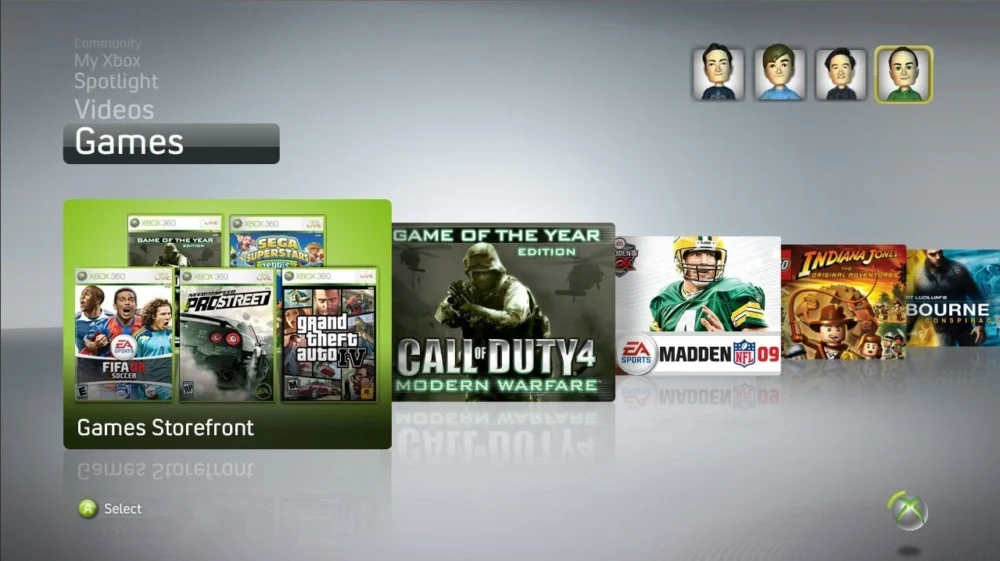
The landscape of user interface design within the gaming industry continues to be a focal point for community discussion as enthusiasts look toward the next generation of Microsoft’s hardware, currently known by the codename Project Helix. Following a recent viral concept by Xbox superfan Klobrille, which reimagined the classic "Blades" interface for modern systems, fellow enthusiast and content creator Colt Eastwood has introduced an alternative vision. This new conceptual design draws heavy inspiration from the New Xbox Experience, commonly referred to as the NXE dashboard, which originally debuted on the Xbox 360 in late 2008.
The emergence of these high-fidelity concepts arrives at a pivotal moment for the Xbox brand. As Microsoft officially confirms that its next-generation hardware is in development—promising the "largest technical leap" in a single generation—the user experience (UX) has become a primary topic of debate. Fans are increasingly vocal about the balance between modern functionality, such as deep integration with Xbox Game Pass and social features, and the aesthetic charm of previous eras.
The NXE Concept: A Modern Take on a Classic Framework
Colt Eastwood’s Project Helix concept utilizes the core architectural philosophy of the 2008 NXE update. The original NXE was a radical departure from the "Blades" system, introducing a vertical and horizontal scrolling mechanic that prioritized large, high-resolution tiles and the integration of 3D Avatars. In Eastwood’s reimagining, this layout is updated with 4K assets, transparent overlays, and a streamlined navigation system intended to leverage the processing power of upcoming hardware.
The design features a prominent central focus on the "Home" tab, which displays the most recently played title alongside a suite of contextual options. Secondary tabs, accessible via horizontal navigation, include sections for the Microsoft Store, Game Pass, Community, and Media. Unlike the current Xbox Series X|S dashboard, which utilizes a more rigid, tile-based "Metro" evolution, the NXE-inspired concept emphasizes depth and layering. This approach is intended to provide a more immersive "living" dashboard experience, a hallmark of the mid-2000s Xbox aesthetic that many long-term users feel has been lost in the transition to more utilitarian, flat-design interfaces.
A Chronological History of Xbox Dashboard Evolution
To understand the significance of these fan concepts, it is necessary to examine the evolution of the Xbox user interface over the past two decades. Each iteration of the dashboard has reflected the broader technological and social trends of its time.
The Original Xbox (2001)
The debut console featured a "Frontseat" UI characterized by industrial, neon-green aesthetics and mechanical sound effects. It was a purely functional interface designed for local play, DVD playback, and basic save-game management.
The Xbox 360 "Blades" (2005–2008)
Upon the launch of the Xbox 360, Microsoft introduced the "Blades" interface. This system utilized a series of overlapping vertical tabs (Media, System, Games, Xbox Live) that users could zip between using the bumper buttons. It remains one of the most fondly remembered UIs in gaming history due to its speed and distinct visual identity.
The New Xbox Experience (NXE) (2008–2010)
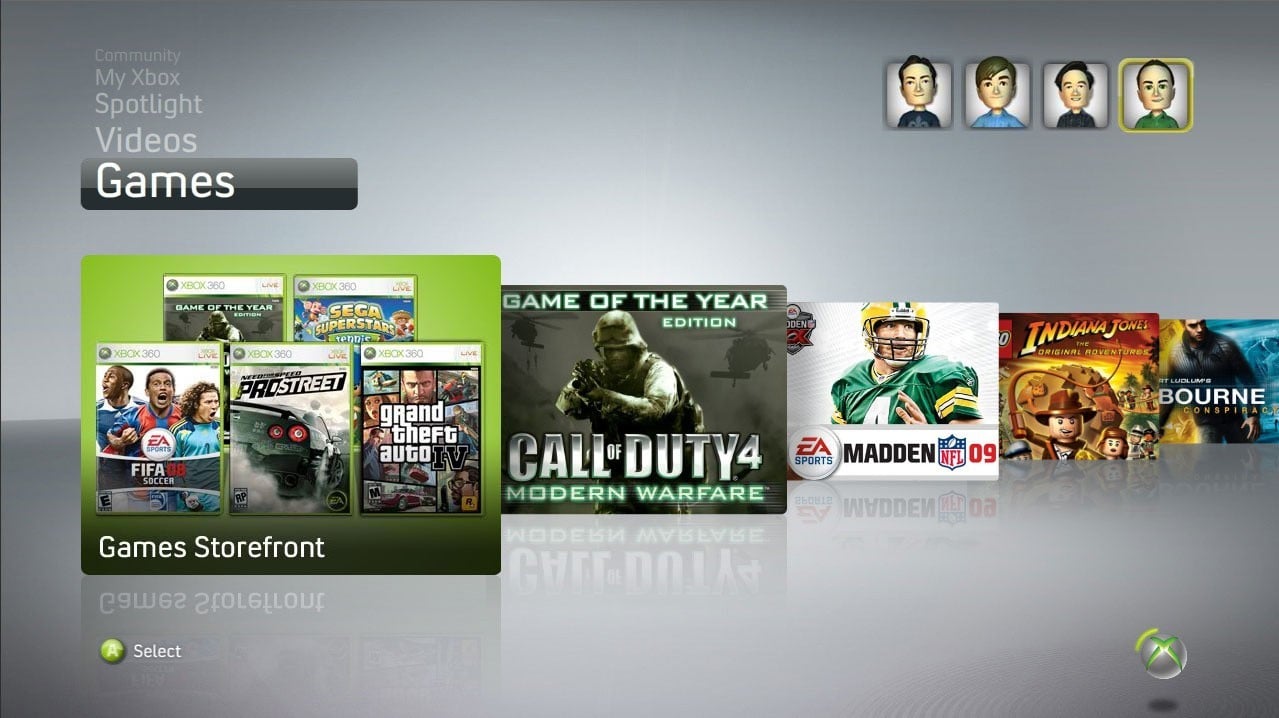
In an effort to compete with the rising popularity of the Nintendo Wii and to make the console a more family-friendly media hub, Microsoft launched the NXE. This update introduced the "Twist" UI, 3D Avatars, and the ability to install games to the hard drive. It marked the first time a console manufacturer had completely overhauled a system’s UI mid-lifecycle.
The Kinect and Metro Eras (2010–2020)
As Microsoft pivoted toward the Kinect motion sensor, the UI became more tile-centric to accommodate gesture controls. This eventually evolved into the "Metro" design language seen on the Xbox One, which prioritized live tiles and a Windows 8-style aesthetic.
The Current Era (2020–Present)
The Xbox Series X|S launched with a refined version of the late-stage Xbox One UI. While functional and fast, it has faced criticism for its heavy reliance on advertisements and a perceived lack of "next-gen" visual flair.
Project Helix: What We Know About the Next Generation
The term "Project Helix" has circulated within the industry as a placeholder for Microsoft’s upcoming hardware strategy. While Microsoft has not officially used this name in public marketing, internal leaks and reports from the Federal Trade Commission (FTC) v. Microsoft legal proceedings have shed light on the company’s roadmap.
According to leaked documents and official statements from Xbox President Sarah Bond, the next generation of Xbox hardware is being designed to utilize a "hybrid" cloud and local compute model. The goal is to deliver a seamless experience across multiple form factors, potentially including a high-performance home console and a dedicated handheld device.
Key technical targets for the next generation include:
- Advanced AI Integration: Utilizing Neural Processing Units (NPUs) to handle tasks such as AI upscaling (similar to DLSS) and dynamic UI adjustments.
- Zen 5/6 CPU Architecture: Moving toward significantly faster processing to handle complex physics and larger game worlds.
- Ray Reconstruction: Enhanced lighting and shadow effects that surpass the capabilities of the current RDNA 2 architecture.
The fan concepts for the UI, such as those by Colt Eastwood and Klobrille, are responses to these technical promises. Enthusiasts argue that if the hardware is making a massive leap, the software interface should feel equally revolutionary while honoring the brand’s heritage.
Comparative Analysis: Blades vs. NXE for Next-Gen
The debate within the Xbox community often splits between the "Blades" and "NXE" camps. The Blades interface is praised for its efficiency; it requires minimal inputs to reach deep settings or media folders. However, critics point out that the Blades system was designed for a time before digital storefronts and subscription services like Game Pass. It lacks the "real estate" necessary to showcase thousands of available titles.
Conversely, the NXE design, as seen in the recent Colt Eastwood concept, provides a middle ground. It maintains the tactile feel of the 360 era but offers the verticality needed to categorize massive digital libraries. The use of "stacks" or "ribbons" allows for a more organized display of content, which is essential for a service-heavy ecosystem.
Data from social media engagement suggests a strong desire for "skeuomorphism"—design that mimics real-world objects or textures—rather than the flat, minimalist design that has dominated the last decade of software. The NXE concept leans into this, using depth, shadows, and 3D space to create a sense of place within the console’s operating system.

Industry Implications and User Experience Strategy
Microsoft’s approach to UI design is not merely an aesthetic choice; it is a strategic one. The current Xbox dashboard is built on a shared codebase with Windows, allowing for rapid updates and cross-platform feature parity. However, this has led to a "one-size-fits-all" feel that some users find uninspired for a dedicated gaming machine.
Competitors like Sony and Nintendo have taken different paths. The PlayStation 5 utilizes a minimalist, high-speed interface that puts game artwork at the forefront, while the Nintendo Switch maintains a basic, low-resource UI to maximize battery life and system performance.
For Microsoft, the "Project Helix" UI represents an opportunity to reclaim a unique brand identity. By integrating elements of the NXE or Blades, Microsoft could tap into the "nostalgia economy" that has proven successful for other tech giants. Furthermore, a more visually engaging UI could serve as a better storefront for Game Pass, potentially increasing user engagement and retention.
Community and Expert Reactions
While Microsoft has not officially commented on these specific fan designs, the company has a history of acknowledging community feedback. The 2023 update to the Xbox Series X|S dashboard, which reduced the size of tiles to show more of the background wallpaper, was a direct result of user requests.
Market analysts suggest that the "Project Helix" UI will likely be more dynamic than anything seen previously. "We are moving toward an era where the UI isn’t just a menu; it’s a personalized portal," says digital media consultant Marcus Thorne. "Expect to see AI-driven layouts that change based on the time of day, the games you play most, and even your social interactions. Concepts like the NXE revival show that fans want that high-tech future to still feel like an Xbox."
Conclusion: The Road to 2026 and Beyond
As rumors suggest a potential 2026 release window for the next generation of Xbox hardware, the conversation surrounding the user interface will only intensify. The concepts provided by members of the community serve as a barometer for consumer expectations. Whether Microsoft chooses to adopt a retro-inspired layout or move toward a completely new paradigm, the emphasis remains on speed, accessibility, and visual distinction.
The Project Helix UI concept based on the NXE dashboard is more than a simple exercise in nostalgia; it is a blueprint for how a modern console can balance the complex needs of a digital ecosystem with the personality and flair that defined the golden age of gaming. For now, the Xbox audience remains in a state of anticipation, waiting to see if the official "greatest technical leap" will include a dashboard that lives up to the creative visions of its most dedicated fans.