


The 2026 edition of the Game Developers Conference (GDC), a cornerstone event for the global video game industry, commenced this week, with Microsoft making a particularly significant impact through an expansive and strategically designed presence. At the forefront of its showcase is a monumental display charting the illustrious history of its Xbox gaming brand, meticulously curated to captivate both seasoned industry veterans and emerging talent. This retrospective journey is juxtaposed with an overt forward-looking directive: a compelling invitation for developers to "build for what’s next," a theme resonating deeply as the company subtly unveils more about its forthcoming console initiative, "Project Helix."
Microsoft’s booth at GDC 2026 serves as a powerful testament to its dual commitment: honoring the foundational achievements that have shaped Xbox into a global gaming powerhouse, while simultaneously laying the groundwork for its next generation of hardware and ecosystem advancements. Images circulating widely across social media, shared by attending press and industry representatives, reveal a meticulously crafted exhibit that guides visitors through pivotal moments in Xbox’s two-decade-plus history. From the groundbreaking launch of the original Xbox to its subsequent iterations and technological leaps, the display underscores the brand’s enduring legacy and its continuous drive for innovation.
The Grand Display: A Walk Through Xbox History
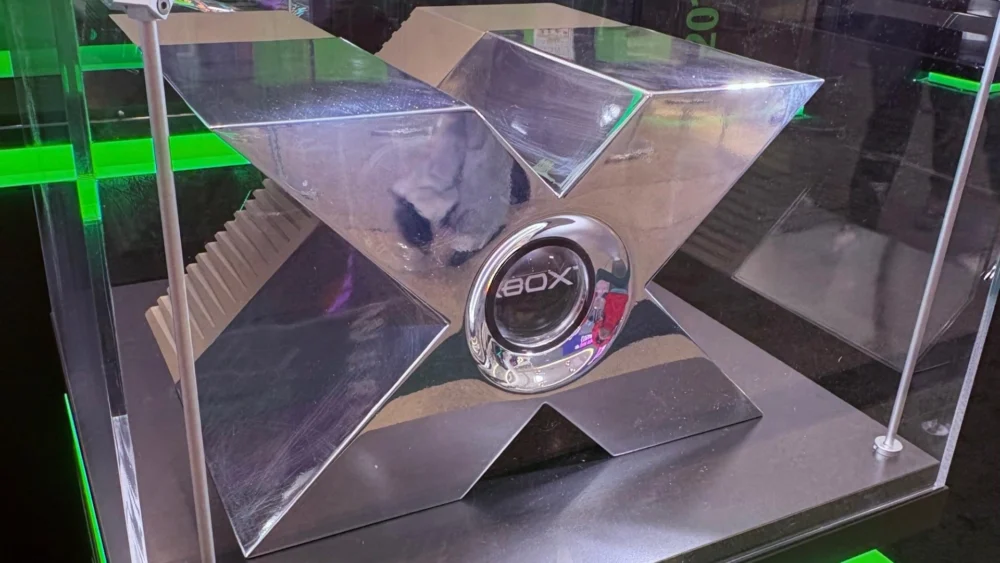
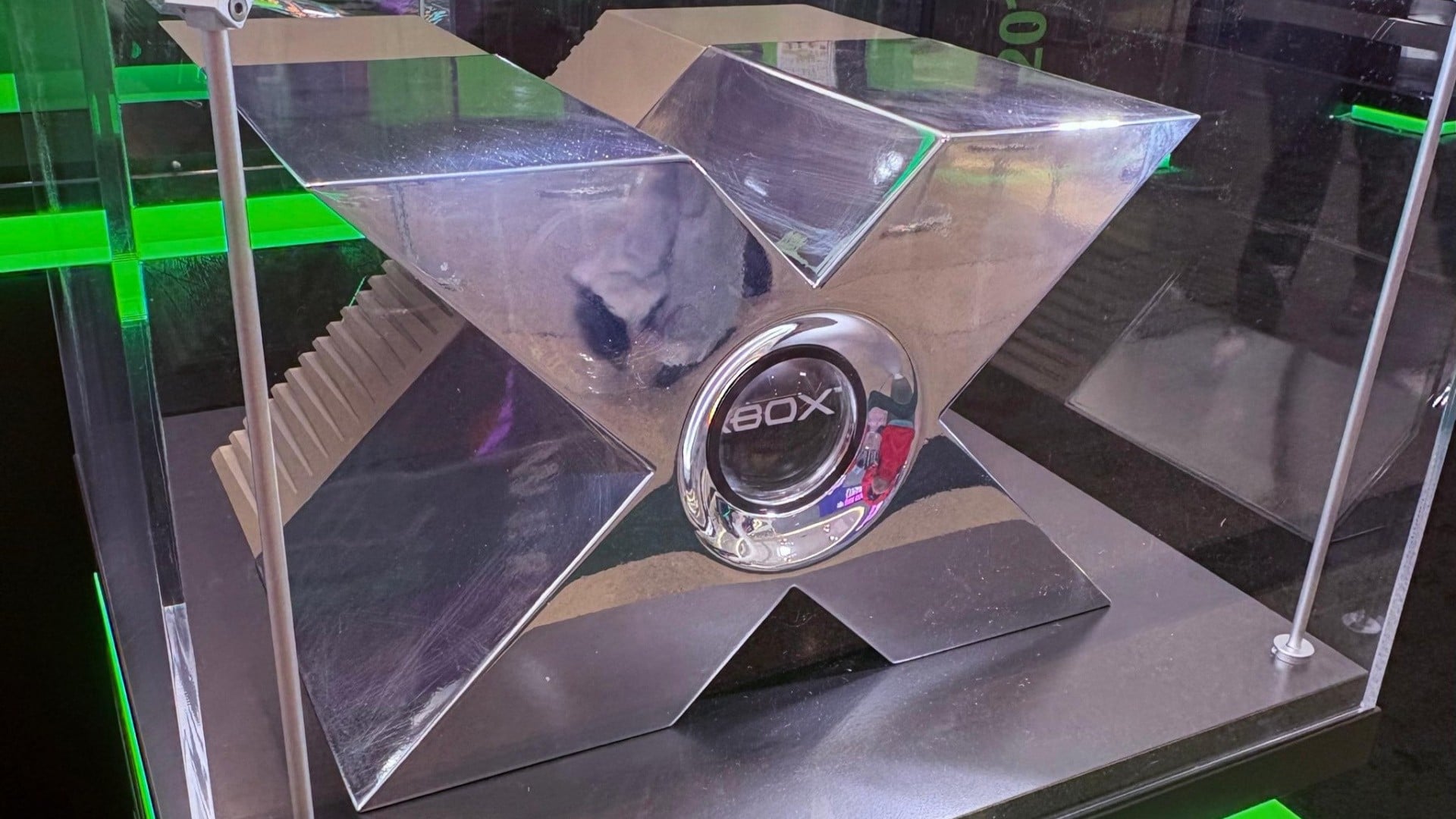
The historical exhibit is not merely a collection of artifacts; it is a narrative journey designed to evoke nostalgia and reinforce the brand’s pioneering spirit. Central to this display, and drawing considerable attention, is an original Xbox prototype, an iconic piece of hardware that foreshadowed the console’s eventual design and robust capabilities. Xbox head Asha Sharma, a prominent figure in the company’s gaming division, personally highlighted this particular exhibit, sharing detailed images that underscore its enduring, almost futuristic, aesthetic. More than 20 years after its initial appearance, the prototype continues to command admiration, symbolizing a pivotal moment in Microsoft’s entry into the competitive console market. This emphasis on foundational hardware, particularly the original Xbox, speaks volumes about the company’s pride in its engineering heritage and its journey from challenger to industry stalwart.
Beyond the initial prototype, the display encompasses a comprehensive timeline of Xbox consoles, peripherals, and significant software milestones. Visitors can observe the evolution from the original Xbox, which introduced integrated online multiplayer with Xbox Live, to the immensely successful Xbox 360, lauded for its robust game library and widespread adoption. The exhibit continues through the Xbox One era, charting its journey and subsequent refinements, culminating in the current generation of Xbox Series X and Series S consoles, known for their powerful performance and integration with the Xbox Game Pass ecosystem. Each segment of the historical showcase is designed to highlight key technological advancements, seminal game releases, and strategic partnerships that have defined Xbox’s trajectory. This chronological presentation serves to remind developers of the consistent evolution and commitment to the gaming space that Microsoft has demonstrated over the decades, fostering confidence in future collaborations.
GDC 2026: A Pivotal Gathering for Developers
The Game Developers Conference is arguably the most crucial annual gathering for the video game development community. Unlike consumer-focused events such as E3 or Gamescom, GDC is an industry-centric convention dedicated to the advancement of the art and science of video game creation. Held annually, it attracts tens of thousands of programmers, artists, producers, game designers, audio professionals, business decision-makers, and others involved in the development of interactive entertainment. The conference features extensive educational sessions, including lectures, panels, tutorials, and roundtables on a broad range of game development topics, alongside networking opportunities and an expo floor showcasing the latest tools, technologies, and services.
Understanding the Game Developers Conference
GDC’s significance for platform holders like Microsoft cannot be overstated. It is not a venue for direct consumer marketing, but rather a vital forum for engaging with the creative and technical talent responsible for populating their platforms with compelling content. For Microsoft, GDC provides an unparalleled opportunity to:
- Showcase Developer Tools and Technologies: Present new SDKs, APIs, cloud services (like Azure Game Development), and development kits that empower creators to build innovative games.
- Foster Relationships: Directly interact with independent studios, major publishers, and individual developers, addressing their needs, gathering feedback, and nurturing partnerships.
- Communicate Strategic Vision: Articulate the future direction of the Xbox platform, its ecosystem, and its commitment to developers, ensuring alignment and enthusiasm for upcoming hardware and software initiatives.
- Recruit Talent: Attract skilled professionals to work on first-party titles or within their platform teams.
Microsoft’s substantial investment in its GDC 2026 booth and presentations underscores its understanding of the conference’s strategic value. By presenting a grand historical narrative alongside a clear vision for the future, the company aims to solidify its standing as a reliable and innovative partner for game developers worldwide.
"Building for What’s Next": The Future Unveiled
The overarching theme of Microsoft’s GDC presence, "building for what’s next," is more than just a marketing slogan; it represents a strategic pivot and a direct call to action for the development community. This forward-looking emphasis gains particular weight with the explicit mention of "Project Helix," which is now "out in the wild in name and concept." While concrete details remain under wraps, the acknowledgment of "Project Helix" at GDC signals Microsoft’s readiness to begin engaging developers on its next-generation console, likely targeting a release in 2027 or beyond.
Project Helix: The Next Generation Takes Shape
The revelation of "Project Helix" at GDC is a classic industry strategy. Before a full consumer reveal, console manufacturers often engage developers under non-disclosure agreements to introduce them to the new hardware’s capabilities, architecture, and development environment. This allows studios ample time to understand the new platform, begin prototyping, and ultimately launch games closer to the console’s debut. The GDC setting is ideal for such preliminary discussions, as it brings together the very individuals who will be tasked with harnessing the power of this new system. While public details are scarce, the industry is buzzing with speculation regarding "Project Helix’s" potential innovations, from advanced rendering techniques and AI-driven enhancements to new forms of player interaction and deeper integration with cloud services. The implication is clear: Microsoft is not merely evolving; it is pushing the boundaries of what a console experience can be, and it needs developers on board to realize this vision.
Beyond Hardware: Ecosystem and Services
"Building for what’s next" extends far beyond just new hardware. Microsoft’s strategy for the future of Xbox is intrinsically linked to its broader ecosystem of services and its commitment to developer support. This includes the continued expansion and evolution of Xbox Game Pass, which has fundamentally altered how players access and consume games. Developers are increasingly looking for platforms that offer diverse monetization models and broad audience reach, and Game Pass represents a significant opportunity. Furthermore, Microsoft’s investments in cloud gaming via Xbox Cloud Gaming, cross-platform play capabilities, and robust developer tools powered by Azure signify a commitment to a future where games are more accessible, interconnected, and dynamic. The GDC showcase likely provided deeper insights into how these services will integrate with "Project Helix," offering a comprehensive platform for creators to reach a global audience across various devices.
Insights from Leadership and the Industry
Xbox head Asha Sharma’s presence and pronouncements at GDC 2026 offer critical insights into Microsoft’s strategic direction. Her emphasis on the "importance of console" as a "reference experience" is particularly telling. In an era where gaming is increasingly fragmented across PCs, mobile devices, and cloud streaming services, this statement reaffirms Microsoft’s unwavering commitment to dedicated gaming hardware. A "reference experience" implies that the console will continue to serve as the benchmark for graphical fidelity, performance, and immersive gameplay, setting the standard that other platforms aspire to emulate or scale down from. This is a crucial message for developers who invest significant resources in pushing technological boundaries; it assures them that the console remains a vital canvas for their most ambitious creations.
Developer Reactions and Industry Buzz

The initial reception from developers and the broader industry appears to be one of cautious optimism and intense curiosity. On social media and within industry forums, discussions revolve around the implications of "Project Helix" and the potential for new development paradigms. Developers are keenly interested in technical specifications, ease of development, and the support structure Microsoft intends to provide. The historical display, while a nod to the past, strategically frames these future discussions, reminding developers of Xbox’s journey and its capacity for innovation. Industry analysts are likely to interpret Microsoft’s GDC strategy as a well-calculated move to solidify developer confidence and generate early momentum for its next-generation console, all while navigating a highly competitive and rapidly evolving market landscape.
The Chronology of Xbox: A Legacy of Innovation
To fully appreciate Microsoft’s GDC 2026 strategy, it is essential to contextualize it within the broader chronology of the Xbox brand:
- Original Xbox (2001): Microsoft’s audacious entry into the console market. Known for its powerful hardware (for its time), a built-in hard drive, and most significantly, the pioneering Xbox Live service, which revolutionized online console gaming. Its launch laid the groundwork for a connected gaming future.
- Xbox 360 (2005): A monumental success for Microsoft, the Xbox 360 significantly expanded Xbox’s global footprint. It offered a compelling blend of high-definition gaming, a robust online ecosystem, and innovative features like the Kinect motion sensor (though its impact was mixed). This era firmly established Xbox as a major player.
- Xbox One (2013): Faced initial challenges with its focus on an "all-in-one entertainment system" rather than pure gaming. However, subsequent course corrections, including a renewed emphasis on games, the introduction of Xbox Game Pass, and significant developer outreach, helped it regain momentum. This generation saw Microsoft pivot towards a service-oriented model.
- Xbox Series X|S (2020): Launched amidst a global pandemic, these consoles represent Microsoft’s current-generation offering, prioritizing speed, power, and backward compatibility. Their integration with Xbox Game Pass and cloud gaming capabilities solidified the ecosystem-first approach.
- Lead-up to Project Helix (2026-2027): The current phase, characterized by strategic developer engagement at events like GDC, teasing future hardware, and reinforcing the brand’s commitment to both its legacy and its ongoing evolution.
Each era has presented unique challenges and opportunities for developer engagement. From fostering early partnerships for the original Xbox to navigating the complexities of the Xbox One and embracing the digital-first approach of the Series X|S, Microsoft has continuously adapted its strategy to attract and retain top-tier development talent. GDC 2026, with its blend of historical homage and future-gazing, is a direct continuation of this long-standing relationship-building effort.
Broader Implications for the Gaming Landscape
Microsoft’s comprehensive presence at GDC 2026 carries significant implications for the broader gaming landscape. It signals a renewed vigor in the console wars, affirming that despite Microsoft’s increasing focus on PC, cloud, and multi-platform strategies, dedicated Xbox hardware remains a cornerstone of its gaming ambitions. This stance is crucial for developers who need clarity on platform commitment when planning multi-year projects.
The emphasis on "Project Helix" also intensifies competition with rivals like Sony and Nintendo, particularly as the industry approaches the typical refresh cycle for console generations. Microsoft’s proactive engagement with developers at this early stage could provide a strategic advantage in securing exclusive content and optimizing multi-platform titles for their forthcoming system.
Ultimately, while GDC is an industry-focused event, the discussions and partnerships forged there directly shape the consumer experience. The technologies showcased, the developer tools provided, and the strategic directions outlined will dictate the quality, innovation, and accessibility of the games that players will enjoy in the coming years. Microsoft’s GDC 2026 showcase is not just about a booth or a display; it’s about charting the course for the future of Xbox and, by extension, influencing a significant segment of the global gaming market.
In conclusion, Microsoft’s expansive and strategically layered presence at GDC 2026 is a masterclass in platform stewardship. By meticulously showcasing the rich history of Xbox, reaffirming its commitment to dedicated console experiences through the insights of leadership like Asha Sharma, and most importantly, explicitly engaging developers on the highly anticipated "Project Helix," Microsoft is orchestrating a powerful narrative. It’s a narrative that respectfully acknowledges its past achievements while boldly signaling its ambitious vision for the future, ensuring that the creative minds of the game development world are not only aware of "what’s next" for Xbox but are actively invited to build it. The industry watches with keen interest to see how these foundational discussions will translate into the next generation of groundbreaking interactive entertainment.