


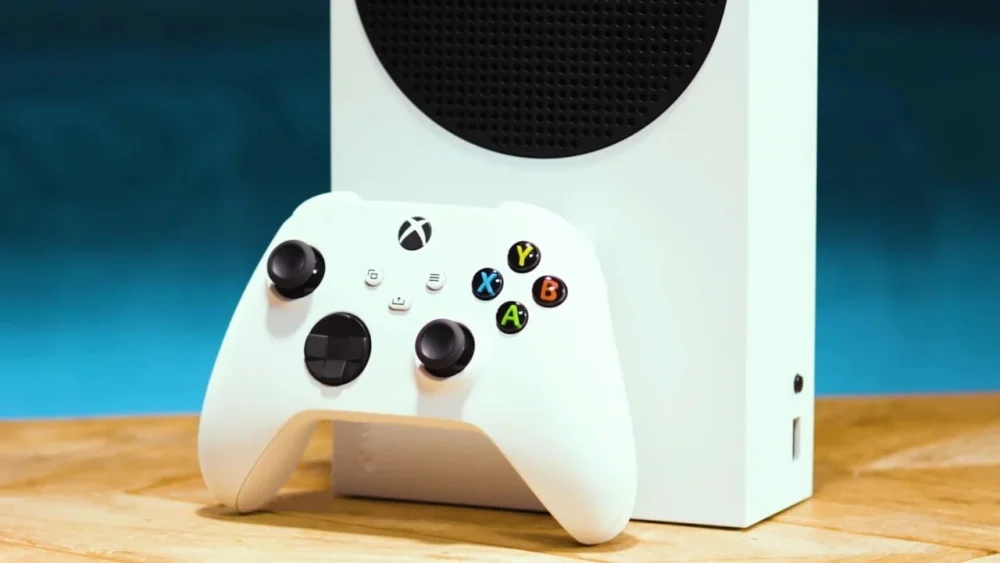
In a significant development for the future of console gaming, industry discussions are intensifying around Microsoft’s potential multi-tiered approach for its next generation of Xbox hardware. While considerable attention has been directed towards the anticipated high-end console, internally referred to as Project Helix, recent expert analysis from Digital Foundry has introduced the compelling prospect of a successor to the more accessible Xbox Series S. This speculation emerges directly from Microsoft’s own statements regarding a "portfolio of devices" following its strategic partnership with AMD, hinting at a diverse hardware ecosystem rather than a singular flagship console.
The Current Xbox Strategy: A Dual-Tiered Approach
To understand the implications of a potential Series S successor, it is crucial to first contextualize Microsoft’s current generation strategy. Launched in November 2020, the Xbox Series X and Series S represented a deliberate bifurcated approach to the market. The Series X, positioned as the premium console, offered uncompromised 4K gaming performance, targeting enthusiasts and those seeking the absolute best visual fidelity. In contrast, the Xbox Series S was introduced as a more affordable, disc-less alternative, designed for 1440p gaming and targeting a broader audience sensitive to price points or those with 1080p displays. This strategy aimed to maximize market reach by offering distinct value propositions, a move that diverged from PlayStation’s initial unified hardware launch (PS5 Digital Edition offering the same performance sans disc drive).
The Series S, despite initial skepticism from some developers regarding its lower specifications, has played a vital role in Xbox’s market penetration, particularly in regions where price sensitivity is higher. Its compact form factor and lower entry cost have made it an attractive option for many, contributing significantly to the overall Xbox console install base. This success underscores the potential viability of continuing a dual-tier strategy into the next generation, especially as console development costs rise and consumer budgets face increasing pressure.
Chronology of Key Announcements and Speculation
The timeline of recent disclosures and expert commentary provides a framework for understanding the evolving narrative around Xbox’s next-gen plans:
- Summer 2025 (Pre-AMD Announcement): The reveal of the ROG Xbox Ally, a handheld gaming device, showcased Microsoft’s willingness to expand the Xbox experience beyond traditional home consoles, though this device operates within the Windows PC ecosystem.
- June 2025: Xbox officially announced a "strategic partnership" with AMD for its next-generation console hardware. Critically, the announcement specified that this collaboration would result in "a portfolio of devices including our next-generation Xbox consoles," using the plural "consoles." This phrasing immediately sparked speculation about multiple console SKUs.
- Recent Past: Discussions around "Project Helix" began to circulate, with tech journalists predicting a price point potentially exceeding USD 1,000 for this high-end device. This suggests a powerful, premium console designed to push the boundaries of graphical fidelity and performance.
- Present Day: Digital Foundry, renowned for its in-depth technical analysis of gaming hardware, addressed these developments on a recent episode of their DF Direct podcast. Their discussion specifically focused on the "portfolio of devices" statement and its implications for a lower-end console successor to the Xbox Series S.
The AMD Partnership: A Foundation for Diverse Hardware
The renewed "strategic partnership" with AMD is central to the discussion of a multi-tiered next-gen strategy. AMD has been Microsoft’s silicon partner for Xbox since the Xbox One era, providing custom Accelerated Processing Units (APUs) that integrate CPU and GPU functionalities onto a single chip. This integration is crucial for console design, offering efficiency in power consumption, thermal management, and cost.
Digital Foundry’s analysis zeroes in on the potential of AMD’s evolving APU technology. They posited: "I think It’s basically a case of what is this ‘strategic partnership’ with AMD all about. They’re talking about a range of devices there, right? Which could potentially include your lower end machine in the form of like an AMD APU, which have been getting progressively more and more powerful over time. And, maybe by the time the next generation comes around, they’ve got a really good APU coming out that is Xbox compatible."
This perspective highlights several key technical and market considerations:
- Advancements in APU Technology: AMD has made significant strides in integrated graphics performance over successive generations, blurring the lines between discrete GPUs and integrated solutions, especially at lower power envelopes. Custom APUs designed specifically for a console can leverage these advancements efficiently.
- Cost-Effectiveness: Manufacturing a single, highly integrated chip (APU) is generally more cost-effective than separate CPU and GPU components, making it ideal for a budget-conscious console.
- Scalability: AMD’s RDNA architecture, used in current-gen consoles, is highly scalable. This allows for variations in compute units, clock speeds, and memory configurations to create different performance tiers from a common architectural base.
- Strategic Alignment: A partnership of this depth implies a long-term roadmap where AMD’s silicon development aligns closely with Xbox’s hardware vision, enabling optimized custom solutions for various performance targets.
Digital Foundry’s Analysis: The Case for a Low-End Successor
The "portfolio of devices" phrase, coupled with the explicit mention of "Xbox consoles" (plural), strongly suggests that Microsoft is planning more than one traditional console model for the next generation. While the term "portfolio of devices" could broadly encompass everything from cloud gaming clients to mobile phones, as Xbox’s recent strategy has demonstrated, the specific inclusion of "Xbox consoles" within that portfolio, and post-dating the ROG Xbox Ally reveal, makes it highly probable they refer to dedicated home console hardware.
Digital Foundry’s inference that a lower-end machine could utilize an advanced AMD APU aligns with the historical precedent set by the Series S. Such a console would likely target a lower resolution standard (e.g., 1080p or 1440p upscaled) and potentially lower frame rates or graphical settings compared to Project Helix, but at a significantly more attractive price point. The continuous improvement in APU capabilities means that a future "Series S" equivalent could offer a substantially better gaming experience than its current-gen predecessor, even at a reduced cost. This allows for a wider demographic to access next-generation gaming without the premium investment.
Historical Precedent and Market Trends
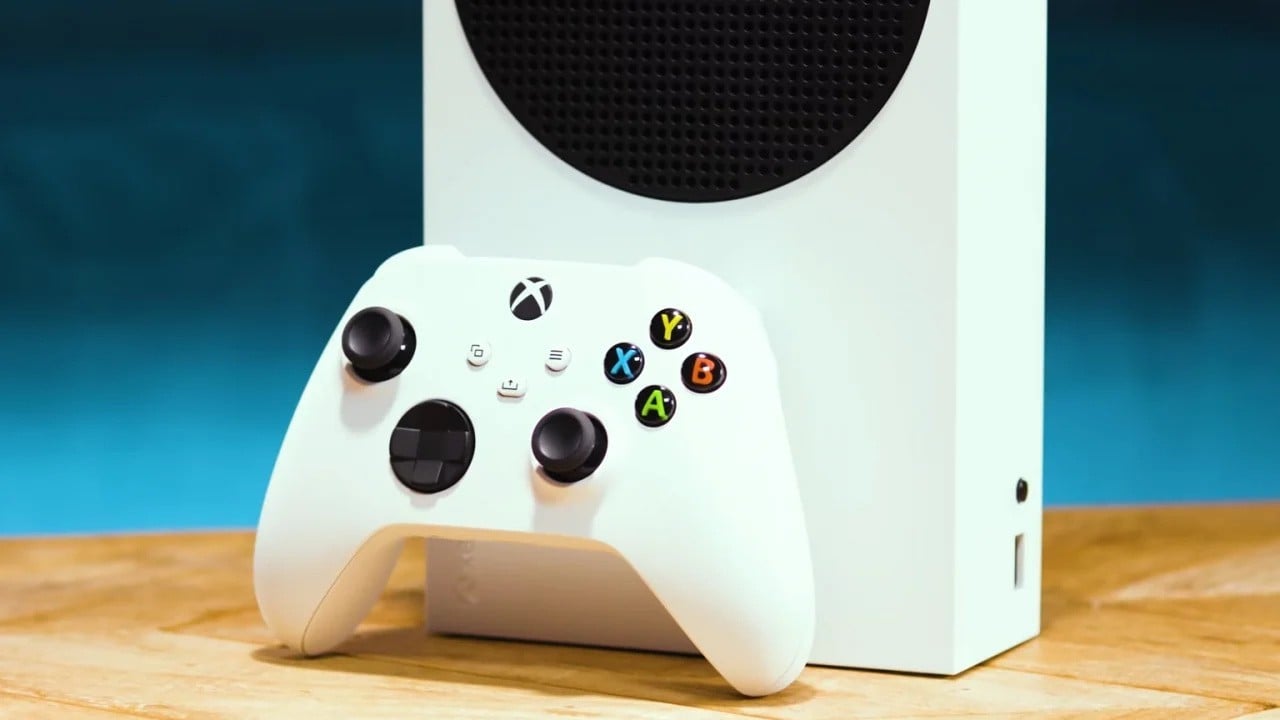
The concept of tiered console hardware is not new. Nintendo has long offered variations like the Switch Lite alongside the standard Switch. Sony has released ‘Pro’ versions (PS4 Pro) and slimmer models (PS4 Slim) within the same generation. Microsoft itself has had the Xbox One S and Xbox One X. The Xbox Series X/S pairing, however, was unique in launching simultaneously with distinct performance targets.
Market analysis consistently shows a significant segment of consumers who prioritize affordability over bleeding-edge performance. Especially in times of economic uncertainty, a lower entry price can be a critical factor in adoption. Data from previous console generations indicates that budget-friendly options often sell well, particularly as the generation matures and price cuts become more common. For instance, the PS2 Slim outsold the original PS2. While not a perfect analogy, it demonstrates the power of a more accessible price point.
Furthermore, the rising cost of living and global economic shifts could make a USD 1,000+ console a prohibitive investment for many. A more accessible alternative would broaden Xbox’s appeal, potentially drawing in new players who might otherwise defer their upgrade or opt for alternative entertainment.
Implications for Developers and Consumers
Should Microsoft pursue a dual-tier strategy with Project Helix and a Series S successor, it would present both opportunities and challenges for the gaming ecosystem.
For developers, the primary challenge would be optimizing games across two distinct performance profiles. While modern game engines are designed for scalability, ensuring a compelling experience on a lower-spec console without compromising the high-end vision requires careful planning and resource allocation. However, the benefit is a larger potential install base, justifying the development investment. Developers would need robust tools and clear guidelines from Microsoft to efficiently target both machines, likely emphasizing dynamic resolution scaling, variable frame rates, and configurable graphical settings. The existence of the current Series S has already pushed developers to consider multiple performance targets, so this would be an evolution rather than an entirely new paradigm.
For consumers, the implications are largely positive. A tiered approach offers greater choice and accessibility. Those who demand the absolute best visuals and performance can invest in Project Helix, while budget-conscious gamers can still enjoy next-generation titles on a more affordable machine. This democratizes access to new gaming experiences. However, it could also lead to discussions about potential feature parity or perceived compromises on the lower-end system, which Microsoft would need to manage through clear marketing and consistent performance targets.
The Broader Xbox Ecosystem and Competitive Landscape
This potential multi-console strategy aligns with Xbox’s broader vision of reaching "billions of players." Phil Spencer, head of Xbox, has consistently articulated a strategy focused on player choice, accessibility, and a diverse ecosystem that spans traditional consoles, PC, cloud gaming, and mobile. A portfolio of next-gen consoles—from a high-powered flagship to an accessible entry-level device—would complement this strategy by catering to different hardware preferences and budgets within the traditional console segment.
Furthermore, it could bolster Xbox Game Pass, Microsoft’s subscription service, by expanding the number of devices capable of running its vast library of titles natively. More consoles in more homes means more potential Game Pass subscribers.
In the competitive landscape, this approach allows Xbox to potentially counter PlayStation’s strategy, which has historically leaned more towards a unified hardware vision (though the PS5 Digital Edition offers a disc-less variant at a slightly lower price point, it shares the same internal specs as the standard PS5). By offering a truly distinct, performance-tier differentiated low-cost console, Xbox could carve out a unique market position, appealing to demographics that its primary competitor might not fully address with a single, high-spec offering. It also allows Xbox to compete more effectively with the increasingly powerful and diverse PC gaming market by offering compelling console experiences at various price points.
Conclusion and Outlook
The speculation from Digital Foundry, grounded in Microsoft’s own carefully worded announcements, paints a picture of a dynamic and diversified next-generation Xbox strategy. The notion of a lower-end console successor to the Xbox Series S, operating alongside a powerful Project Helix, suggests a deliberate effort to capture a broad market spectrum, from hardcore enthusiasts to budget-conscious gamers. This strategy leverages AMD’s advancements in APU technology, builds upon the success of the current Series S, and aligns with Xbox’s overarching vision of a ubiquitous gaming ecosystem.
While specific details remain under wraps, the industry will be closely watching for further official announcements. The decision to embrace a multi-tiered console approach could redefine market segmentation for the next console generation, offering unprecedented choice to consumers and presenting a renewed set of opportunities and challenges for developers in the ever-evolving world of interactive entertainment. The future of Xbox appears to be not just powerful, but also widely accessible.