


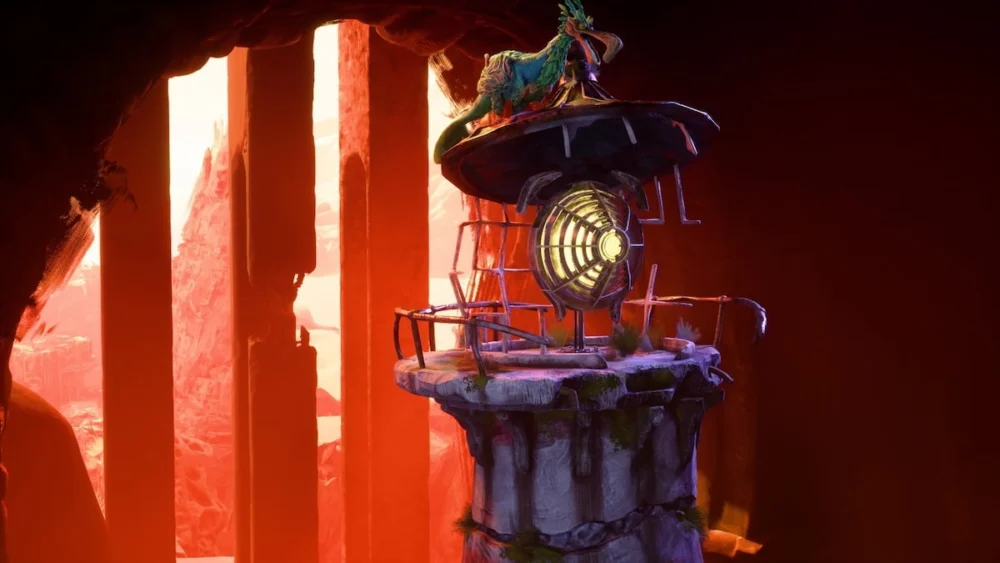
The gaming landscape is a vast and diverse terrain, capable of delivering experiences that range from the adrenaline-pumping intensity of titles like Call of Duty and the whimsical platforming of Super Mario, to deeply immersive, cinematic journeys with minimal player input. Keeper, the latest offering from Double Fine Productions and Lee Petty, developed under the Xbox Game Studios umbrella, firmly occupies the latter end of this spectrum. While the game undeniably captivates with its unique aesthetic and the sheer beauty of its artistic direction, it ultimately struggles to resonate as deeply as its peers, leaving players with a sense of unfulfilled potential despite its commendable place within the market of experimental and narrative-driven games.
A Luminous Voyage Through a Silent World
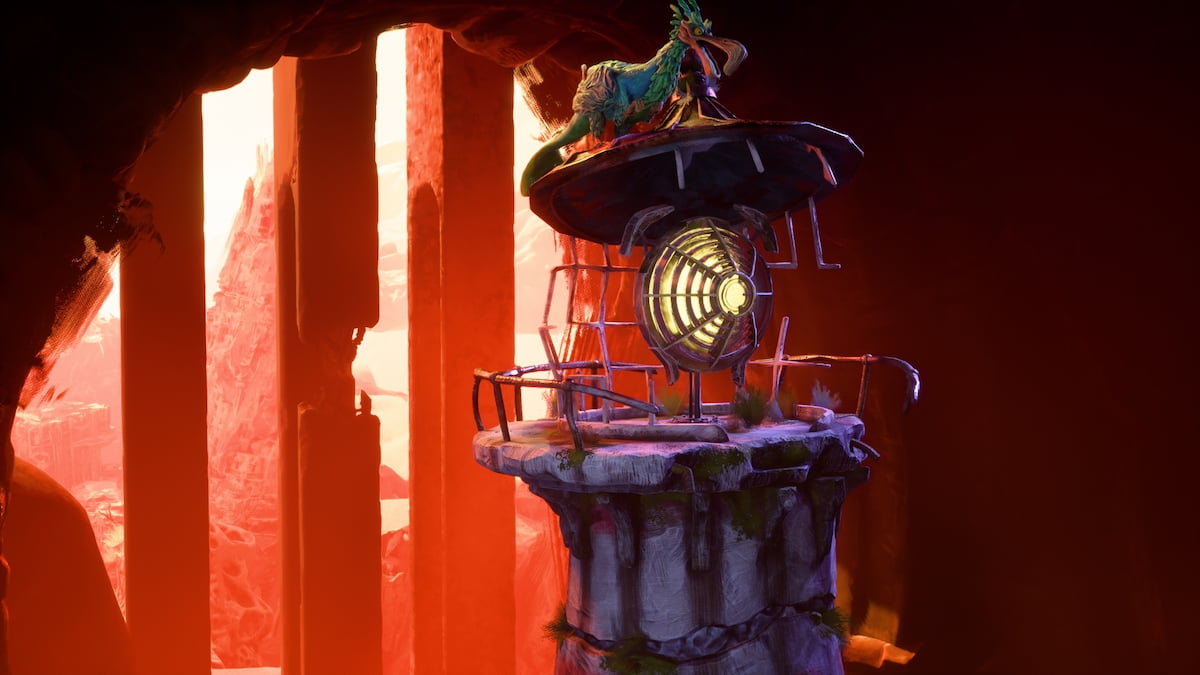
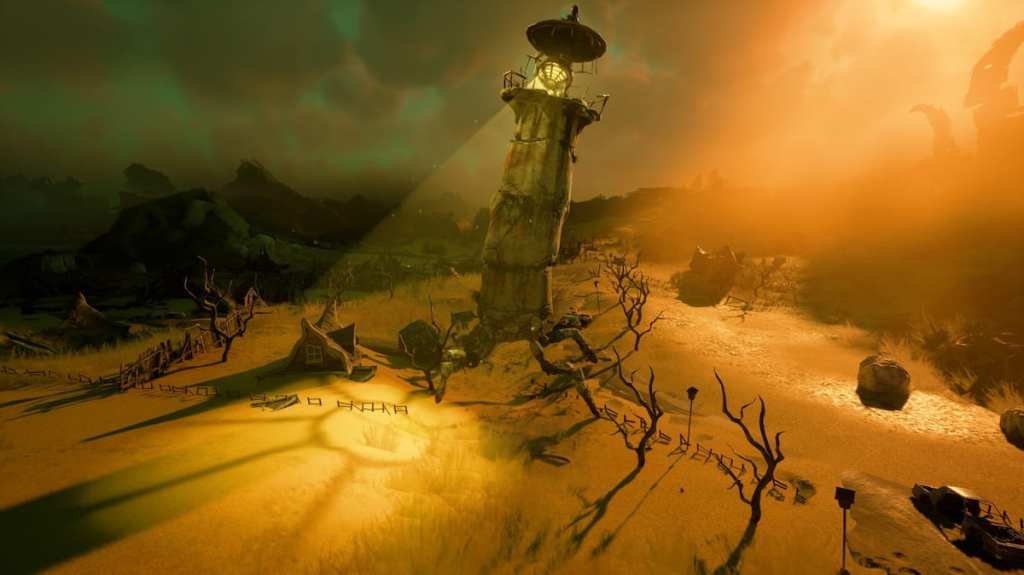
Keeper presents players with an unconventional premise: you control a lighthouse and a sea bird, a duo embarking on a critical mission to heal their ailing world, afflicted by an unseen blight that threatens its flora and fauna. The narrative unfolds not through dialogue, but through environmental storytelling, contextual clues, and a series of elegantly rendered cutscenes that punctuate the gameplay. This deliberate absence of spoken words creates an atmosphere of contemplative immersion, allowing players to piece together the story organically. The core gameplay loop revolves around exploration, traversal, and light puzzle-solving, all managed through a streamlined control scheme. The lighthouse’s spotlight serves as a primary tool, illuminating the path forward and interacting with specific environmental elements, while the sea bird offers a secondary means of movement and interaction.
The game’s visual design is undoubtedly its strongest asset. It paints a surreal and often breathtaking picture, where inanimate objects come to life and the environment itself feels like a character. This artistic vision positions Keeper as akin to a playable art installation, a curated experience designed to evoke a specific mood and aesthetic. However, this artistic focus sometimes comes at the expense of engaging gameplay. The puzzles, while accessible, are often described as being "shockingly linear and solvable with little thought involved." This approach, while intended to make the game approachable for a wide audience, can lead to a feeling of being overly guided, a sentiment echoed by the inclusion of on-screen button prompts that, while optional, underscore the game’s generally hands-off approach to player agency.
The Double-Edged Sword of Simplicity
The controlled simplicity of Keeper‘s mechanics is a recurring theme. With a limited set of actions – navigating with the left stick, aiming the spotlight with the right stick and RT, and utilizing the bird with the X button for specific abilities – players are guided through the game’s approximately five-hour runtime. This ease of use is certainly a boon for those who find traditional puzzle games frustrating, but for players seeking a more robust challenge, the experience can feel somewhat on-rails. The lack of demanding puzzles or complex mechanics leaves many wishing for a greater sense of accomplishment derived from their own problem-solving efforts.
One of the more persistent gameplay challenges arises from the game’s fixed camera angles. While these are strategically employed to showcase the game’s stunning visual artistry, they can also prove cumbersome. Navigating the environment and precisely aiming the lighthouse’s spotlight can become an exercise in frustration when the camera shifts unexpectedly or at awkward angles, creating a disconnect between player intention and in-game execution. This is a subtle yet significant hurdle that can detract from the otherwise serene experience.
Contextualizing Keeper in the Experiential Gaming Pantheon
Keeper enters a niche but increasingly significant genre of games that prioritize atmosphere, narrative, and artistic expression over traditional gameplay loops. It draws comparisons to critically acclaimed titles such as Abzu, Gris, and Journey. These games, while also leaning towards a more passive, narrative-driven experience, often manage to strike a more profound chord with players, offering a stronger emotional resonance or a more impactful thematic message. The reviewer notes a distinct lack in Keeper when held against these benchmarks, a missing element that could be character depth, narrative urgency, or a more overt philosophical exploration.
Upon reflection, the narrative beats of Keeper tend to blend together, lacking specific moments that leave a lasting impression. While the lighthouse and bird diligently perform their tasks throughout the game’s brief duration, few actions stand out as particularly memorable. An exception is noted in a time-travel segment, which requires players to navigate between past, present, and future to overcome obstacles, offering a brief glimmer of more intricate puzzle design. However, this isolated instance does little to elevate the overall experience beyond its established simplicity.
The developer’s approach to storytelling in Keeper is intentionally minimalist, with a deliberate effort to avoid spoilers. This suggests an intention to allow players to discover the narrative at their own pace. However, the "overly simple" nature of the plot and gameplay mechanics, as described, may leave a significant portion of the gaming audience feeling that the experience, while pleasant, ultimately falls short of delivering a truly memorable or impactful journey.
Development Background and Studio Vision
Double Fine Productions, known for its eclectic and often innovative titles such as Psychonauts and Broken Age, has a history of exploring unconventional game design. Their collaboration with Lee Petty, an artist and designer with a distinctive visual style, undoubtedly contributed to the unique aesthetic of Keeper. The game’s development within Xbox Game Studios also signifies a commitment from a major publisher to support diverse and experimental projects.
The release of Keeper in 2025 aligns with a broader industry trend towards narrative-driven experiences and "walking simulators" or "playable films." These genres often aim to evoke emotions and provoke thought, using interactivity as a vehicle for storytelling rather than as a primary gameplay objective. Studios like thatgamecompany (Journey, Sky: Children of the Light) have paved the way for such experiences, demonstrating their commercial and critical viability. However, the success of these titles often hinges on a delicate balance between artistic ambition and player engagement, a balance Keeper appears to struggle to fully achieve.
Market Reception and Potential Implications
The pricing of Keeper at $30 in 2025, as noted in the review, places it in a competitive market segment. For this price point, players often expect a certain level of depth, replayability, or innovation. While Keeper offers a unique artistic vision and a relaxing experience, its brevity and straightforward gameplay may not justify the cost for many consumers, especially when compared to other offerings available. The suggestion that money might be "better spent elsewhere" highlights the critical challenge of delivering value in a crowded marketplace.
The availability of Keeper on Xbox Game Pass, however, significantly alters its accessibility and potential impact. For subscribers, the risk associated with trying a shorter, more experimental game is greatly reduced. This platform provides an excellent avenue for players to experience Keeper and appreciate its artistic merits without a direct financial commitment. This model can foster a greater appreciation for diverse gaming experiences, even those that may not achieve mainstream commercial success as standalone purchases.
The game’s reception by a wider audience remains to be seen, but initial impressions suggest it will appeal primarily to players who prioritize artistic direction and atmospheric storytelling above all else. Its success might be measured not in sales figures, but in its ability to spark conversation about the evolving nature of interactive media and the potential for games to serve as powerful artistic canvases.
Looking Ahead: The Evolving Landscape of Experiential Games
Keeper‘s existence underscores the ongoing exploration of what games can be. While it may not reach the heights of its genre predecessors in terms of player retention or critical acclaim, it represents a valuable contribution to the ongoing dialogue about interactive storytelling. The challenges faced by Keeper – balancing artistic vision with gameplay engagement, ensuring meaningful player agency within a guided narrative, and justifying its price point in a competitive market – are all critical considerations for developers in the experiential gaming space.
As the industry continues to mature, we can expect to see more titles that push the boundaries of traditional gameplay, offering unique and thought-provoking experiences. The lessons learned from games like Keeper, both in their successes and their shortcomings, will undoubtedly inform the development of future projects, potentially leading to even more compelling and impactful interactive narratives. The journey of experiential gaming is far from over, and Keeper is a testament to the continued experimentation and artistic ambition driving this evolving frontier.