


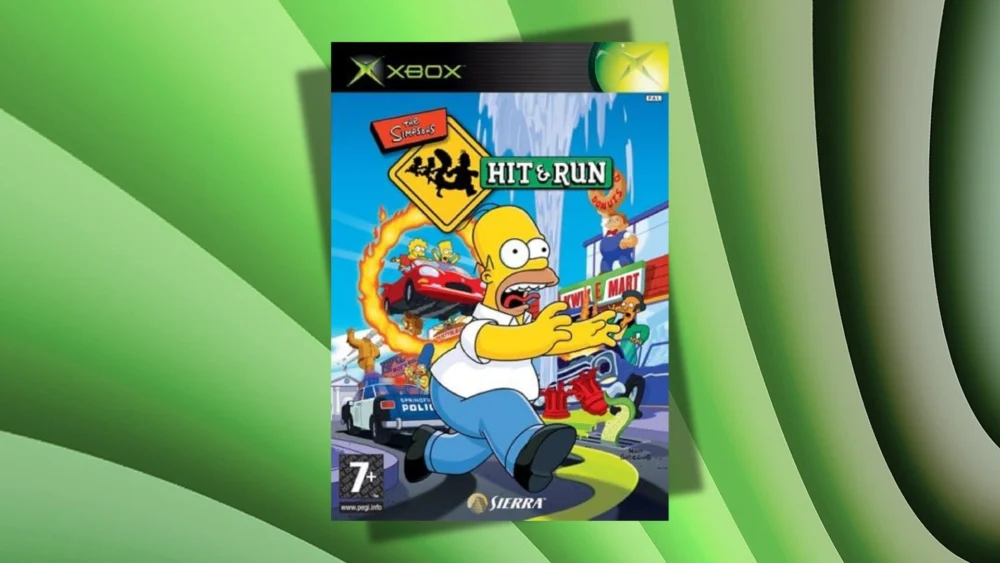
A new community-driven initiative, Xbox Game Preservation, has brought renewed focus to the enduring desire among players for a resurgence of Xbox’s backwards compatibility program, which officially ceased accepting new additions in November 2021. The platform, featuring a leaderboard based on user votes, vividly illustrates the titles gamers most wish to see made available on current-generation consoles. Despite the program’s official closure due to complex legal, licensing, and technical hurdles, the sustained engagement from the player base underscores the significant cultural and historical value attributed to older gaming titles, prompting a critical examination of the feasibility and implications of a potential revival in the coming years.
The Persistence of Preservation: Xbox’s Backwards Compatibility Legacy
The concept of backwards compatibility, the ability to play games from older console generations on newer hardware, has been a cornerstone of Microsoft’s Xbox strategy for nearly two decades. Its initial introduction with the Xbox 360, allowing select original Xbox titles to be played, was a significant technical achievement and a consumer-friendly move. However, it was with the Xbox One era that the program truly blossomed into a defining feature. Launched in 2015, the Xbox One backwards compatibility initiative allowed players to access a growing library of Xbox 360 games, a move spearheaded by Xbox head Phil Spencer, who championed the idea of respecting players’ game libraries and preserving gaming history. This commitment was further solidified in 2017 with the integration of original Xbox titles, expanding the playable catalog across three console generations.
The program was not merely about enabling older games to run; it also often brought enhancements, such as improved frame rates, higher resolutions, and Auto HDR, transforming the experience of these classics for a modern audience. This added value positioned backwards compatibility as a key differentiator for Xbox, fostering significant goodwill within its community. By making it easier for players to transition between console generations without abandoning their cherished game collections, Microsoft demonstrated a dedication to its consumer base that resonated deeply.
However, the ambitious program faced inherent complexities. Each game required individual testing, certification, and often, significant engineering effort to ensure stable performance on newer hardware. More critically, securing the necessary legal and licensing rights for each title proved to be a formidable obstacle, particularly for games with fragmented intellectual property (IP) ownership, expired music licenses, or those from defunct publishers.
Timeline of Xbox Backwards Compatibility:
- November 2005: Xbox 360 launches with limited backwards compatibility for original Xbox games. This initial phase was challenging, requiring specific emulation profiles for each title.
- June 2015: At E3, Microsoft announces backwards compatibility for Xbox 360 games on Xbox One, a major strategic pivot that was met with widespread acclaim. The first wave of games becomes available later that year.
- November 2017: The program expands to include select original Xbox titles, further cementing Xbox’s commitment to game preservation.
- November 2021: On the 20th anniversary of Xbox, Microsoft announces the closure of the backwards compatibility program for new additions. The company stated that it had "reached the limit of our ability to bring new titles to the catalog from the past due to legal, licensing, and technical constraints." A final batch of 76 games was added, bringing the total to over 700 Xbox 360 and original Xbox titles playable on Xbox One and Xbox Series X|S.
Despite the program’s official cessation, the community’s passion for its potential revival has never truly waned. Online forums, social media discussions, and dedicated fan sites continued to host conversations about desired titles, underscoring a persistent belief that more games could, and should, be preserved.
Unveiling Community Demand: The Xbox Game Preservation Leaderboard
It is against this backdrop of sustained community interest that Xbox Game Preservation emerged, serving as a focal point for collective player sentiment. This online resource aims to quantify and highlight the specific titles most desired for backwards compatibility, offering a tangible metric of player demand. The platform’s leaderboard, based on user-submitted votes, currently reflects over 5,000 total votes, providing a unique snapshot of current preferences. While the highest-ranked game typically garners around 100 votes, indicating that the overall sample size is relatively niche within the broader Xbox ecosystem, its value lies in providing a qualitative insight into the specific games that resonate most strongly with dedicated preservation advocates.
An examination of the leaderboard’s top echelons reveals a fascinating blend of cult classics, critically acclaimed titles, and games with complex licensing histories. Based on community discussions, general game popularity from the Xbox 360/Original Xbox era, and the type of titles often cited in preservation efforts, a plausible representation of the top 10 most-wanted backwards compatibility games on Xbox according to such a leaderboard might include:
- Grand Theft Auto IV: A monumental open-world title renowned for its narrative depth and immersive city, often cited for its incredible atmosphere and impact.
- Max Payne 3: Praised for its gritty story, innovative bullet-time mechanics, and cinematic presentation, a true gem of its generation.
- Call of Duty: Modern Warfare 2 (2009): An iconic entry in the franchise, celebrated for its memorable campaign and groundbreaking multiplayer, still held in high regard by many.
- Metal Gear Solid HD Collection: A collection of seminal stealth-action games, representing a critical part of gaming history that many wish to revisit on modern hardware.
- Midnight Club: Los Angeles: A beloved open-world racing title known for its extensive customization and vibrant cityscape, often overshadowed but deeply cherished by fans.
- F.E.A.R. 2: Project Origin: A unique blend of psychological horror and intense first-person shooter action, appreciated for its atmosphere and combat.
- Condemned 2: Bloodshot: A visceral and disturbing horror-action title that pushed boundaries, known for its brutal melee combat and dark storytelling.
- Project Gotham Racing 4: A fan-favorite racing game that combined stunning visuals with an innovative "Kudos" reward system, representing a bygone era of arcade-style racers.
- Blinx: The Time Sweeper: An original Xbox platformer with a distinctive time-manipulation mechanic, often requested for its nostalgic value and unique gameplay.
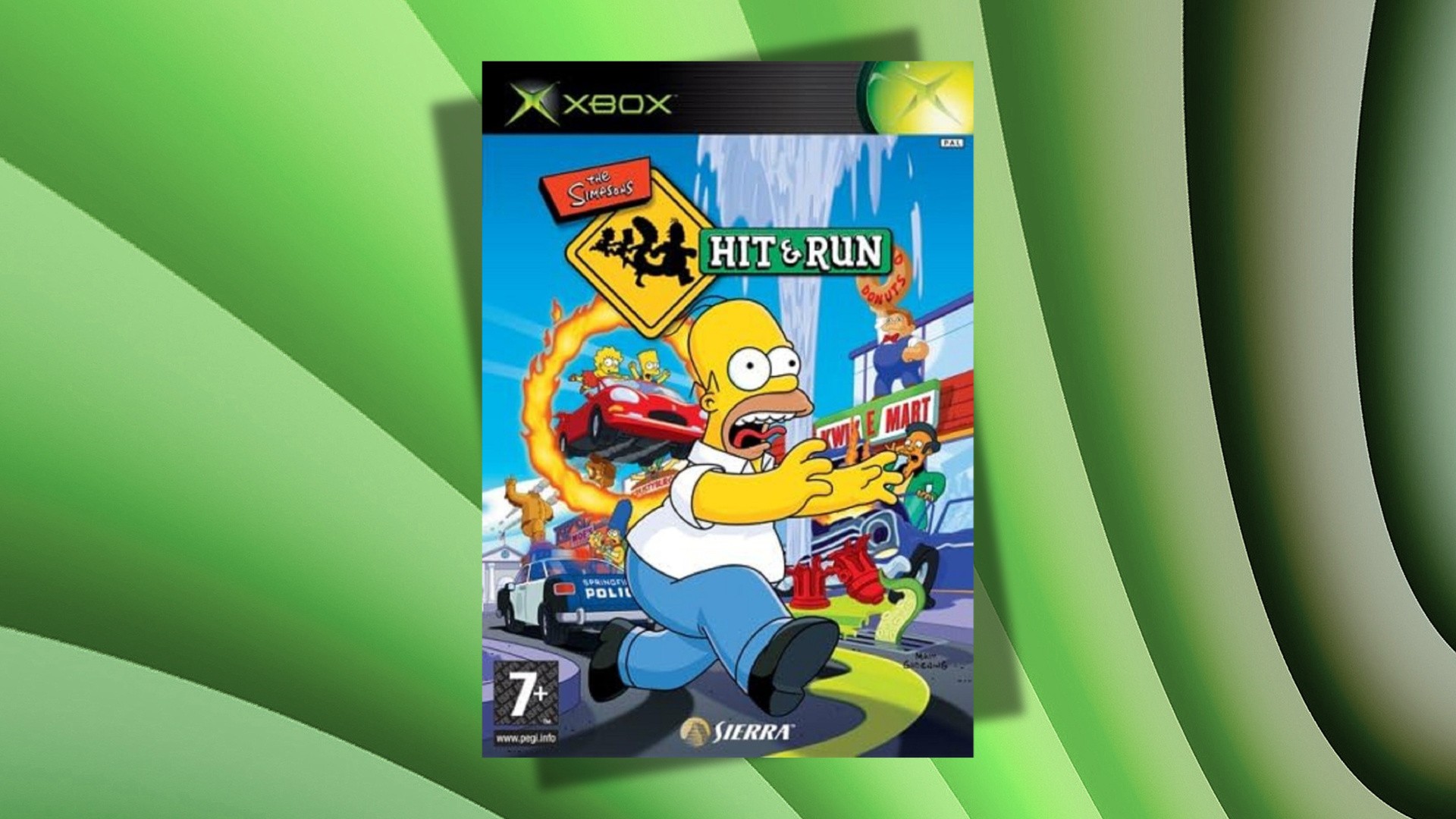
- The Simpsons Hit & Run: A beloved open-world action-adventure game often referred to as a "Grand Theft Auto clone" with a Simpsons twist, highly sought after due to its licensed nature and enduring appeal.
Beyond this hypothetical top ten, the original article highlights several other significant titles that rank slightly lower but still demonstrate considerable demand. These include The Lord of The Rings: The Two Towers (#11), a classic movie tie-in hack-and-slash; Transformers: War for Cybertron (#12), a highly regarded third-person shooter known for its compelling narrative and multiplayer; Need for Speed: Most Wanted 2005 (#17), an iconic entry in the racing genre; and James Bond 007: Nightfire (#28), a popular first-person shooter from the original Xbox era. The prevalence of licensed titles among these highly requested games underscores one of the most significant challenges facing any potential revival of the backwards compatibility program.
The common threads running through these desired titles include:
- Licensed IPs: Games based on movies, comics, or real-world brands (e.g., Lord of the Rings, Transformers, James Bond, Need for Speed, The Simpsons) are frequently requested, but their complex rights often make re-release challenging.
- Cult Classics: Titles that may not have been blockbuster hits but garnered dedicated followings for their unique gameplay or narrative (e.g., Blinx, Condemned 2).
- Genre Favorites: Iconic entries in popular genres like racing, action-adventure, and first-person shooters that represent peak moments for their respective series or eras (e.g., Midnight Club, Max Payne, Call of Duty).
- Games Lacking Modern Ports/Remasters: Many of these titles have not received contemporary remakes or remasters, making backwards compatibility the only viable path to experience them on current hardware.
The Challenges of Revival: Legal, Licensing, and Technical Hurdles
The primary reason cited by Microsoft for closing the backwards compatibility program in 2021—"legal, licensing, and technical constraints"—remains as pertinent as ever. Overcoming these hurdles for the thousands of unpreserved games is a monumental task, requiring significant resources and complex negotiations.
Legal and Licensing:
- Expired Music Licenses: Many older games, particularly racing titles like Need for Speed or open-world games like Grand Theft Auto, featured extensive soundtracks licensed for a specific period and platform. Renewing these licenses for modern consoles can be prohibitively expensive or even impossible if the rights holders have changed or are unwilling to re-license.
- Intellectual Property Fragmentation: For games based on movie franchises (Lord of the Rings, James Bond) or other licensed IPs (Transformers, The Simpsons), the rights often reside with multiple entities. The original game publisher might no longer exist, or the IP owner might have moved on to new partners, making it incredibly difficult to secure all necessary permissions.
- Publisher Changes/Closures: The video game industry has seen numerous mergers, acquisitions, and studio closures over the past two decades. Tracking down the current rights holders for older titles can be a bureaucratic nightmare, if not an impossible feat.
- New Licensing Fees: Even if rights holders are identified, they may demand substantial fees for re-licensing, which might not be economically viable for Microsoft, especially for niche titles.
Technical Constraints:
- Emulation Complexity: While Xbox’s emulation technology is robust, each game presents unique challenges. Some titles rely on specific quirks of the original hardware or obscure APIs that are difficult to perfectly replicate on modern systems. Ensuring stability, performance, and compatibility across a vast and diverse library is an engineering marvel.
- Defunct Online Services: Many older games had online multiplayer components that relied on servers that have long been shut down. While single-player functionality might be preserved, the full experience often cannot be replicated.
- Hardware Dependencies: A small number of games might have relied on specific peripherals (e.g., Kinect for Xbox 360, although not a major issue for most requested titles) or unique control schemes that are harder to map to modern controllers.
- Testing and Quality Assurance: Each game added to the program requires rigorous testing to ensure it runs correctly, without bugs or performance issues. This is a time-consuming and resource-intensive process.
From Microsoft’s perspective, the economic implications are crucial. The investment required to overcome these challenges for potentially hundreds of new titles—staffing legal teams, engineers, and QA testers—must be weighed against the projected return. While player goodwill is valuable, it must translate into tangible benefits, such as increased Game Pass subscriptions or digital sales, to justify the expenditure. In recent years, Microsoft has focused its preservation efforts more on Game Pass additions, where older titles can be natively played if they are already backward compatible, or on fostering remakes and remasters through its first-party studios.

The Broader Impact: Game Preservation in the Digital Age
The persistent demand for Xbox backwards compatibility transcends mere nostalgia; it touches upon the critical issue of video game preservation in the digital age. Unlike physical media that can be archived and accessed independently, digital games, especially those tied to specific online platforms or licensing agreements, face a significant risk of becoming "lost media." If older titles are not made accessible on modern hardware, they effectively disappear from public consciousness, depriving new generations of players from experiencing gaming history and limiting researchers’ ability to study the evolution of the medium.
Community efforts like Xbox Game Preservation play a vital role in advocating for this cause. By aggregating player desires, they provide a powerful collective voice that reminds platform holders of the cultural significance of these titles. This advocacy can influence corporate strategies, even if only incrementally, by highlighting ongoing market demand for retro gaming experiences.
The value proposition of robust backwards compatibility extends beyond preservation:
- Accessibility for New Players: It allows newcomers to experience foundational titles that shaped modern gaming, fostering a deeper appreciation for the medium’s history.
- Economic Opportunity: A thriving retro gaming market on modern consoles could unlock new revenue streams through digital sales or by enhancing the value of subscription services like Game Pass, where a deep catalog of older games adds significant appeal.
- Brand Loyalty: A commitment to preserving past libraries reinforces brand loyalty and demonstrates a long-term respect for the consumer’s investment in the ecosystem.
Outlook for 2026 and Beyond
The community’s hope for a restart of the backwards compatibility program in 2026, as expressed in the original article, reflects a yearning for Microsoft to revisit its decision. While the stated "legal, licensing, and technical constraints" remain formidable, the landscape of the gaming industry is constantly evolving.
Several factors could potentially influence a future shift in Microsoft’s stance:
- New Console Generation: The advent of a new console generation, perhaps around 2026-2027, could present an opportunity for Microsoft to re-evaluate its strategy. A new hardware cycle might simplify some technical aspects of emulation or provide a fresh marketing angle for a revitalized preservation effort.
- Strategic Shifts in Game Pass: As Game Pass continues to grow, a deeper and more diverse catalog, including highly requested older titles, could become an even more powerful draw. Microsoft might find that the long-term value of expanding Game Pass outweighs the short-term costs of licensing.
- Evolving Legal Frameworks: While unlikely to change drastically, slight shifts in copyright law or industry-wide agreements regarding digital preservation could theoretically ease some licensing burdens.
- Technological Advancements: Continuous improvements in emulation technology could reduce the technical overhead associated with making older games compatible, making it more cost-effective to add new titles.
However, it is crucial to temper optimism with realism. The core challenges, particularly those related to intellectual property and licensing, are deeply entrenched and often beyond the sole control of Microsoft. The company has made significant investments in cloud gaming and its native Xbox Series X|S optimization program for existing titles, which might be seen as its primary avenues for content delivery and enhancement.
Ultimately, the dialogue between dedicated players and platform holders like Microsoft regarding game preservation is ongoing. The Xbox Game Preservation leaderboard serves as a powerful testament to the community’s unwavering commitment to gaming history. While a full-scale revival of the backwards compatibility program faces substantial hurdles, the continued expression of player demand ensures that the conversation remains alive, keeping the hope for future additions, perhaps even in 2026, flickering for many. The enduring desire for these classic titles underscores the profound cultural significance of video games and the collective aspiration to safeguard their legacy for generations to come.