


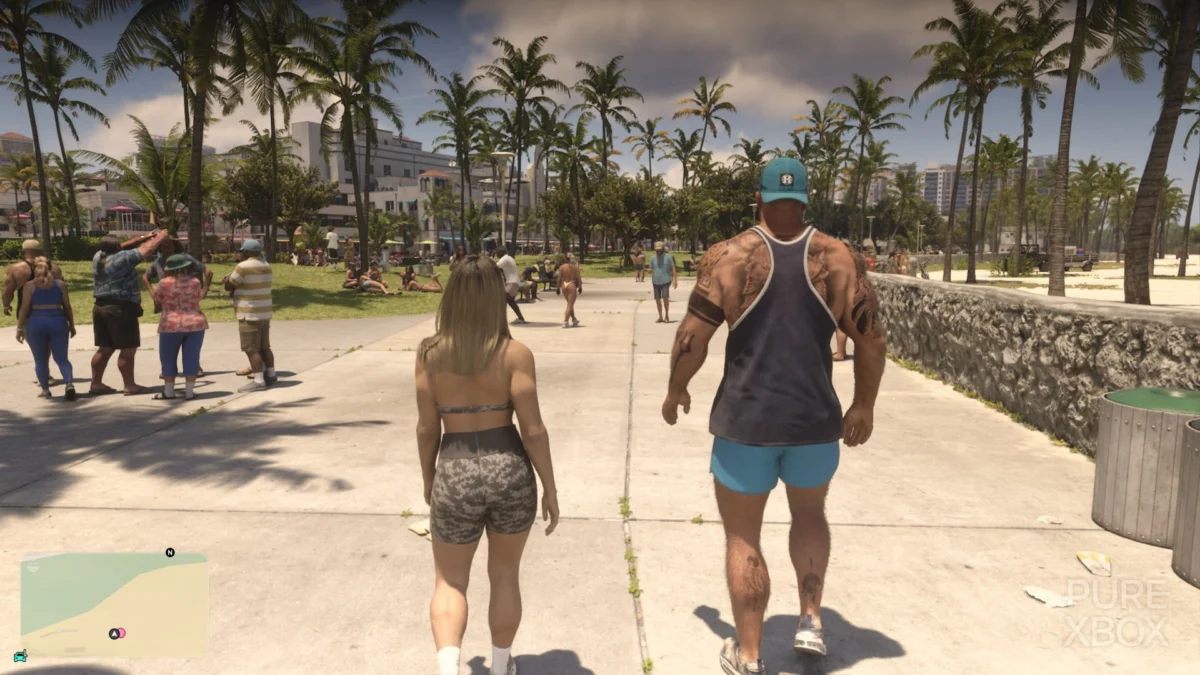
The release of Grand Theft Auto VI (GTA 6) marks a definitive milestone in the ninth generation of video game consoles, representing over a decade of development by Rockstar Games and a significant leap in open-world simulation technology. Following an extensive period of early access provided to select media outlets, the technical and mechanical depth of the title has begun to emerge, revealing a game that prioritizes granular realism and systemic complexity. On the Xbox Series X, the title leverages the console’s Velocity Architecture and high-performance hardware to deliver an experience that deviates from its predecessors in several fundamental ways. From the introduction of mandatory resource management to a sophisticated adaptive social system, the features embedded within the state of Leonida suggest a paradigm shift for the franchise.
Evolution of Vehicle Interaction and Resource Management
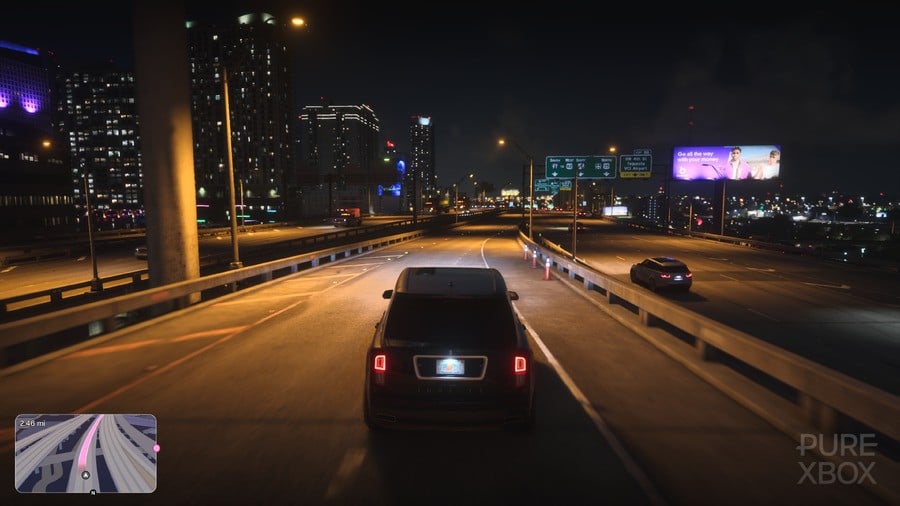
One of the most significant departures from previous iterations in the series is the introduction of a functional fuel system. While earlier Grand Theft Auto titles allowed players to drive indefinitely unless a vehicle was destroyed, GTA 6 introduces a fuel requirement that necessitates periodic visits to gas stations. This mechanic is designed to be immersive rather than obstructive, requiring players to engage in a brief refueling animation triggered by the controller’s triggers.
Beyond mere propulsion, gas stations now serve as multi-functional hubs where players can also conduct vehicle repairs. This adds a layer of strategic planning to high-speed pursuits and long-distance travel across the expansive map of Leonida. If a player’s vehicle sustains heavy damage or runs low on fuel during a critical mission, the proximity to a service station becomes a tactical priority.
The methodology for acquiring vehicles has also seen a substantial overhaul. While the traditional "grand theft" methods—hijacking occupied cars or smashing windows—remain available, the game introduces specialized tools for more clandestine operations. Players can utilize "slim-jims" for mechanical locks or progress to high-tech "key cloners" to bypass modern security systems. However, the introduction of vehicle trackers adds a new risk-reward calculation; if a stolen vehicle is driven too slowly or remains in a specific area for too long, the tracker may alert law enforcement, initiating a localized search.
Sophisticated Law Enforcement and Evasion Tactics
The "Wanted" system, a staple of the franchise since its inception, has been refined to demand greater player agency and creativity. Escaping the line of sight of the police is no longer the sole requirement for losing a wanted level. The game’s AI now tracks specific identifiers, such as the vehicle make and the protagonist’s attire.
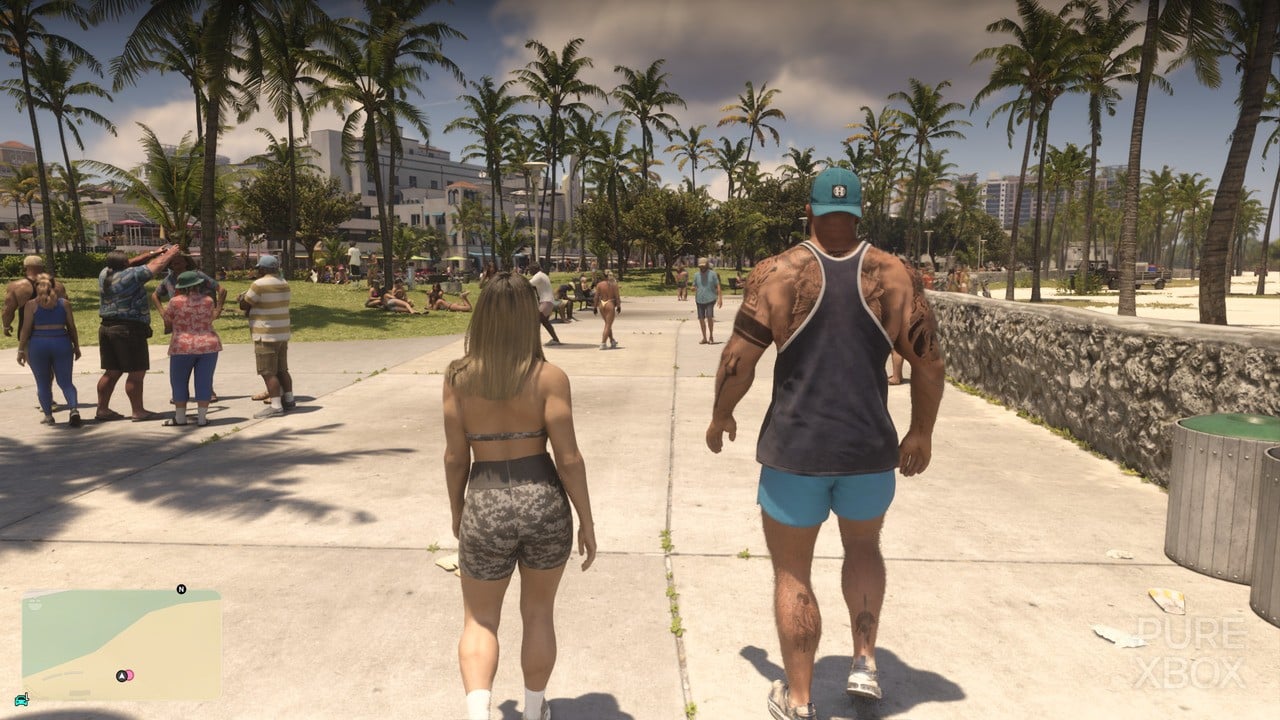
To effectively reset their "Wanted" status, players must utilize "Pay ‘n’ Spray" outlets or perform more manual alterations. A notable addition to the gameplay loop is the ability to store multiple outfits in a vehicle’s trunk. Swapping clothing, or even minor changes like donning sunglasses and a hat, can significantly decrease the likelihood of being recognized by patrolling officers. This system mirrors the high-stakes tension found in titles like Red Dead Redemption 2, where player identity and notoriety were central to the experience.
The Adaptive Criminal Profile System
GTA 6 introduces a "Criminal Profile" system that monitors and adapts to player behavior over the course of the campaign. This system categorizes actions based on the level of violence and precision used during missions. For instance, a player who completes objectives by lethally neutralizing all hostiles will develop a different profile than one who chooses to incapacitate or leave enemies injured.
According to developer documentation, this profile is not merely a cosmetic statistic; it influences how the world, the story, and the dual protagonists, Jason and Lucia, interact. A "Professional" profile may unlock different dialogue options or alter the reactions of non-player characters (NPCs) in the world of Leonida. This behavioral tracking suggests a move toward a more reactive narrative structure, where the "how" of a mission’s completion is as important as the "what."
Multimedia Integration and Dynamic Audio
Rockstar Games has historically been lauded for its curation of licensed music, but GTA 6 evolves this through dynamic integration. During campaign missions, the game utilizes a highly-curated soundtrack that adjusts in real-time to the action on screen. High-intensity shootouts and getaways are accompanied by "pumping" rhythmic tracks, while stealth or tension-filled segments feature atmospheric scores, some of which include lyrical components that reflect the narrative tone.
The iconic radio stations also exhibit a new level of environmental and temporal awareness. Observations suggest that radio programming may evolve based on the player’s geographical location within Leonida or their progression through the main storyline. For example, the "Flash FM" station appears to expand its library—featuring artists such as Coldplay and The Ting Tings—as the player spends more time in the urban sprawl of Vice City. This creates a sense of a living media landscape that grows alongside the player’s journey.
In-Game Entertainment and Social Simulation
The density of Leonida is further enhanced by a suite of side activities and meta-commentary. The game features multiple 18-hole minigolf courses, which are fully realized with unique themes and detailed physics. This sits alongside traditional golf, pool, and a variety of arcade-style experiences.
Notably, Rockstar has developed several original video games that are playable within the GTA 6 world. These include parodies of modern indie hits and survivors-style shooters, accessible via in-game televisions or arcade cabinets found in commercial districts. These "games within a game" serve as a testament to the level of detail invested in the world-building process.
The digital life of the protagonists is managed through "Snapmatic," an in-game social media platform. Unlike previous versions, the GTA 6 iteration of Snapmatic is a constant stream of content, including photos, videos, and comments from the citizens of Leonida that react to world events. A dedicated "News" app also provides live updates on the consequences of the player’s actions, grounding the chaotic gameplay in a persistent social reality.
Technical Performance on Xbox Series X
From a technical standpoint, the Xbox Series X version of GTA 6 addresses one of the most long-standing criticisms of the franchise: loading times. Historically, titles like Grand Theft Auto V were notorious for lengthy initial load sequences, often exceeding several minutes on older hardware.
On the Series X, the transition from the dashboard to the active game world is described as "fantastic" and "barely noticeable." This efficiency is attributed to the console’s custom NVMe SSD and the optimization of the RAGE (Rockstar Advanced Game Engine). Even without the presence of a dedicated online component at launch, the speed at which the single-player environment initializes represents a significant quality-of-life improvement for the series.
Chronology of Development and Industry Context
The path to GTA 6 has been one of the most scrutinized in entertainment history.
- September 2013: Grand Theft Auto V launches on Xbox 360 and PlayStation 3.
- October 2018: Red Dead Redemption 2 is released, showcasing the evolution of Rockstar’s NPC interaction and environmental physics.
- February 2022: Rockstar Games officially confirms that development for the next entry in the series is "well underway."
- December 2023: The first official trailer for GTA 6 is released, breaking viewership records and confirming the Leonida setting.
- Late 2024/2025: Early access and full release windows are established, focusing on current-gen console hardware.
The shift toward realism—specifically the fuel mechanics and the profile system—indicates that Rockstar is leaning into the "immersive sim" elements that defined Red Dead Redemption 2, while maintaining the satirical, fast-paced identity of the Grand Theft Auto brand.

Broader Impact and Implications
The depth of features in GTA 6 suggests that the industry is moving toward a "total simulation" model for open-world games. By incorporating mundane tasks like refueling or changing clothes into the core gameplay loop, Rockstar is challenging the traditional "power fantasy" of the genre with a more grounded, high-stakes experience.
For Microsoft, the performance of the title on the Xbox Series X is a crucial validation of the console’s hardware capabilities. As the first Grand Theft Auto title built exclusively for the current generation of consoles, it serves as a benchmark for what can be achieved when legacy hardware constraints are removed. The rapid loading times and the density of the social and media simulations within the game set a new standard for the industry, likely influencing open-world design for the next decade.
As players continue to explore the hundreds of smaller features hidden within Leonida, the consensus among early reviewers is that GTA 6 is not merely a sequel, but a comprehensive evolution of the medium. The focus on detail—from the lyrics in a mission’s soundtrack to the evolving playlist on the radio—ensures that the game world remains engaging long after the primary campaign has concluded. For the Xbox community, the title represents the pinnacle of current-gen performance, offering a glimpse into the future of interactive entertainment.