


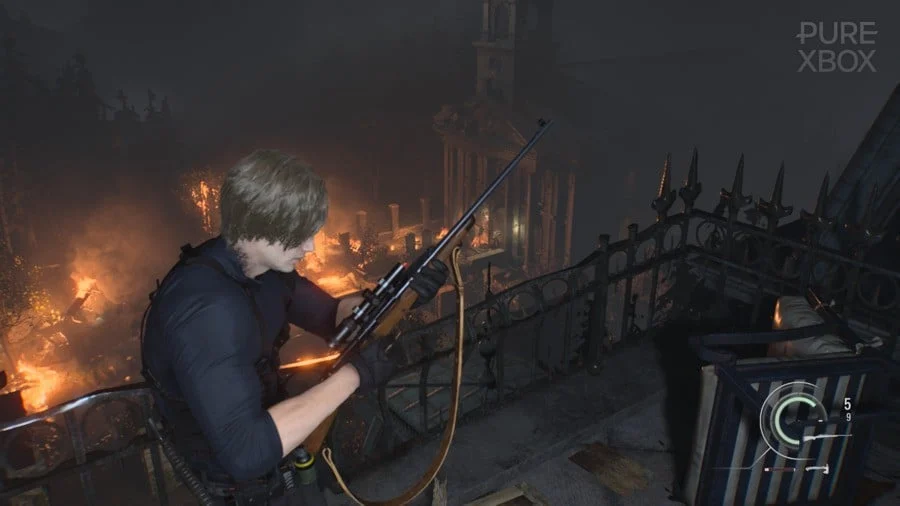
The final weekend of February 2026 marks a significant juncture for the interactive entertainment industry, characterized by the release of high-profile sequels and a robust expansion of the handheld gaming market. At the forefront of this period is Resident Evil Requiem, the ninth mainline installment in Capcom’s long-running survival horror franchise. As players transition from the winter season, the title has emerged as a focal point for the Xbox community, representing the culmination of a decade-long refinement of the "RE Engine" and Capcom’s modern design philosophy. Beyond the immediate impact of major AAA releases, the current landscape is further defined by the proliferation of specialized hardware, such as the Nintendo Switch 2 and the ROG Ally X, alongside a massive influx of independent titles showcased through digital events like Steam Next Fest.
The Strategic Impact of Resident Evil Requiem on the Survival Horror Genre
Resident Evil Requiem arrives at a time when Capcom has successfully revitalized its premier intellectual property through a dual strategy of high-fidelity remakes and innovative mainline entries. Following the critical success of Resident Evil Village and the Resident Evil 4 remake, Requiem is being positioned as a definitive synthesis of these two approaches. Industry analysts note that the title integrates the atmospheric tension of the series’ first-person era with the kinetic, third-person mechanical depth that defined the franchise’s mid-2000s peak.
The game’s reception among critics and early adopters highlights a shift toward "evergreen" content design. By incorporating intricate replayability mechanics and expansive post-launch support structures, Capcom aims to maintain high player engagement levels for years rather than months. For Xbox Series X users, the title serves as a technical showcase, utilizing advanced ray-tracing techniques and high-bandwidth asset streaming to eliminate traditional loading barriers, thereby deepening the immersive qualities essential to the horror genre.
A Chronology of the Resident Evil Renaissance (2017–2026)
To understand the significance of Resident Evil Requiem, it is necessary to examine the timeline of Capcom’s strategic pivot which began nearly a decade ago. This trajectory has been marked by consistent technical evolution and a commitment to narrative continuity.
- January 2017: The release of Resident Evil 7: Biohazard introduces the RE Engine and a first-person perspective, successfully pivoting the series back to its survival horror roots.
- January 2019: The Resident Evil 2 remake sets a new standard for reimagining legacy titles, achieving record-breaking sales and critical acclaim.
- May 2021: Resident Evil Village expands the scope of the first-person narrative, blending gothic horror with action elements.
- March 2023: The Resident Evil 4 remake further refines the third-person combat mechanics, proving that classic gameplay loops can be modernized for contemporary hardware.
- February 2026: Resident Evil Requiem is released, serving as the ninth mainline chapter and a bridge between the various gameplay styles explored in previous iterations.
This chronological progression demonstrates a disciplined release schedule that has allowed Capcom to dominate the survival horror market share while simultaneously building a technical infrastructure that scales across multiple console generations.
The Proliferation of Handheld Gaming and the "Switch 2" Factor
The current gaming weekend also highlights the increasing fragmentation and diversification of hardware platforms. The presence of the Nintendo Switch 2 in the hands of consumers marks a new era for portable fidelity. While the original Switch relied on innovative design to overcome hardware limitations, its successor offers a more robust technical profile that allows for smoother ports of arcade-style titles like Cruis’n Blast.
Simultaneously, the PC-handheld market—led by devices such as the ROG Ally X—has created a bridge between the Xbox ecosystem and the portable experience. This "ROG Xbox" synergy allows players to access their Game Pass libraries and Steam inventories on the go, a trend that has significantly impacted player habits in 2026. The ability to run high-fidelity legacy titles and modern indie demos on a handheld device has transformed the traditional "weekend gaming" routine into a multi-platform endeavor.
Steam Next Fest and the Scale of Independent Development
One of the most statistically significant events of the current period is the Steam Next Fest, which features an unprecedented volume of content. With over 3,000 playable demos available, the event underscores the sheer scale of the global indie development scene. This saturation presents both an opportunity and a challenge for the industry.
For consumers, the event offers a risk-free look at the 2026-2027 release slate, including several titles confirmed for Xbox Game Pass. For developers, the challenge lies in discovery; in a marketplace where thousands of demos compete for attention simultaneously, the "demo-to-wishlist" conversion rate has become a critical metric for project viability. Analysts suggest that the volume of content seen in this year’s Next Fest indicates a maturing of development tools, such as Unreal Engine 5 and Unity’s latest iterations, which have lowered the barrier to entry for small-scale studios to produce high-quality vertical slices.
Bungie’s Marathon and the Evolution of Service-Based Gaming
The inclusion of Bungie’s Marathon in the Xbox Free Play Days program this weekend provides a glimpse into the competitive landscape of extraction shooters. As Bungie moves away from the traditional model of Destiny 2, Marathon represents a bold reimagining of a legacy IP for a modern audience.
The strategy of offering limited-time free access is a calculated move to stress-test server infrastructure and gather telemetry data on player retention. In an era where "Live Service" fatigue is a documented phenomenon, Bungie is attempting to differentiate Marathon through a distinct visual aesthetic and a high-stakes gameplay loop. The success of this title is crucial for Bungie’s standing within the PlayStation Studios portfolio and its continued relevance on the Xbox platform.

The Enduring Appeal of Backwards Compatibility and Legacy Software
Despite the influx of new technology, a significant portion of the Xbox user base continues to engage with legacy software. The continued popularity of titles like SSX 3 (originally released in 2003) and Fable: Anniversary Edition is a testament to the success of Microsoft’s backwards compatibility program.
Data suggests that the "Auto HDR" and "FPS Boost" features implemented by the Xbox engineering team have extended the lifecycle of classic games by decades. By ensuring that software purchased twenty years ago remains playable and enhanced on modern hardware, Microsoft has cultivated a unique brand loyalty. This focus on preservation serves as a stabilizing force in an industry often criticized for its "disposable" approach to older content.
Broader Industry Implications and Future Outlook
The activities of this weekend reflect several broader trends currently shaping the global games market. First, the dominance of Capcom suggests that high-quality, single-player experiences remain a primary driver of console sales. While multiplayer and live-service titles generate significant revenue, the "prestige" single-player game remains the cornerstone of brand identity.
Second, the rise of powerful handhelds is decentralizing the living room. The expectation of "parity of experience" between a 65-inch television and a 7-inch handheld screen is driving hardware manufacturers to prioritize efficiency and optimization.
Finally, the sheer volume of software—from the 3,000 demos of Next Fest to the deep catalogs of backwards compatibility—indicates that the industry has moved from a period of scarcity to a period of extreme abundance. In this environment, the role of the platform holder is no longer just to provide hardware, but to provide the curation and discovery tools necessary for players to navigate a massive sea of content.
As the industry moves into the second quarter of 2026, the success of Resident Evil Requiem and the continued expansion of the handheld market will likely serve as the primary benchmarks for the year’s performance. The transition from the "longest winter" to the spring release window appears to be energized by a healthy mix of innovative new technology and a deep respect for the medium’s historical foundations.