


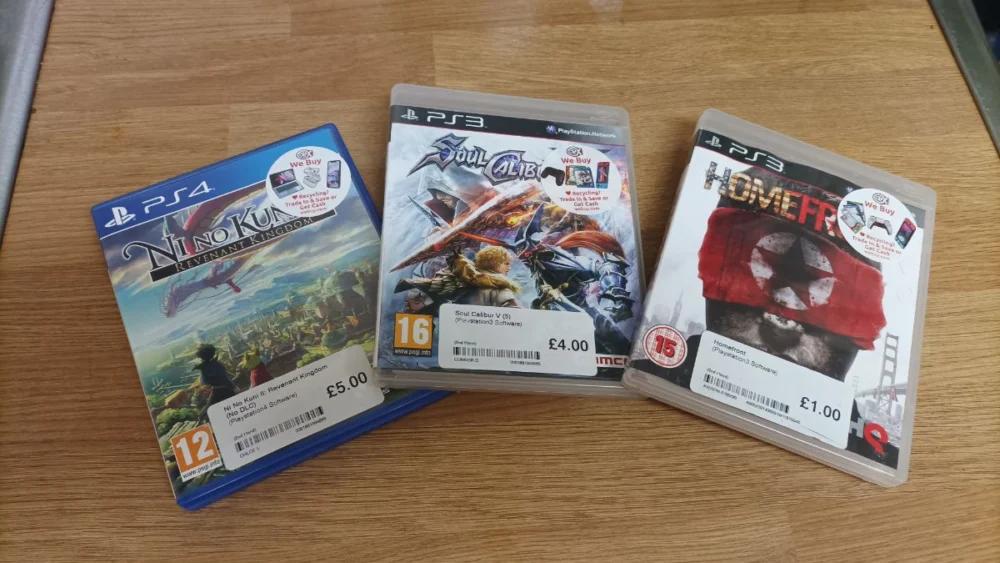
The weekend rush at a Milton Keynes CeX store paints a vibrant picture of a thriving second-hand market for video games and electronics, a stark contrast to the often quiet aisles of GameStop stores across North America. As customers eagerly sift through shelves laden with consoles from the PlayStation 2 era to the latest PlayStation 5, and a broad spectrum of games, the bustling atmosphere highlights a cultural phenomenon that GameStop appears to be attempting to replicate with its nascent "GameStop Retro" initiative. This strategic pivot, announced in late August, aims to tap into the enduring appeal of vintage gaming and pre-owned media, a market that has seen significant growth and cultivated a dedicated community, particularly in the United Kingdom, where CeX stands as a dominant force.
The contrast in customer experience is palpable. While CeX in the UK is a ubiquitous presence, its stores consistently draw crowds, offering not only retro and current-generation video games but also a wide array of used movies, music, and technology, from mobile phones to Bluetooth headsets. This integrated approach has fostered a robust ecosystem of trade-ins and purchases. Conversely, observations of GameStop stores in North America, particularly in the author’s personal experience, suggest a different reality: aisles often populated more by Funko Pop collectibles than by eager gamers, with a noticeable lack of foot traffic for much of the day. This disparity has led to speculation about the efficacy of GameStop’s new direction, especially given the company’s recent business challenges, including the controversial closure of Game Informer magazine and the subsequent layoffs of its staff.
The CeX Model: A Blueprint for Resale Culture
CeX, which stands for "Complete Entertainment eXchange," has, over the past three decades, meticulously cultivated a culture deeply intertwined with the buy-and-sell market for pre-owned goods. Its strategy is multifaceted. Firstly, the company has established a widespread physical presence, making it easily accessible across the UK. Secondly, it offers competitive trade-in values, incentivizing customers to bring in their old games, consoles, and electronics. This constant influx of pre-owned stock ensures a diverse and ever-changing inventory, a key draw for bargain hunters and collectors alike.
The brand has also successfully fostered a community, both online and offline. Dedicated YouTube channels, such as Retro Ghetto and TVM, regularly feature vlogs documenting exciting "CeX hauls" and treasure hunts, showcasing the thrill of discovering rare or affordable titles. This online engagement translates into tangible excitement when visiting a physical store, creating a sense of anticipation and discovery. While the company’s name itself might elicit some amusement, its operational success and the loyalty it commands from its customer base are undeniable. The convenience of its website, which provides real-time stock information for individual stores and transparent trade-in valuations, further enhances the customer experience, removing much of the guesswork often associated with selling pre-owned items.
GameStop’s Strategic Shift: Responding to Market Dynamics
The announcement on August 28th that GameStop would begin transitioning a portion of its retail locations to a retro-focused model marks a significant departure from its traditional business model. This move comes at a critical juncture for the company, which has faced declining revenues and significant strategic challenges. The "GameStop Retro" concept, as reported by sources such as the YouTube channel Spawn Wave, appears to have been implemented with limited preparation time for store employees, suggesting a rapid response to market pressures rather than a meticulously planned, long-term strategy.
The broader implications of this shift are being closely watched. While some in the online gaming community have met the news with skepticism, the potential for GameStop to carve out a niche in the retro gaming market, mirroring CeX’s success, cannot be entirely dismissed. The key to this potential revival lies in GameStop’s ability to cultivate a dedicated audience and community, much like its UK counterpart has managed to do. The company’s stock price has seen periods of extreme volatility, influenced heavily by online retail investor communities, further complicating the narrative around its operational strategies. However, the core business of selling games, both new and used, remains central to its identity.
The North American Challenge: A Fragmented Retro Market
In contrast to the consolidated and accessible nature of the UK’s pre-owned market, the landscape for retro gaming in North America is considerably more fragmented and often more expensive. While independent game stores do exist in some urban centers, they are not as widespread as CeX stores in the UK. This leaves many North American consumers reliant on online marketplaces like eBay and Amazon, where prices can be inflated, and shipping costs can further add to the expense. Thrift stores can occasionally yield hidden gems, but such finds are often a matter of luck rather than a consistent sourcing strategy.
The author’s personal experience living in Canada underscores this difficulty. The prohibitive cost of acquiring retro games from resellers often deterred the building of a personal collection. A successful "GameStop Retro" initiative could, in theory, alleviate these frustrations by offering a more accessible and affordable entry point into retro gaming, potentially democratizing access to a beloved hobby.
Early Indicators and Future Prospects
Initial observations from Spawn Wave suggest that the pricing at GameStop Retro locations may indeed be competitive, with prices described as "not terrible" and preferable to the inflated costs often seen on eBay or at gaming conventions. This is a crucial factor for the success of any retro-focused retail venture. If GameStop can establish itself as a reliable source for retro games at reasonable prices, it could begin to attract a dedicated customer base.
Furthermore, the operational transparency that CeX offers through its website—providing real-time stock levels and clear trade-in values—is a significant advantage. GameStop’s current approach, which often involves an element of surprise regarding available stock and trade-in offers, could be a hindrance. Implementing a similar level of transparency could foster greater customer trust and engagement.
The long-term viability of GameStop’s retro strategy will hinge on several factors. Firstly, the ability to consistently source quality pre-owned inventory at favorable trade-in rates is paramount. Secondly, fostering a genuine community around the brand, through in-store events, online forums, and engaging content, will be essential to differentiate itself from online competitors. Finally, the company’s public perception, particularly in light of its recent labor disputes and media controversies, will undoubtedly play a role in consumer willingness to support its initiatives. The example of CeX demonstrates that with a strong focus on customer value, community building, and operational efficiency, a second-hand market for entertainment can not only survive but thrive, offering a potential roadmap for GameStop’s ambitious retro gamble. The journey ahead for GameStop Retro is uncertain, but the potential rewards of tapping into a passionate and underserved market are significant.