


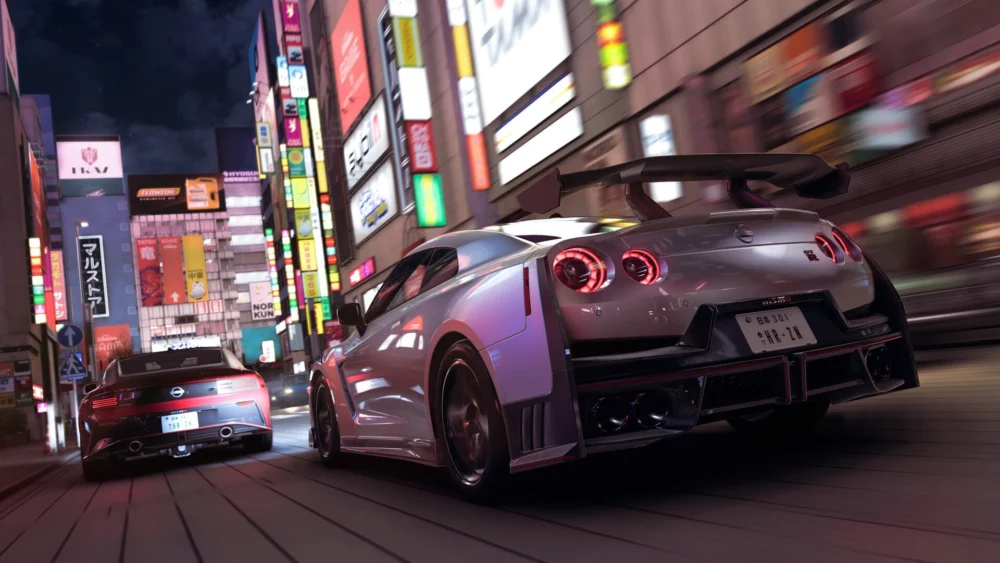
Recent gameplay footage from Forza Horizon 6, showcased as part of IGN’s exclusive ‘IGN First’ coverage for March 2026, depicted a visually stunning rendition of open-world Japan but immediately drew significant community feedback regarding its apparent lack of vehicular traffic. This initial perception of an "empty" game world led to widespread discussion among fans and industry observers. However, IGN’s Ryan McCaffrey has since clarified that the diminished traffic density was a deliberate decision for the demonstration, assuring the public that the final game will feature a more populated environment consistent with the series’ established standards.
The footage, nearly ten minutes in length and initially presented as "uncut gameplay," was intended to offer an early glimpse into Playground Games’ highly anticipated racing title. While it successfully highlighted the meticulous environmental design and architectural nuances of the Japanese setting, many viewers expressed concern that the roads appeared unusually sparse, raising questions about the game’s open-world vibrancy. This reaction underscored the high expectations placed upon the Forza Horizon franchise, renowned for its dynamic and bustling open-world environments.
Chronology of the Revelation
The timeline of events unfolded rapidly, typical of the modern gaming news cycle. In early March 2026, IGN, a prominent video game media outlet, began its monthly ‘IGN First’ series dedicated to Forza Horizon 6. This program grants IGN exclusive access to upcoming titles, allowing them to publish a series of in-depth articles, interviews, and gameplay videos throughout the month. The release of the extended gameplay footage was a highly anticipated event, offering the first substantial look at the game’s mechanics and world design since its official announcement.
Following the footage’s publication, social media platforms and gaming forums quickly became alight with discussions. A prevailing sentiment was one of surprise, and in some cases, disappointment, regarding the seemingly deserted roadways. Comments ranged from "Is this a ghost town?" to "Where are all the cars?" indicating a clear disconnect between viewer expectations and the presented content. This feedback loop, immediate and widespread, necessitated a prompt response from the parties involved.
Ryan McCaffrey, an executive editor at IGN and a familiar face in the gaming community, took to social media to address the burgeoning concerns. In a concise statement, he explained that "the traffic was intentionally tuned down here in order to focus more on the environment/world of Japan." He further reassured the community by stating unequivocally that "the full game will have more cars driving around" upon its release in May 2026. This clarification served to temper the initial apprehension and provided much-needed context to the showcased gameplay.
The Rationale Behind Intentional Traffic Reduction
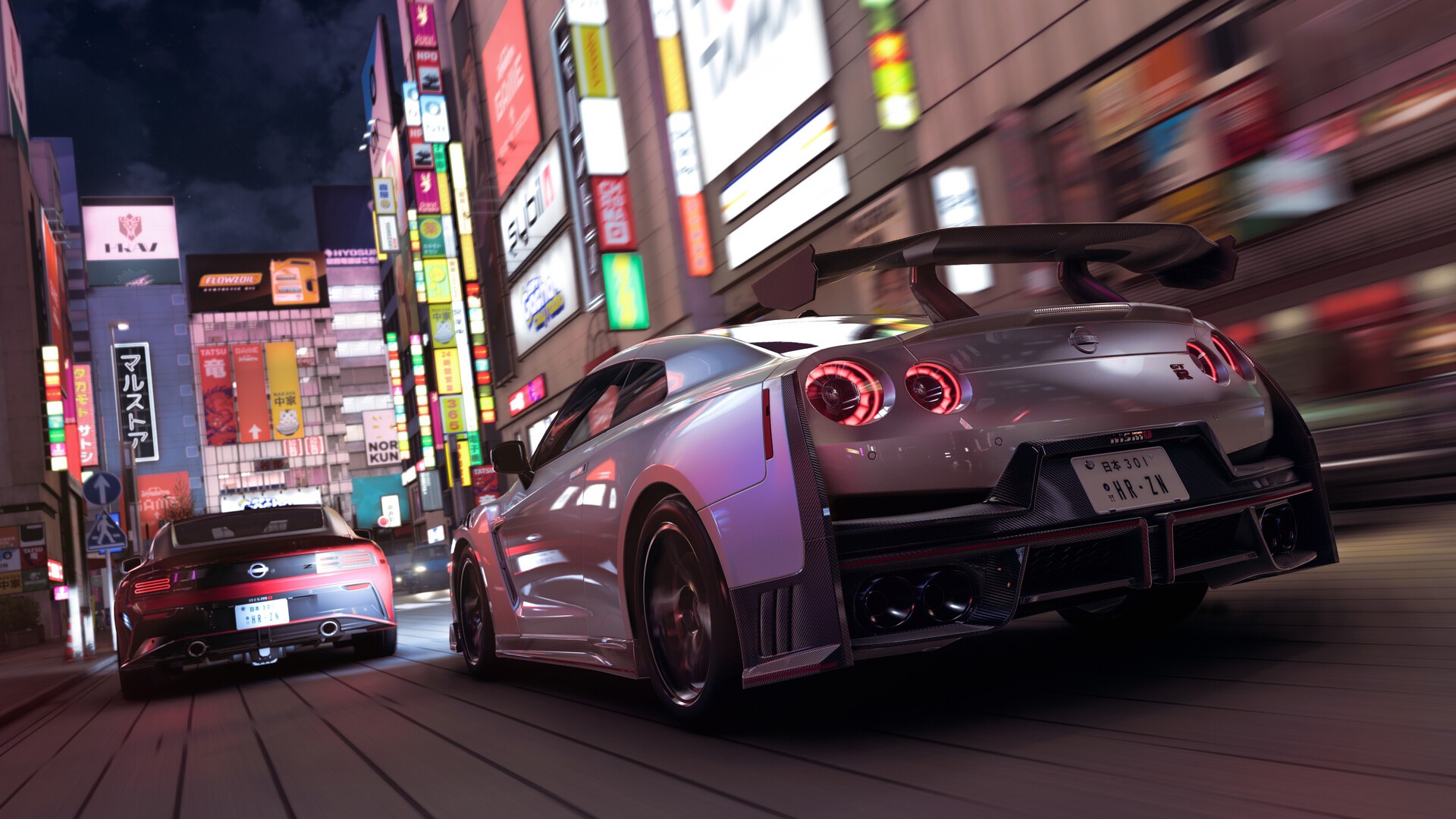
The practice of "tuning down" specific elements for demonstration purposes is not uncommon in game development and marketing. There are several strategic and technical reasons why a developer like Playground Games, in collaboration with a media partner like IGN, might choose to present gameplay in this manner.
Firstly, the primary objective of this particular ‘IGN First’ segment was likely to emphasize the game’s stunning recreation of Japan. By reducing the number of AI-controlled vehicles, the developers could ensure that viewers’ attention was drawn to the intricate details of the environmental assets, the varied landscapes, the architectural fidelity, and the overall atmospheric presentation of the new setting. In a game celebrated for its visual fidelity, showcasing the world without the distraction of heavy traffic allows for a clearer appreciation of the art direction and technical achievements.
Secondly, demonstration builds are often optimized for specific performance targets or to highlight particular features. A build intended for an early media showcase might prioritize stable frame rates and high visual quality in a controlled environment, rather than mirroring the full, dynamic complexity of the final game. Rendering a high volume of AI traffic, each car with its own physics and visual models, can be computationally intensive. Reducing this load for a curated demonstration ensures a smoother, more polished presentation, even if it doesn’t fully represent the final gameplay experience. This is especially pertinent for open-world titles, where the scale and detail are immense.
Thirdly, from a marketing perspective, early gameplay reveals are carefully curated. Developers often hold back certain elements or mechanics to maintain excitement closer to launch or to avoid revealing too much too soon. While traffic density might seem like a minor detail, it contributes to the overall ‘busyness’ of the world. By showcasing a less dense environment initially, it leaves room for the "full game experience" to impress even further with its expanded scope and population.
Developer Pedigree and Player Expectations
Playground Games has an exemplary track record with the Forza Horizon series, consistently delivering critically acclaimed titles that push the boundaries of open-world racing. Forza Horizon 4, set in a fictionalized Great Britain, and Forza Horizon 5, set in a vibrant Mexico, are celebrated for their expansive maps, diverse biomes, dynamic weather systems, and, crucially, their living, breathing worlds populated by AI traffic and other players. The expectation for Forza Horizon 6 to continue this trend, especially with the highly anticipated Japan setting, was exceptionally high.
This strong pedigree meant that any deviation from the established norm, such as the perceived lack of traffic, would inevitably raise questions. Players have come to expect a certain level of immersion and environmental density from a Forza Horizon title. The series’ appeal lies not just in its thrilling racing but also in the joy of exploring its beautifully crafted worlds, often encountering other drivers and experiencing a sense of shared adventure. The initial footage, therefore, presented a visual paradox: stunning beauty juxtaposed with an unexpected emptiness.
The incident highlights a common challenge in game journalism and marketing: balancing the need to showcase a game early with the potential for misinterpretation if context is not explicitly provided. While IGN labelled the footage as "extended gameplay," the absence of a clear disclaimer within the video itself or its initial accompanying text regarding the traffic density led to the aforementioned confusion. This underscores the critical role of transparent communication in managing community expectations, particularly for highly anticipated titles.

Broader Implications and Industry Context
The episode surrounding Forza Horizon 6‘s traffic density offers valuable insights into the contemporary gaming landscape. In an era dominated by social media and instant feedback, the speed at which information (and misinformation or misinterpretation) can spread is unprecedented. Gaming communities are highly engaged and vocal, and their collective reaction can significantly influence pre-release narratives.
For developers and publishers, this means an increased need for proactive and transparent communication. While the instinct to present the most visually appealing version of a game is understandable, it must be balanced with clear messaging about what viewers are seeing and what might change in the final product. Disclaimers, developer commentary, or even an explicit note within the video itself can preemptively address potential misunderstandings.
For media outlets like IGN, the incident reinforces the responsibility of contextualizing exclusive content. While ‘IGN First’ is a valuable program for offering early looks, the presentation of such content requires careful consideration to avoid inadvertently misleading audiences. The prompt clarification by Ryan McCaffrey was a necessary step in rectifying the situation, demonstrating the importance of responsive engagement with the community.
Looking ahead, the clarification should restore confidence among fans that Forza Horizon 6 will indeed deliver the vibrant, bustling open-world experience they have come to expect. Playground Games’ commitment to detail and immersive environments suggests that the final release will feature a dynamic traffic system that enhances, rather than detracts from, the exploration and racing experience. The Japan setting itself promises a rich tapestry of urban landscapes, scenic routes, and diverse cultural elements, all of which would be significantly enriched by a realistic level of vehicular and pedestrian activity.
The game’s impending release in May 2026 is still several months away, providing ample time for Playground Games to finalize and polish all aspects of the game, including the density and behavior of AI traffic. Fans can now look forward to subsequent ‘IGN First’ reveals or official communications that might showcase the game with its full traffic complement, offering a more complete representation of what players will encounter when they get behind the wheel in the digital rendition of Japan. The incident serves as a minor but significant reminder of the delicate balance between pre-release hype, marketing strategies, and the ever-present scrutiny of an engaged gaming community.