


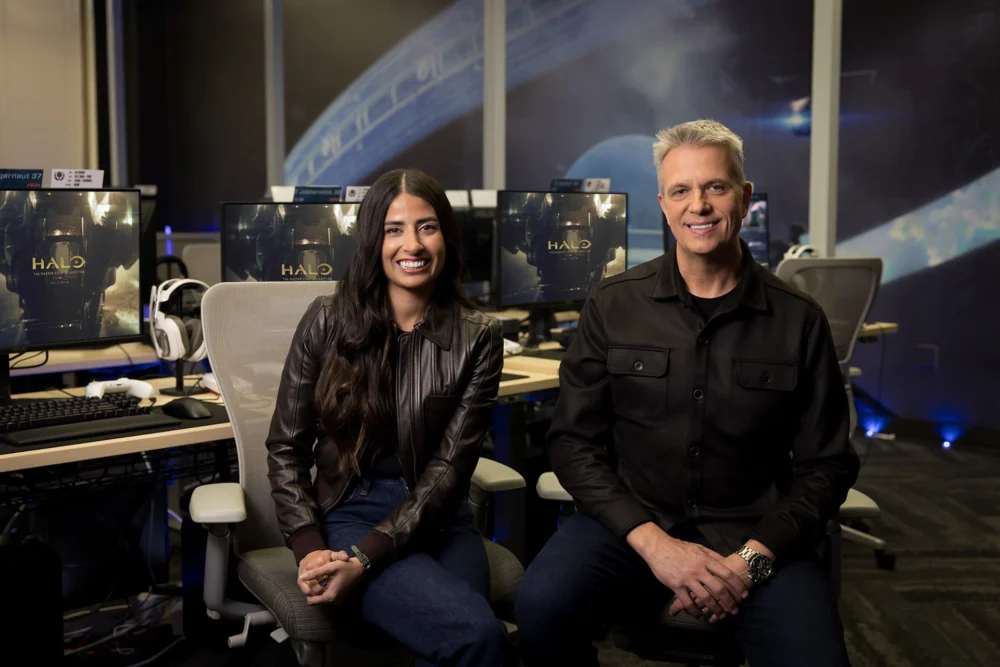
The Microsoft gaming ecosystem has entered a period of unprecedented transition following the retirement of Phil Spencer and the subsequent appointment of Asha Sharma as the new lead executive of the Xbox brand. This leadership change, announced in February 2026, marks the end of a twelve-year tenure for Spencer, who is widely credited with rehabilitating the brand after the tumultuous launch of the Xbox One and overseeing the massive acquisitions of ZeniMax Media and Activision Blizzard. As Sharma assumes control, the industry is closely monitoring her strategic vision, which appears to prioritize data-driven analysis, artificial intelligence integration, and a flexible approach to platform exclusivity.
The Legacy of Phil Spencer and the Shift to Services
Phil Spencer’s departure represents a significant milestone in the history of Microsoft’s gaming division. When Spencer took the helm in March 2014, the Xbox brand was struggling with a lack of consumer trust and a hardware-centric model that lagged behind its primary competitors. Over the following decade, Spencer pivoted the organization toward a service-oriented strategy, headlined by the launch and expansion of Xbox Game Pass. This "Netflix for Games" model fundamentally changed the economics of the industry, prioritizing monthly recurring revenue over individual software sales.
Under Spencer’s leadership, Microsoft Gaming expanded its first-party portfolio from a handful of studios to over 30 internal teams. The acquisition of Bethesda Softworks’ parent company, ZeniMax Media, for $7.5 billion in 2021, followed by the landmark $68.7 billion acquisition of Activision Blizzard in 2023, positioned Microsoft as one of the largest third-party publishers in the world. However, despite these acquisitions, the latter years of Spencer’s tenure were marked by challenges, including stagnating hardware sales and internal debates regarding the viability of permanent console exclusivity.
Asha Sharma: A New Profile for a Data-Driven Era
The appointment of Asha Sharma signals a departure from the "gamer-centric" leadership style popularized by Spencer. Sharma, who previously served as the Chief Operating Officer at Instacart and held senior leadership roles at Meta (formerly Facebook), brings a background rooted in scaling platforms, product operations, and advanced technology integration. Her career has been defined by the optimization of complex marketplaces and the utilization of artificial intelligence to drive user engagement and operational efficiency.
Initial reactions to Sharma’s appointment within the gaming community have been mixed. Critics point to her non-gaming background as a potential disconnect from the core Xbox audience. Conversely, industry analysts suggest that a leader with her specific skillset is exactly what Microsoft requires as it navigates the transition from a hardware-focused brand to a global gaming platform accessible on TVs, mobile devices, and cloud-based systems. Sharma’s recent public statements have emphasized a pragmatic approach to business strategy, famously noting that "the plan’s the plan until it’s not the plan," suggesting that no historical Xbox mandate—including platform exclusivity—is immune to re-evaluation.
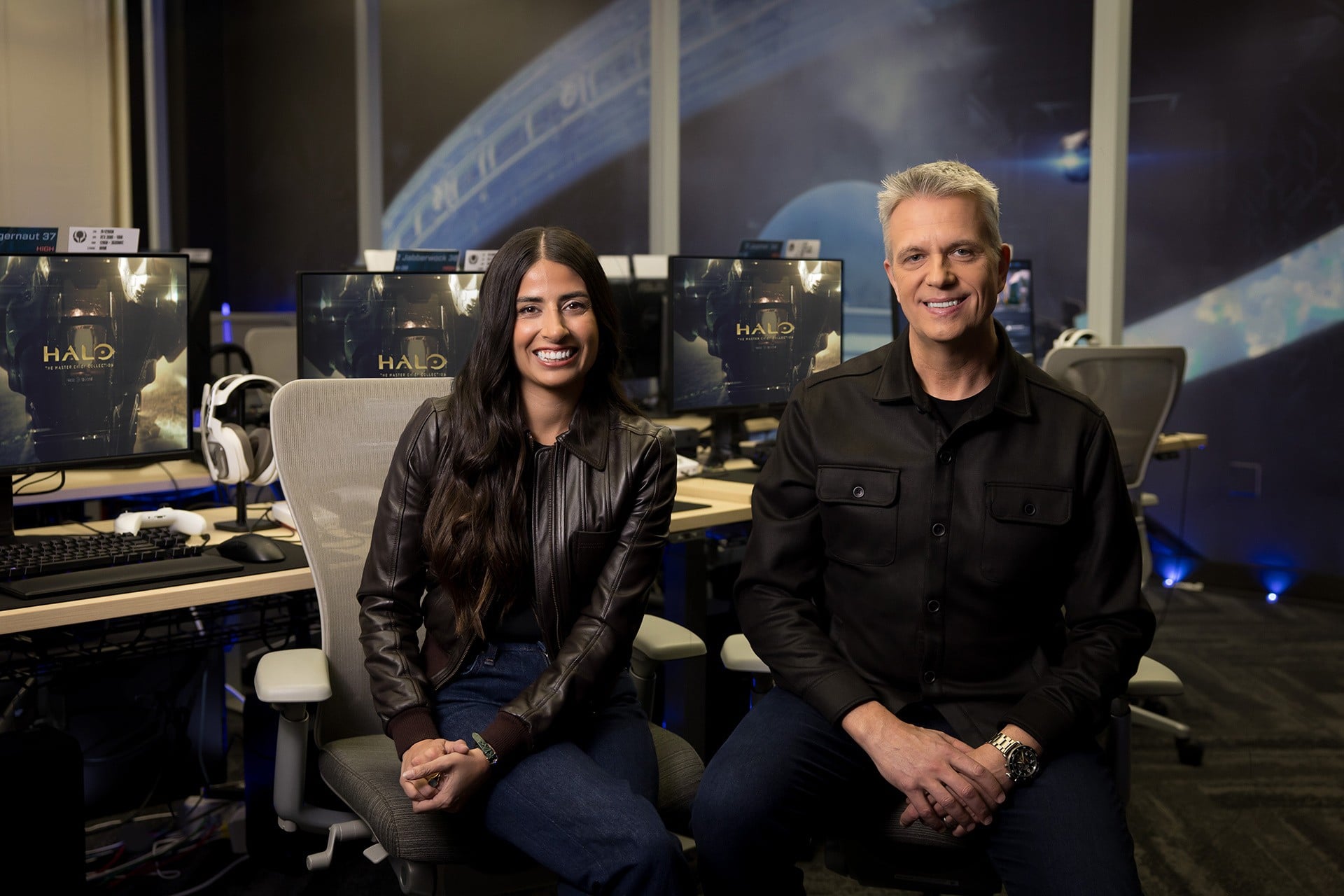
Strategic Re-evaluation and the "Project Latitude" Framework
The primary question facing the Sharma administration involves the future of Xbox exclusives. In early 2024, Microsoft began a pilot program—internally referred to by some as "Project Latitude"—which saw several first-party titles, such as Sea of Thieves and Hi-Fi Rush, ported to the PlayStation 5 and Nintendo Switch. This move was initially met with resistance from brand loyalists, but the financial results were undeniably positive, with Sea of Thieves frequently topping the PlayStation Store download charts.
In recent interviews, Sharma has indicated that her team is currently in an "analysis phase," auditing every pillar of the Xbox strategy to determine what provides the highest return on investment. This includes:
- Software Distribution: Determining whether high-budget titles like Halo or Gears of War should remain exclusive to the Xbox ecosystem or be leveraged as multi-platform revenue generators.
- Hardware Lifecycle: Assessing the role of traditional console hardware in an era where cloud gaming and PC gaming are seeing higher growth rates.
- AI Integration: Utilizing Microsoft’s partnership with OpenAI to streamline game development cycles and enhance non-player character (NPC) interactions through Large Language Models (LLMs).
Chronology of the Leadership Transition
The transition of power at Xbox did not occur in a vacuum but was the result of a multi-year succession plan orchestrated by Microsoft CEO Satya Nadella.
- October 2023: Microsoft officially closes the Activision Blizzard acquisition, making Xbox the largest vertical within the company’s "More Personal Computing" segment.
- Late 2024: Internal reports suggest Phil Spencer began discussing retirement plans with the Microsoft Board of Directors, citing a desire to see the integration of Activision Blizzard through to its first major milestones.
- January 2026: Microsoft announces a corporate restructuring. Asha Sharma is brought into the gaming division in a transitional capacity to shadow the executive team.
- February 2026: Phil Spencer officially announces his retirement. Asha Sharma is named the new CEO of Microsoft Gaming.
- GDC 2026 (Upcoming): Microsoft invites developers to "build for what’s next," signaling a new set of tools and distribution policies under the Sharma era.
Market Context and Financial Performance
To understand why Microsoft has chosen a leader with Sharma’s background, one must look at the broader financial landscape of the gaming industry. As of late 2025, the cost of producing "AAA" titles has escalated to between $200 million and $500 million per project. For these investments to be profitable, publishers require a massive install base that often exceeds the reach of a single hardware platform.
While Xbox Game Pass reached an estimated 35 million subscribers by 2024, growth in the console sector has leveled off. In contrast, Microsoft’s PC gaming revenue and cloud-based engagement have shown double-digit year-over-year increases. Sharma’s expertise in scaling digital marketplaces is seen as a vital asset in converting "players" into "subscribers" across a device-agnostic ecosystem.
| Metric | 2020 Performance | 2025 Performance (Est.) | Change |
|---|---|---|---|
| Game Pass Subscribers | 15 Million | 42 Million | +180% |
| First-Party Studios | 15 | 32 | +113% |
| Hardware Revenue % | 45% | 28% | -17% |
| Content & Services % | 55% | 72% | +17% |
Community Sentiment and Developer Relations
The transition has sparked a significant debate regarding the "soul" of the Xbox brand. For many fans, Phil Spencer was a visible advocate who understood the culture of gaming. Asha Sharma’s challenge will be to maintain that community connection while implementing the necessary corporate changes to ensure the brand’s long-term viability.

At the Game Developers Conference (GDC) 2026, Microsoft is expected to unveil new initiatives that encourage developers to utilize AI-driven middleware. This move is designed to combat the rising costs of development and the lengthy "crunch" periods that have plagued the industry. By positioning Xbox as a technology partner rather than just a platform holder, Sharma aims to attract more third-party developers to the ecosystem.
Implications for the Future of Console Gaming
The "Sharma Era" likely signals the final transition of Xbox from a console brand to a software and service brand. While Microsoft has confirmed that new hardware is in development, the focus is shifting toward the "Xbox Everywhere" vision. This strategy implies that the physical console will become one of many entry points—alongside handhelds, smart TVs, and mobile devices—rather than the mandatory gatekeeper.
The broader implications for the industry are profound. If Microsoft successfully transitions to a platform-agnostic model under Sharma, it may force competitors like Sony to reconsider their own exclusivity windows. Furthermore, the emphasis on AI and data-driven strategy could lead to more personalized gaming experiences but may also raise concerns regarding data privacy and the homogenization of game design.
As the gaming community processes this change, the consensus remains cautious. The optimism surrounding the brand is currently tied to the massive library of intellectual property Microsoft now owns, while the skepticism is rooted in the fear that the brand’s identity may be diluted in favor of corporate efficiency. The coming months will be critical as Sharma moves from the "analysis phase" to the execution of her first major strategic shifts. For now, the future of Xbox is a blank slate, being rewritten by a leader whose primary focus is not just on how games are played, but on how the platform itself evolves to meet the demands of a changing global market.