


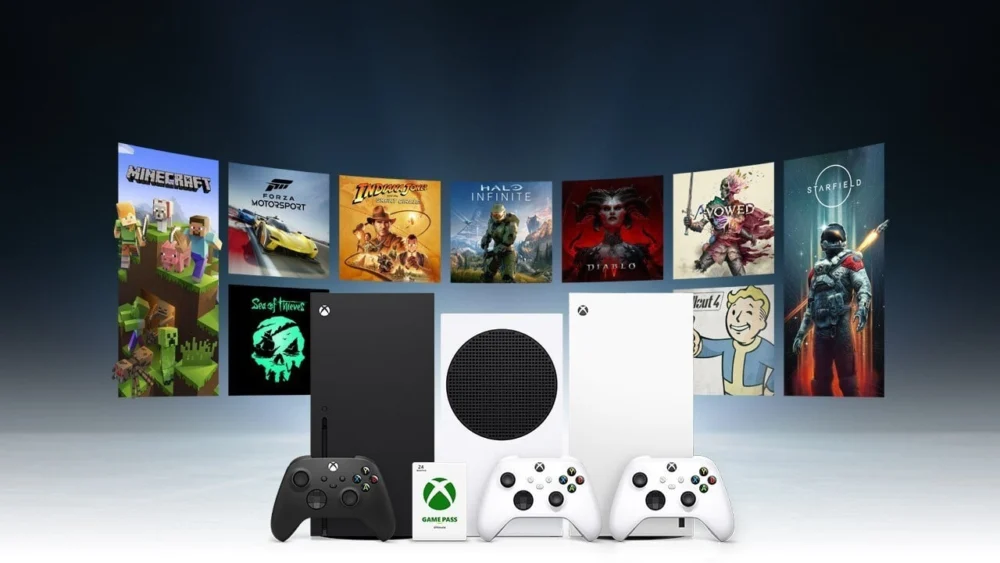
The appointment of Asha Sharma as the new Chief Executive Officer of Microsoft Gaming marks a pivotal transition in the history of the Xbox brand, coming at a time when the division faces both unprecedented opportunities and structural challenges. Following the retirement of Phil Spencer, who led the brand for over a decade, and the departure of President Sarah Bond, Sharma inherits a multi-billion-dollar ecosystem that is currently navigating a fundamental shift in its business model. As the brand approaches its 25th anniversary in 2026, the leadership transition signals a potential departure from the hardware-centric strategies of the past toward a more diversified, platform-agnostic future. Sharma, a newcomer to the direct leadership of a gaming hardware manufacturer, enters the role during a period defined by massive acquisitions, controversial studio closures, and a reimagining of what it means to be an Xbox consumer.
A Legacy of Transformation: The Phil Spencer Era
To understand the magnitude of the task facing Asha Sharma, one must examine the state of the Xbox division when Phil Spencer took the reigns in 2014. Spencer assumed leadership following the disastrous launch of the Xbox One, a console hampered by a high price point, mandatory Kinect integration, and restrictive digital rights management policies that alienated the core gaming community. Under Spencer’s tenure, the division underwent a radical "pro-consumer" pivot, introducing backward compatibility, the Xbox Game Pass subscription service, and the "Play Anywhere" initiative that bridged the gap between console and PC gaming.
The climax of this era was the aggressive expansion of Microsoft’s first-party portfolio. This included the $2.5 billion acquisition of Mojang (Minecraft), the $7.5 billion acquisition of ZeniMax Media (Bethesda), and the industry-shaking $68.7 billion acquisition of Activision Blizzard King. These moves positioned Microsoft as one of the world’s largest third-party publishers while simultaneously bolstering the value proposition of Game Pass. However, the closing years of the Spencer era were marked by internal friction, including the layoff of approximately 2,500 employees across the gaming division and the closure of high-profile studios such as Tango Gameworks and Arkane Austin. Sharma now steps into a landscape where the aggressive expansion of the last five years must be reconciled with the financial demands of Microsoft’s corporate leadership.
The Immediate Mandate: Stabilizing the Ecosystem
Asha Sharma’s first steps as CEO will likely focus on internal stabilization and the restoration of brand identity. The recent "This is an Xbox" marketing campaign, which emphasized that the Xbox experience can exist on smart TVs, handhelds, and mobile devices, received a mixed reception from the core community. While the campaign aligned with Microsoft’s broader cloud-first vision, it sparked concerns among hardware enthusiasts that Microsoft might be planning an exit from the console market.
Industry analysts suggest that Sharma’s immediate priority will be to clarify the division’s hardware roadmap. Despite the growth of cloud gaming and PC sales, the physical console remains the primary gateway for the brand’s most loyal customers. Reports indicate that new Xbox hardware is slated for a 2026 release, potentially coinciding with the brand’s 25th anniversary. For Sharma, the challenge lies in overseeing the final development stages of this hardware while ensuring it offers a distinct competitive advantage over Sony’s PlayStation 6 and the rumored Nintendo Switch successor.
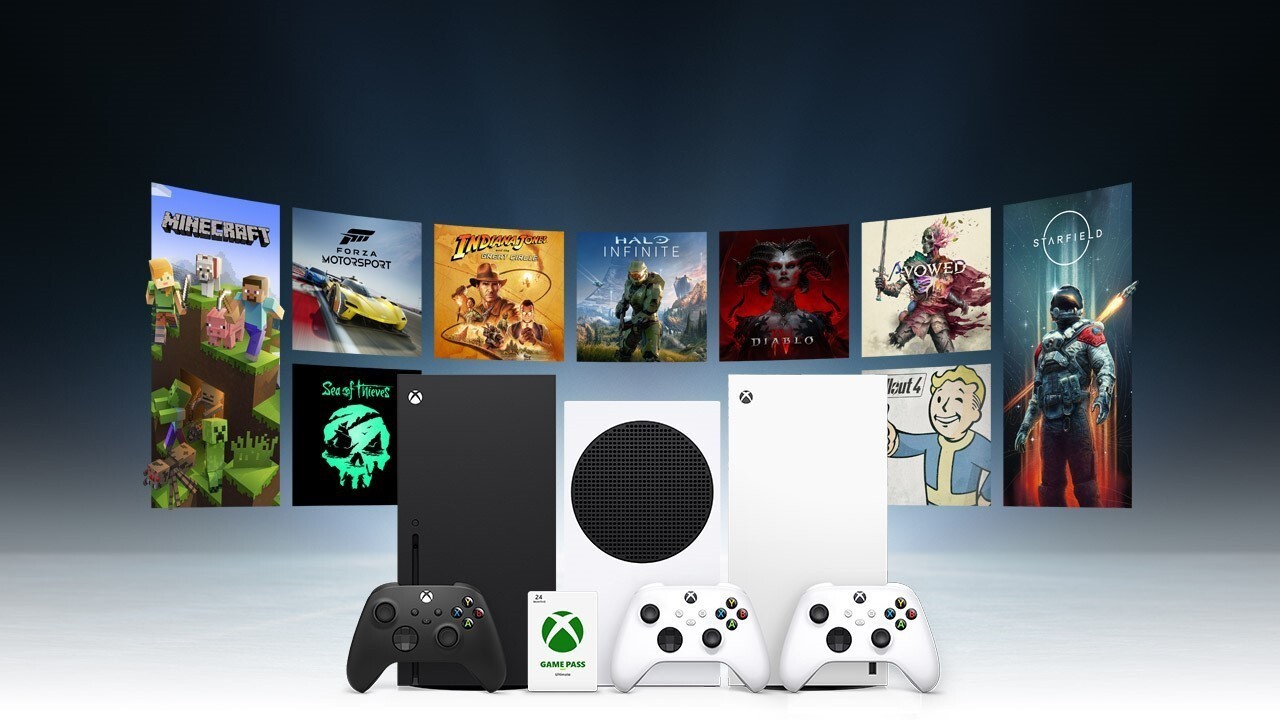
Chronology of Modern Xbox Milestones (2020–2026)
The following timeline highlights the critical path that led to the current leadership transition and the environment Sharma now manages:
- November 2020: Launch of the Xbox Series X and Series S consoles, emphasizing power and accessibility.
- March 2021: Acquisition of ZeniMax Media is finalized, bringing franchises like The Elder Scrolls and Fallout under the Microsoft umbrella.
- January 2022: Microsoft announces its intent to acquire Activision Blizzard for $68.7 billion.
- October 2023: The Activision Blizzard acquisition officially closes after nearly two years of regulatory scrutiny in the US, UK, and EU.
- January 2024: Microsoft Gaming announces the layoff of 1,900 employees, primarily from Activision Blizzard and ZeniMax.
- May 2024: High-profile studio closures, including Tango Gameworks, lead to significant public relations challenges.
- November 2024: The "This is an Xbox" campaign launches, signaling a shift toward a platform-agnostic service model.
- 2026 (Projected): The 25th anniversary of Xbox and the anticipated launch of new hardware and a flagship software lineup.
The 2026 Software Pipeline: A Golden Opportunity
While the corporate landscape is complex, the software roadmap for 2026 provides Sharma with a significant advantage. The year is currently scheduled to feature a "perfect storm" of flagship releases that could serve as a catalyst for ecosystem growth. The return of Fable (Playground Games), a new entry in the Gears of War franchise (Gears of War: E-Day), and the continued evolution of the Forza and Halo franchises represent the strongest first-party lineup in over a decade.
For Sharma, these titles are more than just games; they are the primary drivers for Game Pass subscriptions and hardware sales. If managed correctly, the 2026 lineup could provide the momentum needed to pivot the brand from its recent period of restructuring into a new era of growth. The success of Halo: Campaign Evolved and the next Forza title will be critical in proving that Microsoft can still deliver high-quality, "system-selling" experiences that justify the massive investment in its internal studios.
Supporting Data: The Financial Landscape
The financial health of Microsoft Gaming has undergone a massive shift following the integration of Activision Blizzard. According to Microsoft’s FY24 Q3 earnings report, gaming revenue increased by 51% year-over-year, largely driven by the addition of Activision Blizzard’s portfolio. However, hardware revenue saw a decline of 31% in the same period, highlighting the growing disparity between software/service success and console sales.
Xbox Game Pass remains the cornerstone of the business model. As of early 2024, the service surpassed 34 million subscribers. While this figure represents a significant portion of the market, growth has slowed in the console space, prompting the recent push into PC and mobile markets. Sharma’s background in tech and operations will be essential in optimizing the conversion of "passive" gamers into recurring subscribers across these diverse platforms.
Strategic Implications: The Multi-Platform Question
One of the most contentious issues Sharma must address is the "Project Latitude" initiative—the strategy of bringing traditionally exclusive Xbox titles to rival platforms like the PlayStation 5 and Nintendo Switch. Games such as Sea of Thieves, Hi-Fi Rush, and Indiana Jones and the Great Circle have either already moved or are rumored to move to other platforms.

This strategy presents a dual-edged sword for the new CEO. On one hand, publishing on rival consoles maximizes the return on investment for high-budget titles and leverages Microsoft’s position as a massive third-party publisher. On the other hand, it risks eroding the "reason to buy" an Xbox console. Sharma will need to find a balance that satisfies Microsoft’s executive board—who demand high margins and growth—while maintaining the brand loyalty of the "Xbox faithful" who expect exclusive benefits for their hardware investment.
Broader Impact and Future Outlook
The industry will be watching Asha Sharma closely to see if she adopts the "community-first" persona of Phil Spencer or if she leans into a more traditional, data-driven corporate approach. Her success will likely be measured by three key metrics: the successful launch of the next generation of hardware, the sustained growth of Game Pass beyond the console audience, and the creative output of the nearly 40 studios now under her command.
The transition also highlights a broader trend in the gaming industry, where leadership is increasingly being drawn from outside the traditional "gaming enthusiast" circle. This shift reflects the reality that modern gaming companies are no longer just toy manufacturers; they are data-driven, multi-platform entertainment conglomerates. As Sharma takes the helm, her first steps will not only define the next five years of Xbox but will also set the tone for how Microsoft intends to compete in an era where the lines between hardware, software, and services are permanently blurred.
In conclusion, while the challenges are significant—ranging from declining hardware sales to the complexities of managing a massive global workforce—the assets at Sharma’s disposal are unparalleled. With the 25th anniversary on the horizon and a powerhouse software lineup in development, the new Head of Xbox has the tools to steer the brand toward a sustainable and profitable future, provided she can navigate the delicate balance between corporate demands and fan expectations.