


The landscape of independent horror gaming has been dramatically reshaped in recent years, with a particular subgenre, colloquially termed "friendslop," experiencing a surge in popularity and, consequently, a notable saturation of the market. This trend, while indicative of a thriving creative space, also raises questions about originality, sustainability, and the evolving definition of successful indie horror.
The Genesis of a Subgenre: From Amnesia to Lethal Company
The roots of modern indie horror can be traced back to seminal titles that captured the attention of a burgeoning online audience. The early 2010s saw the widespread impact of games like Amnesia: The Dark Descent, amplified by its popularization through Let’s Play videos by influencers such as PewDiePie. This era marked a shift where a game’s virality became increasingly intertwined with its commercial success, moving beyond traditional review metrics. Following Amnesia, titles like Five Nights at Freddy’s further cemented the connection between accessible horror mechanics, streaming potential, and massive player engagement.
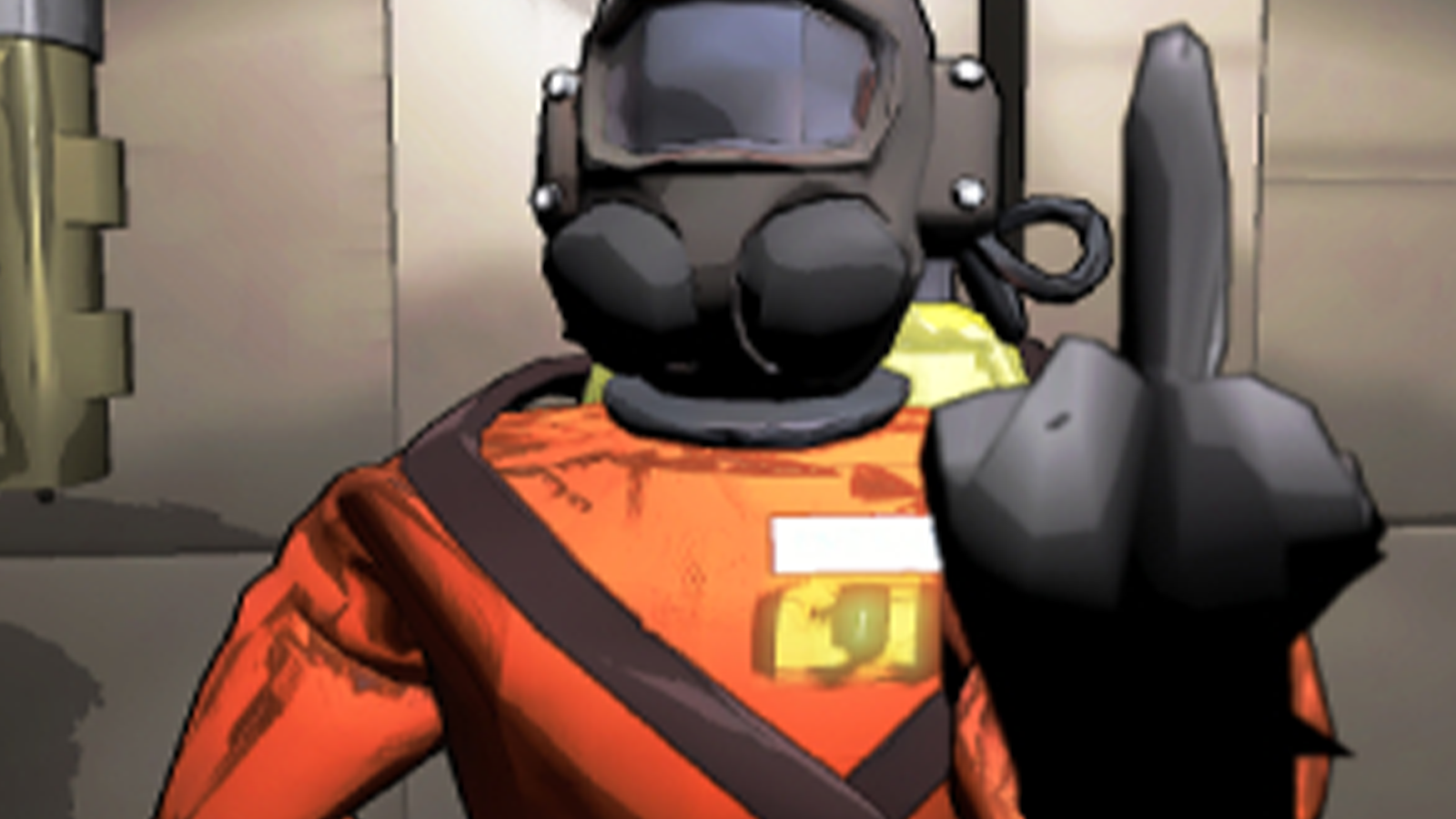
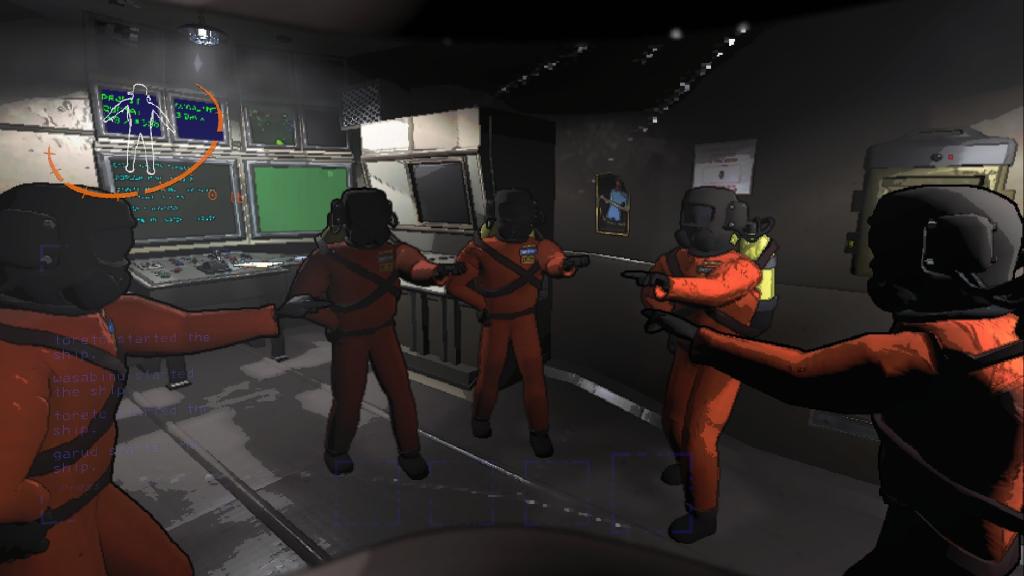
The recent catalyst for the current wave of "friendslop" is undeniably Lethal Company. Released in October 2023, this cooperative horror title by Zeekerss quickly ascended to stardom. Its appeal lay in a potent blend of genuine creepiness, emergent humor born from player interactions, and a compelling core loop of scavenging and survival. The game’s success was further propelled by its robust presence on platforms like YouTube and Twitch, where its unique mechanics and the often chaotic, laughter-filled experiences of players captivated millions. The addition of the "Company Cruiser" in July 2024, while an intended expansion, coincided with a growing discussion about the game’s influence on subsequent releases.
The Rise of R.E.P.O. and the "Friendslop" Formula
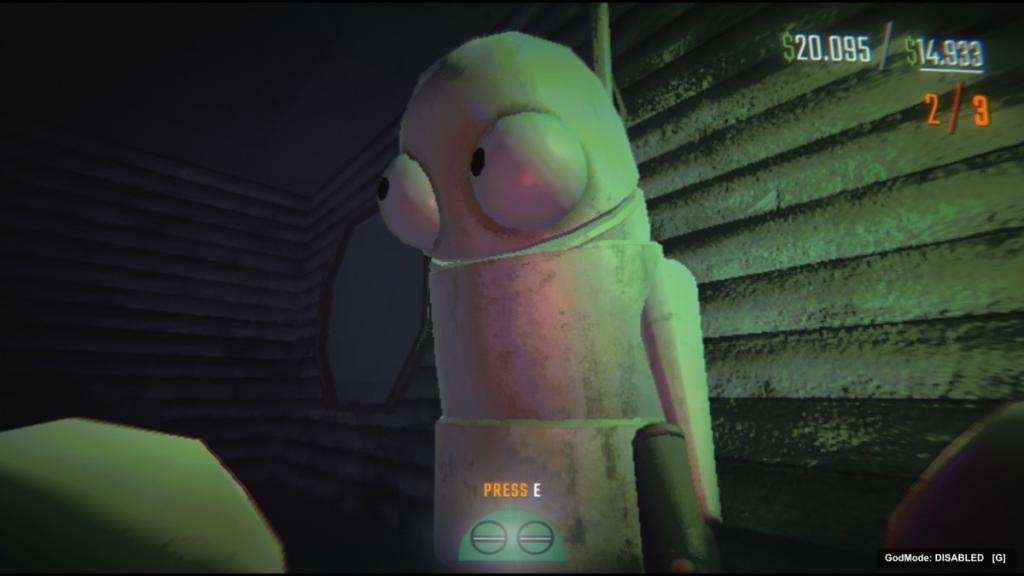
While Lethal Company remains a benchmark, the market has seen a rapid emergence of titles attempting to replicate its success. One prominent example is R.E.P.O., a game that, despite its similarities to Lethal Company, managed to carve out its own niche and ascend to a prominent position. R.E.P.O. distinguished itself through its unique "semibots" and psychic-based mechanics, coupled with a consistent update schedule that kept its player base engaged. This ability to retain a strong identity while leveraging popular gameplay loops highlights the evolving dynamics of the indie horror market.
The term "friendslop," while pejorative, describes a discernible pattern: games that prioritize cooperative play and often rely on a central gimmick or a specific type of emergent humor. This formula, when successful, can lead to rapid viral growth, but it also presents a risk of market oversaturation. The concern is that developers, driven by the potential for quick success, may prioritize replicating established trends over fostering genuine innovation.
Echoes of P.T.: Inspiration vs. Imitation
The phenomenon of a single game inspiring a subgenre is not new. The impact of the P.T. demo, the playable teaser for the cancelled Silent Hills project, is a prime example. P.T. single-handedly revitalized interest in psychological horror and spawned numerous imitators, such as Layers of Fear and VISAGE, games that directly drew inspiration from its atmospheric tension and narrative-driven scares. However, as with any pioneering creation, the widespread adoption of its core elements led to a period of market oversaturation, where the line between homage and imitation blurred.
The "friendslop" trend mirrors this pattern. The success of Lethal Company has created a fertile ground for games that adopt similar cooperative frameworks, often with a focus on accessible, repeatable gameplay loops that lend themselves well to streaming. The challenge for these newer titles lies in differentiating themselves beyond superficial similarities. While R.E.P.O. succeeded by introducing novel mechanics, many other games struggle to stand out.
The Influx of Imitators and the Stumble of Bugginess
Beyond Lethal Company and R.E.P.O., a multitude of co-op horror titles have emerged, all seemingly vying for viral attention. Games like Murky Divers, Nuclear Nightmare, Emissary Zero, Forsaken Frontiers, PILGRIM, and YAPYAP represent this wave. While these titles may offer variations on the cooperative horror theme, they often falter due to critical issues, most notably bugginess.
The original appeal of games like SCP: Containment Breach, a title that offered player autonomy, engaging level design, and multiple endings, was its inherent depth and polish. In contrast, many of the recent "friendslop" titles appear to prioritize a core concept that is easily digestible and streamable, sometimes at the expense of robust development. The reliance on proximity chat or other social interaction mechanics, while entertaining, can mask underlying flaws and a lack of substantial gameplay.
The "friendslop" setting, as described, often becomes a template. The core formula is copied and pasted, leading to a sense of déjà vu for players. Even established franchises have experimented with this shift. Outlast, a series renowned for its intense, single-player, camcorder-centric horror, attempted a cooperative approach with Outlast Trials. While Trials introduced new elements, some critics argue it diluted the claustrophobic dread that defined the original, suggesting that the essence of what made the first game terrifying was lost in the transition to multiplayer.
The Shifting Sands of Player Engagement: Mediocrity and Banter
This trend raises a critical question about contemporary player expectations. Has the gaming audience become conditioned to accept a certain level of mediocrity, or are players finding entertainment in the social aspect of co-op gaming, where their own banter and the shared experience of jankiness and bugs become the primary source of fun? The act of creating a comedic narrative with friends, or watching streamers navigate these often-unpredictable environments, seems to be a significant driver of engagement.
The inherent danger in this dynamic is that the focus shifts from the game’s intrinsic quality – its scares, its atmosphere, its design – to the external entertainment value derived from player interaction. This can lead to a scenario where a game isn’t genuinely scary or dangerous in its own right, but the fear of crashing or losing progress due to bugs adds a layer of "danger" that is not intended by the developers. Playing alone in such titles can become a hollow experience, devoid of the very elements that made their inspirations so compelling.
The Cycle of Viral Aspirations and Creative Limitations
The core issue with the "friendslop" phenomenon, as observed, is that many of these games possess genuine potential but are deliberately self-limiting. The primary objective appears to be achieving viral status, generating revenue quickly, and then potentially moving on to the next project or disappearing altogether. This short-term, trend-driven approach can stunt the growth of innovative ideas within the indie horror space.
Outside of acknowledged successes like Lethal Company, R.E.P.O., and the earlier Phasmophobia, many co-op horror titles exhibit a distinct lack of creativity. Instead of original concepts, players are presented with perpetual rip-offs. This cycle is perpetuated by playerbases that continue to engage with these games, either because their favorite content creators are playing them or because more compelling titles have not received recent updates. The lack of consistent development for established games can leave players seeking new, albeit often derivative, experiences.
A History of Cooperative Horror: From Isolation to Ubiquity
Cooperative horror gaming was once a relative rarity. Titles like Left 4 Dead in the late 2000s and early 2010s stood out, offering a unique blend of action and survival horror that could be experienced with friends. Experimental games like White Noise also explored the co-op horror dynamic. Today, however, the market is flooded with titles that, while utilizing random generation and social features to enhance replayability, often neglect fundamental aspects of game design such as robust level design, compelling mechanics, and intelligent enemy AI.
The expectation for continuous updates to maintain player attention is high. Simply releasing a "broken mess" with the hope of going viral because proximity chat is entertaining when a friend is abruptly silenced mid-scream is an unsustainable strategy. The frustration for discerning players stems from co-op horror titles that rely heavily on their core concept reminding players of the genre’s best, rather than offering something genuinely new or exceptionally well-executed.
The Future of Co-op Horror: Seeking Depth and Genuine Scares
The ideal future for co-op horror, as envisioned by some, lies in a return to genuinely scary experiences where the cooperative element enhances the survival narrative rather than becoming the sole source of entertainment. The idea of couch co-op, a mode that fosters immediate, shared immersion, could also see a resurgence, offering a more intimate and focused horror experience.
The success of "friendslop" games, proving that impeccable graphics are not a prerequisite for immense popularity, has undoubtedly inspired many developers. However, this inspiration can be a double-edged sword. It encourages developers to enter the market with the belief that they can achieve similar success without necessarily possessing the underlying creativity, drive, or long-term vision required to create something truly enduring. The pursuit of a "big paycheck" through viral trends can overshadow the development of meaningful and innovative gaming experiences.
Ultimately, the current "friendslop" trend, while a testament to the adaptability and appeal of co-op gaming, highlights a critical juncture for the indie horror genre. The challenge for developers and players alike will be to navigate this landscape, fostering an environment that rewards innovation and genuine scares over fleeting virality. The question remains: can the indie horror scene evolve beyond the imitators and cultivate a new generation of truly terrifying and engaging cooperative experiences?