


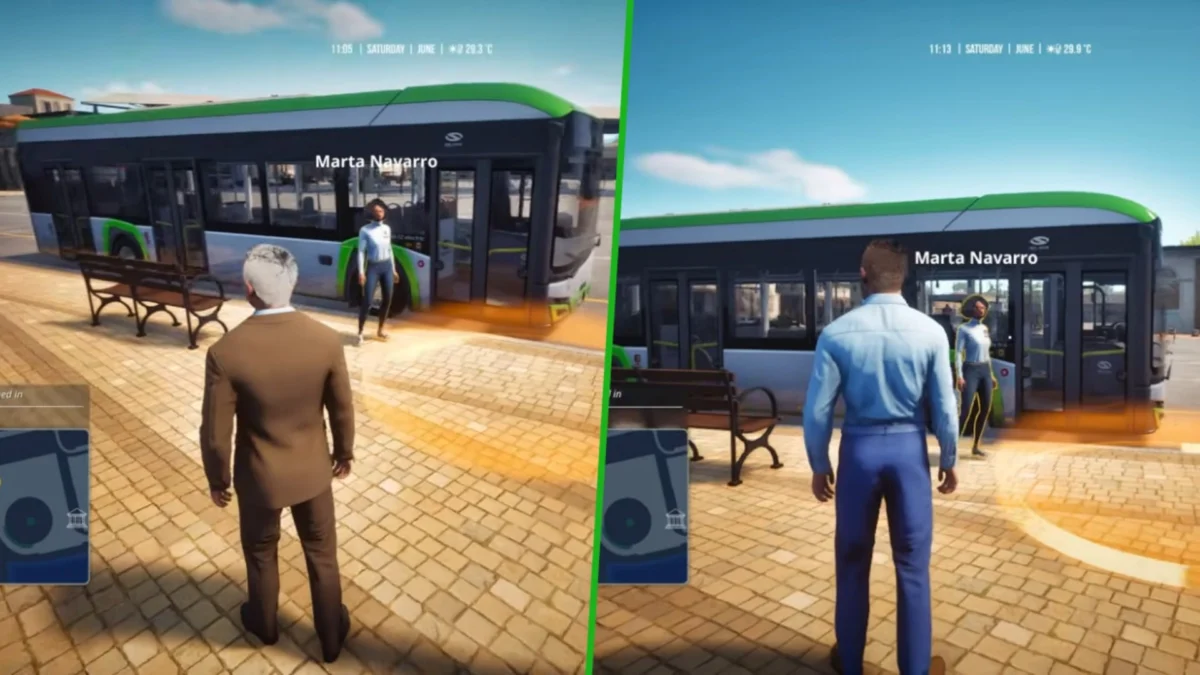
The latest iteration in the long-running and popular simulation franchise, Bus Simulator 27, officially launched today for Xbox Series X and Xbox Series S. This full release follows a brief early access period exclusively granted to purchasers of the Deluxe Edition, allowing for initial community engagement and early impressions to surface. Concurrently, the title also made its debut on PC via Steam, making it widely available to its dedicated fanbase across multiple platforms. The immediate availability has prompted an influx of early reviews and raw gameplay footage from Xbox Series X|S, providing the first comprehensive look at the game’s performance and reception in the wild.
Key Features and Gameplay Innovations
Bus Simulator 27 aims to build upon its predecessors by introducing an expanded suite of features designed to enhance the player’s experience as a public transport operator. The game offers three distinct modes tailored to different playstyles:
- Story Mode: A narrative-driven experience where players undertake specific missions and progress through a structured storyline, often involving challenges related to route management, passenger satisfaction, and urban development.
- Career Mode: This mode focuses on long-term progression, allowing players to build and manage their own bus company from the ground up. This includes hiring drivers, optimizing routes, managing finances, and expanding their fleet to become a dominant force in public transportation.
- Sandbox Mode: Offering unparalleled freedom, Sandbox mode allows players to explore the game world without specific objectives or constraints, ideal for those who prefer leisurely driving, experimenting with different buses, or simply enjoying the meticulously crafted environments.
One of the most significant advancements in Bus Simulator 27 is its robust and diverse fleet of vehicles. The game boasts over 45 officially licensed buses from 13 renowned global manufacturers. This extensive roster includes iconic brands such as Solaris™, Mercedes-Benz, MAN, IVECO BUS, Scania, and Volvo, ensuring a wide range of models that cater to various preferences and operational needs. Players can choose from classic rigid buses, articulated buses, and double-decker variants, all meticulously recreated with authentic details. A groundbreaking addition to the series is the inclusion of impressive coach buses, allowing players for the first time to undertake longer-distance journeys, adding a new dimension to route planning and passenger services. This expansion of vehicle types not only broadens gameplay possibilities but also caters to a wider audience interested in different facets of bus operation.
Beyond the vehicles, Bus Simulator 27 introduces innovative gameplay mechanics that extend beyond simply driving. For the first time, players can step into the roles of inspectors and passengers. As an inspector, players are tasked with ensuring fare compliance and maintaining order on their routes, adding a layer of management and responsibility. Playing as a passenger offers a unique perspective on the player’s own routes and services, allowing them to experience the game world from a different vantage point and identify areas for improvement in their operations.
The multiplayer component has also seen significant development. The game supports 4-player cooperative multiplayer with crossplay functionality, enabling friends across Xbox consoles and PC to collaborate in managing bus routes, driving vehicles, and serving their communities together. This cross-platform capability is crucial for fostering a vibrant online community and ensures that players are not siloed by their chosen gaming platform, enhancing the collaborative potential of the simulation experience.
Felicia Bay: A New European Canvas
The setting for Bus Simulator 27 is the picturesque region of Felicia Bay, a fictional Southern European locale heavily inspired by the vibrant landscapes and urban environments of Spain and Portugal. This choice of setting offers a fresh and visually appealing backdrop for the game’s operations, moving away from the more traditional Central European settings of previous titles.
Felicia Bay is depicted as a bustling tourist destination where players undertake the essential work of public transport amidst a holiday atmosphere. The region comprises the twin cities of Alcaztelar and Mequina, which together feature 20 unique districts. Each district is designed with specific characteristics and landmarks, contributing to a diverse and immersive urban environment. From historic city centers to modern commercial zones and scenic coastal roads, the map promises a rich variety of driving experiences.
The game world is brought to life through several advanced technical features. Dynamic weather systems ensure that players encounter varying environmental conditions, from sunny Mediterranean days to challenging rainstorms, impacting visibility and road conditions. A full day and night cycle adds realism, requiring players to adapt their driving styles and route planning to different lighting conditions and traffic patterns. The bustling, crowded streets are populated by an advanced AI system, simulating realistic pedestrian and vehicle traffic, further enhancing the immersion. All these elements are rendered using Unreal® Engine 5, which allows for highly detailed environments, realistic lighting, and intricate visual effects, pushing the graphical fidelity of the series to new heights. Players are tasked with creating and serving routes, managing timetables, hiring and assigning drivers, customizing buses with wraps and advertisements, and ultimately, restoring public faith in the local transportation system for both residents and visiting tourists.
First Impressions: A Mixed Reception
Following its launch, Bus Simulator 27 has garnered an initial wave of reviews, indicating a somewhat divided opinion among players and critics. On the Steam platform, where player feedback significantly influences public perception, the game currently holds a "Mixed" rating after approximately 200 user submissions. This "Mixed" status typically suggests that while a significant portion of players found aspects of the game enjoyable, an equally substantial group encountered issues or felt certain elements were lacking. Similarly, on the Xbox Store in the UK, the game’s score stands at 3 out of 5 stars, further underscoring the polarizing nature of its early reception.
This mixed sentiment is echoed in various professional reviews from gaming publications that have had early access or sufficient time to evaluate the title. These reviews, while often highlighting the game’s ambitious scope and potential, also point out areas that require further refinement.
Diving Deeper into Critical Feedback
DualShockers, in their review, noted that Bus Simulator 27 provides extensive customization options, allowing players to tailor their experience between "realistic and difficult." This flexibility is often appreciated in simulation games, catering to both hardcore enthusiasts and more casual players. However, their critique pointed towards a "flawed" current state, suggesting that despite a "solid foundation," the game "feels like an early access title." A particular area of concern highlighted was the driver AI, which DualShockers believes, with "some updates to refine… could become a worthy successor to Bus Simulator 21." They also saw potential in the game as a "fun way to hang out with friends without the stress that can come with other online gameplay experiences," acknowledging the cooperative multiplayer aspect as a significant draw.
ScreenHype offered a similar perspective, praising the game for delivering on "many aspects fans love about the simulation genre," specifically mentioning the "huge map and plenty of content." The reviewer reported spending "more than 15 hours" and still feeling like there was "plenty to do in the story," indicating substantial gameplay depth. Felicia Bay was lauded as an "exceptional locale to drive around, with great attention to detail." Despite these commendations, ScreenHype concluded that "Bus Simulator 27 feels like it needs more time in the oven." The review specified that while the outlined issues were "mostly minor," they "quickly add up and sully an otherwise fun experience," reinforcing the sentiment that polish is needed.
Addressing Technical Hurdles and Player Concerns
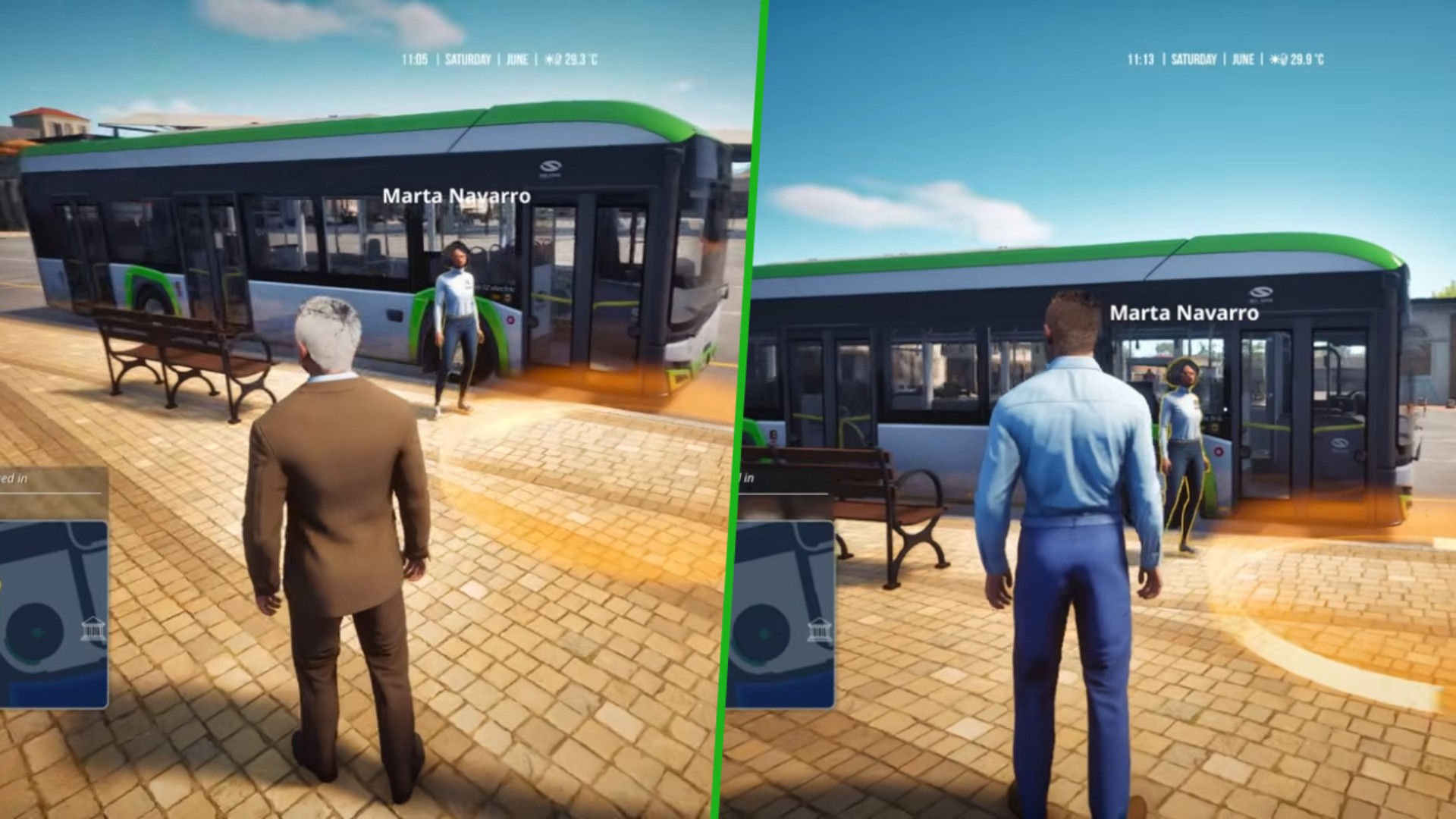
A recurring theme across both player feedback and professional reviews, particularly on Xbox and seemingly other platforms, revolves around reports of bugs and crashes. These technical instabilities appear to be the "biggest problem," contributing significantly to the "early access" feeling described by critics. Such issues, ranging from minor graphical glitches and AI pathfinding errors to more severe game crashes, can severely disrupt the immersive experience that simulation games strive to deliver.
Despite these technical setbacks, there is a consistent acknowledgment of the game’s underlying "potential." This potential is often attributed to its impressive and expansive map, the detailed vehicle handling mechanics, and the sheer volume of content available. Players and critics alike recognize the ambition behind Bus Simulator 27 and express hope that post-launch updates will address the prevalent technical issues, allowing the game’s strengths to shine through unhindered. The foundation of a deep simulation experience appears to be present, but its execution is currently hampered by these performance and stability concerns.
The Legacy of Bus Simulator: Evolution and Ambition
The Bus Simulator franchise, developed by stillalive studios and published by astragon Entertainment, has carved out a distinct niche within the simulation genre over the years. Beginning with Bus Simulator 16, the series has consistently aimed to provide a realistic and engaging experience of operating a public bus service. Each installment has typically introduced new features, expanded maps, and a growing roster of licensed buses, gradually building a dedicated fanbase that appreciates the attention to detail in vehicle physics, route management, and urban environments.
Bus Simulator 27 represents a significant leap forward in terms of scale and ambition. The introduction of coach buses for long-distance travel, for instance, expands the gameplay scope beyond traditional urban routes, offering new challenges and scenic journeys. The use of Unreal Engine 5 is also a notable technological advancement, promising higher fidelity graphics and more dynamic environments than ever before. This continuous evolution demonstrates the developers’ commitment to pushing the boundaries of what a bus simulation can offer, striving to meet the increasing expectations of a sophisticated gaming audience. The series has always thrived on its community, with player feedback often guiding post-launch development and feature additions, a trend likely to continue with Bus Simulator 27.
Pricing and Market Positioning
At its launch, Bus Simulator 27 is priced at £29.99 / $34.99. This pricing positions it as a mid-range title within the gaming market, reflecting the extensive content and licensing involved, but also considering the niche appeal of the simulation genre. The decision for prospective buyers will largely hinge on weighing the game’s ambitious features and potential against the initial reports of bugs and performance issues.
For those who purchased the Deluxe Edition, the early access period offered an opportunity to experience the game ahead of the general release, often accompanied by additional in-game content such as cosmetic items, extra buses, or map expansions. Such tiered releases are a common strategy in the industry, rewarding early adopters and dedicated fans while also generating initial revenue and feedback before a wider launch. The investment in the Deluxe Edition typically implies a belief in the game’s long-term potential, even if the launch experience is not entirely seamless.
Looking Ahead: Post-Launch Support and Community Impact
Given the "mixed" initial reception and the specific feedback regarding bugs and AI, it is highly probable that astragon Entertainment and stillalive studios will prioritize post-launch support. The simulation genre, in particular, often sees extensive patching and content updates in the months following release, driven by community feedback. Developers typically engage with their player base through forums and social media, gathering data on prevalent issues and prioritizing fixes. Addressing the reported crashes, refining AI behavior, and optimizing performance will be crucial for Bus Simulator 27 to shed its "early access" perception and fulfill its considerable potential.
The success of simulation games often relies on a loyal community that not only plays the game but also contributes to its improvement through feedback, modding, and content creation. The cross-play cooperative multiplayer is a significant feature that could help foster this community, encouraging players to stay engaged and collaborate. A robust post-launch roadmap that clearly communicates planned updates and bug fixes will be vital in reassuring players and solidifying the game’s long-term viability.
The Broader Landscape of Simulation Gaming
Bus Simulator 27‘s launch provides an interesting case study within the broader simulation game landscape. This niche genre has seen a resurgence in popularity, with titles like Microsoft Flight Simulator, Euro Truck Simulator 2, and Farming Simulator attracting millions of players who seek immersive, detailed, and often relaxing experiences. However, the expectations for realism and polish in these games are also incredibly high. Players often demand accurate physics, detailed vehicle models, realistic environments, and stable performance.
The use of advanced engines like Unreal Engine 5 signifies a commitment to pushing visual and environmental fidelity, but it also introduces challenges in optimization and bug squashing. The balancing act between innovation, content breadth, and technical stability is a constant struggle for developers in this space. Bus Simulator 27 exemplifies this dynamic, showcasing ambitious design and extensive features while grappling with the inherent complexities of delivering a flawless launch experience. Its trajectory in the coming months, particularly regarding developer responsiveness and update quality, will be closely watched by fans and serve as a benchmark for future simulation titles.
The journey of Bus Simulator 27 has just begun. While initial reviews present a nuanced picture, highlighting both its strengths and areas for improvement, the underlying ambition and potential for an engaging simulation experience remain clear. The coming weeks and months will reveal how effectively the development team addresses the community’s feedback, ultimately determining the game’s legacy within the esteemed Bus Simulator franchise.