

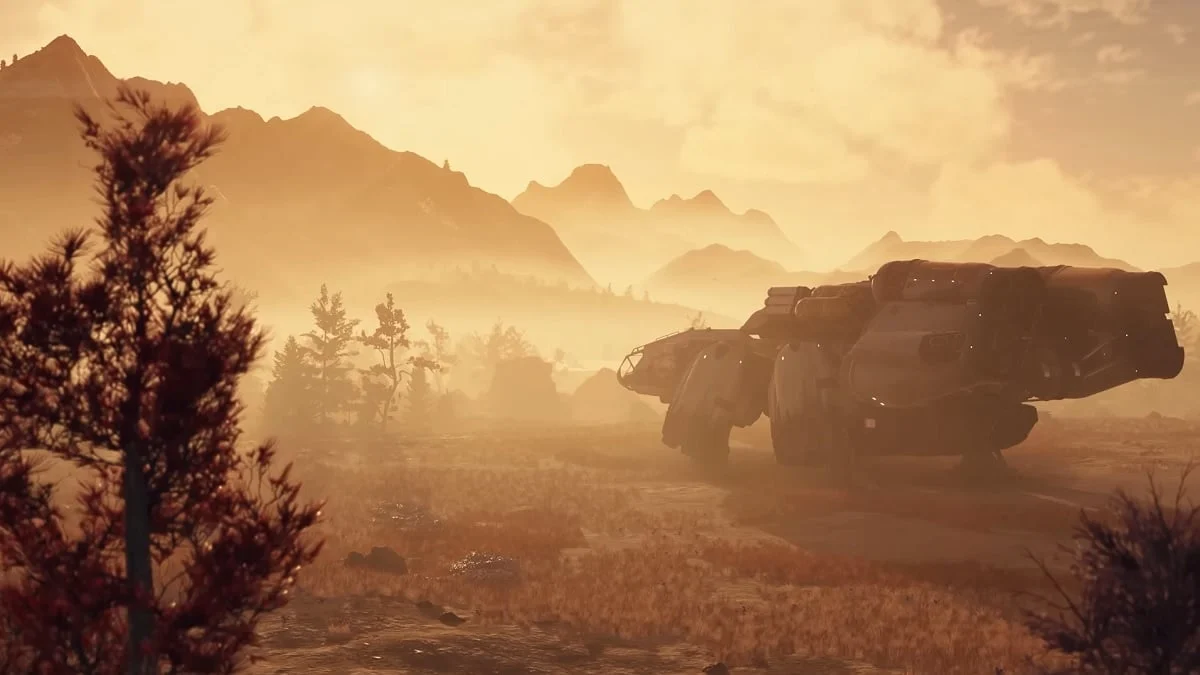
Bethesda Game Studios’ highly anticipated open-world space epic, Starfield, has not only achieved the distinction of being the best-selling game in the United States for September but has also delivered a monumental boost to Microsoft’s Xbox Game Pass subscription service, setting a new record for single-day subscriber additions. This significant performance was a highlight of Microsoft’s Q1 FY2024 earnings call, held on October 24, 2023, underscoring the strategic success of the title that has already captivated over 11 million players since its early access launch on August 31 and global release on September 6.
The Genesis of a Galactic Saga: Anticipation and Development
The journey to Starfield‘s release was a protracted one, marked by years of anticipation that culminated in one of the most significant launches in recent memory for both Bethesda Game Studios and Microsoft’s Xbox division. First formally announced at E3 2018, Starfield was presented as Bethesda’s first original intellectual property in over two decades, following the enduring legacies of The Elder Scrolls and Fallout series. The prospect of a new, expansive single-player role-playing game from the renowned studio, set against the backdrop of an unexplored galaxy, immediately ignited widespread excitement among the gaming community.
Development was shrouded in a degree of secrecy for several years, with periodic teasers and concept art slowly building the narrative of a vast universe awaiting exploration. Originally slated for a November 11, 2022 release – a date mirroring Skyrim‘s iconic launch – the game experienced a significant delay, pushed to the first half of 2023, and subsequently confirmed for September 6, 2023. These delays, while initially disappointing for fans, ultimately served to heighten anticipation, promising a more polished and ambitious experience. Developers frequently emphasized the game’s scale, the depth of its character customization, the freedom of its exploration across over 1,000 planets, and its rich narrative interwoven with the mysteries of the cosmos. The game’s premise, inviting players to join Constellation, the last group of space explorers, to uncover humanity’s greatest mystery, resonated deeply with the core tenets of Bethesda’s RPG design philosophy: player agency, expansive worlds, and compelling lore.
Microsoft’s Strategic Acquisition and Game Pass Integration
The trajectory of Starfield took a pivotal turn with Microsoft’s blockbuster acquisition of ZeniMax Media, Bethesda’s parent company, for an astounding $7.5 billion. Announced in September 2020 and finalized in March 2021, this acquisition was a transformative moment for the gaming industry. It brought renowned studios like Bethesda Game Studios, id Software, Arkane Studios, and Tango Gameworks under the Xbox umbrella, granting Microsoft ownership of venerable franchises such as The Elder Scrolls, Fallout, DOOM, and Dishonored.
This strategic move was designed to significantly bolster Xbox Game Pass, Microsoft’s rapidly expanding subscription service, by integrating a wealth of established and future first-party content directly into its catalog. The decision to make Starfield an Xbox console and PC exclusive, foregoing a PlayStation release, underscored Microsoft’s commitment to leveraging its newly acquired intellectual property to drive Game Pass subscriptions and enhance the Xbox ecosystem. Starfield, being the first major new IP from Bethesda post-acquisition, carried immense strategic weight. Its success was not merely about game sales but about validating Microsoft’s multi-billion-dollar investment and proving the efficacy of its Game Pass-centric strategy in the highly competitive console market. The expectation was that Starfield‘s day-one availability on Game Pass would serve as a powerful incentive for new subscribers and retain existing ones, a hypothesis that the latest earnings report has emphatically confirmed.
Unpacking the Q1 FY2024 Earnings Call: A Financial Triumph
During Microsoft’s Q1 FY2024 earnings call on October 24, company executives, including CEO Satya Nadella and CFO Amy Hood, highlighted the robust performance of the gaming division, largely attributing its success to Starfield. The report revealed that Microsoft’s overall gaming revenue surged by 9% year-over-year, or 8% in constant currency, exceeding internal expectations. A key driver of this growth was the "better-than-expected subscriber growth in Xbox Game Pass," a direct consequence of Starfield‘s launch.
The most striking revelation from the earnings call transcript was that Starfield set an unprecedented record for the "most Game Pass subscriptions added on a single day ever." While specific numbers for new subscribers were not disclosed, this statement alone signifies the profound impact the game had on the service’s growth. The report also confirmed that Starfield had been played by more than 11 million people globally since its launch, a testament to its broad appeal and the accessibility provided by Game Pass. Furthermore, Microsoft noted a significant demographic split among players, with almost half of the 11 million players engaging with the game on PC. This statistic underscores the importance of the PC gaming market to Microsoft’s strategy and the successful integration of Xbox titles across multiple platforms. The company explicitly stated that Starfield‘s launch had "benefited Xbox content and services," indicating a holistic positive effect across game sales, Game Pass subscriptions, and potentially even console hardware sales. This performance reinforces Microsoft’s long-term vision for gaming, where content ownership and subscription services are paramount.
Game Pass: A Paradigm Shift in Gaming Consumption
Starfield‘s unprecedented success in driving Game Pass subscriptions provides a compelling case study for the evolving landscape of video game consumption. Xbox Game Pass operates on a model akin to streaming services like Netflix or Spotify, offering a rotating library of games for a monthly fee. However, its "Day One" release strategy for all first-party titles, including major blockbusters like Starfield, differentiates it significantly within the gaming sector.
For consumers, Game Pass offers an incredible value proposition, allowing access to high-budget AAA titles without the upfront cost of $70. This significantly lowers the barrier to entry for games that might otherwise be a significant financial commitment. For Starfield, this meant millions of players could dive into its expansive universe on launch day, either as existing Game Pass subscribers or by signing up for the service. This model not only expands the potential player base for games but also encourages exploration of titles that players might not have purchased outright.
From Microsoft’s perspective, Starfield‘s performance validates the multi-billion-dollar investment in content acquisition and the Game Pass ecosystem. It demonstrates that the strategy of leveraging exclusive, high-profile games to attract and retain subscribers is highly effective. The record-breaking single-day Game Pass additions suggest a strong conversion rate of interested players into paying subscribers, solidifying Game Pass’s position as a cornerstone of Microsoft’s gaming strategy. This success will undoubtedly influence future decisions regarding game development, acquisition targets, and the ongoing expansion of the Game Pass library, further cementing its role as a disruptive force in the industry.
Market Performance and Industry Context
Beyond its Game Pass achievements, Starfield‘s dominance as the best-selling game in the US for September is a standalone accomplishment. The NPD Group (now Circana) reports consistently track monthly sales performance, and Starfield‘s top position in September highlights its strong commercial appeal even outside the subscription model. This occurred in a month that also saw continued strong sales from other major releases, such as Baldur’s Gate 3 and new iterations of popular sports franchises, underscoring Starfield‘s significant market penetration.
Bethesda Game Studios has a long history of developing commercially successful and critically acclaimed titles. The Elder Scrolls V: Skyrim, released in 2011, remains one of the best-selling video games of all time, known for its enduring player base and massive modding community. Fallout 4, launched in 2015, also achieved significant sales milestones. Starfield‘s immediate commercial success places it firmly within this lineage, demonstrating Bethesda’s continued ability to create games that resonate with a broad audience. The game’s critical reception has been generally positive, with many reviewers praising its vast scope, compelling main story, and character development, while some noted performance issues or repetitive elements in exploration. This balanced critical assessment, combined with robust sales and subscription numbers, paints a picture of a successful launch that met high expectations.
The Longevity Question: Can Starfield Match Bethesda’s Titans?
The ultimate measure of a Bethesda RPG’s success often extends beyond its launch window, hinging on its long-term appeal and player engagement. Titles like Skyrim have maintained active communities and sales for over a decade, largely fueled by extensive modding support, numerous re-releases, and a vast, replayable world. The question now turns to whether Starfield can achieve a similar level of enduring relevance.
Several factors will contribute to Starfield‘s longevity. Bethesda’s track record of post-launch support, including patches, quality-of-life updates, and substantial story expansions (DLC), will be crucial. The modding community, historically a powerful force in extending the life of Bethesda games, has already begun to produce a variety of user-generated content for Starfield, which will undoubtedly add to its replayability and customization options. Furthermore, the sheer size of Starfield‘s universe and the depth of its systems offer considerable room for players to continue discovering new content and forging unique experiences over hundreds, if not thousands, of hours.
The Game Pass model itself could play a dual role in longevity. While it provides immediate access to a vast audience, it also means players are not tied to an upfront purchase, potentially leading to more transient engagement for some. However, for a game like Starfield, its inclusion in Game Pass could also ensure a continuous stream of new players discovering the title over time, maintaining a baseline of engagement that might otherwise dwindle after initial sales peaks. Microsoft’s ongoing investment in the game, through future updates and expansions, will be key to fostering a vibrant and sustained player community. While only time will definitively tell if Starfield will achieve the legendary status of Skyrim, its strong foundation and strategic position within the Xbox ecosystem provide a solid platform for a prolonged and impactful presence in the gaming world.