

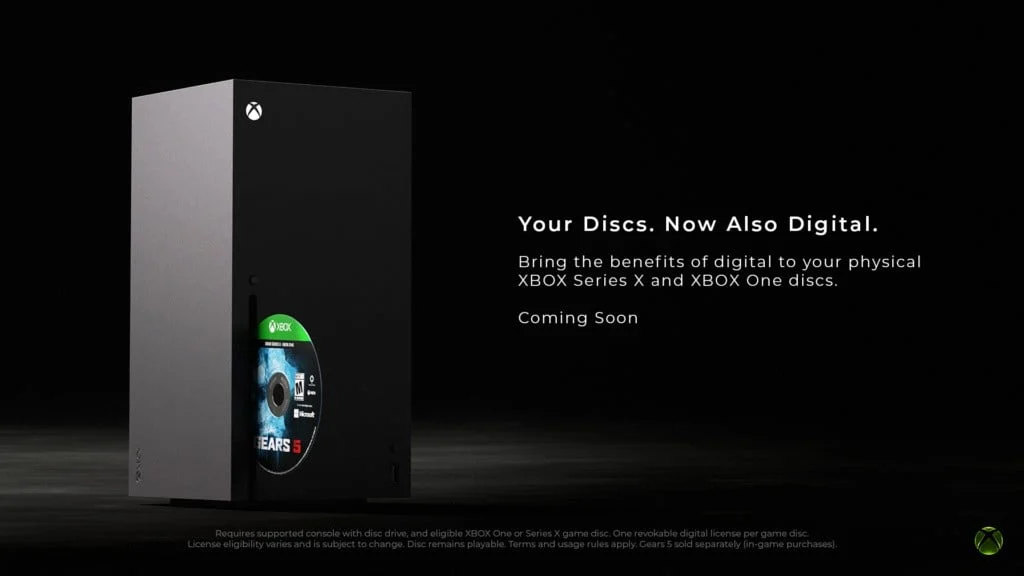
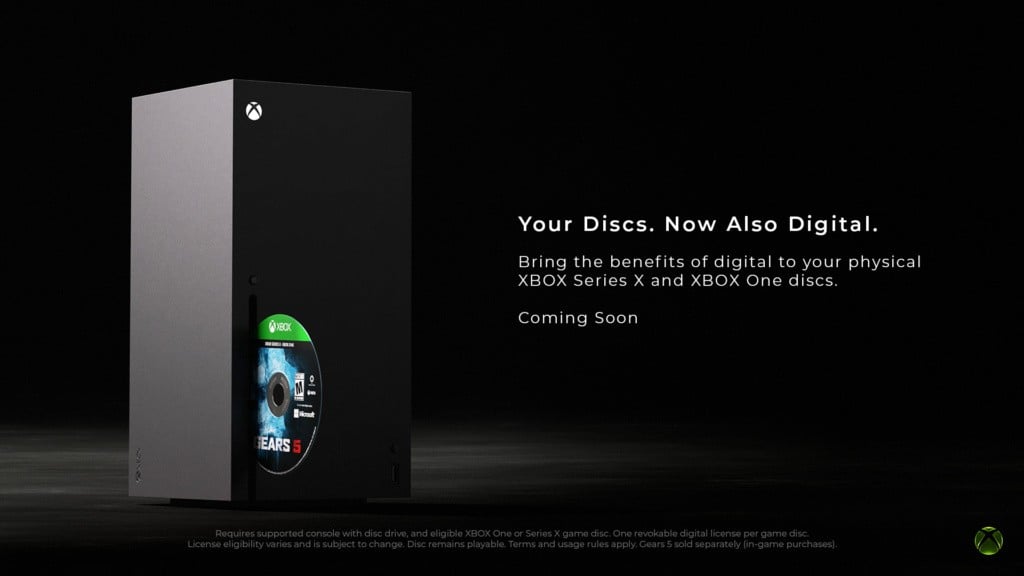
Microsoft has officially expanded its anticipated "Disc to Digital" feature to all tiers of the Xbox Insider program, signaling that a general public release is imminent. This transition marks a significant milestone in the company’s long-term strategy to bridge the gap between physical media ownership and the convenience of a digital-first ecosystem. The feature, which allows users to register their physical game discs to receive a digital entitlement, aims to solve a long-standing friction point for console owners who have transitioned to digital-only hardware, such as the Xbox Series S or the recently announced all-digital Xbox Series X models.
The expansion to the Omega and Delta rings of the Insider program follows a successful limited trial in the Alpha and Alpha Skip-Ahead tiers. By opening the service to a broader pool of testers, Microsoft is gathering critical data on server stability, license verification processes, and publisher-specific compatibility. While the feature offers a streamlined path for gamers to modernize their libraries, its current iteration reveals a complex landscape of industry partnerships and technical limitations that will define the user experience at launch.
Historical Context and the Evolution of Xbox Licensing
The concept of converting physical media into digital licenses is not entirely new to the Xbox brand, though its path to implementation has been fraught with industry shifts. In 2013, during the initial reveal of the Xbox One, Microsoft proposed a system where physical discs would be tied to a user’s account, allowing for disc-free play. However, due to significant consumer pushback regarding "always-online" requirements and perceived restrictions on the used game market, the company pivoted back to a traditional disc-based authentication model.
Over a decade later, the market environment has shifted dramatically. Industry reports from 2023 and 2024 indicate that digital software sales now account for approximately 80% to 90% of total game purchases for major AAA publishers. This trend has been accelerated by the proliferation of subscription services like Xbox Game Pass and the hardware shift toward disc-less consoles. The "Disc to Digital" program represents Microsoft’s attempt to reconcile its legacy of physical media with a future where the disc drive is no longer a standard component of gaming hardware.
Technical Mechanics and Feature Compatibility
The primary utility of the Disc to Digital service is the conversion of physical Xbox One and Xbox Series X software into digital licenses. Once a disc is verified through a compatible Xbox console with a disc drive, the user is granted a digital entitlement that allows the game to be downloaded and played without the physical media present.
One of the most notable technical advantages of this conversion is the integration with the "Xbox Play Anywhere" initiative. For applicable titles, converting a disc to digital grants the user access to the game on Windows PC at no additional cost, a benefit previously reserved exclusively for digital storefront purchases. Furthermore, the conversion unlocks Xbox Cloud Gaming (xCloud) support for supported titles, enabling users to stream their previously disc-bound games to mobile devices, tablets, and web browsers.
A critical component of this rollout is the confirmation of offline functionality. Microsoft has clarified that once a game is converted and downloaded, it can be played without an active internet connection, provided the console is designated as the user’s "Home Xbox." This address concerns regarding digital rights management (DRM) and ensures that players retain access to their libraries during network outages. However, the program is strictly limited to Xbox One and Xbox Series X titles. Legacy software from the original Xbox and Xbox 360 eras is currently excluded from the program, likely due to the complexities of licensing agreements and the technical nuances of the backward compatibility layer for older media.
Publisher Participation and Content Gaps
Despite the technical success of the Insider rollout, the program’s utility is currently dictated by publisher participation. Data from the initial testing phase indicates that Microsoft’s first-party titles and several key partners are fully integrated. However, several high-profile third-party publishers have yet to opt into the service.
Currently, titles from SEGA, Square Enix, and Ubisoft appear to be absent from the Disc to Digital compatibility list. This means that popular franchises such as Assassin’s Creed, Final Fantasy, and Yakuza/Like a Dragon cannot yet be converted, even if the user owns the physical disc. While Microsoft has not issued an official statement regarding specific publisher negotiations, industry analysts suggest that these omissions may be due to ongoing discussions regarding revenue sharing, digital royalties, and the prevention of secondary market exploitation.
Conversely, a wide array of titles has been confirmed as compatible. High-profile releases such as Rockstar Games’ Red Dead Redemption 2 are reportedly supported, alongside various entries in the LEGO franchise and Telltale Games’ The Walking Dead: The Definitive Series. Even older titles with complex peripheral requirements, such as Disney Infinity 3.0, have been identified in the compatibility database, suggesting that Microsoft is aiming for a broad spectrum of support across different genres and eras of the Xbox One generation.
Market Implications and the Secondary Media Economy
The introduction of Disc to Digital carries significant implications for the secondary video game market. Under the current rules of the program, a disc does not lose its functionality after the digital entitlement is claimed. This creates a unique scenario where a single physical copy could theoretically provide both a digital license for one user and a playable disc for another.
To mitigate potential abuse, Microsoft has implemented a verification system that requires the physical disc to be present in a console for the initial conversion. However, the long-term sustainability of this model depends on how the company manages the "transfer of ownership." If a converted disc is sold to a third party, the digital entitlement’s status remains a point of scrutiny for digital rights advocates.
For retailers like GameStop and independent game shops, this feature could lead to a surge in the trade-in value of Xbox One titles, as users look to "buy, convert, and sell." Alternatively, it could further devalue physical media if the convenience of digital licenses leads more consumers to abandon physical collecting entirely.

Strategic Impact on Hardware Cycles
From a hardware perspective, the Disc to Digital program serves as a bridge for the mid-generation refresh of the Xbox Series consoles. With the recent launch of the 1TB Xbox Series S in "Carbon Black" and the announcement of a disc-less 2TB Xbox Series X, Microsoft is moving toward a future where the disc drive is an optional peripheral rather than a core feature.
By providing a path for physical owners to migrate their libraries, Microsoft reduces the "switching cost" for consumers who might otherwise be hesitant to purchase a digital-only console. This strategy is essential for maintaining ecosystem loyalty, as it ensures that a player’s physical investment over the last decade remains relevant in a hardware environment that increasingly lacks the physical means to read those discs.
Timeline Toward Public Release
The progression through the Xbox Insider rings suggests that Microsoft is nearing the final stages of quality assurance. The chronology of the rollout is as follows:
- Early August 2026: Initial reveal and limited testing in the Alpha Skip-Ahead ring.
- Mid-August 2026: Expansion to the Alpha ring and initial feedback collection on UI/UX integration.
- Late August 2026: Broadening of the program to Beta, Delta, and Omega rings, encompassing the majority of the Insider population.
- Projected Late 2026: Anticipated full public rollout via a system software update.
As the program moves toward a general release, Microsoft is expected to provide a more comprehensive list of participating publishers and a finalized set of terms and conditions. The success of the program will largely depend on whether the company can convince major third-party holdouts to join the ecosystem, ensuring that the "Disc to Digital" promise covers the vast majority of a player’s library rather than just a curated selection of titles.
For now, the expansion to all Insider rings serves as a final "stress test" for a feature that has been over a decade in the making. It represents a pragmatic evolution of Microsoft’s digital strategy—one that acknowledges the importance of physical history while firmly embracing a cloud-integrated, digital future. As the gaming industry continues to move away from plastic discs, the ability to carry those experiences forward into the digital realm will likely become a standard expectation for console ecosystems across the board.