


In an era marked by escalating global food prices and broader inflationary pressures, household budgets are under increasing strain. Discretionary spending, including entertainment like video games, often becomes the first area where consumers seek to economize. While the allure of new releases remains strong, the rising cost of titles – often exceeding $70-$80 USD for standard editions – makes thoughtful acquisition strategies more critical than ever. This article delves into a comprehensive array of often-overlooked and highly effective methods for gamers to enjoy their passion without breaking the bank, offering practical advice and insights into the evolving landscape of video game consumption.
The shift in the gaming industry from predominantly physical media to a digital-first approach, coupled with the increasing complexity and development costs of modern AAA titles, has naturally driven up prices. However, this evolution has also paved the way for innovative and traditional avenues alike that allow players to access a vast library of games at a fraction of the retail cost. Understanding these options is key to maintaining an active gaming lifestyle while responsibly managing finances.
Harnessing the Power of Public Libraries
One of the most surprising, yet incredibly effective, resources for cost-conscious gamers is the local public library. Far from being solely repositories of books, many modern library systems have expanded their collections to include a wide array of media, prominently featuring video games. This service, often available with a standard library card, allows patrons to rent games for free, mirroring the model used for books and movies.
The history of libraries lending non-book media dates back decades, evolving from vinyl records and VHS tapes to DVDs, CDs, and eventually, video games. Libraries often acquire popular titles for various platforms, though the selection might lean towards established franchises and slightly older releases rather than day-one blockbusters. For instance, the Edmonton Public Library (EPL) in Canada, as highlighted by one user, offers a robust collection, enabling access to titles from series like Resident Evil and Fire Emblem. While there might be a waiting period of a few weeks or a month for newer additions, this free access provides an unparalleled opportunity to catch up on acclaimed games or explore new genres without any financial outlay.
The benefits extend beyond mere cost savings. Libraries serve as vital community hubs, fostering accessibility and promoting cultural enrichment. By offering video games, they cater to a broader demographic, encouraging engagement and providing a platform for discovery. According to a 2019 report by the American Library Association, over 70% of public libraries in the U.S. offer video games, indicating a widespread adoption of this valuable service. This method is particularly beneficial for players who enjoy single-player experiences or those willing to wait a short period for popular titles to become available.
Navigating the Digital Realm: Deal Aggregators and Community Forums
The internet has revolutionized how consumers find discounts, and the video game industry is no exception. Dedicated deal-searching websites and community-driven forums have become indispensable tools for uncovering the best prices on new and pre-owned games, digital downloads, and hardware. These platforms thrive on collective intelligence, with users actively sharing and verifying deals from various retailers worldwide.
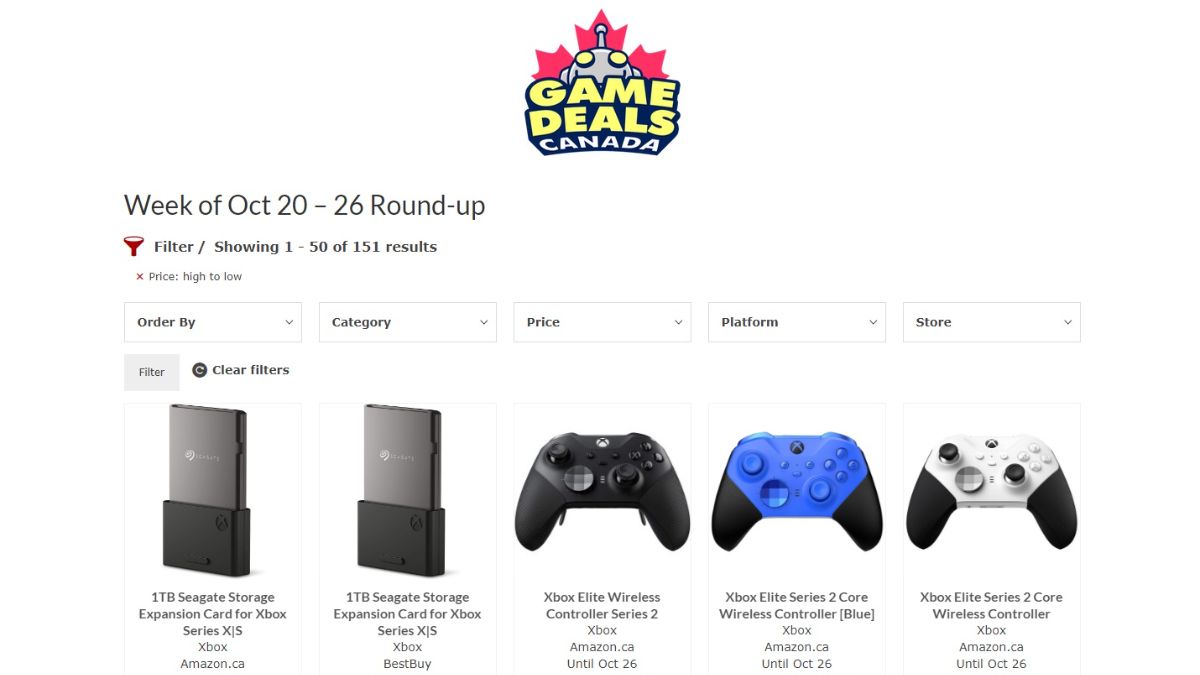
Websites like Cheap Ass Gamer and Game Deals Canada specialize in compiling and curating video game discounts. They track sales across major digital storefronts (Steam, PlayStation Store, Xbox Store, Nintendo eShop) and physical retailers (Amazon, Best Buy, Walmart, GameStop). These sites are particularly valuable during major sales events such as Black Friday, Cyber Monday, and seasonal promotions like the Steam Summer Sale or holiday sales, where discounts can reach up to 75% or even 90% off retail prices. Users can often set up alerts for specific games or platforms, ensuring they are notified as soon as a desired title goes on sale.
Beyond dedicated deal sites, online communities on platforms like Reddit play a crucial role. Subreddits such as r/GameDeals and r/NintendoSwitchDeals are vibrant communities where users post, discuss, and evaluate sales in real-time. This communal effort ensures that a wide array of deals, including obscure ones or regional promotions, are brought to light. The strength of these communities lies in their active user base, which can quickly identify fake deals, highlight regional restrictions, or provide valuable insights into a game’s quality before purchase. According to data from Reddit, r/GameDeals alone boasts over 1.7 million subscribers, underscoring the significant demand for such information. This collective approach empowers consumers to make informed purchasing decisions, often leading to substantial savings.
The Thriving Second-Hand Market: Facebook Marketplace and Beyond
For those who prefer physical copies of games, the second-hand market offers significant savings compared to buying new. Platforms like Facebook Marketplace have emerged as powerful tools for connecting individual sellers with local buyers, often resulting in prices considerably lower than those found in traditional retail stores or even pre-owned sections of game retailers.
The appeal of Facebook Marketplace lies in its direct seller-to-buyer model, eliminating intermediary markups. Gamers can often find relatively new releases at reduced prices just a few months post-launch. For example, titles like Final Fantasy XVI and Armored Core VI: Fires of Rubicon, which retail for full price, can be found for around $60 CAD ($45 USD) from private sellers. The key is speed and diligence; popular games at good prices tend to sell quickly. This method also allows for local pickup, avoiding shipping costs and providing an opportunity to inspect the item before purchase. However, it also carries inherent risks, such as the potential for scams or misrepresentation, making careful communication and meeting in public places advisable.

Beyond online marketplaces, traditional avenues like pawn shops and thrift stores continue to be treasure troves for gamers. Pawn shops, in particular, often stock modern titles, as individuals frequently sell games for quick cash. The prices are typically negotiable and significantly lower than new retail. A prime example is finding a popular Nintendo Switch title like Mario Tennis Aces, which often holds its value, for $35 CAD ($25 USD) at a pawn shop. Thrift stores, while more of a lottery, can yield surprising retro finds, including rare and valuable PS2 games or other vintage console titles. The variability of stock means consistent checking is often rewarded with unexpected gems. These physical second-hand outlets offer a nostalgic "hunt" for many gamers, adding an element of discovery to the savings.
Unlocking Value with Game Bundles
For PC gamers, game bundles represent an exceptionally cost-effective way to expand their libraries. Retailers like Humble Bundle and Fanatical have perfected the art of packaging multiple games together, offering them at deeply discounted prices, often for a limited time. This model benefits both consumers and developers: consumers get a great deal, developers gain exposure and sales for their back catalog, and often, a portion of the proceeds goes to charity.
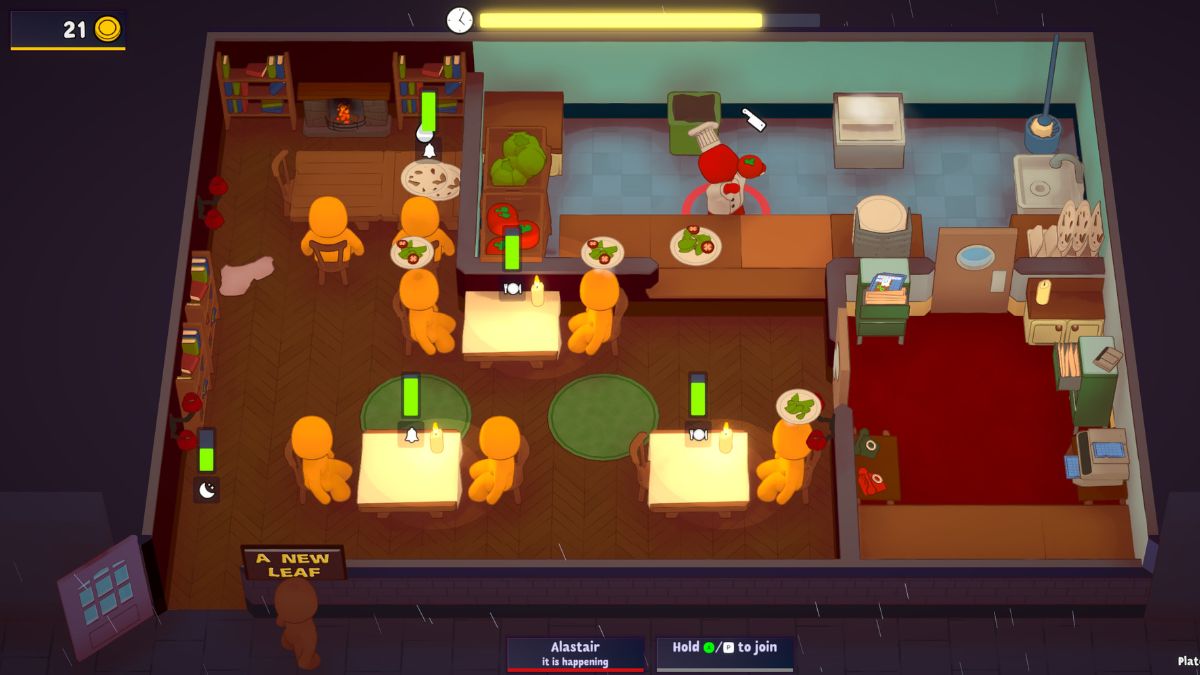
Humble Bundle is renowned for its "pay what you want" model, typically offering tiers of games where paying more unlocks additional titles and contributes to a chosen charitable cause. For instance, the "Laugh Till You Die: Multiplayer Mayhem" charity bundle in October 2023 included seven popular games like PlateUp! and Ultimate Chicken Horse for approximately $10 USD. Considering PlateUp! alone usually costs $19.99 USD, the value proposition is immense. This model allows gamers to acquire several high-quality titles for less than the price of a single new game. Since its inception, Humble Bundle has raised over $250 million for various charities, demonstrating a powerful blend of commerce and philanthropy.
Fanatical offers a similar service, with a focus on curated bundles and "build your own bundle" options. The latter allows customers to select a set number of games from a predefined list, tailoring the bundle to their preferences. For example, the "Build Your Own Play As You Go Premium Edition" bundle in October featured titles like Wolfenstein 2: The New Colossus, Doom, The Walking Dead: The TellTale Series The Final Season, and The Ascent. Purchasing three games might cost around $10, while seven could be $20, offering substantial savings on titles that would individually cost much more. These bundles are a fantastic way to discover new indie games, catch up on critically acclaimed titles, or simply add variety to one’s gaming collection at minimal expense.
The Power of Lending: Friends and Family
Sometimes, the simplest solutions are the most effective. Asking a friend to lend a game is perhaps the most direct and zero-cost method of experiencing a new title. In an age where digital purchases are dominant, the tradition of lending physical games remains a viable option for many. If a friend has finished Call of Duty: Modern Warfare 3 and has moved on to Diablo 4, a polite request to borrow their copy could grant you access to the game for free.
This method, while straightforward, relies on mutual trust and responsibility. It’s crucial to establish a clear understanding regarding the game’s return date and condition. While physical game lending is easy, digital game sharing is more complex due to platform restrictions and account security protocols. Console features like "Home Xbox" or "Primary PS4/PS5" allow for some digital game sharing within a household or with a close friend, but these methods typically come with limitations and are not as universally applicable as lending a physical disc or cartridge. Despite these challenges, leveraging one’s social network for game access remains a time-honored tradition and an excellent way to save money.
Traditional Retail Strategies: Flyers and Deals Pages
Despite the rise of digital storefronts, traditional retail still plays a role in offering game discounts. Weekly flyers, particularly in regions like Canada where they remain prevalent, often feature surprising deals on video games and accessories. While American brands might have shifted more towards online-only promotions, the principle remains the same: retailers use sales to attract customers, clear inventory, and compete with rivals.
Savvy shoppers can consistently check the "deals" or "sales" sections of major retailers’ websites. For example, a quick check on Walmart’s video game deals page might reveal a Nintendo Switch title like Yoshi’s Crafted World discounted by $10 or The Legend of Zelda: Link’s Awakening by $20. These spontaneous sales can occur at any time, not just during major holiday events. The key is regular vigilance and comparison shopping across different retailers to ensure the best possible price. By staying informed about both physical and online sales, consumers can capitalize on fleeting opportunities to purchase games at reduced prices.
The Dominance of Subscription Services: Xbox Game Pass and PlayStation Plus Extra
In recent years, subscription services have fundamentally altered how many gamers access content, offering vast libraries of titles for a fixed monthly fee. Xbox Game Pass and PlayStation Plus Extra stand out as the two leading contenders, providing immense value that can significantly reduce individual game purchases.
Xbox Game Pass, often lauded as the "best deal in gaming," offers an extensive and rotating catalog of hundreds of games for less than $20 a month. Its primary appeal lies in its commitment to day-one releases, where brand-new first-party Xbox titles, and increasingly, major third-party games like Starfield and Lies of P, launch directly into the service. This means subscribers can play highly anticipated games without paying the full retail price. The service also includes the entirety of iconic franchises like Halo and Gears of War, alongside a diverse selection of indie darlings such as Celeste and Inside, and family-friendly titles like Disney Dreamlight Valley. With its integration across PC, console, and cloud gaming, Game Pass offers unparalleled flexibility and access. Microsoft’s strategy with Game Pass is a long-term play, aiming to build a vast ecosystem of engaged subscribers, and it has already surpassed 30 million subscribers as of late 2023.
PlayStation Plus Extra, while structured differently, also provides an impressive suite of titles. For a comparable monthly fee, subscribers gain access to a curated catalog of hundreds of PS4 and PS5 games, including critically acclaimed first-party exclusives like Ratchet & Clank: Rift Apart, Demon’s Souls (PS5), and Marvel’s Spider-Man: Miles Morales. While it doesn’t typically feature day-one releases for major new PlayStation exclusives, it offers an excellent opportunity for players to catch up on titles they might have missed, such as NieR Replicant. PlayStation Plus Extra allows players to explore a rich history of PlayStation gaming, making it a compelling option for those who want to broaden their horizons without significant upfront costs for individual games. Both services represent a significant shift in consumer behavior, moving from ownership to access, and offering an incredibly cost-effective way to experience a vast array of high-quality games.
Earning Rewards: Loyalty Programs and Browser Benefits
Beyond direct discounts and subscription models, several platforms offer loyalty programs that reward consistent engagement with points redeemable for games or gift cards, subtly chipping away at the cost of gaming.
Microsoft Rewards, powered by Bing, is a prime example of a program that turns everyday online activity into tangible savings. By simply using Bing for searches instead of Google, participating in daily quizzes, and completing small tasks, users accumulate points. These points can then be redeemed for various rewards, most notably Xbox gift cards. A dedicated user can realistically earn enough points for a $5 gift card code every month or two, which accumulates to $50 or more annually. This seemingly minor effort can significantly offset the cost of digital games, DLC, or even contribute towards a Game Pass subscription. The program also extends to in-game currency for popular titles like Overwatch or League of Legends, appealing to a broad spectrum of gamers. It transforms passive web browsing into an active saving strategy.
PlayStation Stars, Sony’s loyalty program, rewards players for their purchases and engagement within the PlayStation ecosystem. Members earn points back on PlayStation Store purchases and by completing specific "campaigns" on the PlayStation App, such as playing certain titles from the PlayStation Plus lineup or checking out new releases. These points can then be redeemed for digital gift cards to use on the PlayStation Store or even for specific full games like Cuphead. This incentivizes continued engagement with the platform, rewarding loyal customers with monetary value.
Nintendo also has its own loyalty program, My Nintendo, which offers "Gold Points" on digital purchases from the eShop. Typically, players receive around $4 back for every $80 game purchased, equating to a 5% return. While less generous in terms of task-based rewards compared to Microsoft Rewards or PlayStation Stars, these Gold Points can still be applied towards future eShop purchases, providing a small but consistent discount for dedicated Nintendo fans. These loyalty programs, though varying in their generosity and complexity, represent an additional layer of savings for informed gamers.
Broader Implications and the Future of Frugal Gaming

The collective rise of these cost-saving strategies reflects a broader shift in consumer behavior and industry trends. As game development costs soar and inflation impacts disposable income, gamers are becoming more discerning and resourceful. The emphasis is moving from immediate ownership of every new release to strategic acquisition and access.
The proliferation of subscription services, in particular, has sparked debates about the future of traditional game sales and game ownership. While these services offer unparalleled value, they also raise questions about game preservation, developer compensation, and the long-term sustainability of such models. However, for the consumer, they currently present an undeniable economic advantage.
The continued strength of the second-hand market and the enduring appeal of game bundles demonstrate a healthy ecosystem where various acquisition methods coexist. These strategies not only empower consumers but also encourage game publishers and developers to innovate in their pricing and distribution models, ensuring their products remain accessible to a wider audience.
Ultimately, being a savvy gamer in today’s economic climate means being informed, patient, and willing to explore multiple avenues for acquiring games. By leveraging libraries, deal sites, second-hand markets, bundles, lending, retail promotions, and loyalty programs, players can continue to enjoy their passion for gaming without succumbing to the pressures of rising costs, ensuring that their entertainment budget stretches further than ever before.