


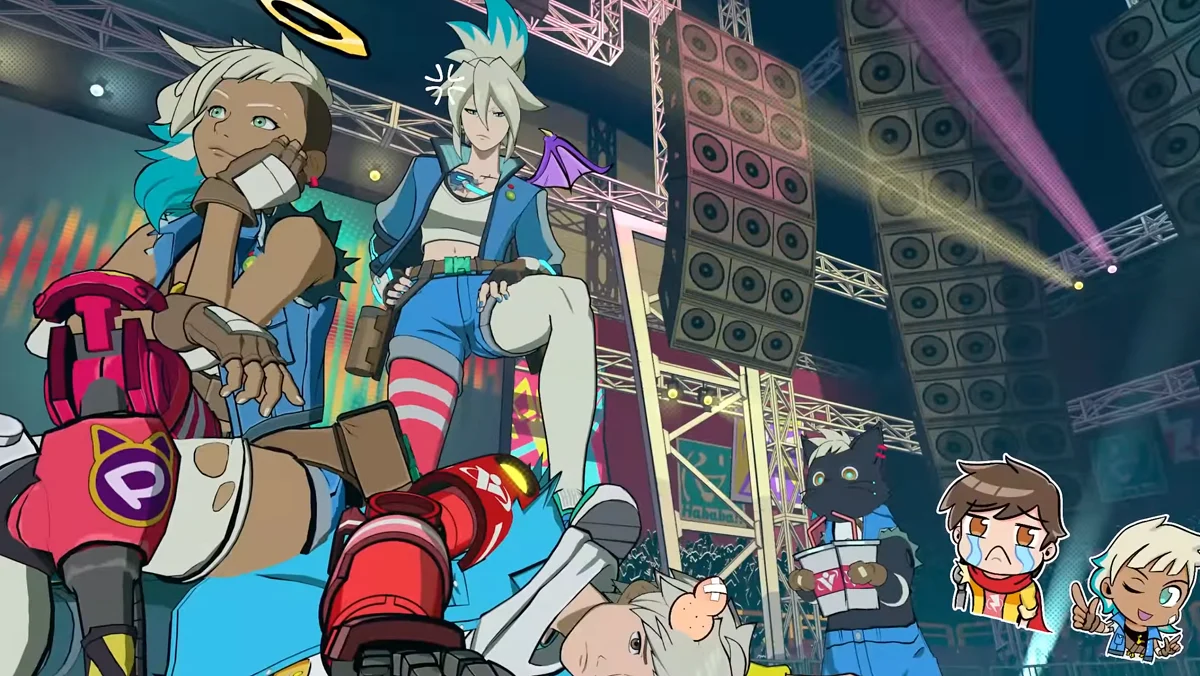
This morning, Microsoft confirmed the immediate closure of four of its Xbox game studios: Arkane Austin, Tango Gameworks, Alpha Dog Games, and Roundhouse Studios. The announcement, delivered via internal email and subsequently verified by multiple industry outlets, marks another significant wave of cuts within the video game industry, leaving a considerable number of talented individuals without employment and raising critical questions about the strategic direction of Xbox Game Studios.
Studio Closures and Staff Realignments
Arkane Austin, the studio behind the critically divisive vampire shooter Redfall, and Tango Gameworks, celebrated for the surprise hit Hi-Fi Rush, will cease operations entirely. Alpha Dog Games, known for the mobile title Wraith: The Oblivion – Afterlife, also faces closure. Roundhouse Studios, which was formed from the remnants of Prey developer Human Head Studios, will be absorbed into ZeniMax Online Studios to bolster development efforts on ongoing projects, primarily The Elder Scrolls Online.
The news was disseminated through an email from Matt Booty, Head of Xbox Game Studios, to his teams. While specific numbers regarding the affected employees have not yet been released by Microsoft for these particular closures, this action follows a broader pattern of significant workforce reductions within the company. Earlier in 2024, Microsoft confirmed the layoff of approximately 1,900 employees across its Xbox division and the recently acquired Activision Blizzard.
Microsoft has declined to comment directly on the specific reports of these studio closures. However, social media has become a platform for employees and industry observers to express their dismay and frustration. The abrupt nature of these closures, particularly for studios with recent critically acclaimed releases or established legacies, has ignited widespread concern.
A Troubled Landscape: Industry-Wide Cutbacks
The current situation within Microsoft’s gaming division is not an isolated incident but rather a stark reflection of a broader trend impacting the global video game industry. Throughout 2023 and into 2024, numerous major publishers and developers have implemented mass layoffs and shuttered studios.
Embracer Group, a Swedish holding company that had aggressively acquired numerous game studios in previous years, has undergone a significant restructuring. This has involved selling off studios, divesting assets, and significant workforce reductions, as evidenced by the closure of Volition Games, the studio behind the Saints Row franchise, and the departure of Saber Interactive, the developer of the Star Wars: Knights of the Old Republic remake.
These industry-wide pressures have created an environment of uncertainty for developers, with many experiencing job insecurity and a general sense of unease about career longevity. The consolidation and restructuring occurring across the sector suggest a recalibration of business models and a heightened focus on profitability in a market that, while large, is facing challenges in sustained growth.
Analysis of Studio Performance and Xbox’s Stated Strategy
The decision to close Arkane Austin and Tango Gameworks has drawn particular scrutiny due to the recent performance and critical reception of their respective flagship titles.
Arkane Austin and Redfall
Redfall, released in May 2023, faced a lukewarm critical reception and failed to meet commercial expectations. The game was plagued by technical issues, a lack of polish, and gameplay that did not resonate with critics or a significant portion of the player base. Despite promises of ongoing support and updates, including a planned 60fps patch, Microsoft’s decision to shutter the studio indicates a strategic pivot away from the title. While Redfall will remain playable online, it will no longer receive new content updates. A "make-good" gesture is reportedly being offered to players who purchased the premium DLC pass for the game.
This closure stands in contrast to earlier statements from Xbox leadership. In May 2023, Phil Spencer, Head of Xbox, emphasized commitment to supporting games and studios, even in the face of initial criticism. In an interview with Kinda Funny, Spencer stated, "In terms of our commitment to the game… absolutely, the team at Arkane is taking the near-term feedback. We’re still working on the 60fps update. We have a good timeline for that, we’re committed to getting that done. And we’re going to continue to work the game." He further drew parallels to games like Sea of Thieves and Grounded, highlighting a strategy of continued development and support. The closure of Arkane Austin appears to contradict this previously articulated approach, raising questions about the long-term viability of titles that do not immediately achieve blockbuster status.
Furthermore, Arkane Austin has a notable history of critically acclaimed titles, including the original Dishonored (2012) and Prey (2017), both of which were highly regarded for their innovative gameplay and immersive worlds. The closure of such a studio, with a proven track record of producing high-quality, albeit sometimes niche, experiences, raises concerns about Xbox’s appetite for creative risk.
Tango Gameworks and Hi-Fi Rush
The closure of Tango Gameworks is particularly perplexing given the overwhelming critical acclaim and positive player reception of Hi-Fi Rush. Launched in January 2023 as a surprise shadow drop, the rhythm-action game was lauded for its vibrant art style, inventive gameplay mechanics, and infectious energy. It was widely seen as a much-needed success for Xbox Game Pass and a breath of fresh air for the platform. The studio was even recognized with a BAFTA award for its achievements shortly before the closure announcement.
Reports suggesting that Hi-Fi Rush underperformed commercially were publicly refuted by Aaron Greenberg, Xbox’s VP of Games Marketing. Greenberg stated, "[Hi-Fi Rush] was a break out hit for us and our players in all key measurements and expectations. We couldn’t be happier with what the team at Tango Gameworks delivered with this surprise release." This statement directly contradicts the rationale for the studio’s closure, creating confusion and disappointment among fans and industry observers.
Adding to the perplexity, Hi-Fi Rush was recently announced to be heading to other platforms, including PlayStation 5, in March 2024. This expansion to new markets typically signifies confidence in a game’s enduring appeal and potential for further revenue generation. The decision to close the studio responsible for such a successful and well-loved title, especially one poised for broader platform reach, is difficult to reconcile.
Matt Booty’s Internal Communication and Strategic Rationale
In his internal email, Matt Booty cited a strategic reprioritization as the primary driver for these closures. He stated, "These changes are grounded in prioritizing high-impact titles and further investing in Bethesda’s portfolio of blockbuster games and beloved worlds which you have nurtured over many decades. To double down on these franchises and invest to build new ones requires us to look across the business to identify the opportunities that are best positioned for success. This reprioritization of titles and resources means a few teams will be realigned to others and that some of our colleagues will be leaving us."
This rationale suggests a strategic shift towards consolidating resources and focusing on established, high-revenue-generating intellectual properties within the Bethesda portfolio. This may include a renewed emphasis on franchises like The Elder Scrolls, Fallout, and potentially future iterations of Doom and Wolfenstein. The absorption of Roundhouse Studios into ZeniMax Online Studios directly supports this strategy, indicating a desire to bolster live-service titles and expand existing universes.
Financial Context: Profitability Amidst Layoffs
The current wave of studio closures and layoffs occurs against a backdrop of significant financial success for Microsoft. In the first quarter of fiscal year 2024 (ending March 31, 2024), Microsoft reported robust earnings. The company announced a record-breaking market capitalization, becoming the second company in history to surpass $3 trillion.
For the quarter, Microsoft’s overall revenue saw a substantial increase of 17% year-over-year, reaching $61.9 billion. Net income rose by 20% to $21.9 billion. Within the Xbox ecosystem, content and services revenue increased by an impressive 62%, largely attributed to the impact of the Activision Blizzard acquisition. This financial performance paints a picture of a highly profitable and growing enterprise, making the widespread layoffs and studio closures appear even more stark to many observers.
The contrast between Microsoft’s immense financial success and the workforce reductions within its gaming division has led to criticism and calls for greater transparency regarding the metrics used to justify these decisions. The opaque nature of "success" in the gaming industry, particularly in a market with evolving business models and consumer expectations, remains a significant point of contention.
The Human Cost and Industry Uncertainty
The repercussions of these closures extend far beyond corporate balance sheets. The displaced employees represent a significant loss of talent and experience within the industry. Many of these individuals have dedicated years, if not decades, to their craft, contributing to the creation of beloved games and innovative experiences.
Phil Spencer himself has previously voiced concerns about the human impact of industry layoffs. In a March interview with Polygon, he stated, "I reflect on friends of mine in the industry that have been displaced and lost their jobs and how just, I don’t want this industry to be a place where people can’t, with confidence, build a career." This sentiment, while perhaps well-intentioned, rings hollow for many in the wake of these recent events.
The current industry climate has been described by some as a period of survival. Reports indicate that talent is already beginning to leave the video game sector, exacerbated by factors such as return-to-office mandates that often precede layoffs. The difficulty in finding new employment, coupled with the reported decrease in publishing funding for independent developers, paints a challenging future for many game creators.
The tension between the need for financial "fuel" to sustain game development and the inherent passion and artistic drive of creators was recently articulated by Larian Studios CEO Swen Vincke. He noted, "They don’t care that much about the money made beyond it being the fuel they need to create new and better games. It’s worth reminding everyone that fuel is but a means, not a goal. Whereto and how we journey are what matter and what we remember." This perspective underscores a fundamental question about the industry’s current direction: is the pursuit of profit overshadowing the creation of meaningful and innovative interactive experiences?
Looking Ahead: Xbox Games Showcase and Unanswered Questions
Xbox is slated to host its annual Xbox Games Showcase in June as part of the Summer Game Fest. The event typically serves as a platform to unveil upcoming titles and provide updates on the company’s gaming strategy. The tenor of this year’s showcase, and whether it will directly address the recent studio closures and their implications, remains to be seen.
Many in the industry are watching closely, hoping for clarity on Xbox’s long-term vision and a more transparent accounting of the decisions that have led to the displacement of so many talented individuals. The question of accountability and the reasons behind these strategic shifts, particularly when they appear to contradict prior statements and the success of certain titles, is one that demands a public and on-the-record response from Xbox leadership. The human cost of these business decisions is undeniable, and the industry’s ability to foster sustainable careers for its creators hangs in the balance.