


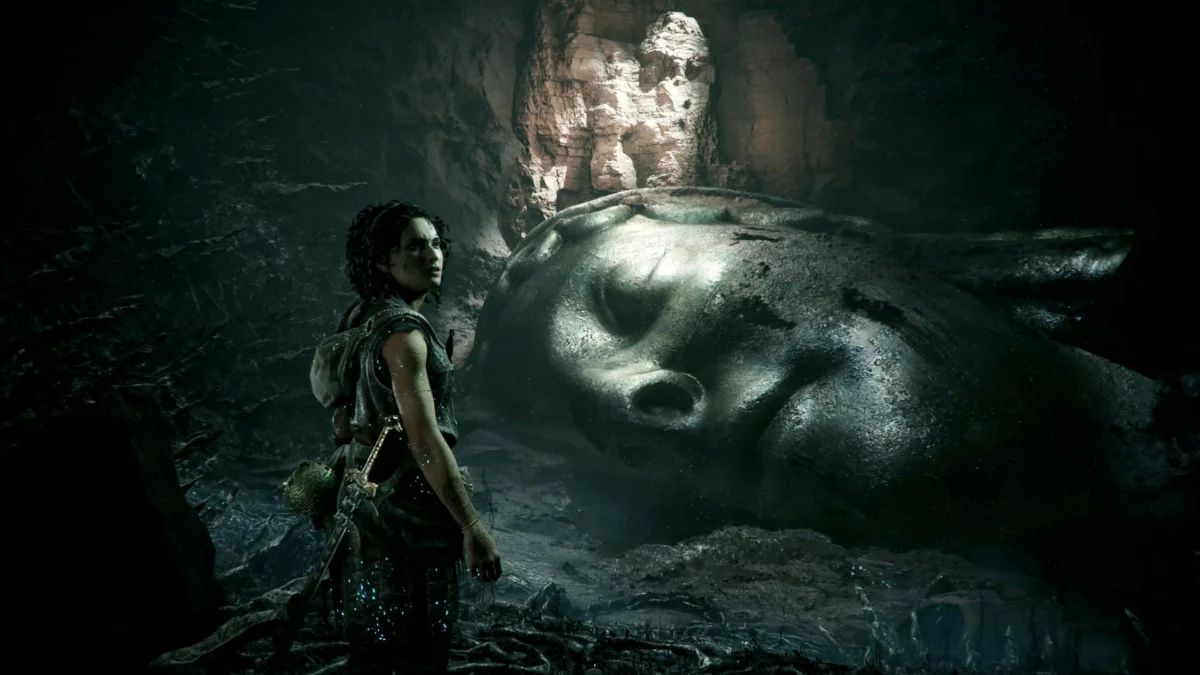
The addition of Resonance: A Plague Tale Legacy to the Xbox Game Pass Ultimate and PC Game Pass libraries marks a significant milestone for the subscription service, providing subscribers with immediate access to one of the year’s most anticipated narrative-driven titles. Following its launch approximately 24 hours ago, the game has already begun to generate substantial discourse within the gaming community, serving as a prequel to the established narrative arc found in A Plague Tale: Innocence and A Plague Tale: Requiem. Developed by Asobo Studio, the title seeks to bridge the gap between historical fiction and supernatural horror, maintaining the series’ reputation for emotional storytelling and atmospheric world-building.
The release comes at a time when Microsoft is aggressively expanding its first-party and third-party partnerships to bolster the value proposition of Game Pass. Early critical assessments have been overwhelmingly positive, with major outlets such as Pure Xbox awarding the title a 9/10 "Excellent" rating. Critics have specifically highlighted the game’s refined mechanics and its ability to expand the lore of the "Macula"—the central supernatural affliction of the series—without sacrificing the grounded, human elements that defined the original games.
The Evolution of the A Plague Tale Franchise
The A Plague Tale series began in 2019 with the release of A Plague Tale: Innocence. Set in 14th-century France during the Hundred Years’ War and the height of the Black Death, the game followed siblings Amicia and Hugo de Rune as they fled from the French Inquisition and hordes of supernatural rats. The title was a sleeper hit, praised for its lighting, voice acting, and the innovative use of "rat swarms" as both a narrative threat and a puzzle mechanic.
In 2022, the sequel, A Plague Tale: Requiem, expanded the scope of the adventure, offering larger environments and more complex combat options. Requiem was a technical showcase for the Xbox Series X|S and high-end PCs, pushing the boundaries of on-screen character counts and environmental detail. Resonance: A Plague Tale Legacy functions as a foundational narrative, exploring the origins of the curse and the historical lineage of those who carried it before the de Rune family. By positioning this entry as a prequel, Asobo Studio has provided context for the events of the previous games while introducing new protagonists and settings that enrich the overall mythos.
Chronology of Major Releases and Milestones
To understand the impact of Resonance: A Plague Tale Legacy, it is essential to examine the timeline of the franchise’s development and its relationship with the Xbox ecosystem:
- May 2019: A Plague Tale: Innocence launches to critical acclaim. It serves as a breakout hit for Asobo Studio, eventually surpassing one million units sold within its first year.
- July 2021: A next-gen enhancement for Innocence is released, bringing 4K resolution and 60 FPS performance to Xbox Series X, further cementing its popularity on the platform.
- October 2022: A Plague Tale: Requiem launches as a day-one title on Xbox Game Pass. Within its first month, the game attracts over one million players, demonstrating the power of the subscription model for narrative-heavy AA titles.
- Current Window: Resonance: A Plague Tale Legacy arrives on Game Pass Ultimate and PC Game Pass. The title is positioned as a "Legacy" entry, focusing on the historical weight of the series’ central conflict.
This timeline illustrates a growing synergy between Asobo Studio and Microsoft’s gaming division. The inclusion of Resonance as a day-one addition suggests a continued commitment to providing high-quality, story-centric experiences that might otherwise face challenges in a traditional retail-only market dominated by live-service titles.
Technical Specifications and Gameplay Innovations
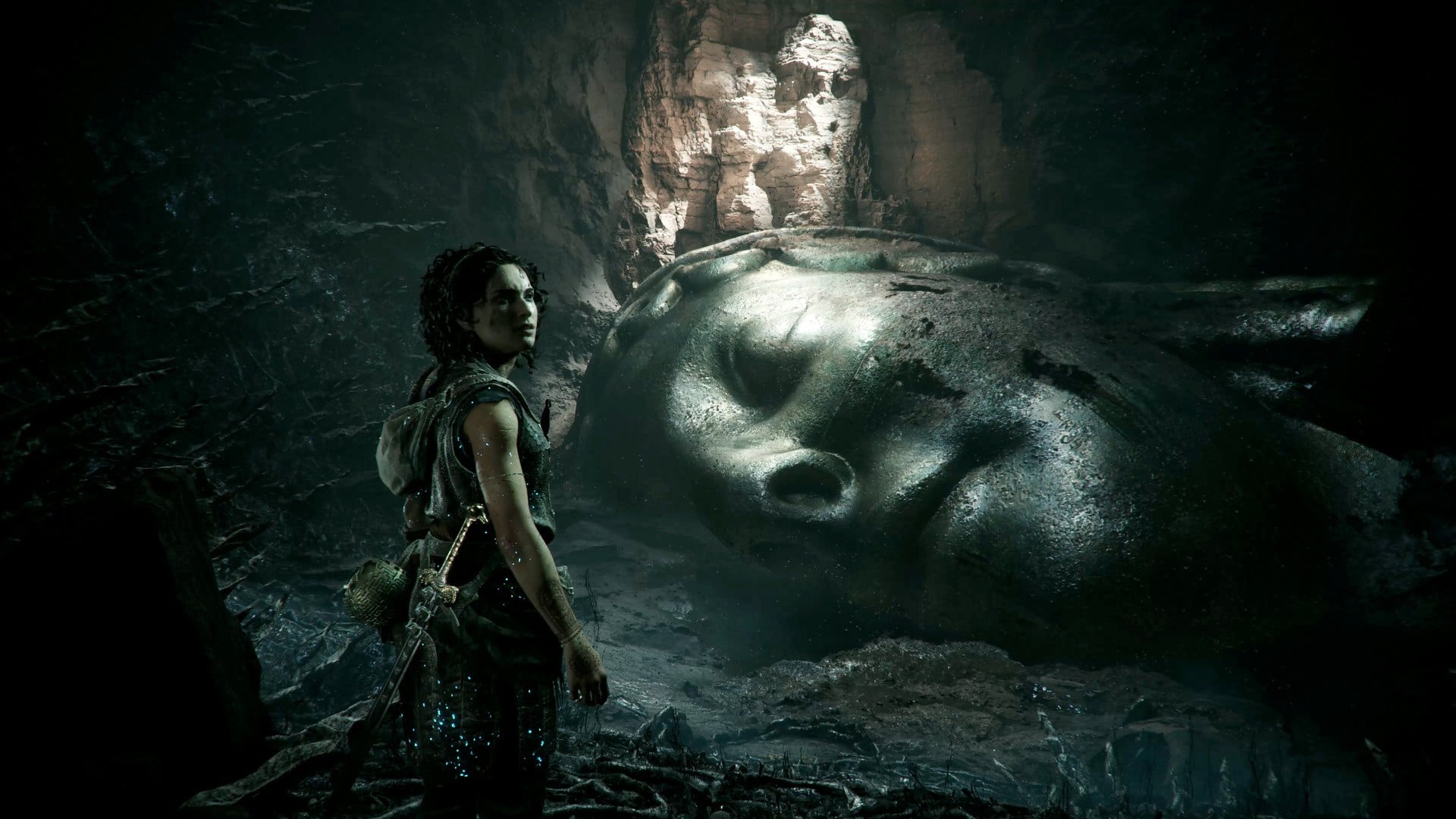
Resonance: A Plague Tale Legacy utilizes an evolved version of Asobo Studio’s proprietary engine, which has been optimized for the current generation of hardware. On the Xbox Series X, the game targets a native 4K resolution with sophisticated ray-tracing implementations that enhance the realism of light and shadow—crucial elements in a game where light serves as the primary defense against the plague-infested rats.
The gameplay loop retains the core stealth and puzzle-solving mechanics of its predecessors but introduces "Resonance" abilities. These allow players to interact with the environment and the rat swarms in ways that feel more proactive than the purely defensive strategies seen in Innocence. The AI for the rat swarms has been further refined, capable of navigating more complex terrain and reacting to dynamic lighting changes with greater fluidity.
According to technical reviews, the game leverages the high-speed NVMe SSDs found in modern consoles to virtually eliminate loading screens, creating a seamless cinematic experience. For PC players, the inclusion of NVIDIA DLSS 3.5 and AMD FSR 3 support ensures that a wide range of hardware configurations can achieve stable frame rates even during high-intensity sequences involving thousands of on-screen entities.
Market Analysis and the Game Pass Strategy
The strategic importance of Resonance: A Plague Tale Legacy on Xbox Game Pass cannot be overstated. Microsoft’s strategy revolves around "content beats"—consistent releases of high-quality games to prevent subscriber churn. By securing a title with the prestige of the A Plague Tale IP, Microsoft addresses a specific demographic of gamers who prioritize single-player, narrative-focused experiences.
Industry data suggests that titles included in Game Pass often see a significant "tail" in player engagement. For a prequel like Resonance, the subscription model provides a low-friction entry point for new players who may not have played the previous two games. Conversely, it rewards long-time fans who are already subscribed to the service. This "discovery engine" effect often leads to increased sales of DLC or previous entries in the franchise, as players seek to complete the entire story.
While Microsoft has not released specific internal metrics for the first 24 hours of Resonance, historical data for the franchise suggests a high conversion rate. Requiem saw a massive influx of players on day one, and Resonance is expected to follow a similar trajectory given the increased install base of the Xbox Series X|S and the growth of PC Game Pass.
Critical Reception and Community Impact
Early reviews have praised the game for its "confidence." The Pure Xbox review noted that the game takes the foundations laid by its predecessors and evolves the IP into a "fantastic action-adventure." While the review acknowledged that the story might be more predictable than the original mystery of Innocence, it emphasized that the emotional resonance remains the series’ strongest suit.

Community feedback has mirrored this sentiment. Initial polls and comment sections across gaming forums indicate that players are particularly impressed with the game’s atmosphere. The "Legacy" aspect of the title, which delves into the historical 6th-century Justinian Plague as a precursor to the 14th-century setting of the previous games, has been cited as a compelling narrative hook.
The game’s success also reflects the industry’s ongoing "AA" renaissance. Titles like A Plague Tale occupy a space between massive, hundred-million-dollar "AAA" blockbusters and smaller indie projects. These games often take more creative risks and focus on tighter, more polished experiences. The critical success of Resonance confirms that there is a significant market appetite for games that prioritize artistic vision and narrative cohesion over massive open worlds or endless monetization.
Official Responses and Future Outlook
While Asobo Studio has remained relatively quiet regarding future entries in the franchise, the launch of Resonance suggests that the A Plague Tale universe has significant room for expansion. Inferred statements from the development team during promotional cycles have emphasized their desire to explore different time periods and the cyclical nature of the Macula.
The partnership with Microsoft appears to be a cornerstone of the studio’s current business model. By leveraging the reach of Game Pass, Asobo can ensure their games reach a global audience of over 30 million subscribers. This stability allows the studio to maintain its independence while having the financial backing and platform support necessary to produce technically demanding titles.
Looking forward, the success of Resonance: A Plague Tale Legacy is likely to influence how other mid-sized studios approach franchise expansion. The "Legacy" model—using a prequel to flesh out a world while refining established mechanics—offers a sustainable path for growth without the risks associated with a direct, numbered sequel that must constantly "top" the stakes of its predecessor.
Conclusion and Implications for the Industry
Resonance: A Plague Tale Legacy stands as a testament to the power of narrative-driven gaming in a subscription-based landscape. It provides a blueprint for how developers can honor the history of a franchise while pushing technical and storytelling boundaries. For Xbox, the title is a crucial addition that reinforces the value of Game Pass for fans of the action-adventure genre.
As players continue to explore the dark, rat-infested corridors of this latest entry, the broader implications for the industry are clear: there is a profound and lasting demand for high-quality, single-player experiences. The positive reception of Resonance proves that when technical excellence meets emotional storytelling, the resulting "resonance" with the audience is both immediate and enduring. Whether this marks the end of the de Rune-related stories or the beginning of a much larger historical anthology remains to be seen, but for now, the legacy of A Plague Tale is more secure than ever.