



The race is on to secure vital Key Hashes before the digital clock runs out in Reflect Studios’ latest installment, Welcome to the Game 3 (WTTG3). This complex simulation plunges players into the shadowy depths of the Dark Net, where success hinges on mastering a delicate balance of resource management, strategic infiltration, and aggressive competition. Beyond the initial thrill of exploration, WTTG3 introduces a robust suite of new mechanics designed to test even the most seasoned cyber-survivors. This comprehensive guide unpacks the intricacies of farming essential DOS Coins, building a reputable standing within the digital underworld, the elusive pursuit of Key Hashes, and the high-stakes strategies required to outmaneuver and neutralize rival players.
Mastering the Digital Economy: DOS Coins and Their Significance
At the core of player progression in Welcome to the Game 3 lies the acquisition and strategic deployment of DOS Coins. This digital currency serves as the primary medium of exchange for critical Dark Net services and items, most notably through the "DarkDrop" marketplace. Its utility extends beyond mere transactions; DOS Coins are instrumental in directly disrupting the operations and progress of opposing players, injecting a layer of direct conflict into the game’s intricate web of digital interactions.

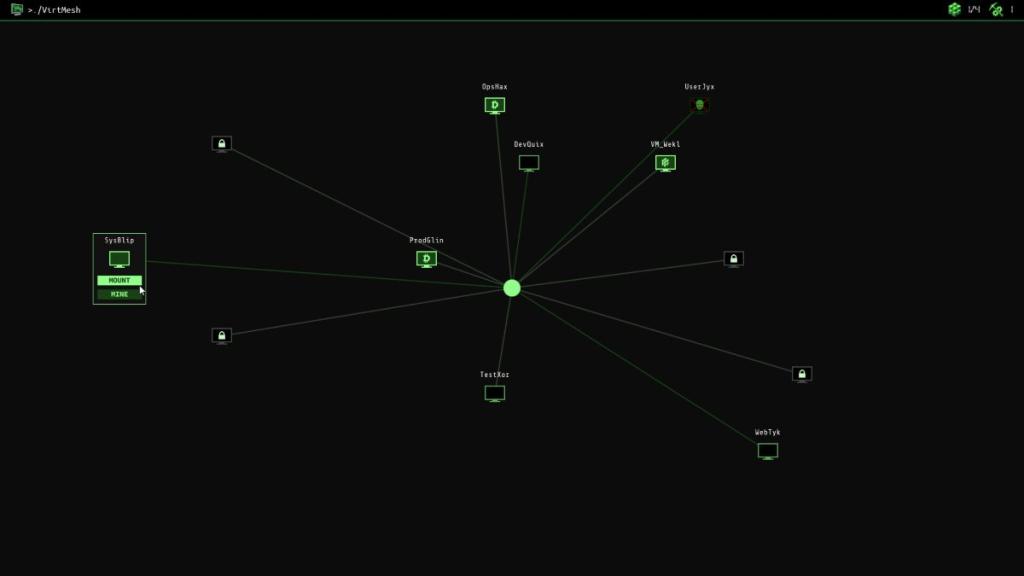
The primary conduit for accumulating DOS Coins is the VirtMesh application. Upon launching the game, players are immediately presented with VirtMesh, a system that allows for the "mounting" of remote computers for hacking or the direct "mining" of digital currency. However, the lucrative nature of these virtual assets is tempered by a crucial limitation: indefinite access to any single hijacked computer is not permitted. Reflect Studios has implemented a dynamic system where prolonged engagement with a particular machine, whether for mining or mounting, will eventually lead to a lockout. This necessitates a constant rotation between different virtual machines, forcing players to remain agile and adaptable in their resource acquisition strategies. This mechanic mirrors the ephemeral nature of real-world illicit digital activities, where sustained presence often attracts unwanted attention.
The process of hijacking these computers involves navigating the INJ3KT-R minigame. This grid-based challenge requires players to chart a path from point A to point B, adhering to a strict rule of alternating between light and dark tiles. A single misstep in this sequence results in the immediate closure of access to that specific computer, underscoring the need for precision and careful planning. Within the base VirtMesh network, players are advised to prioritize mining from NetVorn (yielding approximately 1.45 DOS Coins), UserJyx (approximately 1.80 DOS Coins), and WebTyk (approximately 1.84 DOS Coins). These initial targets offer a foundational income stream, allowing players to begin investing in more advanced tools and strategies. Beyond direct mining, DOS Coins can also be earned through the completion of various in-game requests, a mechanic that will be explored in greater detail later.
Fortifying Your Digital Assets: Protecting DOS Coins from Predators
The perilous environment of Welcome to the Game 3 is populated by entities eager to pilfer a player’s hard-earned DOS Coins. The primary threats come from two distinct sources: Lucas, an ever-present danger within the game’s narrative, and rival players who employ sophisticated hacking tactics. Lucas, in particular, poses a recurring threat, often attempting to extort DOS Coins during his visits to the player’s virtual motel. To mitigate this risk, players can employ a simple yet effective strategy: powering down their computer upon detecting Lucas’s proximity. This is achieved by interacting with the power button located in the bottom-left corner of the screen. The integration of motion sensors within the player’s virtual environment serves as an early warning system, providing crucial time to execute this defensive maneuver before Lucas can initiate his demands.
For players seeking a more proactive approach, the NOP Sled tool offers a way to bypass Lucas’s extortion attempts entirely. This utility represents an advanced form of digital defense, allowing players to circumvent direct confrontation. On the offensive front, WTTG3 empowers players to retaliate against their competitors. By leveraging the A.C.R.S. (Advanced Communication and Retrieval System) platform, players can contract freelance hackers to target specific rival players, initiating a digital counter-assault.
The consequences of failed hacking attempts are also a critical consideration. If a player attempts to hack into a competitor’s system that has a "Backdoor" installed, the attempt can backfire, resulting in a deduction of DOS Coins from the aggressor’s account. Conversely, a successful hack against an opponent lacking such defenses can lead to the confiscation of a portion of their DOS Coin reserves. This strategic element can significantly impede a rival’s ability to acquire essential DarkDrop items or hire the services of in-game assassins, thus creating a significant strategic advantage. In extreme circumstances, players can engage in a high-risk, high-reward strategy by converting their DOS Coins into YoloYen via the BitHit exchange and then participating in the Merramun gambling application. Subsequent conversion of any winnings back to DOS Coins through BitHit can result in substantial profits, albeit with the inherent volatility of the gambling market.
Ascending the Ranks: Building Reputation in the Dark Net
Beyond mere financial accumulation, establishing a strong reputation, or "Rep," is paramount for navigating the complex social and economic landscape of Welcome to the Game 3. Two additional applications, ShadowFetch and A.C.R.S., are crucial for this endeavor. ShadowFetch’s primary function is the conversion of Uniform Resource Locators (URLs) into MP4 video files. These video assets are then utilized in communications with other users on A.C.R.S. While this conversion process incurs a DOS Coin fee, players are advised to exercise discretion, only paying for files that they are certain a recipient desires.
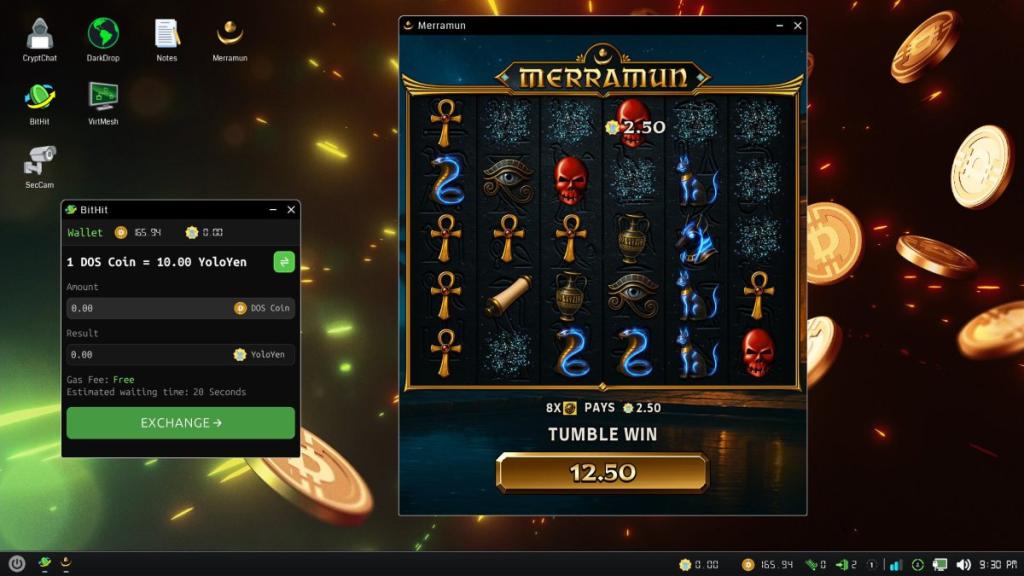
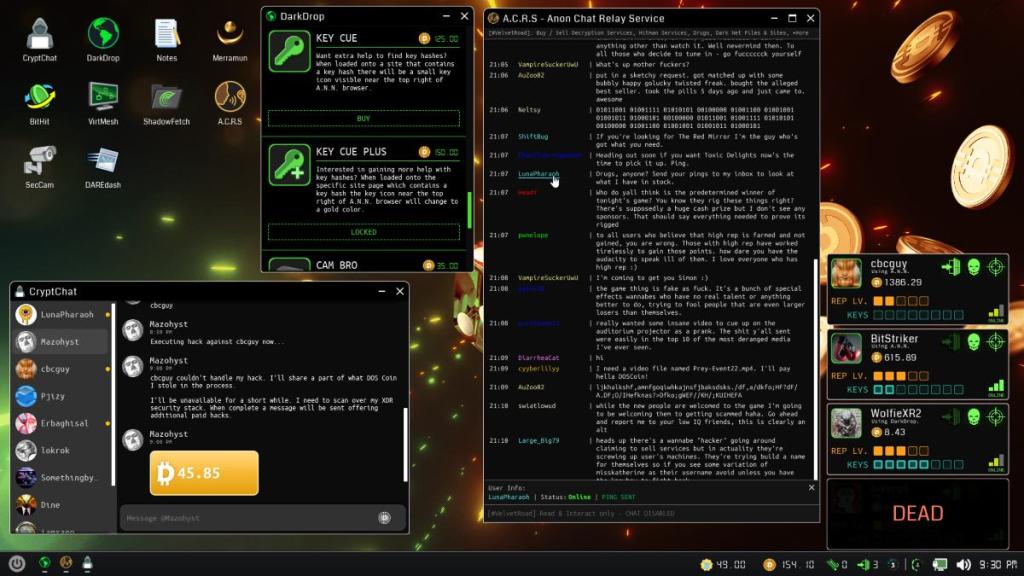
The most effective method for enhancing a player’s Rep level involves completing requests from Non-Player Characters (NPCs) found on A.C.R.S. This platform acts as a central hub, frequented by rival players, hackers, dealers, and various Dark Web denizens. Players should approach these requests with the same mindset as undertaking side quests in a role-playing game. The A.C.R.S. chat room undergoes a reset every thirty minutes, making it imperative for players to "PING" any user whose request catches their attention. This action ensures that the user and their associated request remain active within the player’s interface. Furthermore, successfully evading incoming hacks also contributes to a player’s Rep experience points (XP), reinforcing the importance of defensive prowess.
While A.C.R.S. can be a valuable tool for managing various in-game interactions, including potential encounters with characters like Cletus, the primary focus for Rep building lies in identifying and fulfilling video file requests. To accomplish this, players must first locate Fetch URLs on the Dark Net. These URLs are then converted into downloadable MP4 files using ShadowFetch. The subsequent sale of these video files yields both DOS Coins and Rep. NPCs will frequently request specific website URLs and video content. Accessing the Dark Wiki is crucial for this process, as it often provides the necessary information even when direct network access is restricted. Players can still copy and paste URLs from the Dark Wiki into A.N.N. (Advanced Network Navigator), which then presents a curated list of websites.
Interacting with users on A.C.R.S. who match the player’s current Rep level, or those soliciting URLs, videos, or offering opportunities, can be initiated by selecting their username. This action opens a private messaging channel on CryptChat, facilitating direct communication and transaction negotiation.
The Crucial Quest: Locating and Decrypting Key Hashes
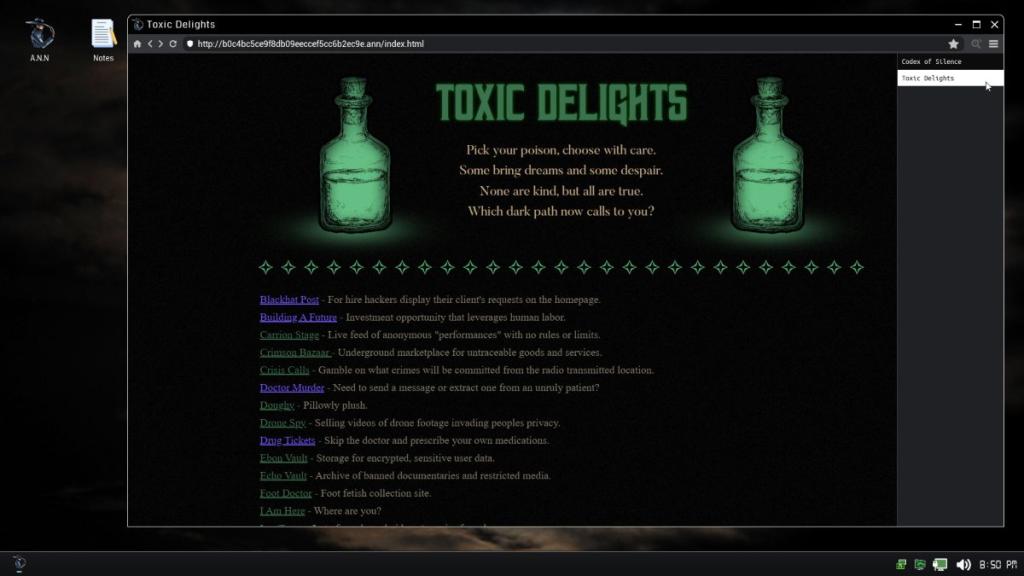
The ultimate objective in Welcome to the Game 3 is the retrieval and decryption of eight distinct Keys. This quest necessitates continuous exploration of the Dark Net, leading players to discover additional Dark Wikis that house potential Key Hashes. These Wiki pages are typically identified by their ".ann" URL format. Copying and pasting these URLs into A.N.N. grants access to a new array of websites. Unlike previous iterations of the game, the pursuit of Keys is a highly competitive endeavor, with up to four other players vying for the same objective. This creates a dual challenge: a race against the clock and a direct confrontation with other Dark Net users.
The spawning of Keys is a dynamic process, with their locations randomly generated each time a new game session begins. Websites can be categorized by their accessibility: some remain consistently open, others are time-limited, and some may be entirely inaccessible. Understanding these states is crucial for efficient searching. Keys themselves manifest as a numerical identifier, ranging from one to eight, followed by a randomized alphanumeric string.
When a Key is concealed behind page elements, players must meticulously hover over various letters and images. An alternative method involves examining the page’s source code by clicking the magnifying glass icon in the upper-right corner of the A.N.N. browser. In the visual interface, a Key Hash becomes discernible when the player’s cursor hovers directly over it, indicating it is clickable. Within the source code viewer, Key Hashes are presented in their complete, unadulterated form.
A significant departure from earlier games in the series is the requirement for Key decryption. Once a Key Hash is located, it must be submitted to a designated agent within A.C.R.S. for decryption, a service that incurs a fee. This adds another layer of economic strategy to the core gameplay loop, as players must balance their DOS Coin reserves to facilitate this final step.
Defensive Maneuvers and Offensive Strikes: Navigating the Hack Landscape
As the digital clock ticks past 9:30 PM, players can anticipate a barrage of incoming hacks. These cyber-attacks escalate in intensity and complexity as the game progresses, reflecting the increasing desperation and resources of opponents. The threat of assassination attempts looms, making robust defensive strategies essential. The nature of these hacks can vary, often targeting the player’s system integrity, attempting to steal data, or directly disrupting operations. While the provided text does not detail the specific minigames or mechanics associated with blocking and sending hacks, it emphasizes the escalating difficulty and the financial investment rivals are willing to make to impede progress. This suggests a system where players must react quickly and effectively to countermeasures.
Eliminating the Competition: High-Stakes Takedowns
In situations where direct competition becomes too formidable, Welcome to the Game 3 offers the extreme measure of eliminating rivals. This involves engaging with specific users on A.C.R.S. who specialize in "doxxing" targets – uncovering their real-world identities or sensitive information. Once this crucial intelligence is acquired, players can then contract another specialized contact to initiate a "hit" on the doxxed competitor, utilizing the gathered information. This is positioned as one of the most expensive, yet potentially game-winning, strategies available, reserved for the most critical junctures of the game. The implementation of such a mechanic highlights the game’s commitment to simulating the brutal and often unforgiving nature of the Dark Net, where eliminating threats can be a necessary, albeit costly, component of survival. The broader implications of these mechanics suggest a game that rewards not only technical skill and resourcefulness but also a willingness to engage in aggressive, high-stakes strategic play. The interconnectedness of VirtMesh, A.C.R.S., ShadowFetch, and BitHit creates a complex economic and social ecosystem, where every action has a ripple effect. The introduction of these new mechanics by Reflect Studios aims to provide a deeper, more challenging, and ultimately more rewarding experience for players venturing into the digital abyss of Welcome to the Game 3.